@MajmudarAdam@alexrozanski Though it is not handy for physical books to count the words by hand... I'm not sure where you could find this number (maybe if there's an ebook/pdf version too). Maybe the book height/width ratio by using the product dimensions on the amazon page
@MajmudarAdam@alexrozanski wordcount to determine the width could be a nice alternative, because the heights are the same on the website, the aspect ratio of how large the text area is on the page is lost (eg. thin A4 book vs thick pocket book can contain as much text)
Put together my notes from 2021 about the cross section of Humanities and Tech, "geesteswe*tech*schappen" in Dutch. Was mostly possible thanks to the recorded lectures. I want to make more of them, such as "CS: Computer Cheat Science Sheets" and "TextTech"
https://t.co/5bmqOXa5HA
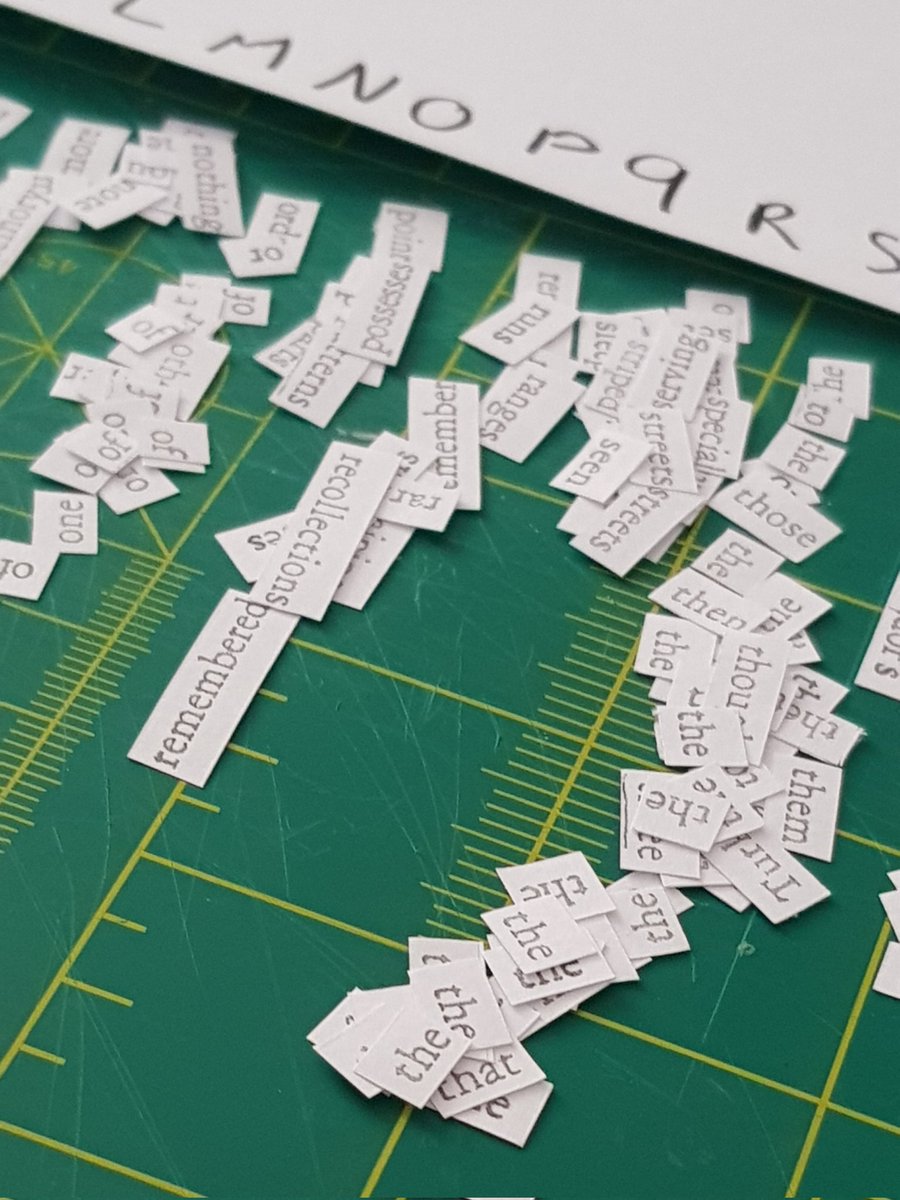
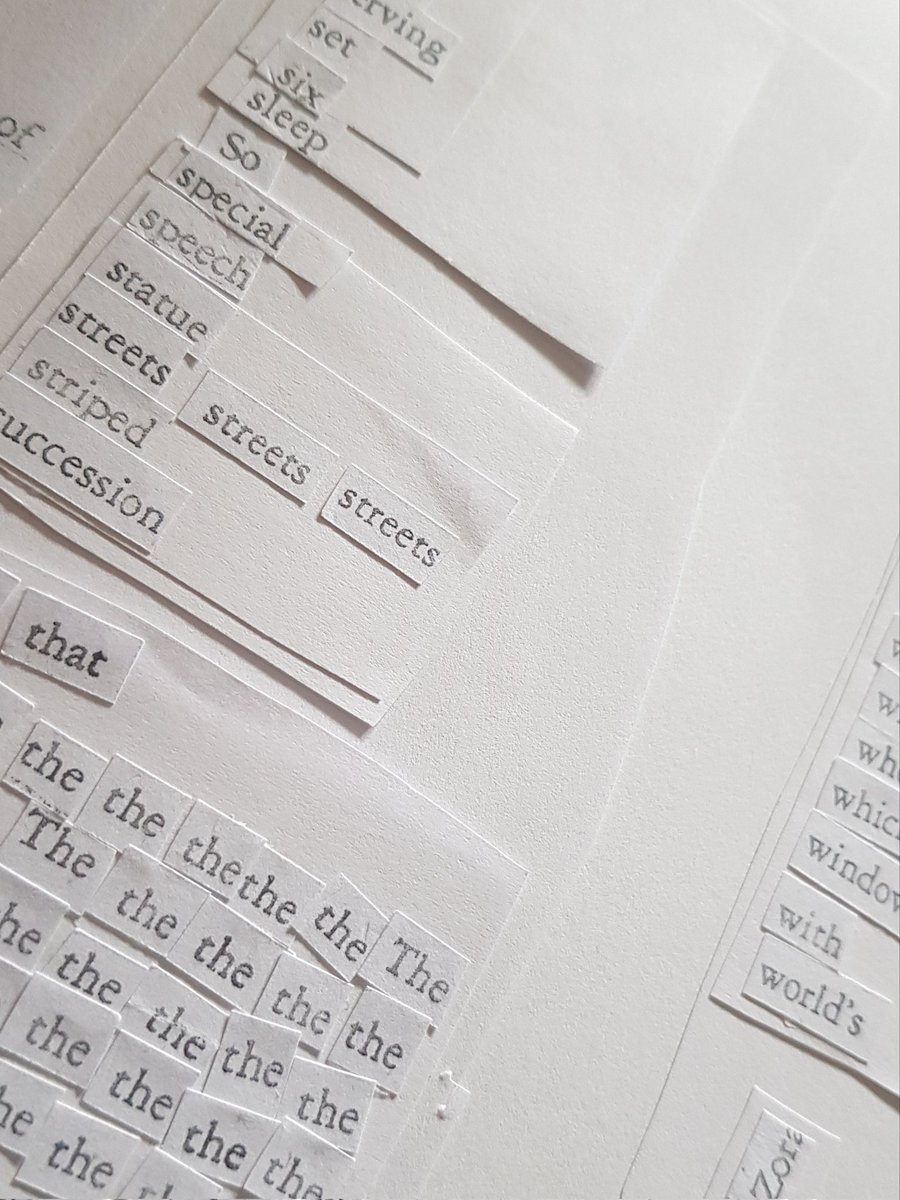
Sorting words by hand, very time consuming and humbling experience after using a lot of #NLProc
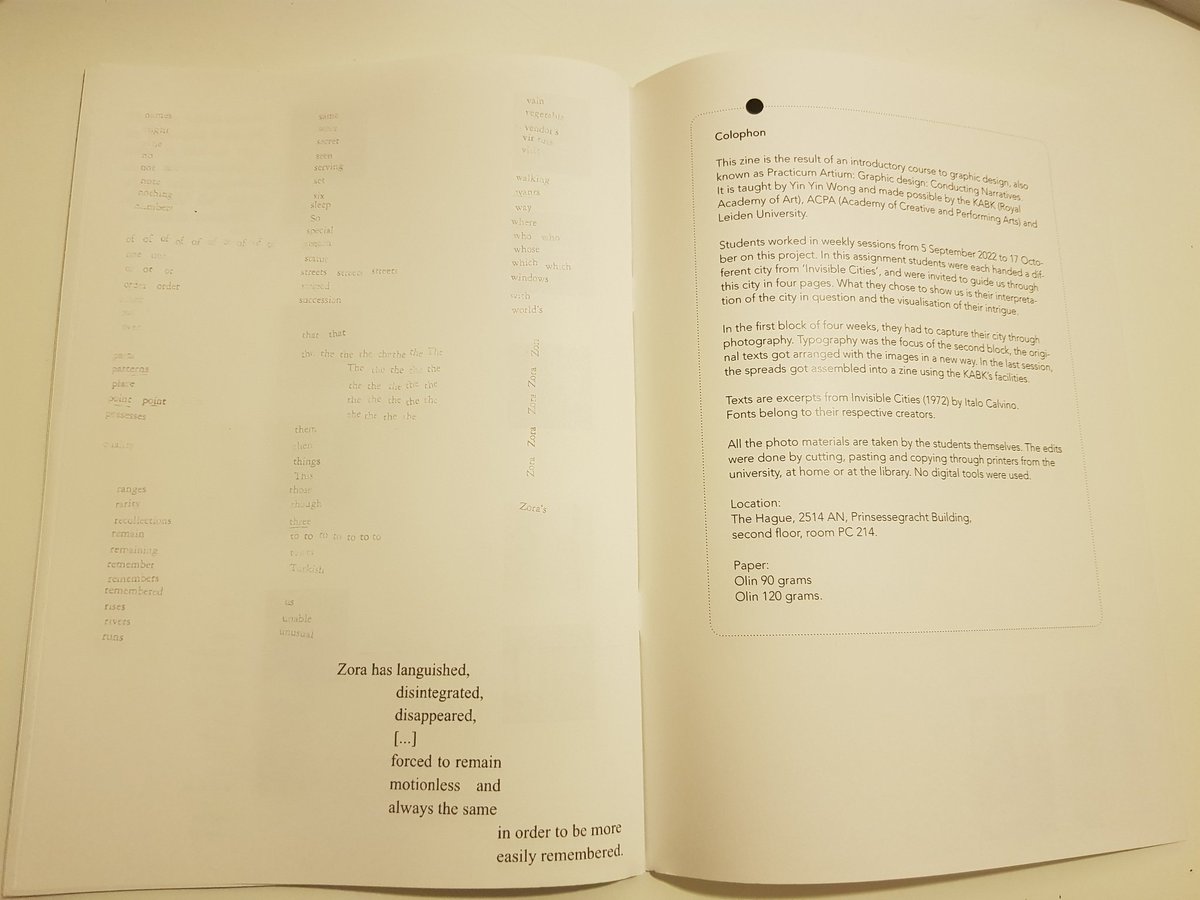
It's for an assignment where we have to go back to paper, cut and paste techniques, to distance ourselves from premade functions and predefined workflows in interfaces.
@AtypI and Tokyo was amazing!✨
Finally, we are back in the Netherlands and will start shipping next week. More information about ordering @RevivingType will follow here soon. 🤓🚚📘
In the mean time, here’s the recording of our talk:
https://t.co/lguJZQ2Ikq
I’ve been working on a webgl simulation inspired by the centuries-old craft of paper marbling.
Here’s a thread 🧵about the inspiration behind it, how it works, future plans, etc:
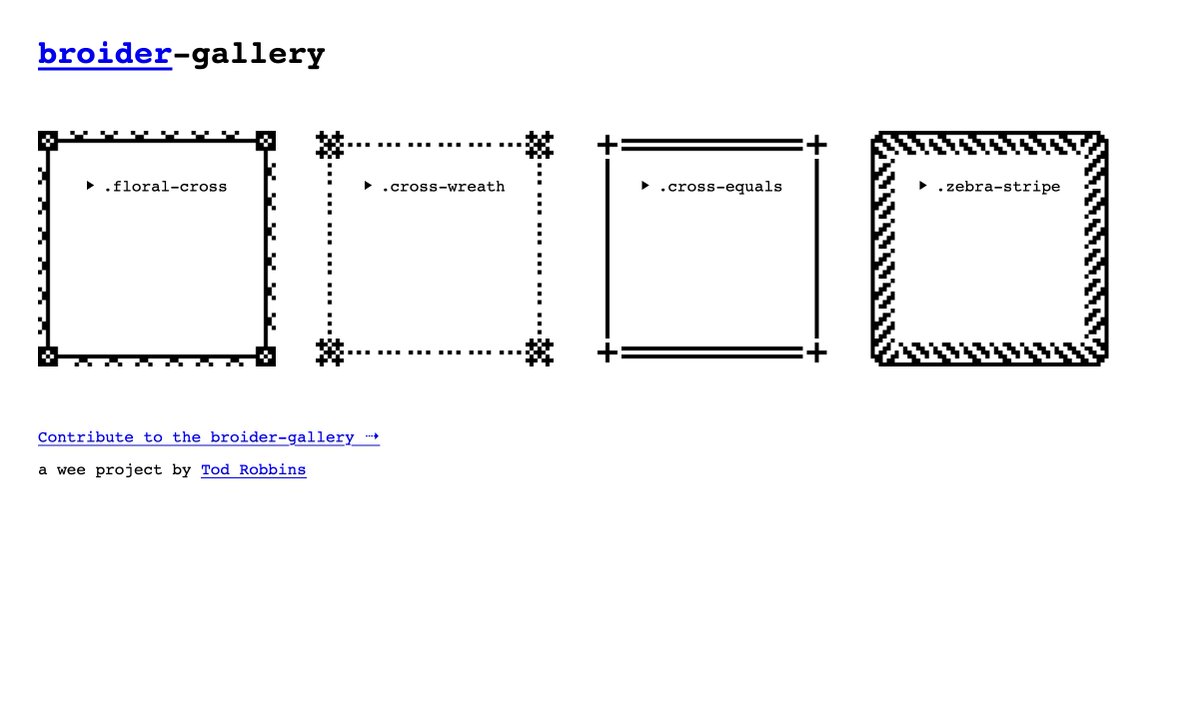
well here we go: a place for your #broider borders! https://t.co/r7tFzRQIOR
contribute here: https://t.co/9YGsAivnjO
feel free to help me make the process better!
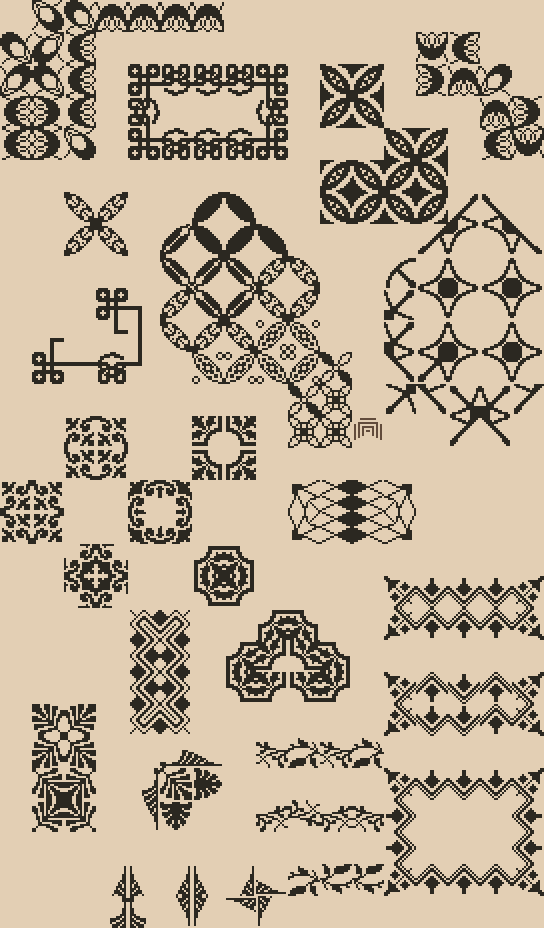
Here is my first attempt with 32x32 pixel tiles, imitating the ornament system in the quoted tweet.
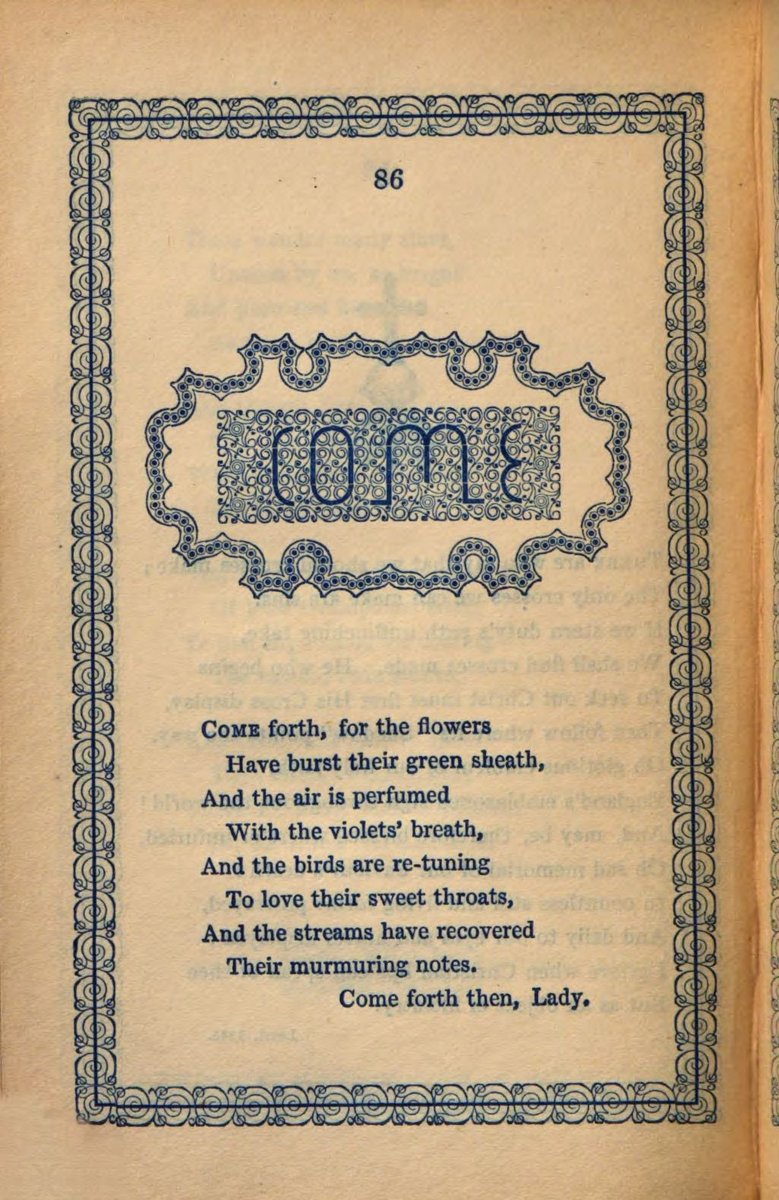
Source: FURNEAUX, James, Lenten Thoughts and other poems, p.86 ([London, Devonport [printed]: 1846)
https://t.co/lnNtJ1HiJy
Victorian #typography is not everyone’s cup of tea; but, this piece of printing from 1846 is pretty special. Printed in blue ink, the pages have beautiful ornamental borders and feature pretty decoration. The insertion of text into this piece is especially striking and unusual!
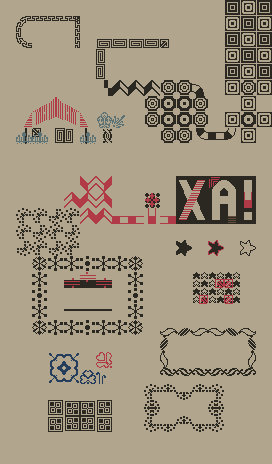
Pixel art versions of historical modular metal type ornaments. Using here as a "paper letterpress emulator" the lvllvl editor which is intended for retro #textmode. I'm still expanding it and researching fleuron type specimens. Thinking about including some old dingbats too.
A big inspirations for me when making it was 'The Techno-Galactic Guide to Software Observation' by the organisation Constant. It's available for free online, I recommend very much to check it out: https://t.co/Wk6QGhwl5y
FAKE is a fictive series of manifestoes about new methods and frameworks for art history analysis. With a few classmates we made it entirely and quickly in Google Slides. I did the editorial design in there too, not very optimal but playing with the limitations was fun.
We wrote about new digital tools and AI methods in art and how we could deal with their 'fakeness' as art historians. It was in May, we researched various areas, but looking back, we were oblivious to the issues that recently came out with algorithms like stable diffusion...








![iconolocode's tweet photo. Here is my first attempt with 32x32 pixel tiles, imitating the ornament system in the quoted tweet.
Source: FURNEAUX, James, Lenten Thoughts and other poems, p.86 ([London, Devonport [printed]: 1846)
https://t.co/lnNtJ1HiJy https://t.co/hOQQMKANrP](https://pbs.twimg.com/media/FgK5qg4XgAEZUm-.png)