Researchers from RCSI and @CHI_Ireland write in @JAMANetworkOpen on how the COVID-19 pandemic shaped infant development.
They reflect on new evidence showing complex effects of social restrictions, parenting and protective factors.
➡️ https://t.co/wip4gZNonR
#RSCIdiscover
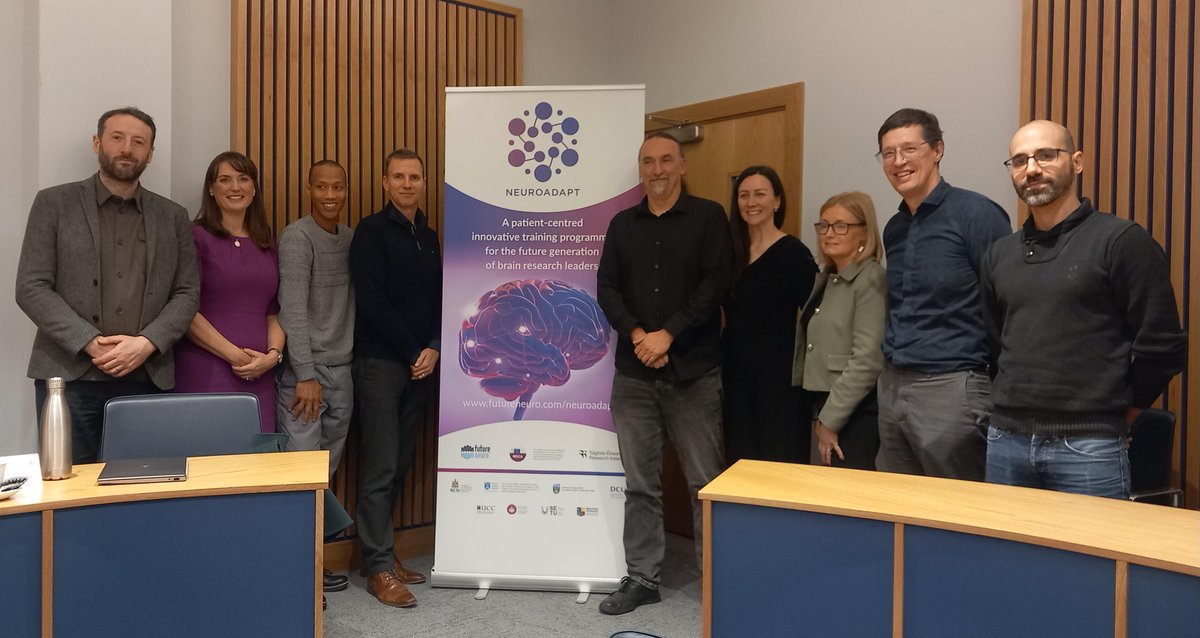
🎉Thrilled to officially launch @Neuroadapt_RCSI today! This €2M programme, co-funded by the EU’s MSCA & FutureNeuro, will train 11 postdocs in cutting-edge neuroscience—from gene therapy to precision medicine— all to improve patient care. Find out more: https://t.co/PYVBwu3jqf
📢New paper out in @ejhg_journal!
🔬An innovative genetic analysis by @SJDbarcelona_es and CNAG has successfully diagnosed 23 children with neuromuscular diseases, some waited over 8 years for a diagnosis
➡️https://t.co/cGnIr4hhMW’s-hospital-and-cnag-successfully-diagnoses
⏳ There is still time to apply! Join the FutureNeuro team for an exciting #PhD opportunity advancing #Epilepsy care. Use health records, ML & digital twins to predict outcomes & personalise treatment. Apply by Nov 29 at:
https://t.co/61ucayqrds
@NiBhradaigh@pharmacoepircsi
Polygenic basis of monogenic neurodevelopmental diseases. Identifying common variant contributions to a collection of heterogeneous rare neurodevelopmental conditions is interesting, but finding it difficult to appreciate the biological basis of this contribution. Fascinating work nevertheless.
Huang, Wigdor, et al. Nature
https://t.co/xjtSgDthJf
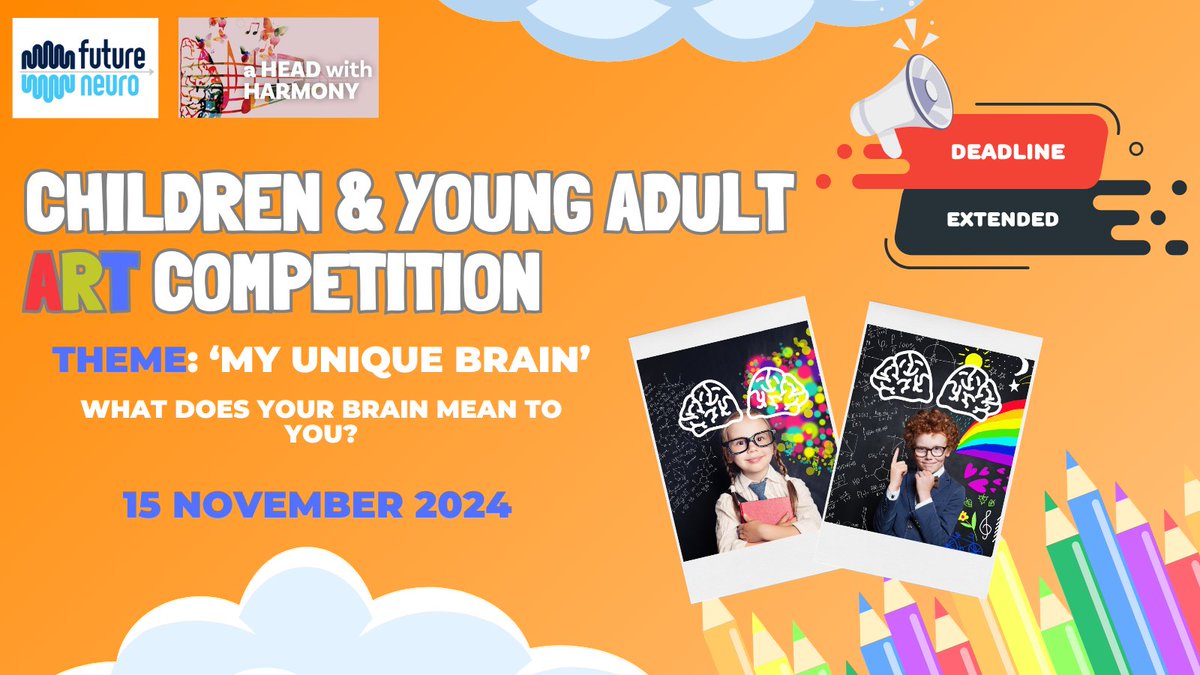
🎨Great news! The deadline for our #MyUniqueBrain art competition has been extended until November 15! This gives you more time to get creative and show us what your brain means to you. Find out more: https://t.co/KUTeyElxCi
🚀We’re launching NeuroAdapt, a €2M programme co-funded by the European Commission’s @MSCActions and @Futureneuro_ie, to train 11 postdocs in cutting-edge neuroscience research, from gene therapy to precision medicine, all aimed at improving patient care: https://t.co/eSkPCiioVW
REGISTRATION for VIBE-ICBG24 now OPEN !
Fantastic opportunity for early career researchers in genomics/bioinformatics/comp biology to present their work and connect with other PhD students and researchers in the field!
Taking place on 5th and 6th Dec @uniofgalway !
I'm very excited to have our work on recessive developmental disorders published at @NatureGenet!
See here for the tweetorial (https://t.co/2CbNHkPyxV).
There were some exciting updates during the reviews which I'll highlight here... (1/n)
https://t.co/fY7iccdfxU
Thrilled to see so many of the @Futureneuro_ie team at #ISHG2024 yesterday! Special shout out to our brilliant poster presenters, including PhD student @idahry1 and summer intern Richard O'Conaill, who won best clinical poster for his work on CINDI! 👏🎉
@Solve_RD
Only one month left to enter our #MyUniqueBrain art competition! 🎨Show us what your brain means to you for a chance to win amazing prizes. Don’t miss out—find out more: https://t.co/KUTeyEkZMK
A Sunday read for you. A new blog post on a discovery of a noncoding mutation that causes a Mendelian cardiac arrhythmia through a fascinating mechanism: de novo creation of cardiomyocyte-specific enhancer. This adds to the list of my favorite noncoding discoveries that I've highlighted over the past couple of years. Two take homes for me are
- when searching noncoding disease variants, we tend to look at regions previously known to play a regulatory role (promoters, enhancers etc.). This work reminds us of the possibility that disease variants might be creating a new regulatory element themselves.
- when searching for causal genes, we tend to look at only those that are expressed in the disease-relevant tissues. This work reminds us that causal genes can be the ones that are not expressed in disease-relevant tissues.
Sometimes the answers come from places where we least expect to find.
Congratulations to the authors on this beautiful work!
https://t.co/dyuem9fgAc
In our latest work, we explore the contribution of rare, typically inherited, damaging genetic variants to the risk of severe developmental disorders (DDs) and establish a major role for incompletely penetrant rare variation.
Now out on medRxiv:
https://t.co/NnB3bUr8bS
🧠Interested in neuroinflammation? Join us at the next Glia Club meeting on Sept 13 at 1pm in @tcdTBSI@TrinityMed1. Our researcher @TobiasTengel is among the featured speakers. All are welcome!
✨New research from our PhD student @VasseghiMary shows why Ireland needs a TSC Centre of Excellence with a dedicated coordinator to ensure continuous, personalised care for those living with TSC. https://t.co/f9AQ5HbWMl