The Morning Plate
In the face of the tempest, a lone prophet confronts shadows of legends past, as the heavens churn with whispered secrets and the weight of fate hangs heavy on the winds. What truth lingers beyond the veil of darkened skies?
#GermanicFolklore#Ominous
¿Se puede llevar demasiado oro?...
Adéntrate en el mundo del antiguo Perú, donde el poder se manifestaba en oro, plata y simbolismo sagrado.
Este majestuoso tocado proviene de la civilización Moche, maestros de la metalurgia y el significado.
Siglos antes que los incas, sus líderes deslumbraban no solo con su riqueza, sino también con las historias que contaban sus adornos.
Why Not South America
The yellow boxfish, found in the Indian and Pacific Oceans, is known for its unique cube shape. It primarily feeds on algae and small marine invertebrates, but can release toxic substances when stressed, potentially harming nearby fish.
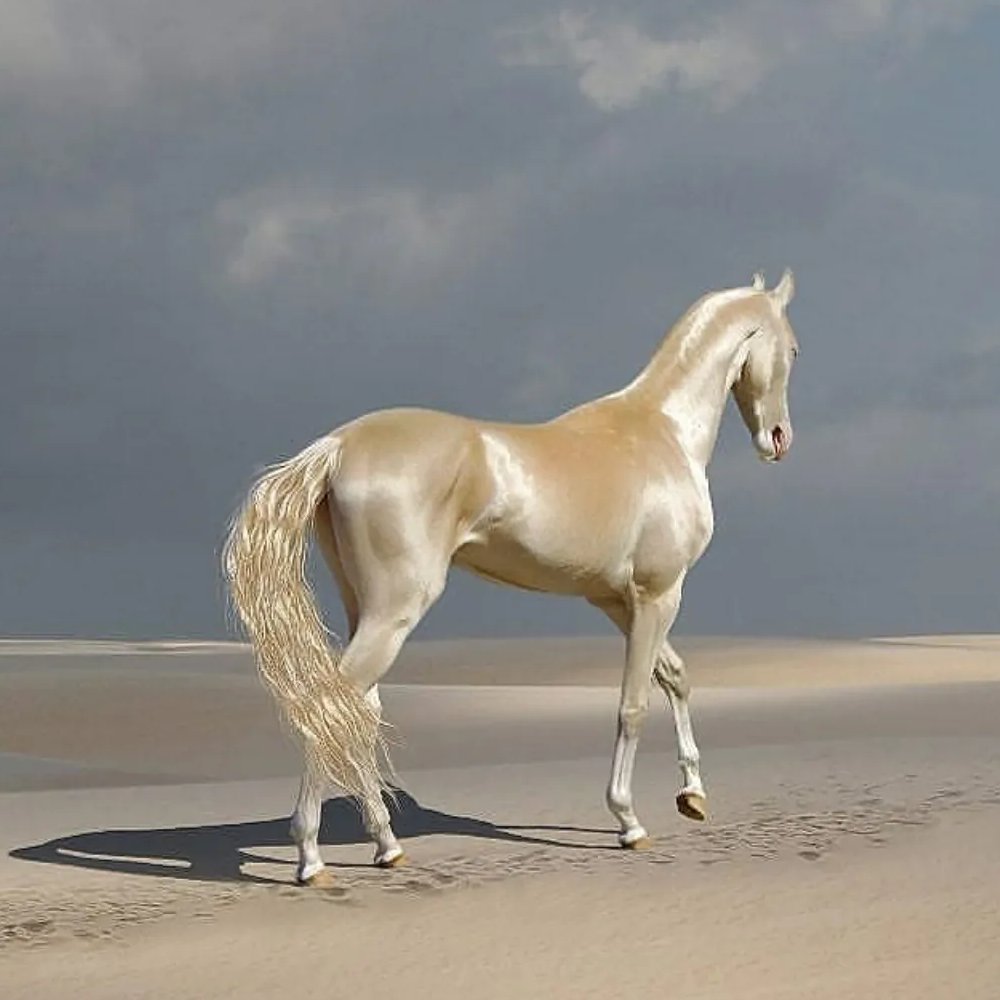
The blinding glare of the Akhal-Teke isn’t a pigment it’s an optical hack.
This Turkmen breed has completely hollow, translucent hair shafts that act like biological fiber-optic cables. Instead of absorbing daylight, each strand traps the sun, bends it internally, and fires it back out as liquid metal. This isn't luxury, it's desert armor. The horse wears a living mirror designed to bounce solar radiation off its skin to keep from burning alive. It doesn’t just walk through the light it weaponizes the physics of it.
🦁 A Palace in the Sky: The Dark Secret Behind Sri Lanka’s Lion Rock
Imagine climbing a massive rock rising nearly 200 meters above the surrounding jungle. At the top, a king has built a palace, surrounded by gardens, pools, and carefully designed water systems. But this was not simply a royal retreat. It was a fortress built by a king who feared losing everything.
Hidden in the heart of Sri Lanka stands Sigiriya, also known as Lion Rock, one of the most extraordinary ancient sites in the world. Rising dramatically above the green landscape, this enormous rock holds the remains of a palace complex built nearly 1,500 years ago. But behind its impressive architecture lies a story of ambition, betrayal, and survival.
In the late 5th century CE, King Kashyapa seized the throne after overthrowing his father, King Dhatusena. Fearing revenge from his half-brother Moggallana, who had been forced into exile, Kashyapa moved his royal center to Sigiriya. He transformed the towering rock into a heavily protected citadel, building his palace high above the ground.
But the most mysterious part of the journey was the entrance.
Halfway up the rock, visitors once encountered a gigantic lion carved from brick and plaster. Its enormous paws still remain today, standing on either side of the staircase. Originally, the structure included the lion’s head and upper body, creating the impression that people were climbing directly into the mouth of a giant beast.
The secrets of Sigiriya do not end at its walls. Its ancient builders created gardens, pools, fountains, and sophisticated water-management systems. Water was carefully directed through the complex, demonstrating an impressive understanding of engineering and landscape design. Even today, the site raises questions about how ancient workers organized such an ambitious project on top of a massive rock.
Yet the king’s fortress could not protect him forever. Kashyapa was eventually defeated by Moggallana, and the royal center returned to Anuradhapura. Sigiriya later became a Buddhist monastery, continuing its history long after the king who built it had disappeared.
Today, the ruins of Sigiriya stand above the Sri Lankan jungle, preserving the remains of a royal dream shaped by fear, power, and extraordinary engineering.
A king built a palace in the sky to escape his enemies. Centuries later, the palace is gone, but the lion still guards the climb. 🦁
What do you think was the most remarkable achievement at Sigiriya: its towering fortress, its ancient water systems, or the mysterious lion entrance?
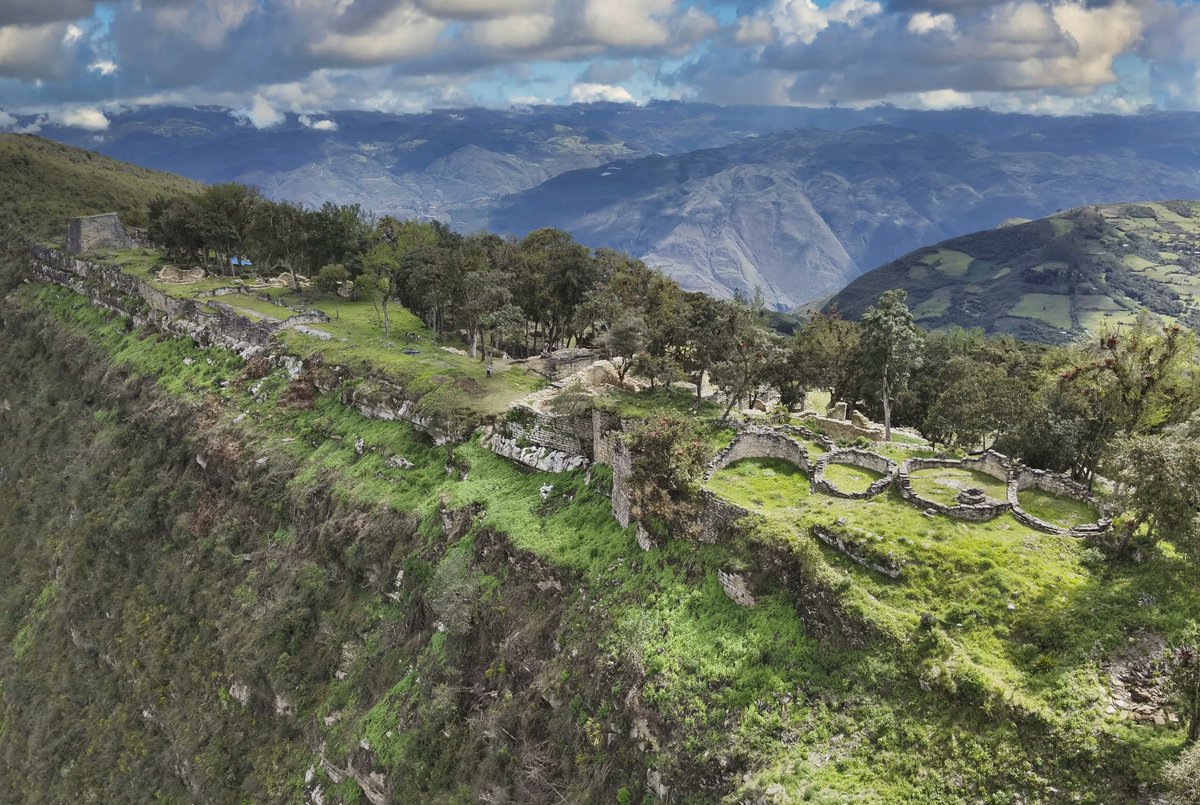
En 1553, un cronista español describió en la selva peruana a un pueblo de tez clara y fortalezas sobre las nubes. Durante siglos se teorizó con vikingos o celtas perdidos, pero su ADN zanjó el misterio. Eran los legendarios chachapoyas. Tira del hilo 🧵👇🏽👇🏽👇🏽
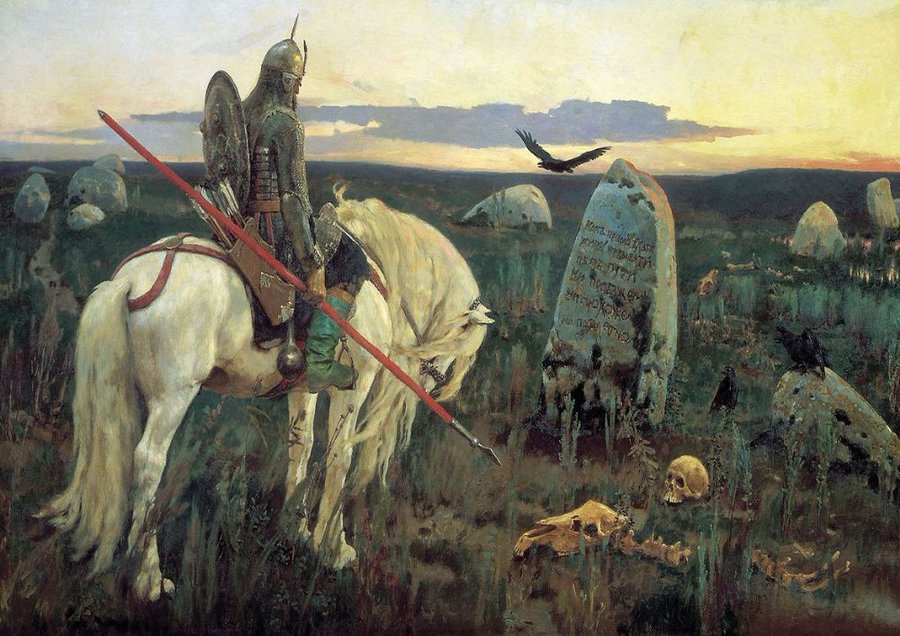
KNIGHT AT THE CROSSROADS is a nineteenth-century mythical painting by Russian artist Viktor Mikhaylovich Vasnetsov (1848–1926). According to ancient superstitions, crossroads are unhallowed ground, haunted by vampires, demons, witches & trolls.
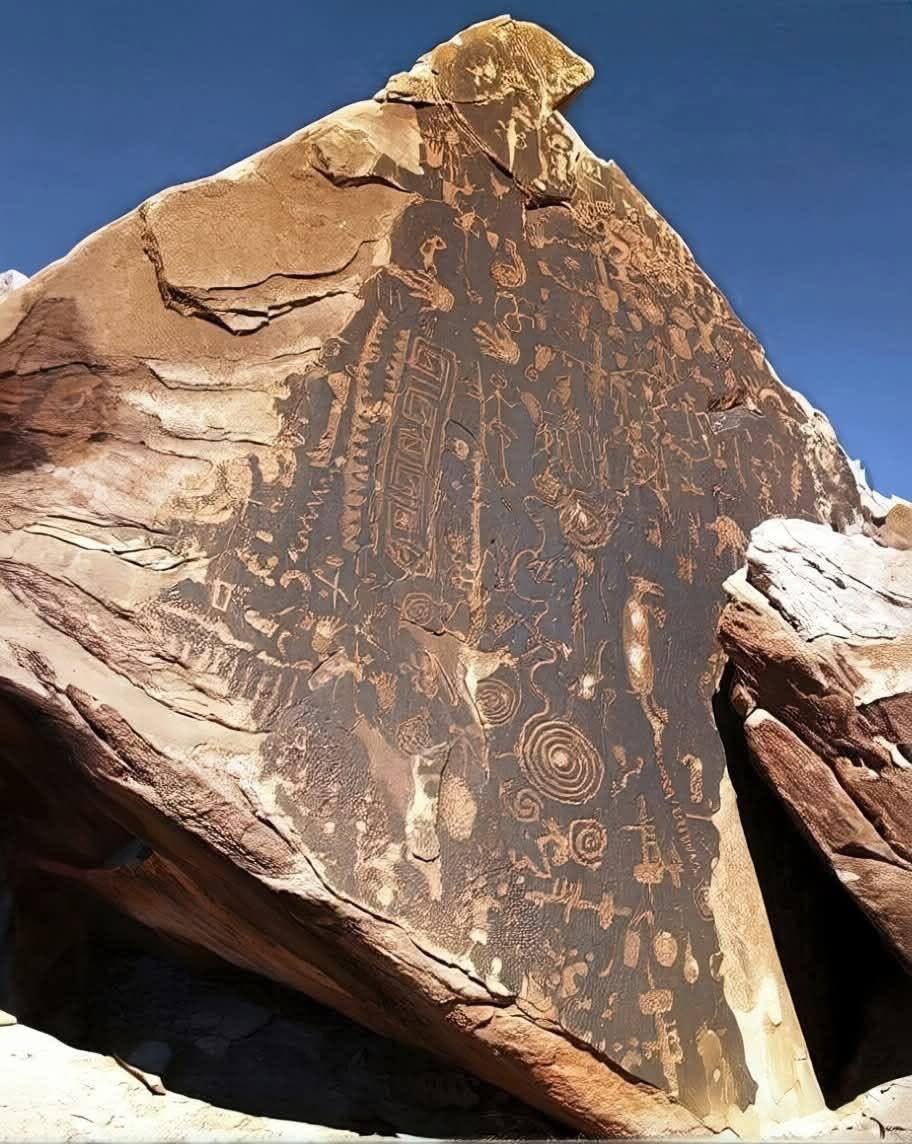
🪨 2,000-Year-Old Messages Hidden in the Rocks of Arizona
Across the desert landscape of Arizona, ancient stones hold a mystery that has survived for thousands of years. At Petrified Forest National Park, Native American communities carved images into rock surfaces, leaving behind symbols that still raise questions about the people who created them.
Known as petroglyphs, these ancient engravings feature spirals, animals, human-like figures, and geometric patterns. Each mark was carefully pecked into the dark mineral coating on the rock, revealing the lighter stone beneath. What may look like simple shapes today could have carried deep meaning for the people who created them.
Some of these carvings date back as far as 2,000 years, while others were added by different generations over centuries. At Newspaper Rock, more than 650 petroglyphs cover a collection of rock surfaces, suggesting that this was a place of considerable importance to the people who lived in the region.
Archaeologists cannot translate the carvings as a written language, and their exact meanings remain unknown. Some symbols may have been connected to spiritual beliefs, clan relationships, hunting, migration, or important seasonal events. Others may have helped people understand their surroundings and track the movement of the Sun.
Imagine standing before these rocks and looking at marks created by someone who lived nearly 2,000 years ago. You cannot hear their voice, read their thoughts, or know exactly what they intended. Yet their hands left something behind—a message carved into the landscape, waiting for future generations to wonder about its meaning.
These petroglyphs are more than ancient drawings. They are traces of human lives, beliefs, and connections to the land, preserved in stone long after the people who created them disappeared into history.
Some mysteries are not buried beneath the ground. They are waiting in plain sight, etched into the rocks.
Source: National Park Service — Petrified Forest National Park, Newspaper Rock and Frequently Asked Questions.