Lo que más llama la atención de esta cámara es lo buenos que son estos tipos. Ahí es donde los que alguna vez jugamos a algo conectamos con la velocidad, presición y calidad que tienen. Hasta el más malo de los 22 es un tremendísimo crack.
the real reason you’re tired all the time: it’s not your workload. it’s your open loops. the text you haven’t answered. the apology you owe. the decision you’re avoiding. the conversation you keep postponing. these run in the background of your mind all day, draining your battery. close your loops. watch your energy return. mental clutter is more exhausting than physical work ever will be.
There were massive international protests over George Floyd and those police involved were severely punished with long prison sentences, yet the police responsible here did not even lose their jobs!
An incredibly unjust double-standard!
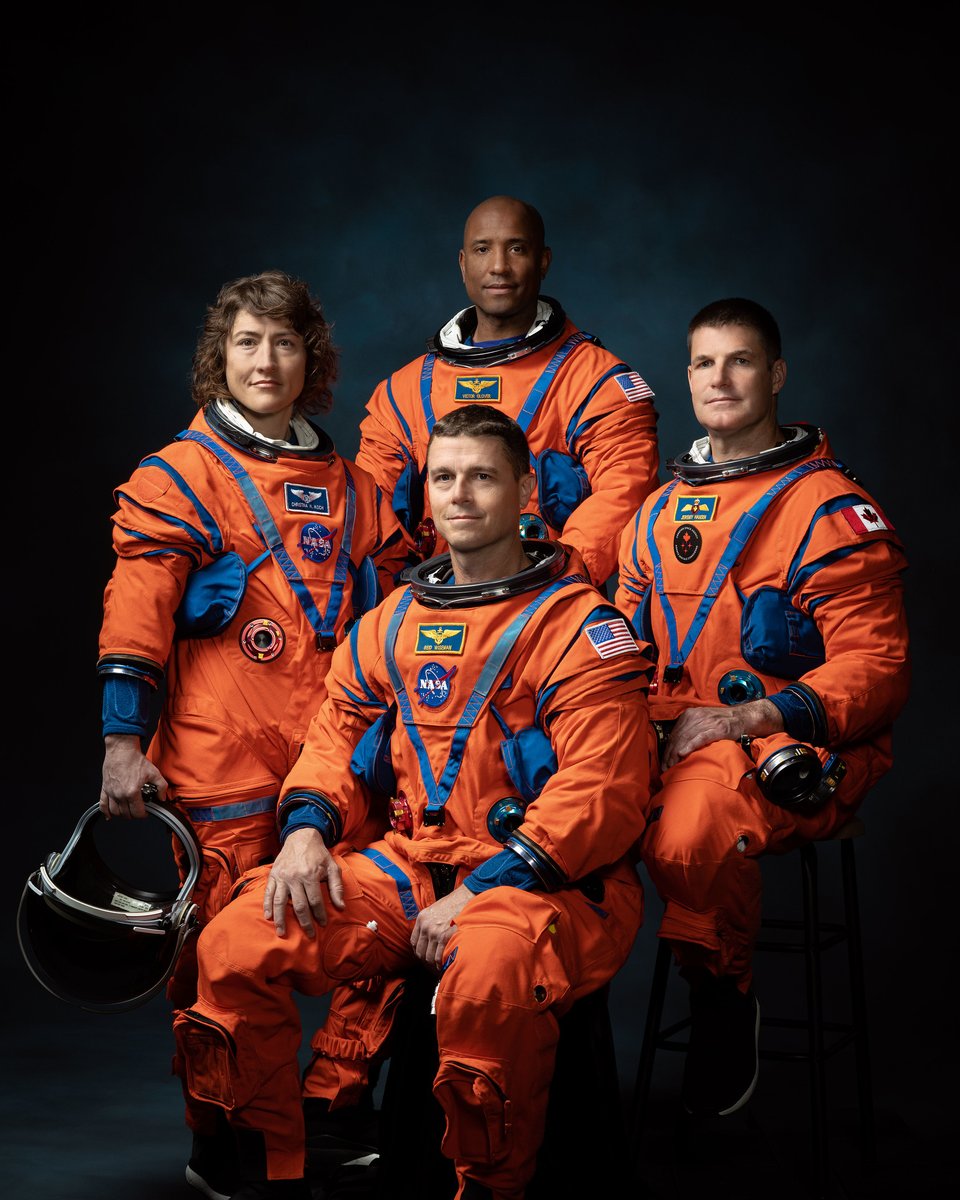
We are just weeks away from Artemis II, where we will send astronauts around the Moon—farther than any crew has traveled before.
The mission’s press kit is now available! Check it out: https://t.co/R3JaaG8lQU
@Yarey40@lavirgenmanca Soy incrédulo de lo que dices, nunca he experimentado algo al menos parecido pero escucho cosas similares de parte de mi abuela, no es por soberbia sinceramente no encuentro una base de la que se pueda estudiar y hallar convicción, algo que no sea escuchar experiencias personales
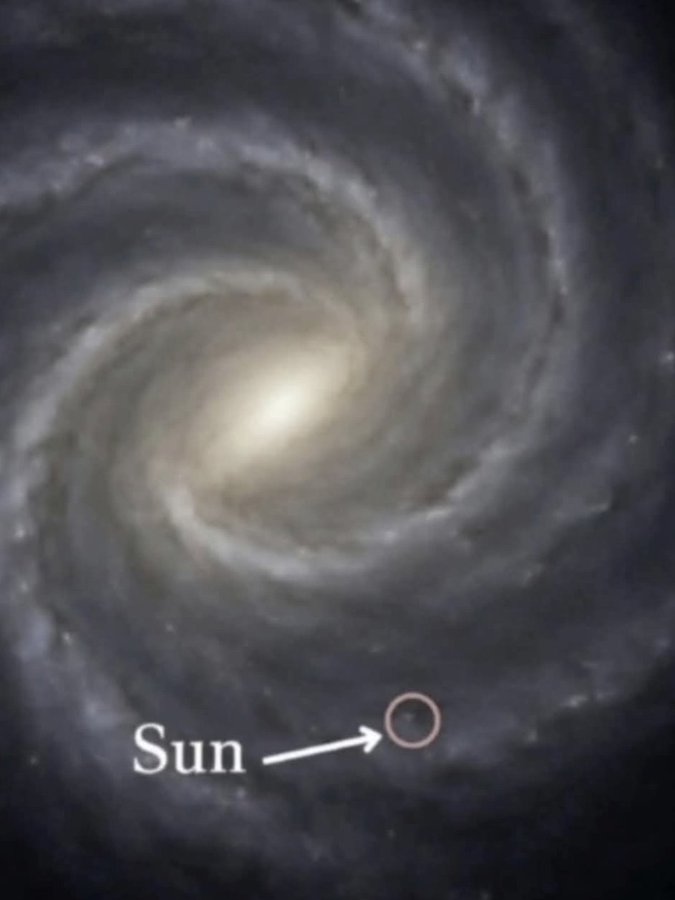
Our home, Earth, is indeed just one planet among potentially trillions orbiting within the Milky Way galaxy—estimates suggest anywhere from 100 billion to over 3 trillion planets in total, depending on how we count all sizes and types.
Our Sun, the nurturing core of our solar system, is one of roughly 100 to 400 billion stars weaving through this sprawling galactic metropolis, with 200 billion being a solid midpoint often cited by astronomers.
Yet the Milky Way is merely a single drop in the cosmic sea, one of about 2 trillion galaxies (or possibly even more, per recent analyses) sprawling across the observable universe, each teeming with billions of stars, untold planets, and enigmas waiting to be unraveled.
Staring into the night sky isn't just spotting distant lights—it's glimpsing an endless expanse where infinite possibilities whirl in the dark.
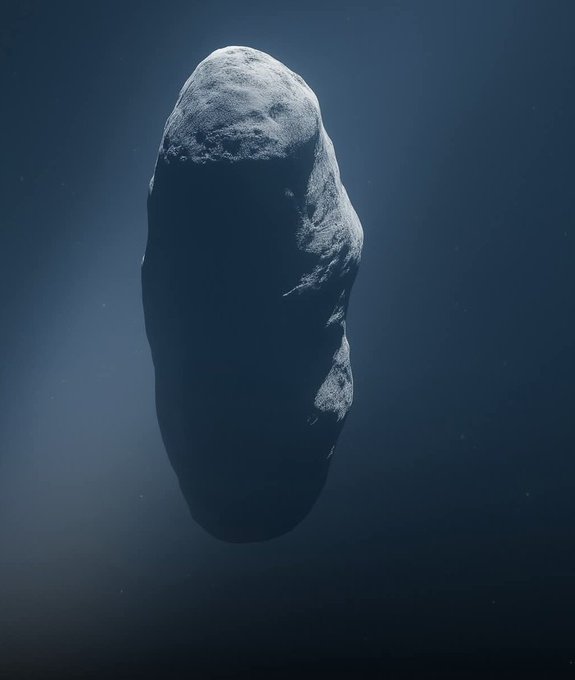
Comet 3I/ATLAS holds ~33 billion tons of nearly pure nickel, unlike any known comet or asteroid. Spectroscopic data show no iron—unusual, as nickel and iron typically co-occur in alloys.Its surface is highly reflective and uniform, implying a smoother metallic plane than any natural body observed.The faint glow exceeds reflected sunlight, with nickel plasma lines indicating active ablation and charged particle shedding. This creates a backward ion tail, but the leading hemisphere is oddly illuminated, suggesting unexplained self-emission.Magnetic fields exhibit regular variations, pointing to complex electromagnetic processes.Due to its iron absence, smooth surface, and anomalous luminosity, 3I/ATLAS is exceptionally unusual. Urgent further observations are recommended to assess exotic composition, novel physics, or artifacts.
The James Webb telescope has discovered Jupiter-sized "planets" in space, free-floating and gravitationally unbound to any star
What has astonished scientists is that the planets are moving in pairs.
Astronomers are now trying to explain this phenomenon scientifically. They are inclined to believe that the objects were thrown out of their orbits due to gravitational disturbances.
NASA