This warming herbal salve supports circulation and lymph flow when the body feels inflamed, heavy or tense.
Topical remedies can bring real relief.
But chronic inflammation in women rarely starts in the skin.
It’s often connected to:
• nervous system overload
• high cortisol
• sluggish digestion
• hormone recycling issues
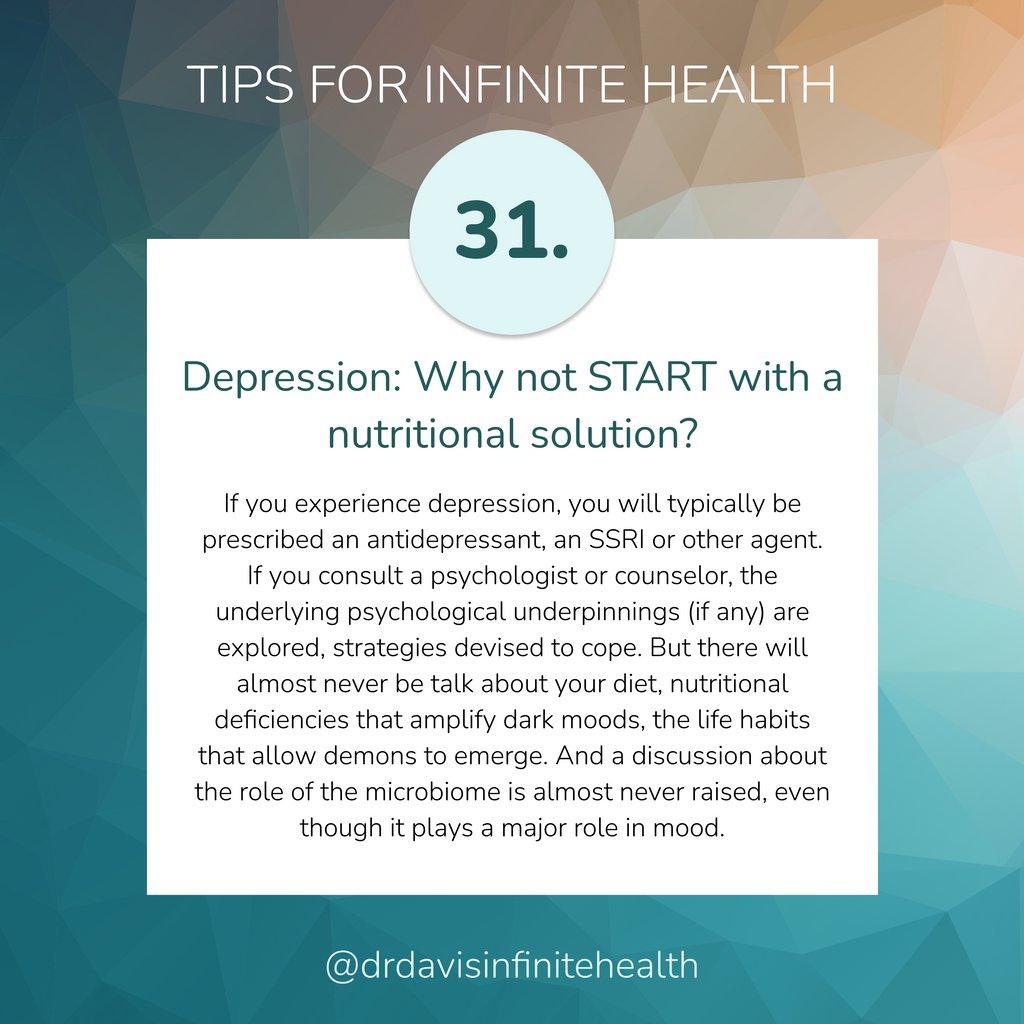
Have you ever considered that your diet and nutritional deficiencies could amplify your dark moods or contribute to the emergence of depressive symptoms? Surprisingly, these factors are rarely discussed in traditional approaches to depression.
https://t.co/BU20jempqx
What did researchers find?
•Disrupted sleep patterns in the first two weeks postpartum were one of the strongest predictors of postpartum depression.
•When combined with low social support (measured through engagement data on mental health apps), the risk increased significantly.
Armed with this knowledge, healthcare providers can intervene before symptoms become severe—offering sleep support programs, virtual therapy sessions, and even community-building apps tailored to new moms.
This isn’t hypothetical. This is the future of women’s health.
Challenges We Can’t Ignore
Of course, with great data comes great responsibility.
•Privacy Concerns: Reproductive health data is sensitive, especially in regions where legal rights around these issues are under threat. Protecting this data is not just ethical—it’s essential.
•Bias in Algorithms: If the data we feed into algorithms isn’t diverse, the results can reinforce existing health disparities. We need to ensure that research includes women of all backgrounds, ages, and experiences.
•Digital Divide: Not every woman has access to smartphones, wearable tech, or reliable internet. Without addressing this, data-driven insights could unintentionally leave some groups behind.
What’s Next? The Future of Data-Driven Women’s Health Research
We’re standing on the edge of something extraordinary.
•Personalized Mental Health Care: Imagine therapy programs that adjust based on your hormone levels, stress patterns, and even genetic data.
•Real-Time Crisis Detection: Wearable devices that don’t just track your heart rate but can detect mental health crises as they’re happening—and alert someone who can help.
•Global Insights: With data from women around the world, we can uncover universal truths about mental health and understand how cultural factors shape well-being.
Final Thoughts
The fusion of data analytics, database management, and women’s health psychology isn’t just about research papers and academic journals. It’s about creating real change for real people.
It’s about the mother struggling silently with postpartum depression.
The teenager battling anxiety linked to hormonal imbalances.
The woman managing a chronic illness while juggling work, family, and everything in between.
Data can tell their stories—and help write better ones.
If you found this insightful, share it with someone who cares about the future of women’s health. Let’s keep the conversation going.
Bridging Data and Mind: How Data Analytics and Database Management Are Revolutionizing Women’s Health Psychology
In the ever-evolving world of health research, one truth has become undeniable: data is power. When it comes to understanding women’s health—especially the intricate connection between mental and physical well-being—this power is transforming the landscape in remarkable ways.
Traditionally, health psychology relied heavily on self-reported surveys and qualitative interviews. While insightful, these methods often missed the bigger picture: patterns hidden within vast amounts of data. But now, with advanced data analytics and robust database management, researchers are uncovering mental health trends, predicting psychological outcomes, and personalizing interventions like never before.
This isn’t just about crunching numbers—it’s about changing lives.
Why Data Analytics Matters in Women’s Health Psychology
Think of data analytics as the brain’s “superpower” in health research. It helps uncover relationships that aren’t immediately obvious, revealing how factors like sleep, hormones, stress, and even smartphone usage influence mental health outcomes in women.
Here’s how it’s making a difference:
1.Spotting Postpartum Depression Before It Starts
Imagine being able to predict who might develop postpartum depression (PPD) before symptoms even appear. With data analytics, this isn’t science fiction—it’s reality. By analyzing data from electronic health records (EHRs), wearable devices, and mental health apps, researchers can identify risk factors such as sleep disruptions, social isolation, and hormonal changes early on. This means quicker support, targeted interventions, and healthier outcomes for new mothers.
2.Understanding the Hormone-Mood Connection
Conditions like premenstrual dysphoric disorder (PMDD) and perimenopausal anxiety often get dismissed as “just hormonal.” But the truth is far more complex. Data analytics helps map out how hormonal fluctuations interact with mental health, using biomarker data, mood-tracking apps, and longitudinal studies. This leads to more effective treatments that go beyond traditional “one-size-fits-all” approaches.
3.Improving Chronic Disease Management
For women living with conditions like PCOS, endometriosis, or autoimmune disorders, mental health challenges often go hand-in-hand with physical symptoms. Data-driven insights help track how stress, medication adherence, and lifestyle behaviors impact both mental and physical health—allowing for truly holistic care.
The Unsung Hero: Database Management
Behind every groundbreaking study is a well-organized database. Think of it as the heart pumping life into the research process. Without strong database management, even the most powerful analytics tools would be useless.
Here’s why it’s crucial:
•Long-Term Tracking: Women’s health issues often evolve over years, even decades. Robust databases can track these changes over time, revealing trends that short-term studies might miss.
•Integrating Diverse Data: From fitness trackers to mental health apps to lab results—women’s health data comes from everywhere. A good database brings all these pieces together seamlessly.
•Protecting Sensitive Information: Reproductive health data is deeply personal. Strong database security ensures privacy, especially in a world where data breaches are a real concern.
Real-World Impact: A Case Study in Postpartum Mental Health
Let’s paint a picture.
A large-scale study tracks 5,000 new mothers using data from wearable devices (sleep patterns, physical activity), mental health apps (mood tracking), and EHRs (medical history). Advanced algorithms analyze this information in real time.
@Infurnoburnz@kanyewest But it’s Ye who laughs last at this pest,
He thought it was toothpaste -well be my guest,
Ye put white in your smile- but I digress,
That was Ye’s Italian semen from Censori’s chest.
@kanyewest@tydollasign 🎵Her name censori but the fits uncensored,
It’s a red carpet every spot that we enter,
They say who dressed ya but it’s styled by YE,
Always crying bout something tell em KumbaYe,
They don’t wanna see us win but that’s my bae,
Ride or die to the wheels fall off co-signed by Ye🎵
Why do humans get stuck in Trauma while wild animals recover naturally?
In the 1970s, Dr. Peter Levine noticed something remarkable:
Wild animals face death daily yet don’t develop PTSD, depression, or anxiety.
His discovery revolutionized how we understand trauma forever:🧵
10 Reasons Hibiscus Tea is Good For You!
Hibiscus tea is a herbal drink that’s high in essential nutrients. Learn about its health benefits and how it can help the body…👇🏽
🧵