almost every social issue eventually collapses into a class issue. an upper middle class woman is far more privileged than a poor man in this country. this is also pakistani feminism’s biggest blind spot because the movement has been hijacked by a bunch with no skin in the game.
The same footing 1947 myth busted, Pakistan was literally built from scratch:
-India got 90% of industrial units, Pakistan got only small shops.
-India withheld 550M of Pakistan’s 750M rupee share, causing an instant liquidity crisis.
-All ordnance factories stayed in India
1/7
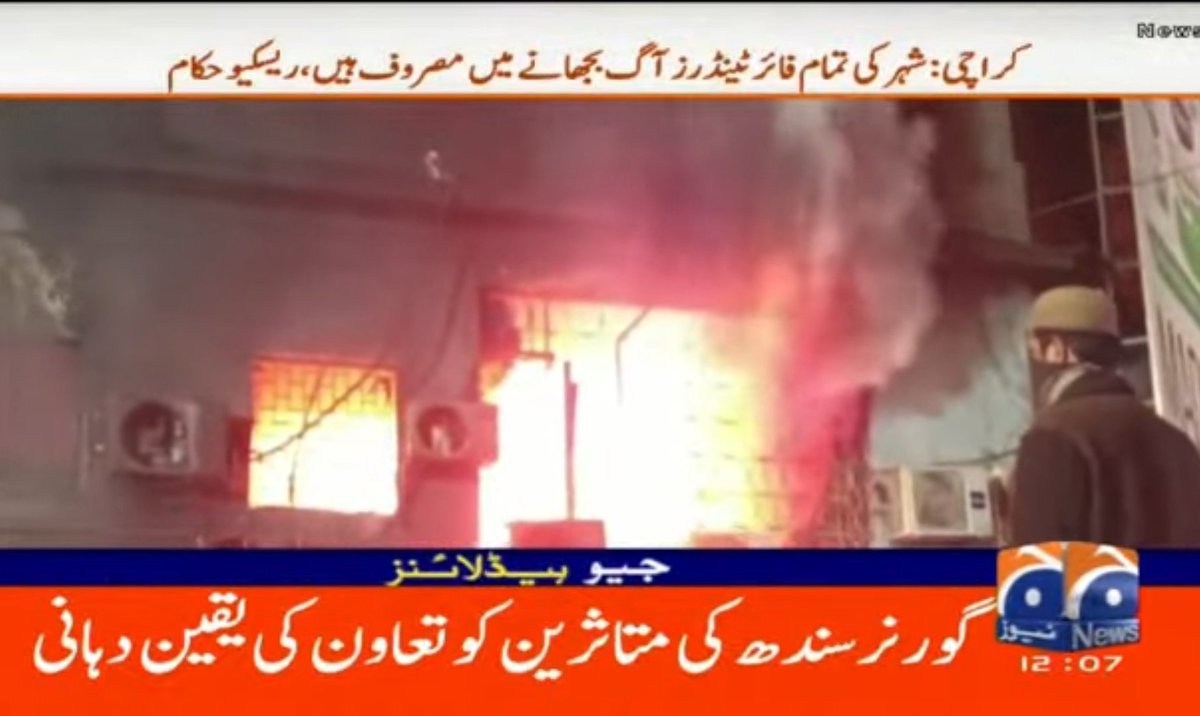
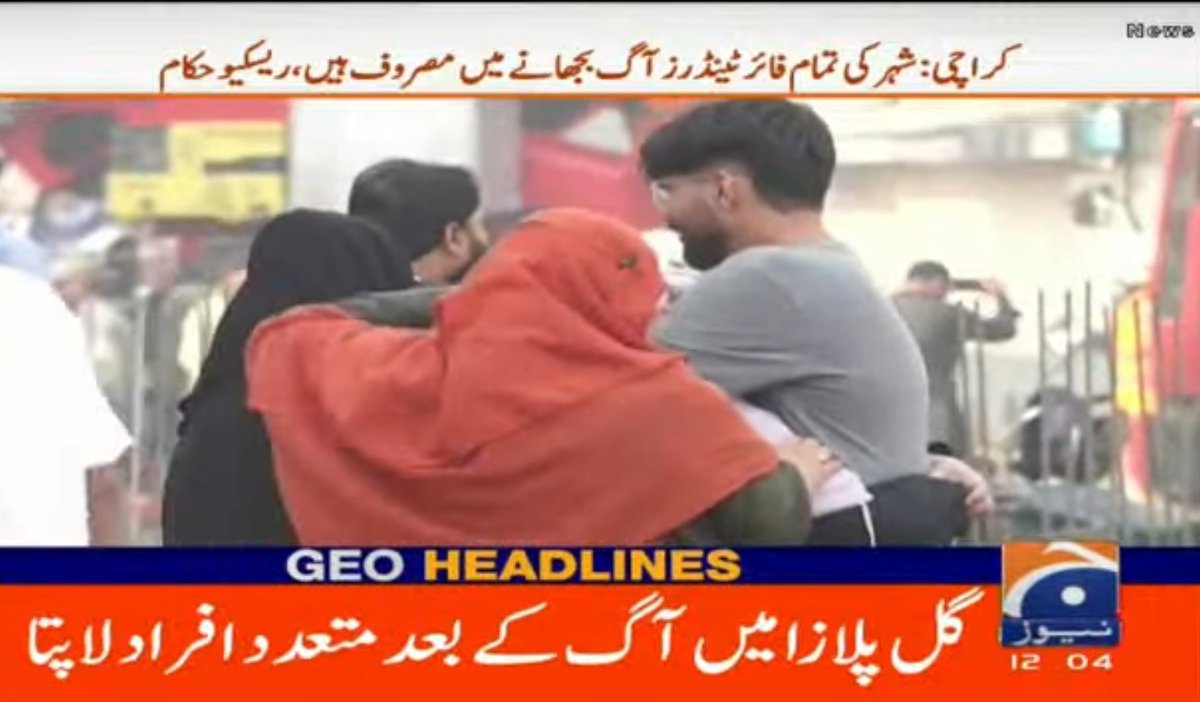
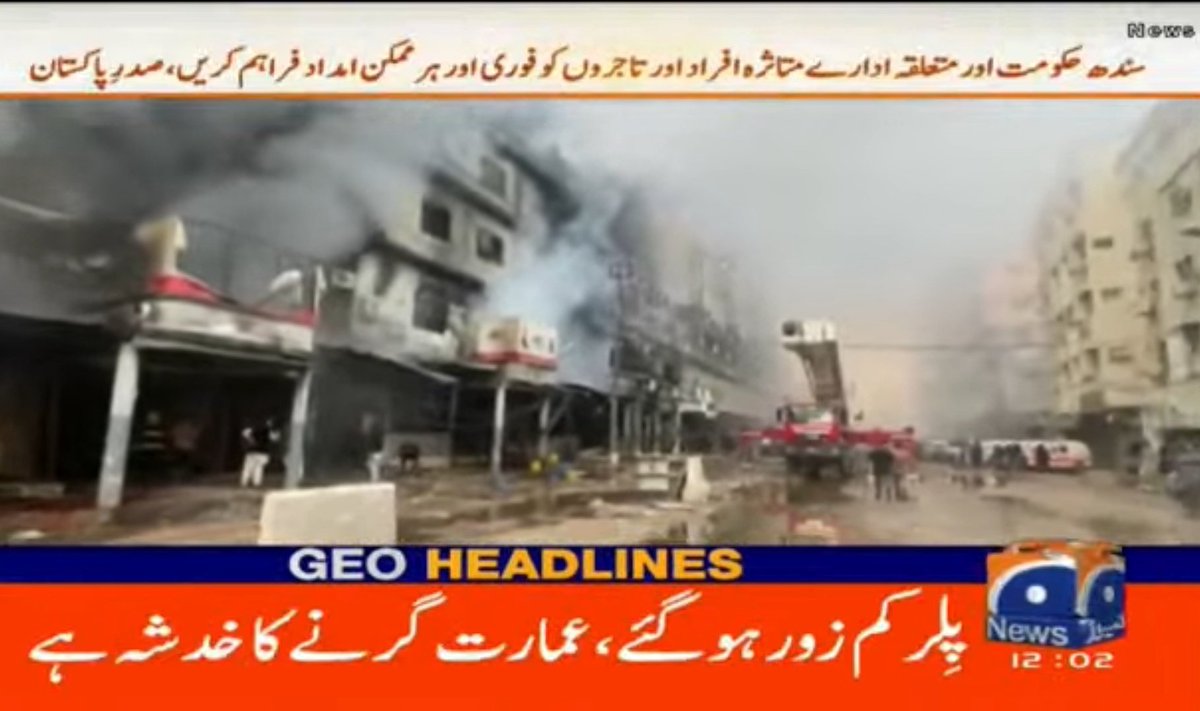
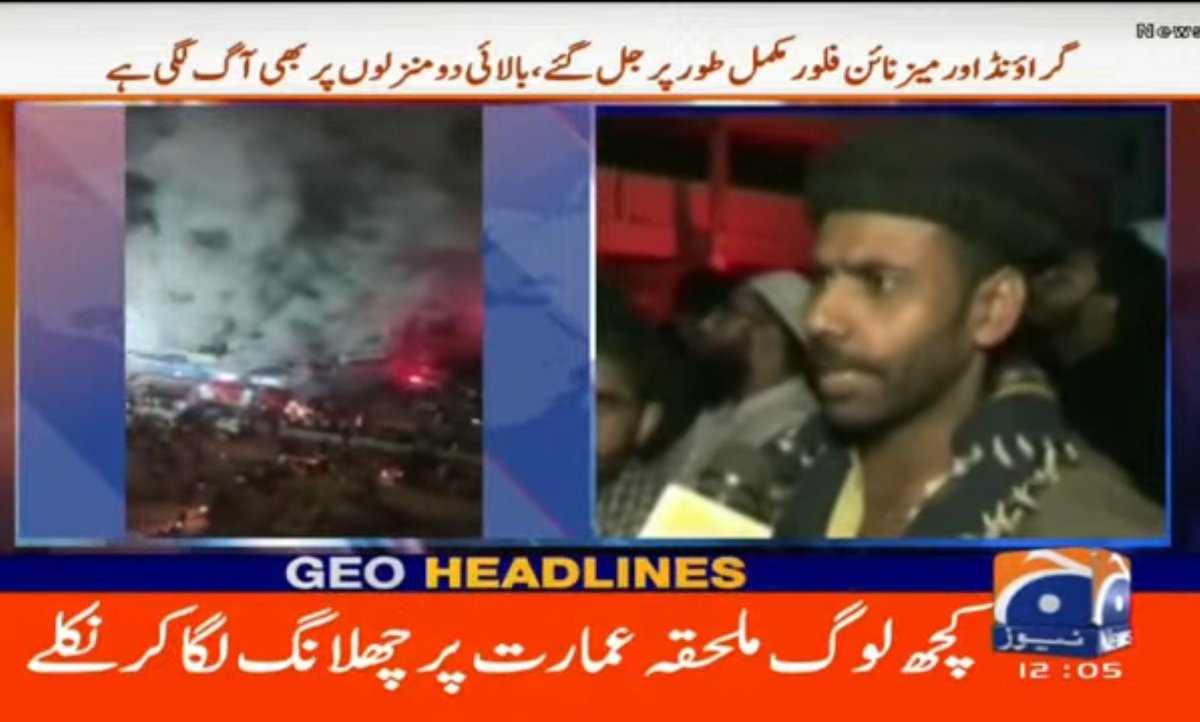
Today's fire at Gul Plaza in Karachi has once again starkly revealed the bitter truth that this city is not plagued by accidents, but by persistent neglect. Flames soared high, fear spread, the earnings of hard labor turned to ashes in 1 night. 🇵🇰🔥💔🥺
#GulPlazaFire#GulPlaza
Shattered to see what happened at Gul Plaza. This isn’t just a random market, anyone who lives in Karachi knows what Gul Plaza means. It is one of the city's biggest wholesale and retail hubs, dealing in home decor, toys, luggage, crockery, appliances and electronics worth millions. Today, shopkeepers are standing outside watching their life’s work burn, and once again, no proper emergency response, no timely rescue.
This is the same Karachi that generates the highest revenue for this country, yet when it cries for help, no one listens. We only react, we never act. Had effective measures been taken years ago, perhaps this tragedy could have been avoided. But nothing changed then, and nothing will change now.
For years, it has been said that Karachi has been made ungovernable and today feels like another cruel reminder of that.
The Oligarchs Who Ate Pakistan
From PIA and Steel Mills to banks, power, media and land, how the same families captured everything
If you really want to understand who runs Pakistan, it is not enough to look at who sits in cabinet or who appears on talk shows. You have to follow the money. Over the past few weeks two things have laid the truth bare. One is the IMF’s new report, which quietly admits that a small circle of “privileged entities” is draining away up to six and a half percent of our GDP every single year. The other is the so called sale of PIA that the government has been celebrating on television.
On paper the PIA story looks like a win. A consortium led by Arif Habib has won a televised auction for 75 percent of the national airline with a bid of 135 billion rupees. Officials and friendly anchors are calling it a landmark reform, proof that Pakistan can finally get rid of “loss making” state companies. Many headlines repeat the same line. PIA sold for Rs135 billion after competitive bidding.
When you look at the structure of the deal, the 135 billion rupee figure starts to fall apart. In any normal privatisation there are two separate numbers. One is the price the buyer pays the government for the shares. The other is the money the buyer then chooses to invest into the company it has just acquired. Here those two things have been lumped together and advertised as if they are the same.
Only a very small slice of the 135 billion rupees actually goes to the state. Roughly 10 billion rupees is the equity cheque the government will receive in exchange for handing over 75 percent of PIA. The remaining 125 billion rupees is money the new owners will put into PIA itself for new planes, working capital and balance sheet repairs. Once they own the airline, that money belongs to them. It increases the value of their own asset. It does not compensate the public for decades of mismanagement or for the billions poured into PIA over the years.
At the same time most of PIA’s old debt has been shifted into a separate holding company. That vehicle is still on the state’s books. Ordinary Pakistanis will continue to service that old debt through their taxes, through higher prices and through cuts to other spending. So what does the deal really do? It gives majority control of a cleaned up airline to an already powerful group, for a relatively tiny payment to the treasury, while the public keeps the bad loans.
That is the first reason this sale matters. It exposes the formula that has been quietly used again and again. Losses are socialised. Profits and future upside are privatised.
The second reason is that PIA is not an isolated case. It sits inside a pattern that stretches across almost every strategic sector.
Take Pakistan Steel Mills. This was once a symbol of industrial ambition. Built with Soviet assistance on the outskirts of Karachi, it produced over a million tonnes of steel in good years. When the government tried to sell it cheaply in 2006, the Supreme Court blocked the transaction. After that, the mill was never really allowed to recover. Gas supply was reduced and eventually cut. Production fell to zero. Recruitment continued on political grounds even as losses piled up.
In 2024 the government finally declared that PSM would be closed and that its land would be “repurposed.” Today officials and investors speak openly about using that land for new industrial zones and export projects. The workers have been pushed out. The location and the infrastructure remain. Once again the message is the same. If an asset cannot be grabbed outright at a bargain price, it can be run into the ground and cleared out to make room for something new under different ownership.
Look at the banking sector. A small group of conglomerates controls most of the big private banks. That means they decide who gets loans and on what terms. If you are part of that club, capital is available. If you are not, you stay small or you never get started.
Look at electricity. Private power producers, many of them connected to the same families, sit on long term contracts that guarantee them “capacity payments” even when their plants are producing more power than the system needs. The result is a huge circular debt, power bills that crush households and small businesses and a flow of guaranteed money to a few producers who carry far less risk than they should.
Look at exports. Textiles are the backbone of Pakistan’s foreign earnings. Here again a handful of groups sit at the centre. They own spinning mills, weaving units, garment factories, banks, insurance companies and real estate. Their control over dollars earned and dollars held gives them leverage over macroeconomic policy itself in a country that constantly runs short of foreign exchange.
Look at the media. Many of the biggest television channels and newspapers are embedded inside wider business empires. They sell toothpaste, run ISP networks, operate fast food franchises, manufacture packaging and more. When those same outlets cover privatisations or IMF programmes, they do so from within that web of interests. Some topics become taboo. Some angles are softened. Government advertising money is used to reward friendly coverage and punish dissent. The public rarely gets a clear explanation of who benefits and who pays.
Then look at the military’s commercial footprint. Housing schemes in every major city. Fertiliser plants, cement factories, cereal brands, banks, power projects. Officially these are “welfare” organisations. In reality they are some of the largest business players in the country, enjoying privileged access to land and contracts and enjoying a level of protection from scrutiny that no private firm can dream of.
Set all of this beside the IMF’s estimate that elite capture and governance failures are costing Pakistan five to six and a half percent of GDP a year. It becomes very hard to keep pretending that we are dealing with random bad luck. The PIA sale and the slow killing of Pakistan Steel Mills are not accidents that happened in a vacuum. They are what happens when a system is designed to protect the incomes of a narrow class and to send the bill to everyone else.
That is why PIA is such a powerful symbol right now. For older Pakistanis it carries memories of a time when the country could run a serious airline, one that trained Emirates and opened routes to China. For younger Pakistanis it has become a byword for dysfunction. In the space of a few days it has also become a live example of how “reform” is used to finish a job that politics and patronage began.
You are being told that PIA was sold for 135 billion rupees. You are not being told that only about 10 billion of that reaches the treasury. You are being told that decades of bleeding the airline are finally over. You are not being told that the old debts will still sit on the public’s shoulders. You are being told that private ownership will make everything efficient. You are not being asked whether it matters that the new owners are not some neutral outside investor but one more node in the same small network that already dominates finance, industry and media.
“The Oligarchs Who Ate Pakistan” is not just a provocative title. It is a description of how the country is being run. They ate PIA and left the bones. They starved Steel Mills and kept the land. They sit in the boardrooms that decide who gets loans, who gets contracts and who gets bailed out. They shape the power contracts that show up in your monthly bill. They own many of the microphones that tell you there was “no alternative.”
There are alternatives. Other countries with state airlines, utilities and mills manage them without turning them into personal piggy banks. Pakistan itself did so in earlier decades. The point of laying all this out is not to induce despair but to clear away excuses. Once you see who has been eating and at whose expense, it becomes harder for anyone to sell the next PIA or the next Steel Mills as an act of national salvation.
Research article available below👇
🇦🇫 – Afghan Tajik poet Naijb Barwar says: "They don't accept Durand Line as it separates them from Pashtuns on the other side. We too are separated from Tajikistan, but Pashtuns call that area border. Why is what separates us [Tajiks] a border, but what separates Pashtuns a line?
Police brutality against TLP is tragic reminder of the nature of Pakistani state! But one wonders why TLP - a militant outfit created & controlled by Pakistani Army - has suddenly decided to march towards US Embassy when they remained silent on Gaza for two years? Is someone using TLP to send message to Trump that look how difficult it is to recognize Israel? https://t.co/Y4xsYXlSRg
Israel has arrested Senator Mushtaq.
Thank you Senator, for doing what many of us couldn’t. Thank you for your struggle and for silencing those who mocked you.
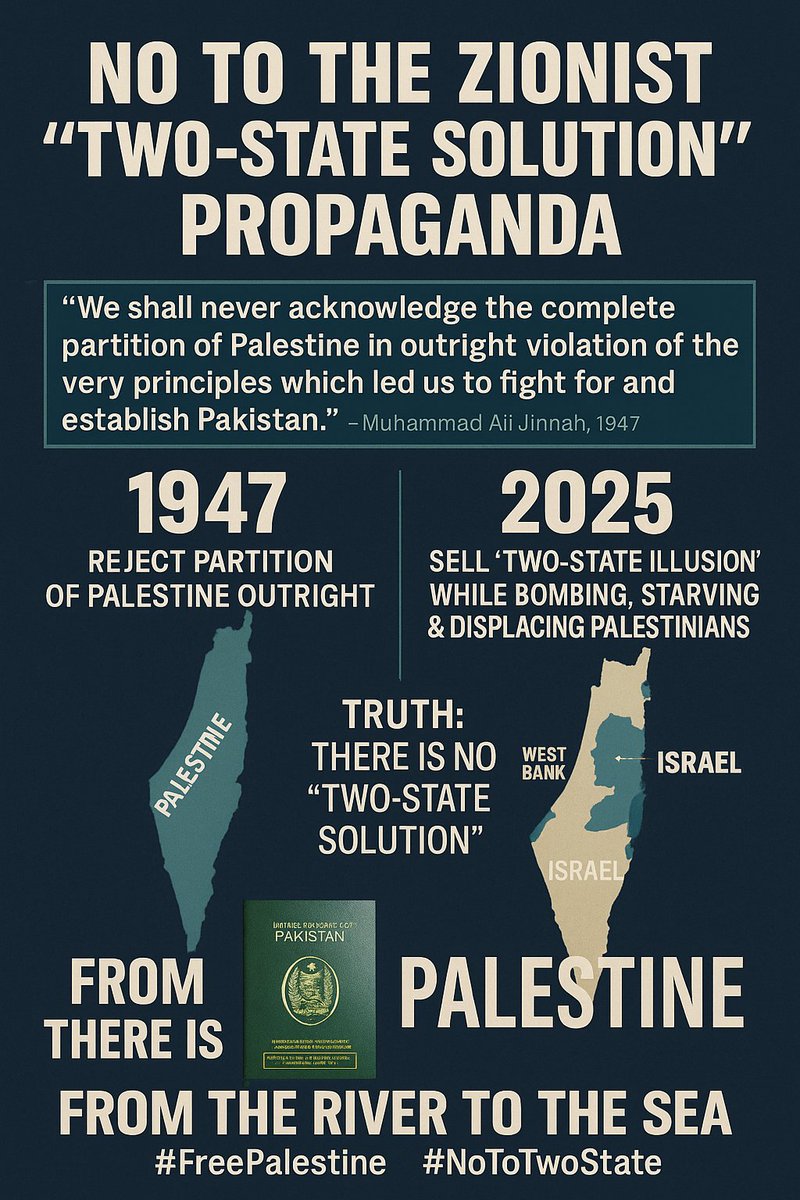
🚨 NO to the Zionist “Two-State Solution” Propaganda 🚨
This isn’t peace, it’s partition by deception ⛔
⚠️ 1947: Quaid-e-Azam rejected partition of Palestine outright.
⚠️ 1948–2025: Every inch stolen, every ceasefire broken.
⚠️ Today: They sell a “two-state” illusion to secure Greater Israel while Palestinians are bombed, starved & displaced.
👉 Truth: There is NO “two-state solution.”
There is only ONE Palestine 🇵🇸 from the river to the sea.
#FreePalestine #NoToTwoState #ZionismExposed
Politicians are corrupt, yes. But so is the shopkeeper who cheats on weight, the student who cheats on exams, and the uncle who calls a “source” to skip a queue.
1. Who are you to decide the fate of the Palestinians.
2. Who are you to support Trumps’ 20 point agenda when you know that 13 out of 20 points are not acceptable to the Palestinians and never will be.
3. Tony Blair as the Governor of Palestine ? The butcher of Iraq.
4. A Palestine with no right to self defence ? No army. No navy. No Airforce. And not even their own police.
Have you even read the 20 points of Trump or you just agreed to it out of slavery.
Love how Mike Hesson gets animated as a coach.
Tells you how much this job means to him.
It would be Pakistan cricket's loss if he is not retained till the end of the 2027 ODI World Cup in South Africa.
@ahsanzawar Hesson is a very good white ball coach. You gotta bear in mind the lack of talent depth and skillset issue while judging him. He may well made a mistake or two but gives a clear plan on field and then up to players to execute [ i.e Rauf didn't in this game ].
This is what I hate the most, a player thinks he should be having his own moment by hitting stumps, he doesn’t care about game plan. 18th over is example, a player like Dube can never hit wide line Yorker but he went for glory and ended up with full toss.
Haris Rauf conceded 50 runs in 3.4 overs...
And rest of the bowlers conceded 100 runs in 16 overs...
That's where Pakistan lost the game
#PAKvsIND Asia Cup 2025
Whilst Fakhar played slow, its unfair to put any blame on him for that approach. He was the only capable batter left after Farhan and he knew that if he got out there will be a batting collapse.
However, the run rate was an issue.
The middle order is the culprit.
#PAKvsIND




![NRFForum's tweet photo. 🇦🇫 – Afghan Tajik poet Naijb Barwar says: "They don't accept Durand Line as it separates them from Pashtuns on the other side. We too are separated from Tajikistan, but Pashtuns call that area border. Why is what separates us [Tajiks] a border, but what separates Pashtuns a line? https://t.co/eFz8T3lyNg](https://pbs.twimg.com/media/G3t1_bjXIAMwnqS.jpg)





![NRFForum's tweet photo. 🇦🇫 – Afghan Tajik poet Naijb Barwar says: "They don't accept Durand Line as it separates them from Pashtuns on the other side. We too are separated from Tajikistan, but Pashtuns call that area border. Why is what separates us [Tajiks] a border, but what separates Pashtuns a line? https://t.co/eFz8T3lyNg](https://pbs.twimg.com/media/G3t1_mzXIAMMCsL.jpg)