THIS IS A REMARKABLE MOMENT IN THE CBSE OSM CONTROVERSY !!!
Sarthak Sidhant @sidhant_sarthak , one of the students who raised questions about the OSM evaluation process and tendering system, has now arrived at the Parliament House Annexe to present his findings before the Parliamentary Standing Committee on Education.
What started as students questioning blurred scans, mismatched answer sheets and evaluation irregularities has now officially reached Parliament.
Over the past few days, Sarthak and other students dug through public multiple documents, tender clauses and evaluation records while demanding answers from institutions far more powerful than themselves.
Whether anyone agrees with every allegation or not, one thing is undeniable that an investigation led by multiple students has forced a national conversation on transparency, accountability and the future of students in India.
@dpradhanbjp@cbseindia29@EduMinOfIndia
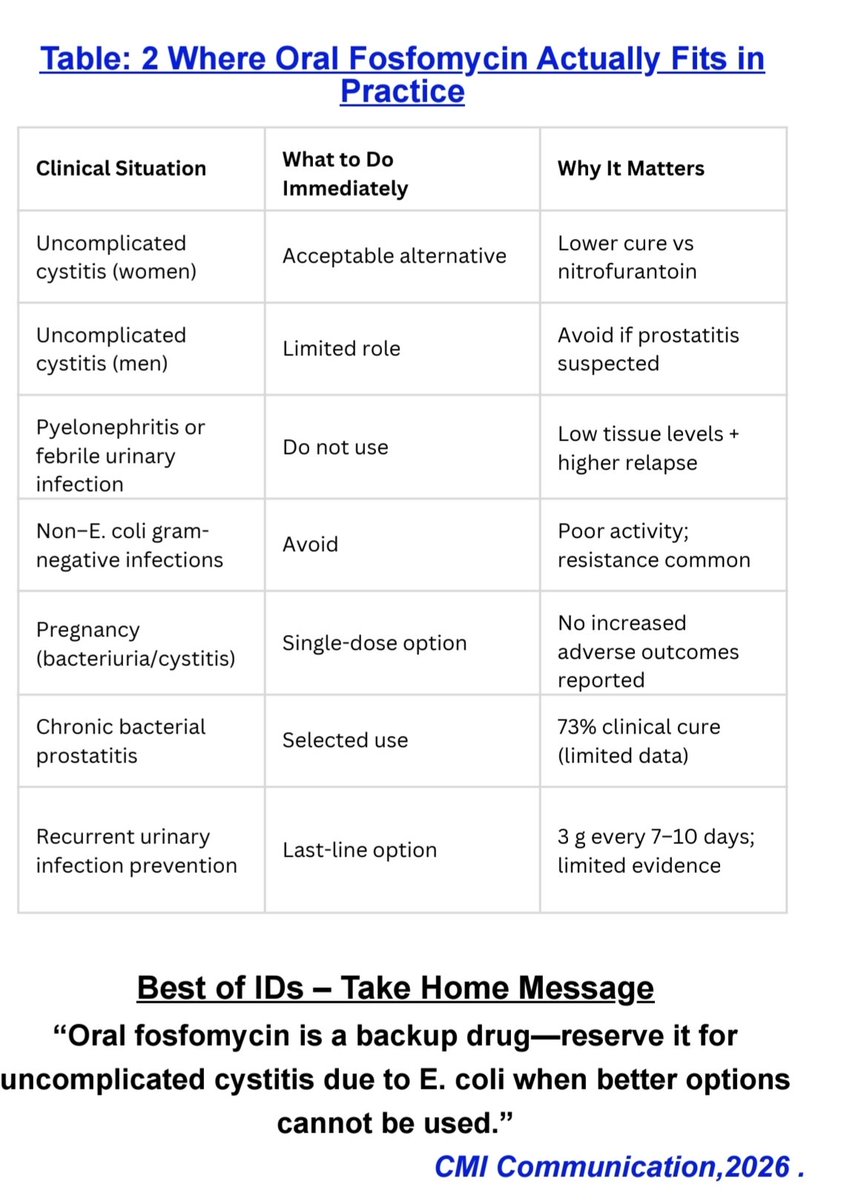
Oral Fosfomycin for UTI – Guidelines to clinicians
Useful fallback—not your frontline UTI antibiotic.
By Dr Suresh Kumar, ID consultant, Chennai
Summary:
▪️Lower eficacy vs nitrofurantoin → clinical cure 70.7% vs 82.5% in uncomplicated cystitis
▪️Use mainly when first-line agents unsuitable (allergy,resistance, interactions)
Active primarily against E. coli and Enterococcus faecalis;poor for other gram-negatives
▪️Avoid in pyelonephritis/febrile UTI → higher relapse (15% vs 4.3%)
Role limited to selected niches:
⚡uncomplicated cystitis,
⚡pregnancy, ⚡mild catheter-associated infection, ⚡prostatitis,⚡prophylaxis
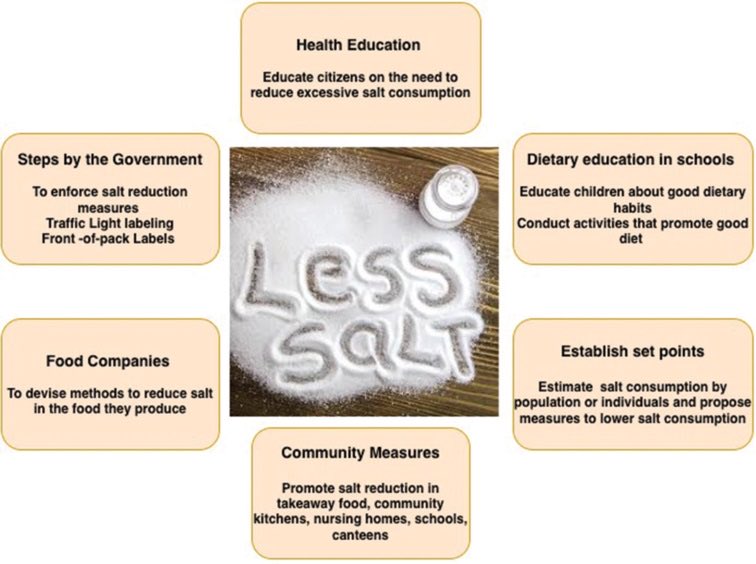
🧂Cut the salt, save kidneys & heart❤️
👤Small♻️: no extra salt, avoid processed foods, read labels, go fresh
🌍Big impact: action across schools,industry & policy
A true low-sodium movement=better BP & India’s public health
#Hypertension#Nephrology
🔗https://t.co/1tFdwYg4h1
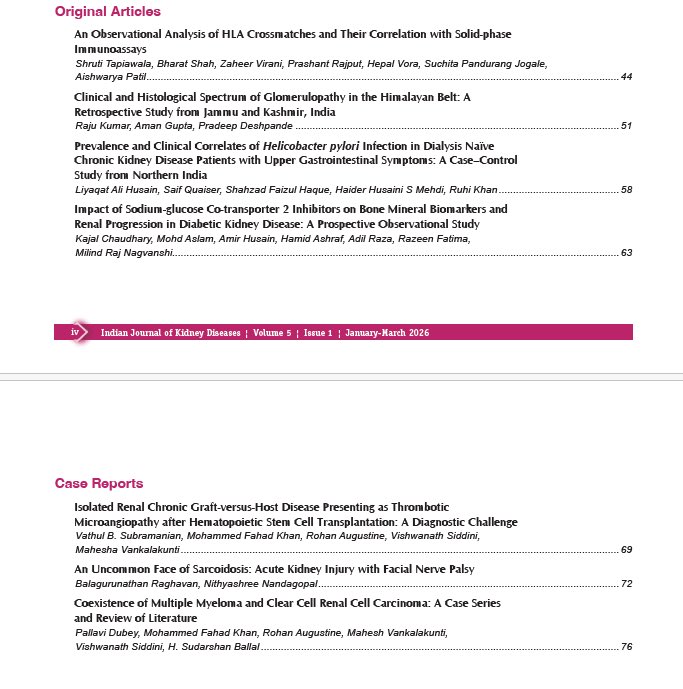
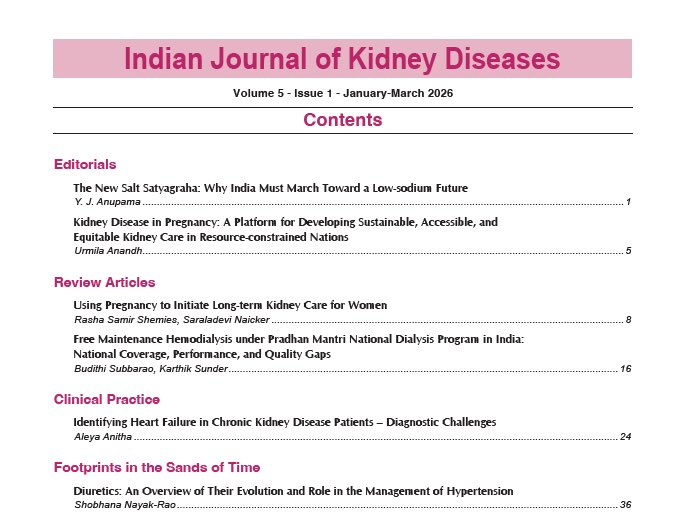
IJKD Jan- March 2026 issue is now online. Highlights
⭐️ Review article on Pregnancy and long- term kidney care
⭐️ Review on PMNDP program -National dialysis program in India
….. and more
Access at https://t.co/Li1XIpLYdF
The Obese Kidney – A Hidden Face of CKD
@JasmineNephro@medflutter_
A new entity — Fatty Kidney Disease (FKD) — has emerged to describe fat accumulation within and around the kidneys in obese and diabetic individuals, much like fatty liver disease.
This visceral and perirenal fat infiltration compresses renal structures, activates hormonal cascades, and induces inflammation and fibrosis, leading to progressive kidney injury.
🧬 Pathophysiology in Simple Words
Fat accumulation in the renal hilum and interstitium compresses blood vessels and nerves.
This mechanical pressure activates the renin–angiotensin–aldosterone system (RAAS) and sympathetic nervous system, causing sodium retention, hypertension, and renal fibrosis.
Simultaneously, lipotoxicity occurs when free fatty acids infiltrate renal cells, generating oxidative stress, mitochondrial dysfunction, and cytokine release.
Insulin resistance worsens this lipid overload and inflammation.
Fat droplets within podocytes and mesangial cells lead to glomerulomegaly, basement membrane thickening, albumin leakage, and glomerulosclerosis.
In parallel, elevated leptin levels stimulate sodium reabsorption and endothelial proliferation through TGF-β and nitric oxide pathways, culminating in renal fibrosis.
All these processes ultimately merge into chronic kidney disease (CKD) — often misclassified as diabetic or hypertensive nephropathy.
🧩 How to Recognize It
Fatty kidneys appear enlarged but structurally intact on imaging — unlike cystic or infiltrative kidneys.
They are typically seen in patients with obesity, metabolic syndrome, type 2 diabetes, or hypertension.
👉 When an obese or diabetic patient has a declining eGFR with preserved kidney size, always consider Fatty Kidney Disease.
⚕️ Management Approach
The management parallels that of metabolic syndrome and nonalcoholic fatty liver disease (NAFLD).
The cornerstone remains lifestyle therapy — including a hypocaloric diet, aerobic and resistance exercise, and sustained weight reduction.
In morbid obesity, bariatric or endoscopic metabolic surgery can reverse renal fat deposition and improve renal function.
Pharmacologic therapy targets the cardio–renal–metabolic axis:
RAAS blockers (ACE inhibitors, ARBs, aldosterone antagonists) mitigate hemodynamic and fibrotic stress.
SGLT2 inhibitors (e.g., empagliflozin) offer renal and metabolic protection.
GLP-1 receptor agonists (liraglutide, semaglutide) reduce weight, lipotoxicity, and inflammation.
Finerenone, a nonsteroidal mineralocorticoid receptor antagonist, adds antifibrotic and anti-inflammatory benefit, complementing existing CKD therapies.
💡 CME INDIA Take-Home Messages
🔹 Fatty Kidney Disease is to the kidney what NAFLD is to the liver — a reversible metabolic injury.
🔹 Suspect it when kidneys are large but renal function declines in obese or diabetic patients.
🔹 Shift the focus from creatinine correction to metabolic correction — treat obesity, insulin resistance, and hypertension together.
🔹 Early intervention through lifestyle and modern cardio-renal-metabolic drugs can halt or reverse CKD progression.
📚
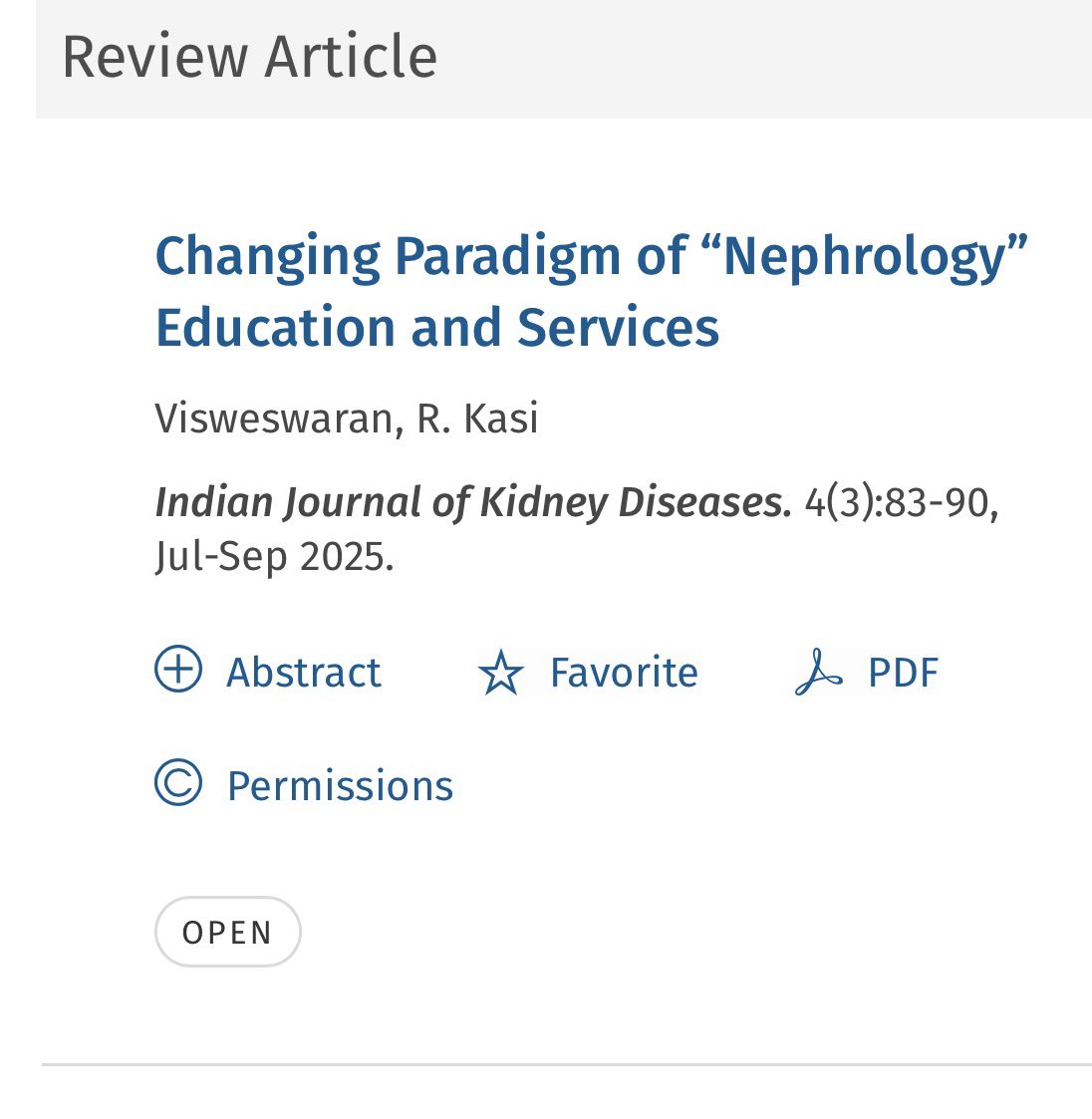
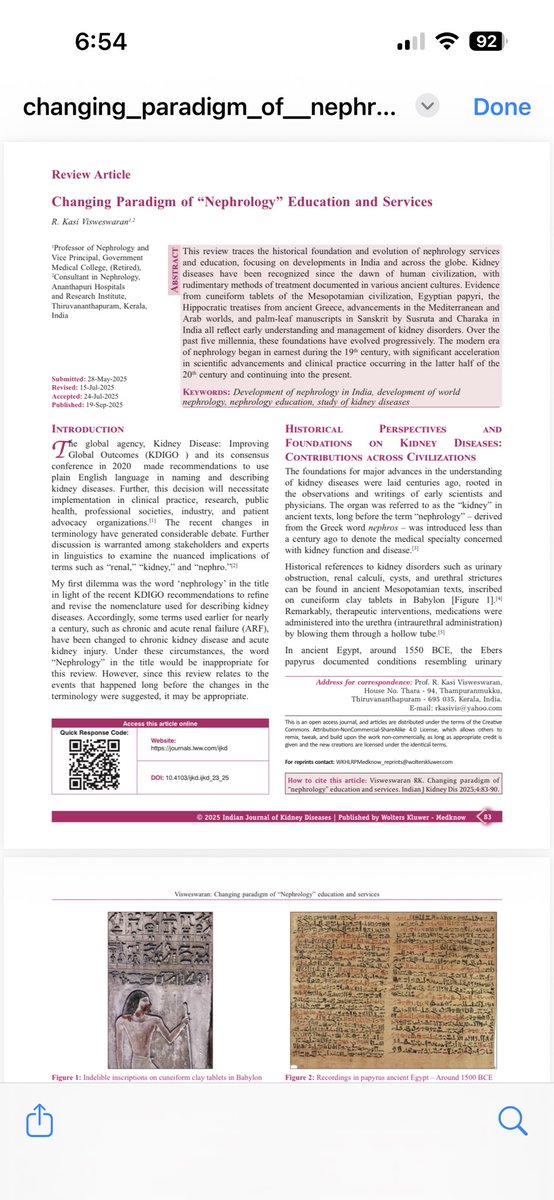
Changing paradigm of “Nephrology” services and education in India - a review by master teacher Dr Kasi Visweswaran in the current issue of IJKD @ijkdwin
https://t.co/bvolY3pskv
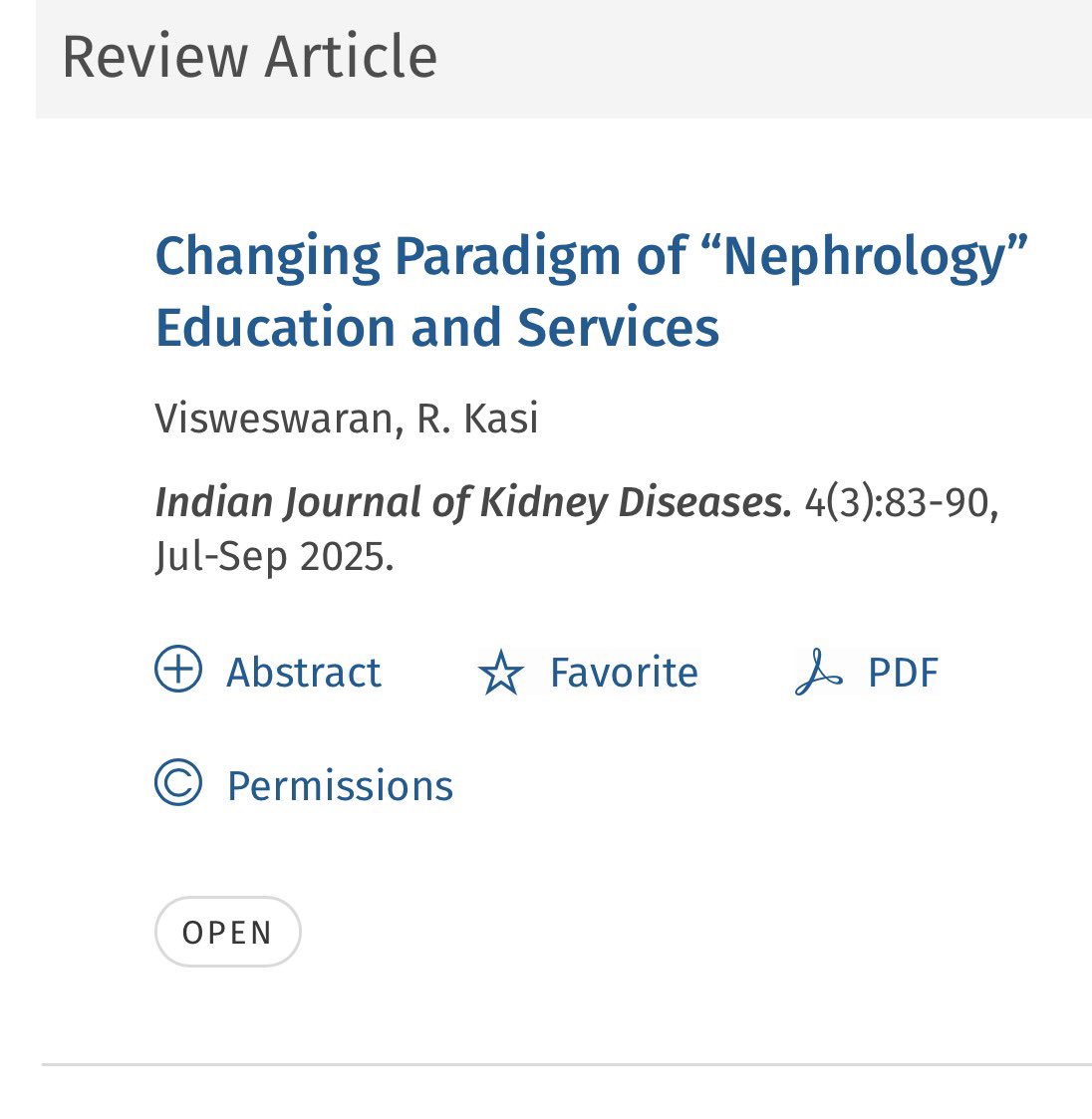
New issue alert🔥
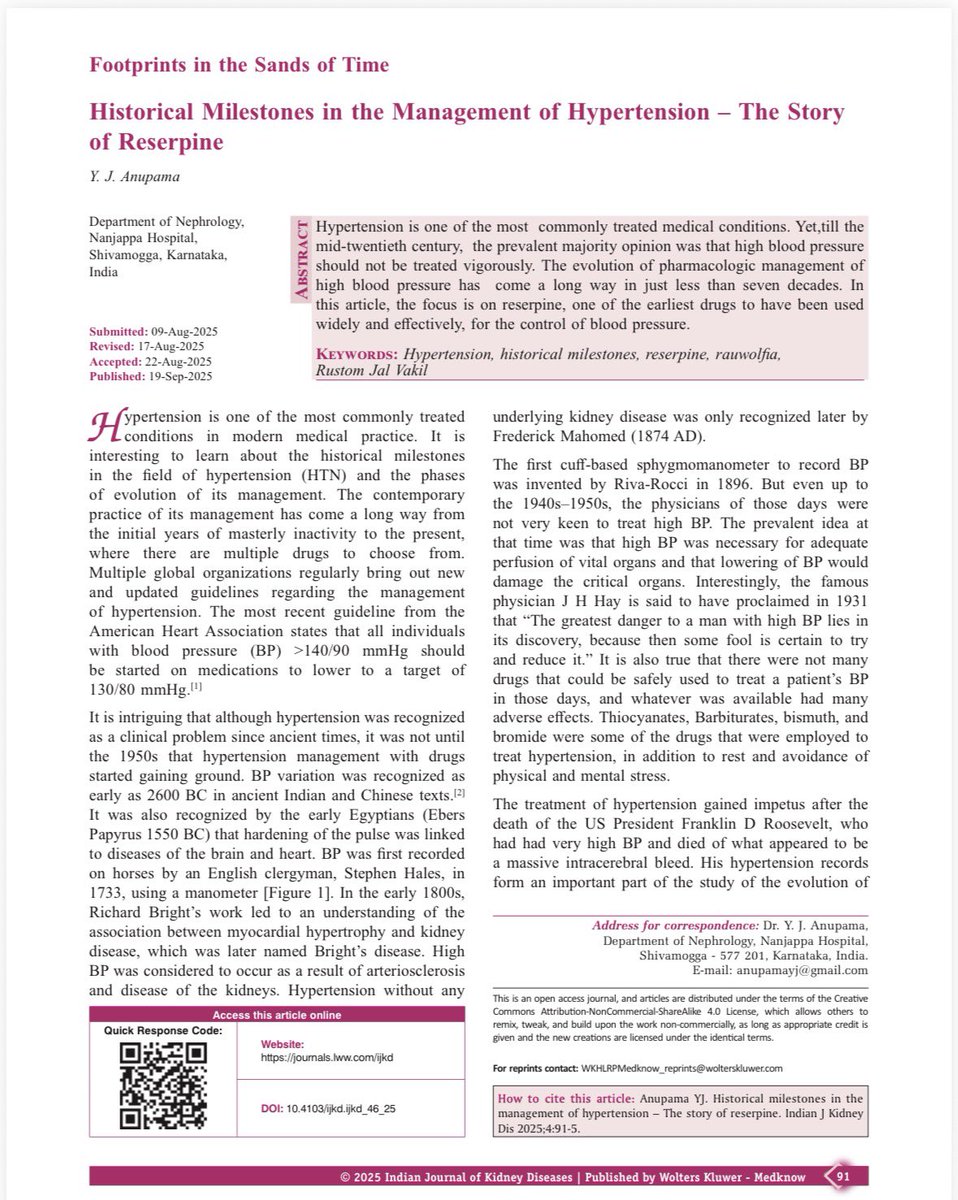
With articles on CKM syndrome, a review on changing paradigm of Nephrology education and services and a new feature on historical milestones in Nephrology.
Read on
https://t.co/6qsVmLSZaE
Great job @MoHFW_INDIA for introducing Sugarboards in all government offices. All private offices should also follow this.
It feels incredible to see our small idea, spreading into a national movement.
📝Our latest publication-Pseudo AKI in cancer
😬How to differentiate pseudo from true AKI
https://t.co/NgI8gAq1qp
@ijkdwin
🎊Congrats to my co author and @ISNkidneycare mentee @Anaghashreyas
Lower rates of successful pregnancy outcomes in pts with LN (35.9% vs. 63.5%), higher spontaneous abortion rates (64.1% vs. 32.9%). Increased occurrence of gestational hypertension (23% vs. 9.6%) & preeclampsia (7.6% vs. 0%) was observed in the LN group https://t.co/wwes0cvQt0