We’re hiring neuroscientists! Please apply if you’re interested in translational science and applying machine learning to massive EEG datasets to drive next-generation precision therapies for brain disorders like epilepsy, major depression and Alzheimer’s. https://t.co/0tFd81IkBQ
Typescript. K8s. PostgreSQL. Arrow. Julia.
Any of these tools in your wheelhouse? Let’s talk!
Are you interested in data-intensive product development, open-source tools for distributed DSP/ML, & accelerating treatments for brain diseases? Join us!
https://t.co/JN8xcKCntc
Any database (PostgreSQL) engineers out there available to consult on a project? Topics include schema optimization, index design, row-level security, and table partitioning / sharding. US/Canada only, sorry.
Attn software engineers: Come work with me @biosignals! Help speed treatment of neuro diseases by making it easier to capture, interpret, and use EEG data. It's fun, engaging, high-impact work with an insanely smart, open, and collaborative team. https://t.co/2Tfb4ZsRPS
This week, we'll look at data from Washington, D.C. Our sensors in Ward 7 have detected a decrease in weekday pedestrian traffic over the month of March, resulting in an 82% drop in weekday volumes since the first half of the month! #numinadaily#coronacount
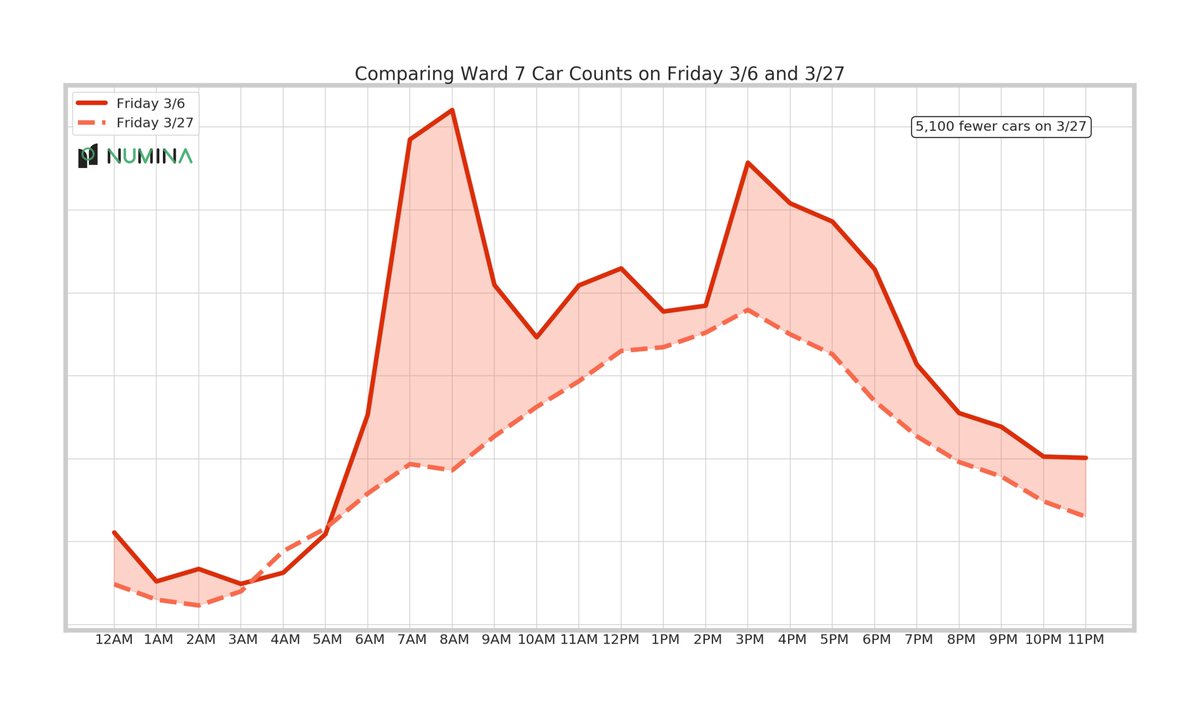
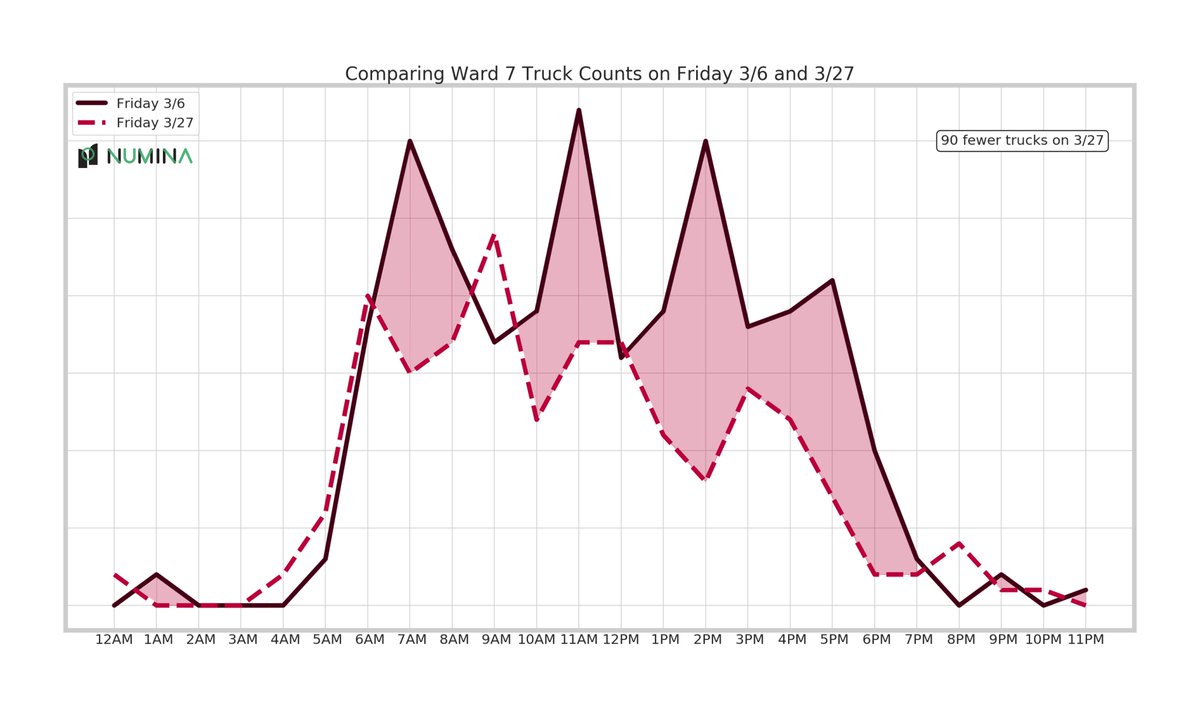
Compared to a typical Friday in Ward 7 in Washington #DC, on Fri 3/27, rush hour peaks have flattened, resulting in 2,000+ fewer peds & 5,000+ fewer cars passing a sensor. Like in #NYC, truck activity is slightly higher in the morning but lower overall. #numinadaily#coronacount
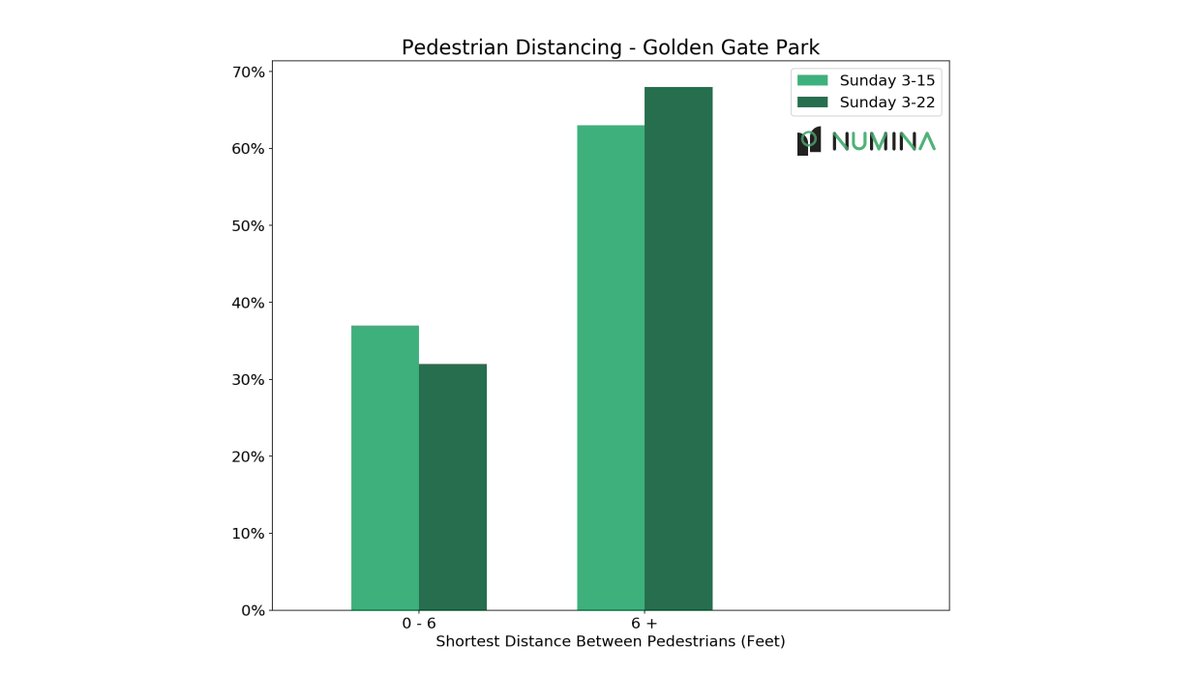
Comparing shortest distance betwn any 2 ppl at Golden Gate Park #SF before & after shelter-in-place, more are stay at least 6 ft. apart than a wk ago, though effect is still small. We'll dig into more #socialdistancing behaviors & context in coming days. #numinadaily#coronacount
Today, we're starting a tweet series with insights on the impact of #coronavirus and measures such as #socialdistancing, from Numina sensors around the world. We'll start with our own New York City. Follow #numinadaily#coronacount
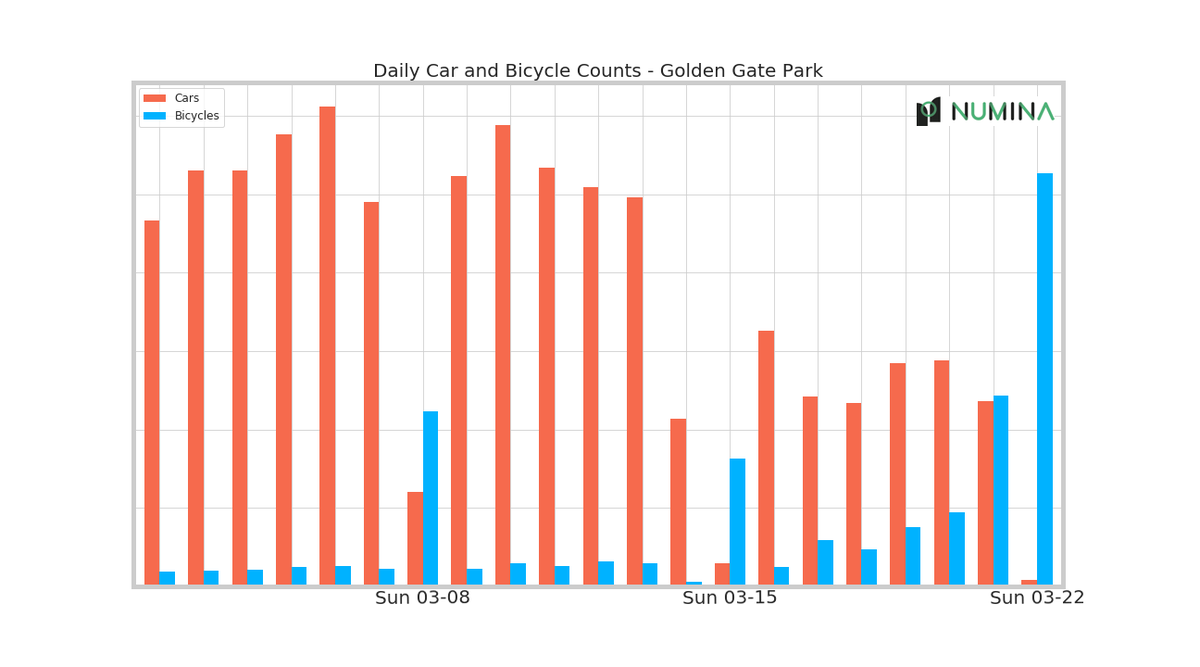
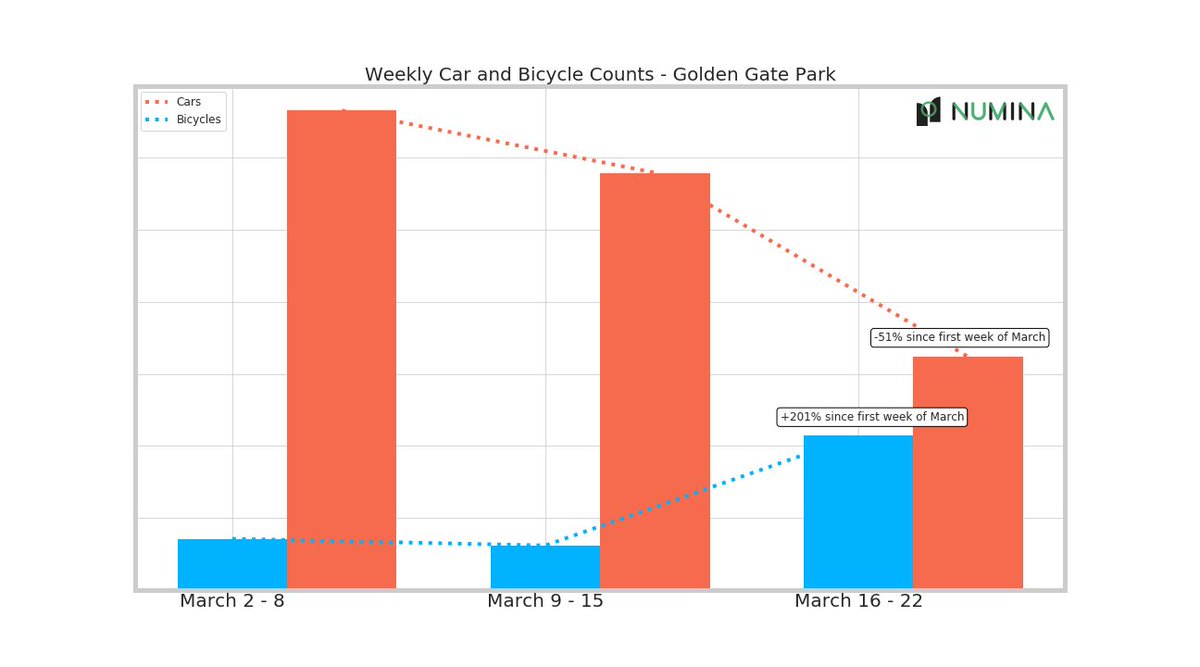
In #SF’s Golden Gate Park, car traffic has been decreasing, while non-motorized traffic has significantly increased — bicycles, shown here by day & wk, are up 200%! More space allocated to pedestrians & cyclists would support effective #socialdistancing. #numinadaily#coronacount
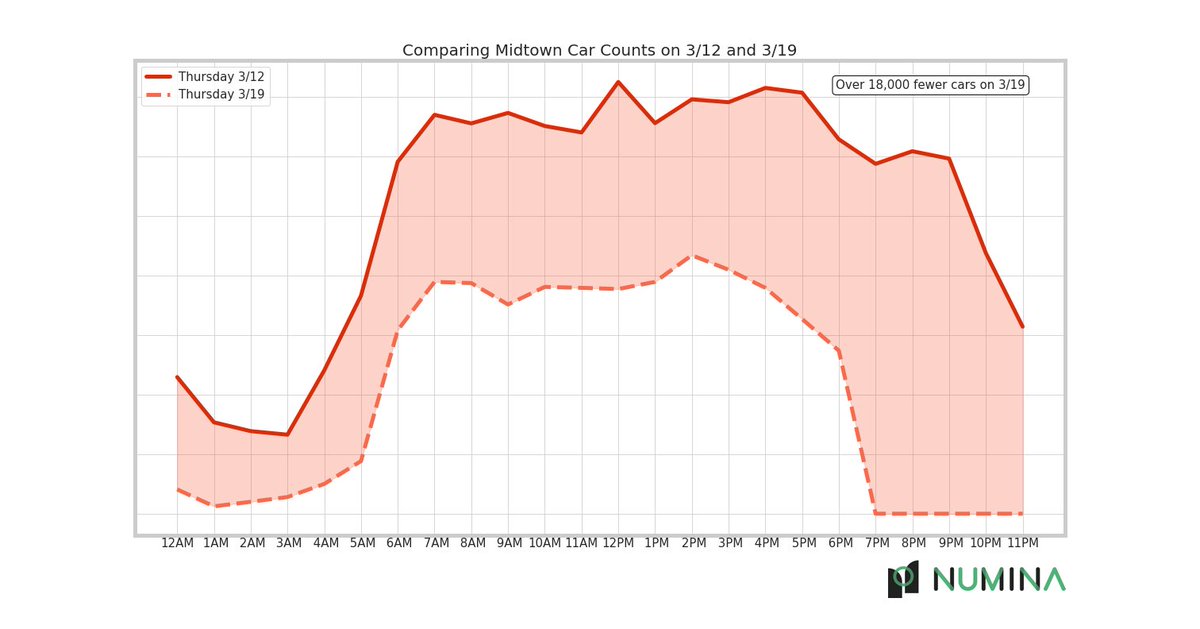
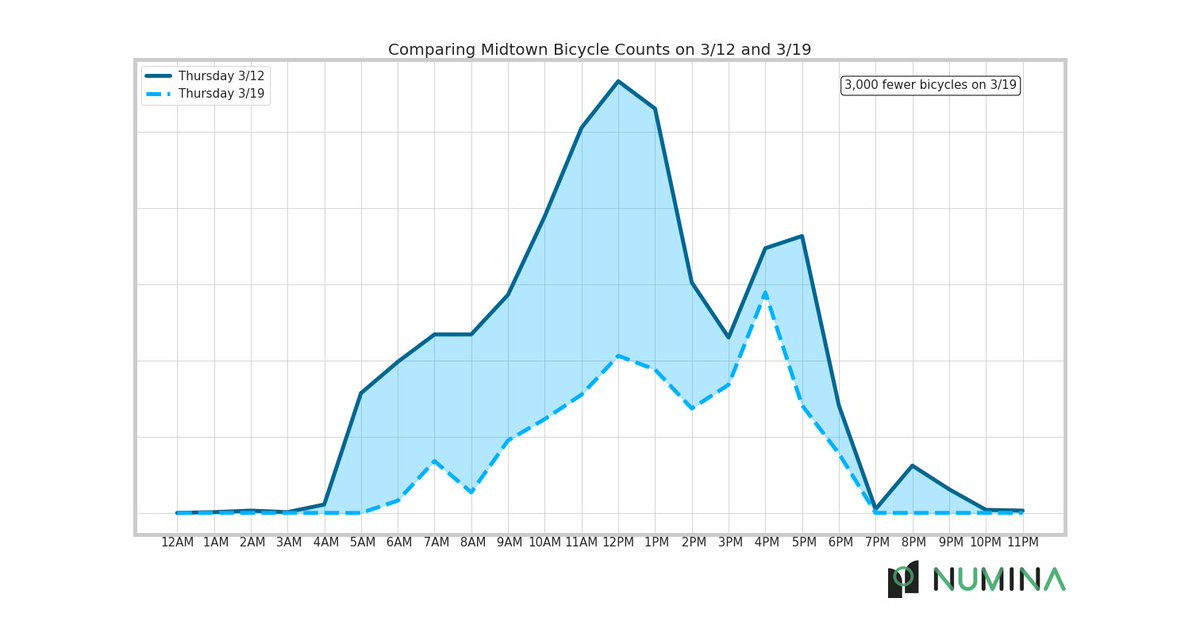
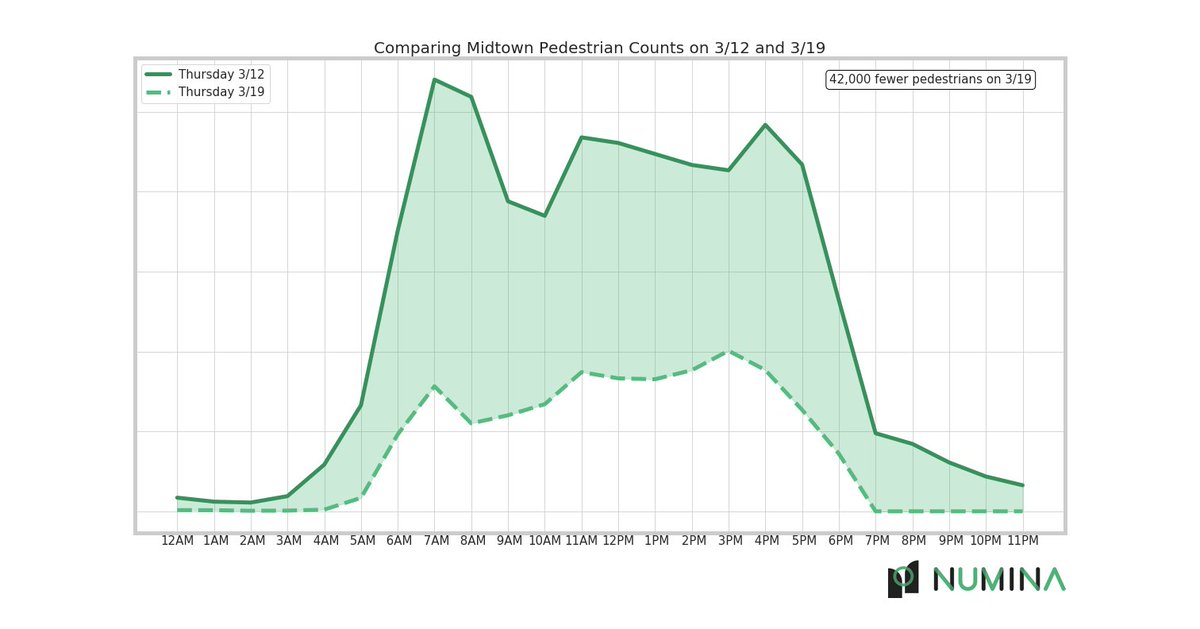
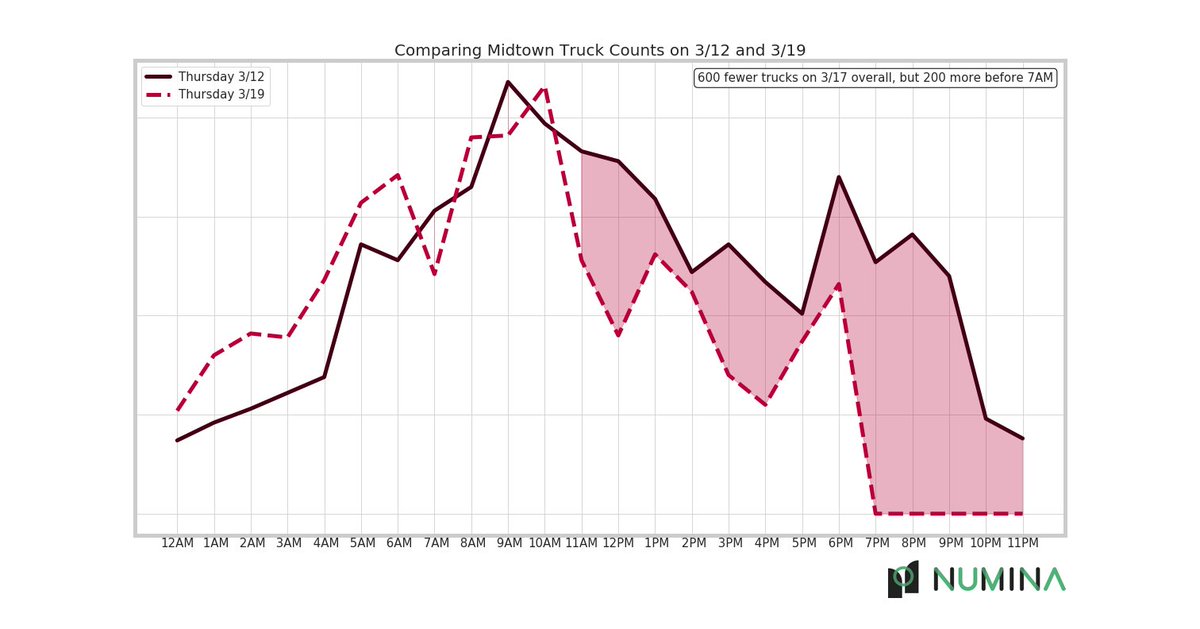
When are declines are occurring? Comparing Thurs 3/19 to 3/12 in #NYC, pedestrian & bike lunch & rush hour peaks have flattened. While overall truck volumes are smaller, there is more activity this week in AM hrs, perhaps to meet new delivery demands. #numinadaily#coronacount
Today, we're starting a tweet series with insights on the impact of #coronavirus and measures such as #socialdistancing, from Numina sensors around the world. We'll start with our own New York City. Follow #numinadaily#coronacount
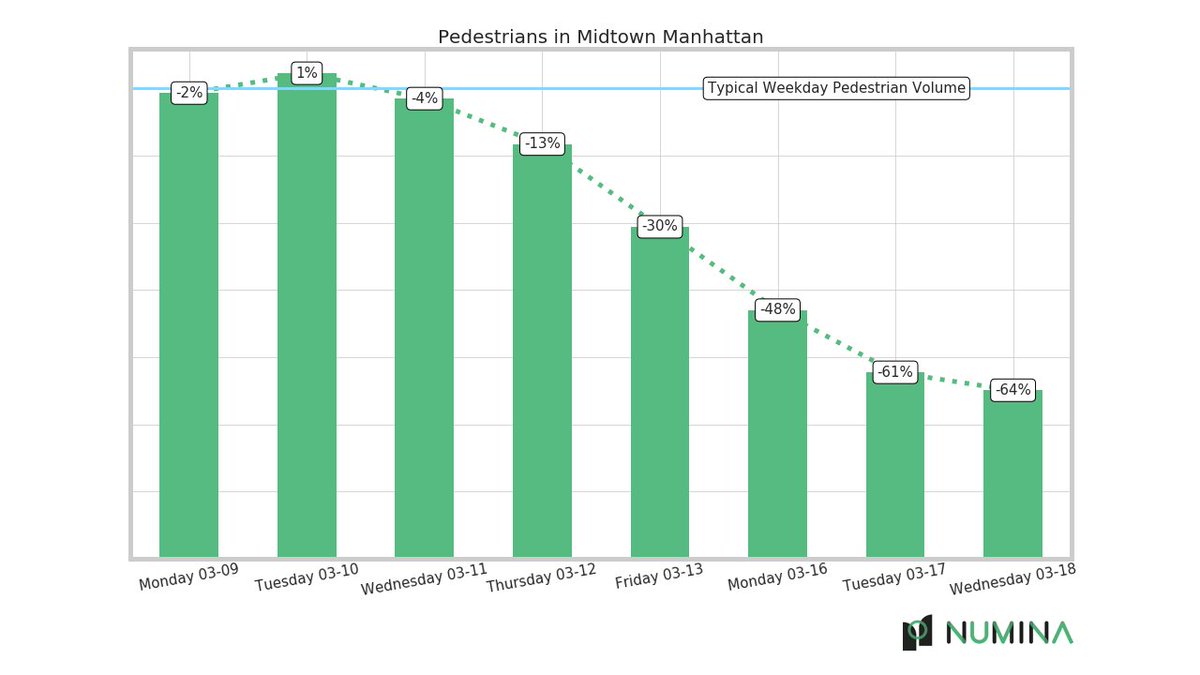
Midtown Manhattan #NYC maintained typical pedestrian traffic thru 3/11. After @NYGovCuomo announced restrictions on mass gatherings & shutdowns of institutions like #Broadway, we observed steady ⬇️ in ped volumes to now <40% of normal! #numinadaily#coronacount#socialdistancing
Good morning, Mayor de Blasio @NYCMayor. We are a local technology company who is developing a ventilator and we have a prototype ready. We’d love to help.
Even if we ignore the privacy implications of the vast expansion of surveillance cameras.. doesn't this feel like using a sledgehammer when a hammer would do?
https://t.co/iF9X2jHNlv
Learn more about using Numina's API to analyze street behaviors. @Pranav_Badami shows how we measured that pedestrians are 53.3% more likely to walk into the street when there is scaffolding present! #hackyourstreets@Visionzeronet@VisionZeroNYC https://t.co/8Aiz9nzSIy