@DrNaimbasem هذا صحيح،هؤلاءالعملاء،لايمثلون إلا أنفسهم،ولايمثلوننا،وهم زمرة مرتزقة، انفصاليةوعميلة.
الدولة الصومالية والشعب الصومالى الكبير،جميعهم مع الشعب الفلسطينى المناضل ومع المقاومين الفلسطينيين الذين يدافعون الاراضى المقدسة.الشعب الصومالى مع اقامة الدولة الفلسطينيةوعاصمتها القدس الشريف.
@هى ذكرى مذبحة الشعب فى اوغادين،حيث قامت حكومة تغراى الاستعمارية بقيادة ميلس زيناوى و جماعة عبد إلى،المرتزقة،ابادة الشعب الصومالى العزل.هؤلاءالمجرمون قتلوا المدنيين واغتصبوا الفتيات وسجنوا وهجروا وحرقوا المدن والقرى بشهادة العالم اجمع.لذلك نقول الشعب يريد العدالة وكفاية الانتظار.
@ Reer DDS,maanta waxaa Laga hadlayaa doorasho iyo qalin ku halgan,halka shalay aan ka hadlaynay qori iyo dagaal ku halgan.Hadaba,waa in aynaan ogolaan:https://t.co/JQX7uTDhkF ayna dib ugu soolaaban talada dalka Taliskii https://t.co/J8tqV99BOW aan xoojino federalka qoomiga ah.
@ridgulle Waan ka xumahay in yuhuudii alle nacdaley ee gumaadka ka wada Palestin’ ay ilaalinayaan kuwaas ceebeeyay magicii soomaalida iyo kii umadaha xorta ah.
@Guntigaab@SSTHawdReserve@AyubIsmailYusuf@AhmedMoFiqi الصراع والقتال فى أودل فى شمال غرب الصومال ليس بين قبيلتين بل بين الانفصاليين من عصابة عبد الرحمن عرو،المدعوم سابقاً من جماعة زيناوى التغراى،التى طردمن الحكم فى اثيوبيا،والان من الكيان الصهيونى المحتل وبين الرافضين من الانفصال من أبناءالإقليم والقبايل الوحدوية فى محافظة أودل.
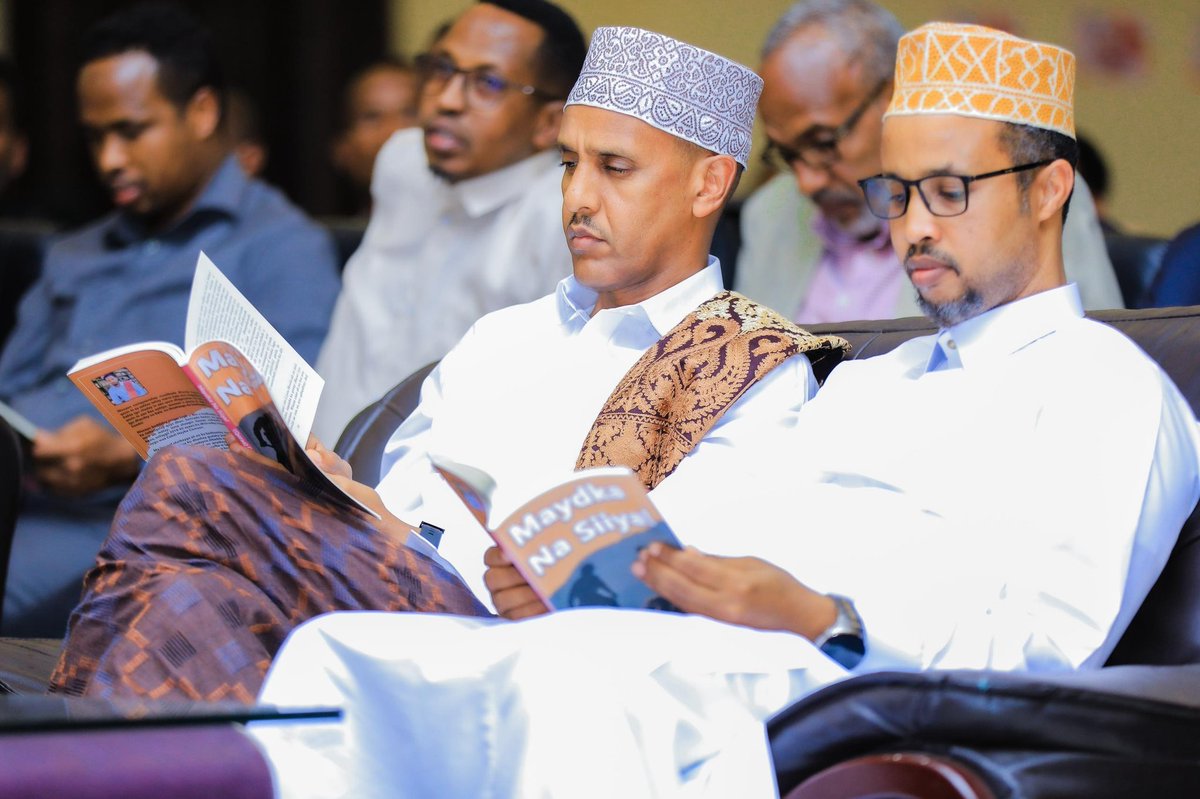
Attended the book launch of “Please Give us the Corpse” (Maydka Na Siiya), a heartrending tale of one family’s ordeal in 2015 in Somali Region, written by Abdi Haybe Osman, a young survivor who witnessed the horrific killing of his brother Mustafa Haybe, the arrest and torture of his elderly father and mother, and 24 other members of his family. Three of the brothers were beaten to death in front of their father in “Jail Ogaden”, while one died later after sustaining serious spinal cord injuries due to torture.
Abdi Haybe also writes about the confiscation of 170 camels and all the prosperities of the entire extended family, and how he, as a teenage boy, disguised himself by acquiring a different name to escape persecution.
This is by no means an isolated case. With more than 50,000 cases of serious human rights violations already documented, according to the Independent Regional Truth, Reconciliation, and Justice Commission, Abdi’s story offers a glimpse into systematic and pervasive crimes committed by TPLF and its local accomplices against the people of Somali Regional State.
It is encouraging to see victims coming out to tell their stories, which will undoubtedly help in their healing process. Equally encouraging is that the famed Somali oral tradition is thankfully giving way to a more enduring writing tradition, especially by the youth.