A log-linearization in macroeconomics is equivalent to the assumption of a flat earth in physics. You reduce dimension and iron out non-linearities, like in an ordinary Mercator map. For small deviations, like walking the dog it may be a harmless assumption, but sailors beware!
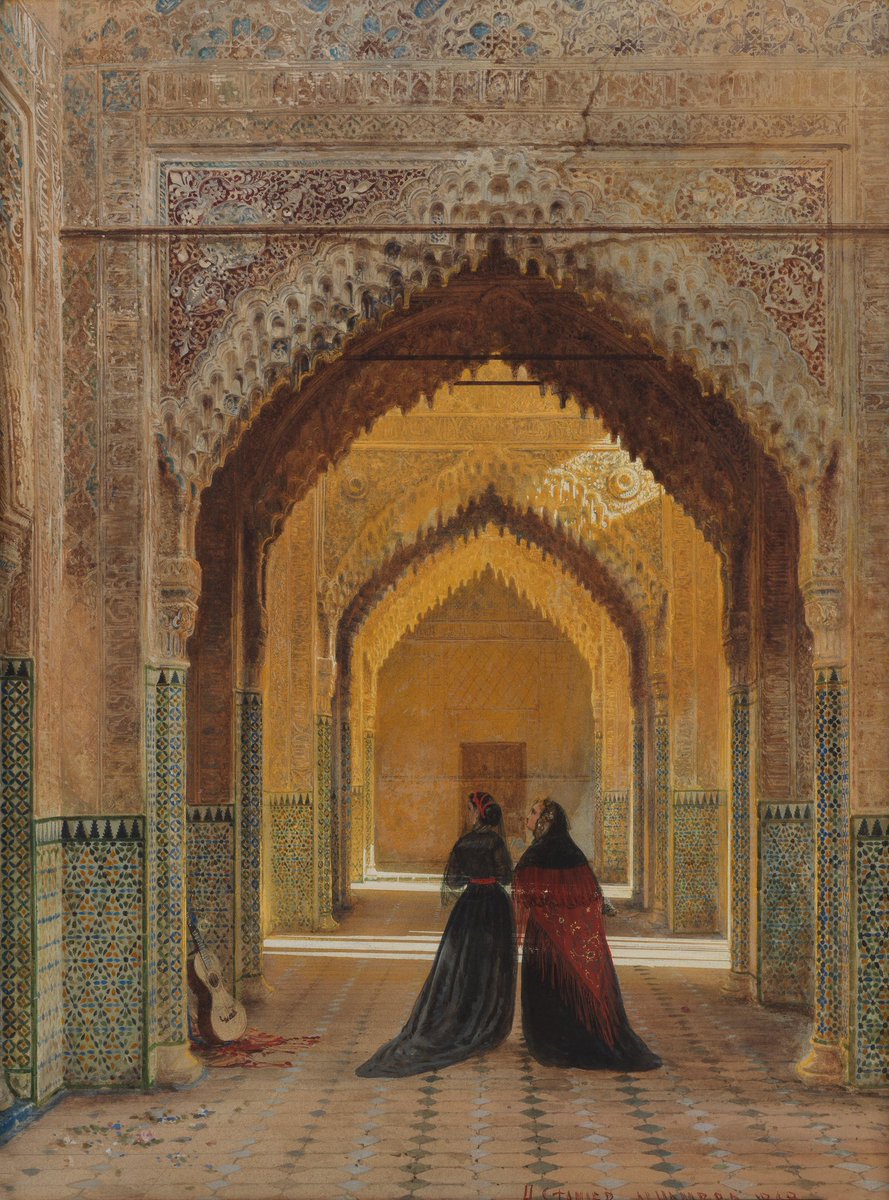
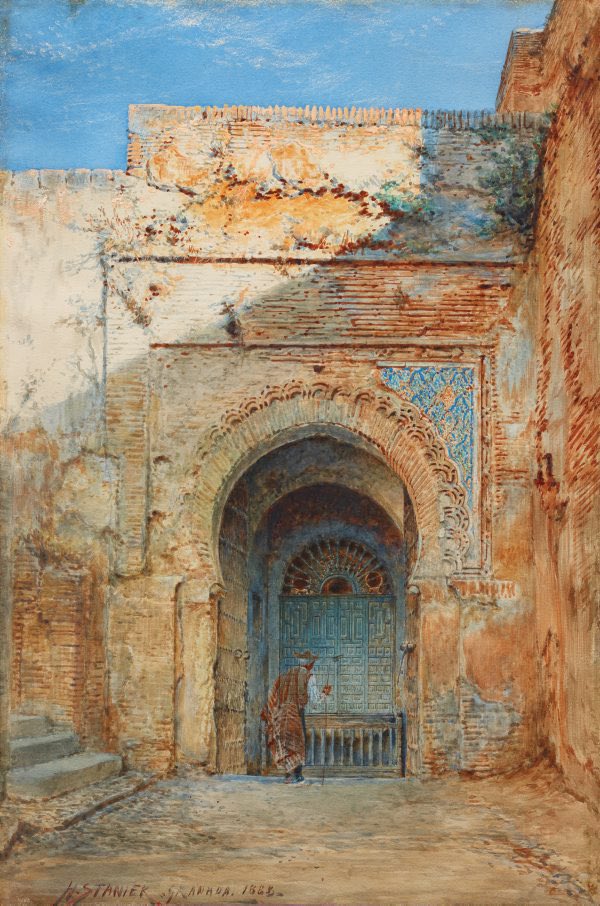
Henry Stainer fue un pintor decimonónico nacido en Birmingham. En un viaje a Granada creó cuadros de corte romántico y orientalistas que mezclaban el exotismo de la Alhambra con la cotidianidad de sus habitantes.
@47Tolkien Most accurate map I have seen. Atlantic Spain and Croatia are definitely not S.
I would stretch C to the Apennines instead of the Po. That river is no border.
It looks harsh to put north east Greece, and European Turkey with Latvia.
People dunk on overspending on clothes, but it’s legitimately one of the best things you can spend money on. $78 is two or three restaurant meals.
I’m 35 and I got a nice Patagonia fleece in HIGH SCHOOL that I still wear every week. I’m sure I’ve washed it at least 200 times.
Ironically, the very thing that has been billed as a source of freedom - the car - is in reality the source of the greatest restrictions on freedom day to day in the US today
To say nothing of the financial costs of a car, the percentage of your mortgage you pay to house it in your garage (no one calculates this, but it’s not insignificant) or on the street, and the way the built environment is degraded by their presence, but specifically the way an entire police surveillance and regulatory regime has grown up around the car. The primary - often, only - way Americans *ever* engage with the police is via the car. Think about every viral police video - a majority start with the car. You could eliminate an entire class of police interactions without the car. Then beyond that you have mass license plate tracking (this would never be accepted if it was facial recognition), the registration/inspection structure, etc
Just a massive cost burden the industry (and government in collaboration) extracts from society