Palaeontologist at The University of Queensland. Dinosaurs, crocs, evolution, biomechanics and bush foods. Just mind the Kingswood. #AncientLizardWizard
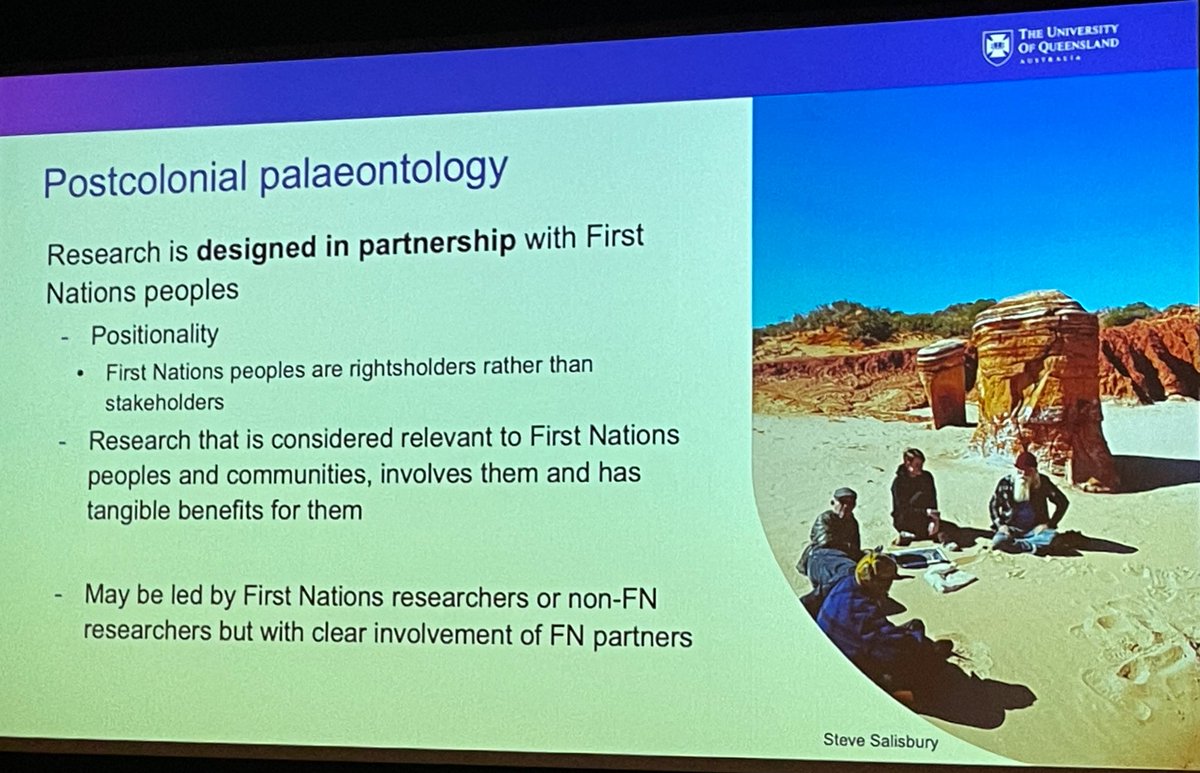
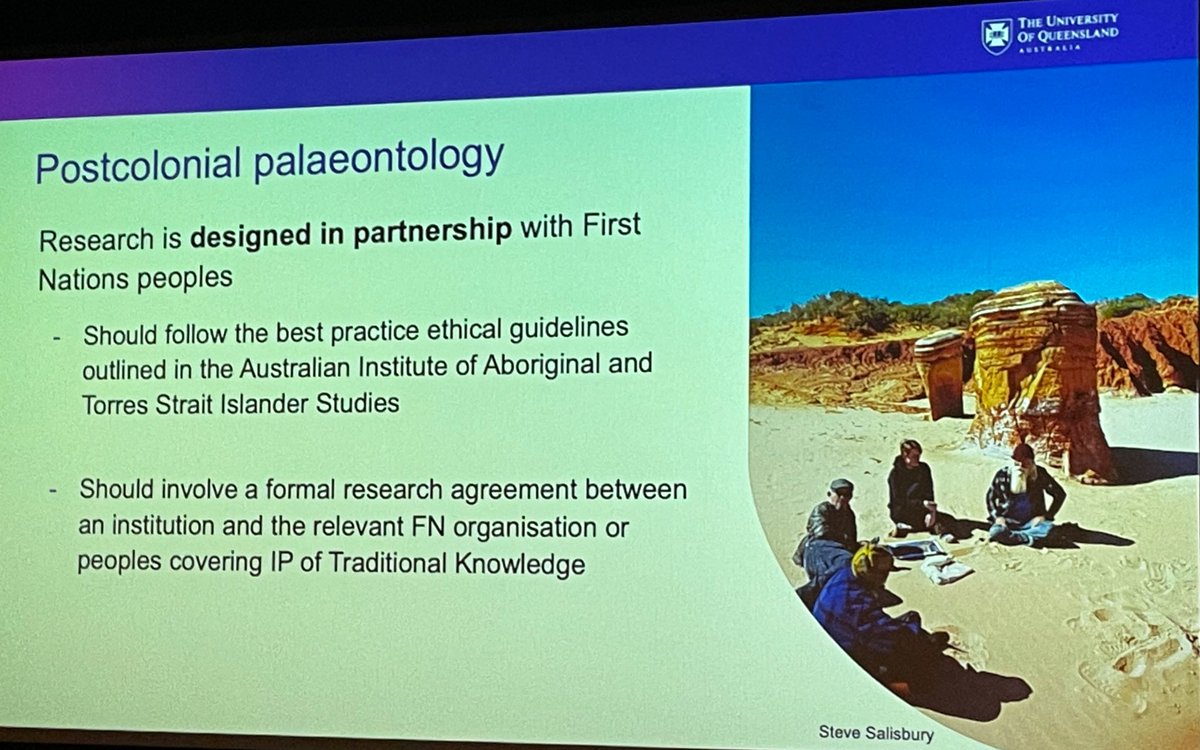
I’m glad my talk at #PDU3 has gotten people thinking about how they can better understand and respect First Nations peoples and Country. Truth-telling can be uncomfortable, but it’s part of the journey we need to be on as we move to #decolonise sciences like palaeontology.
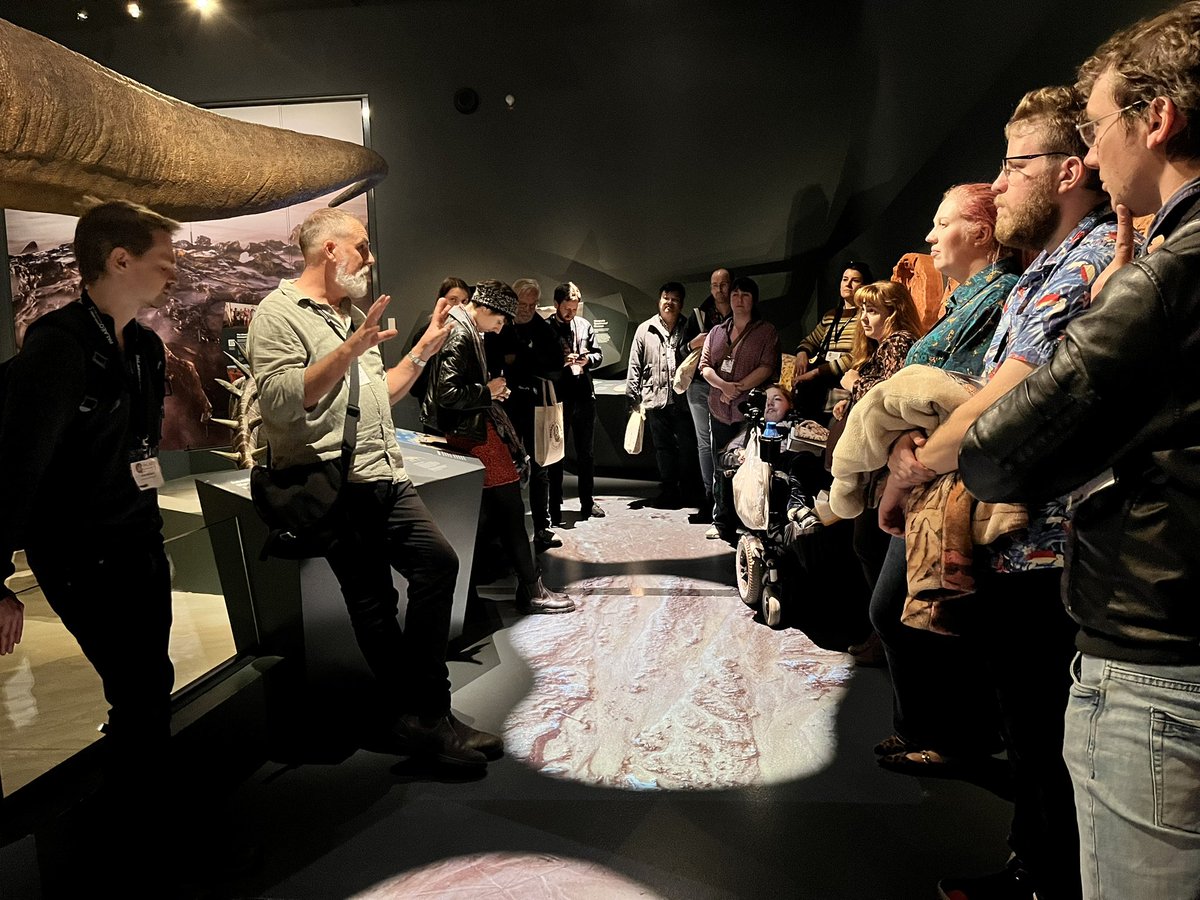
A huge impact this #PDU3 was @implexidens’ plenary. Aside from the amazing science, Steve discussed how his team works with First Nations people & orgs for best outcomes for all. An uncomfortable convo about how destructive western scientific methods can be. 1/2
Say hello to Baru iylwenpeny (the species name is pronounced ‘eel-OON-bin-yah’), a large #mekosuchine crocodylian from the Late Miocene of Australia! Paper led by Adam Yates, with @implexidens and me as co-authors.
https://t.co/9MRTvB4D2T
Full article: A new titanosaurian (Dinosauria: Sauropoda) from the Upper Cretaceous (Campanian) Quseir Formation of the Kharga Oasis, Egypt https://t.co/W8Y2SaSWeV
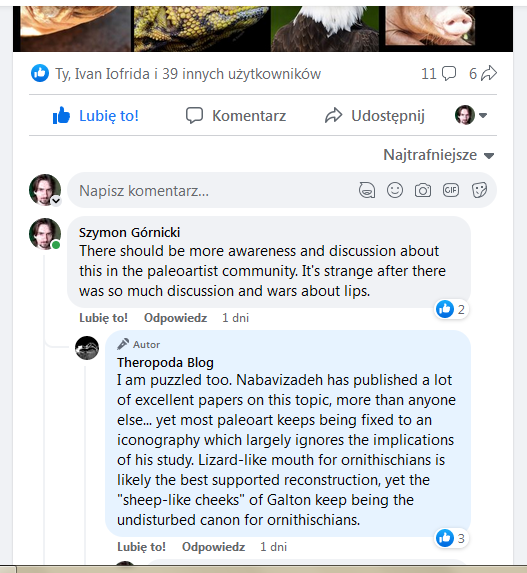
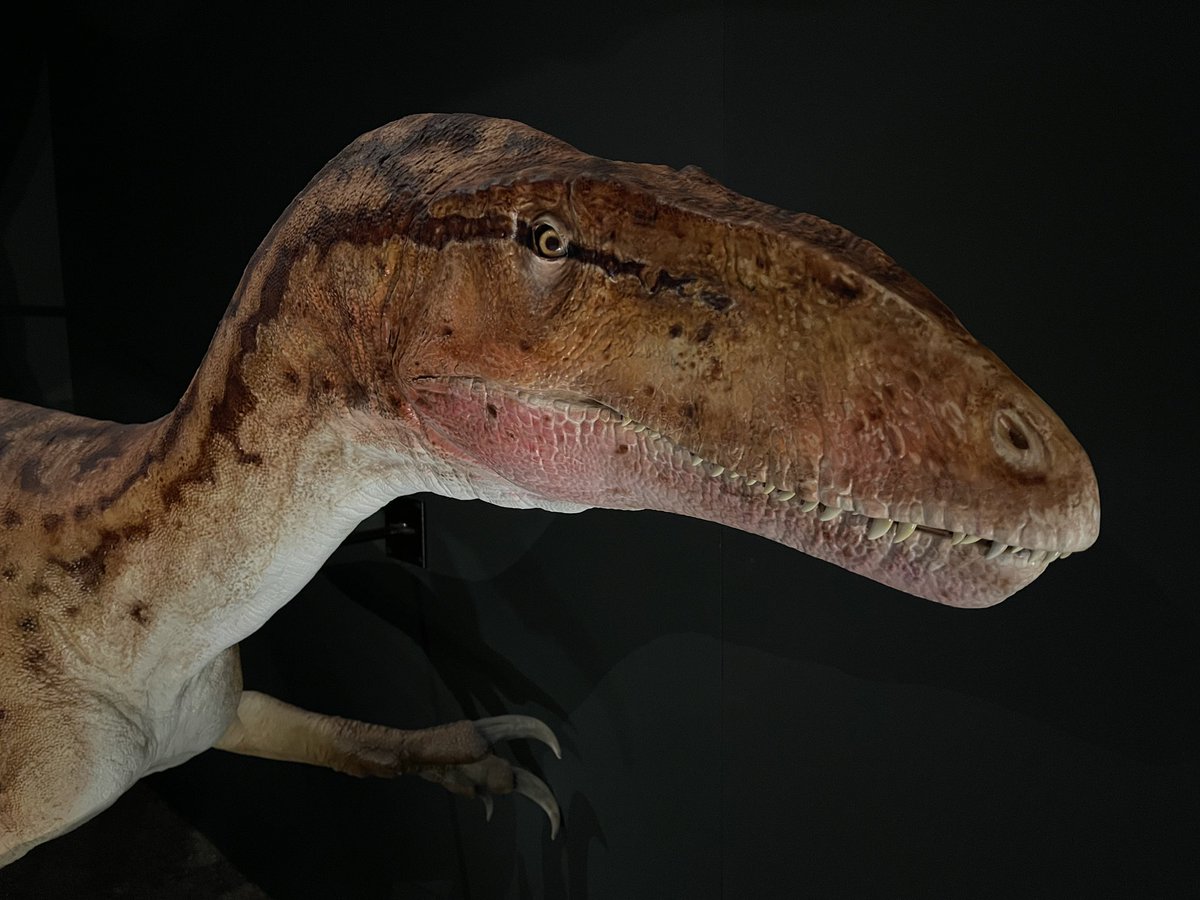
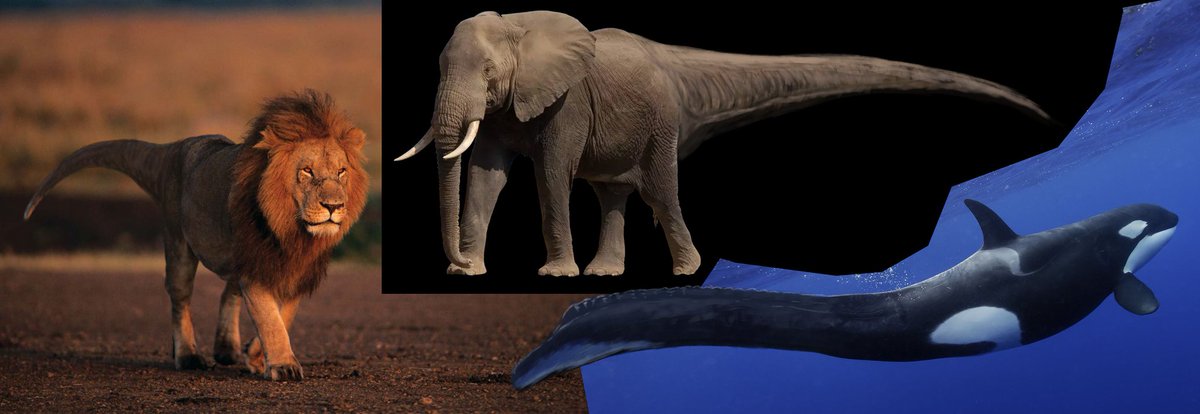
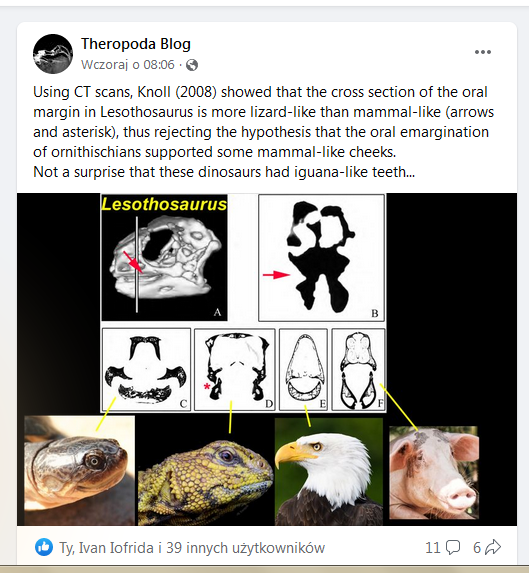
After there was so much discussion about dinosaurs lips why don't we discuss ornithischian cheeks? Andrea Cau and I wonder why the sheep-like cheeks keep being the undisturbed canon for ornithischians paleoart when lizard-like mouth is likely the best supported reconstruction?
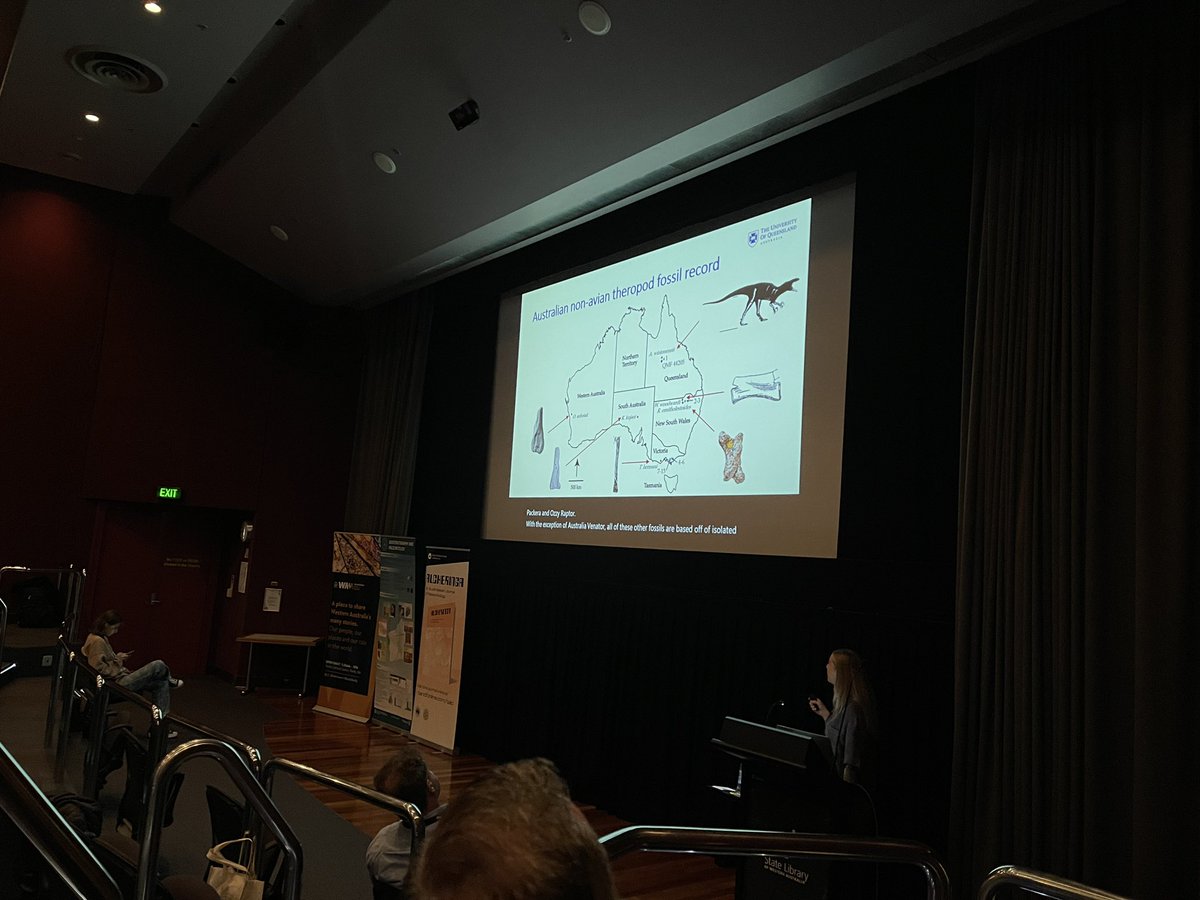
@Christinielsen_ talked about her work describing a new type of non-avian theropod from the Winton Formation. More to come on this soon! With Jay Nair and Matt Lamanna from @CarnegieMNH
Super proud of the team from the #UQ Dino Lab at #PDU3 last week. @GondwananGaia, @Christinielsen_ , Brooke Holland and Gemma Wise are all doing fantastic research. Great to be able to share it with the @AustralasianPa1 community.
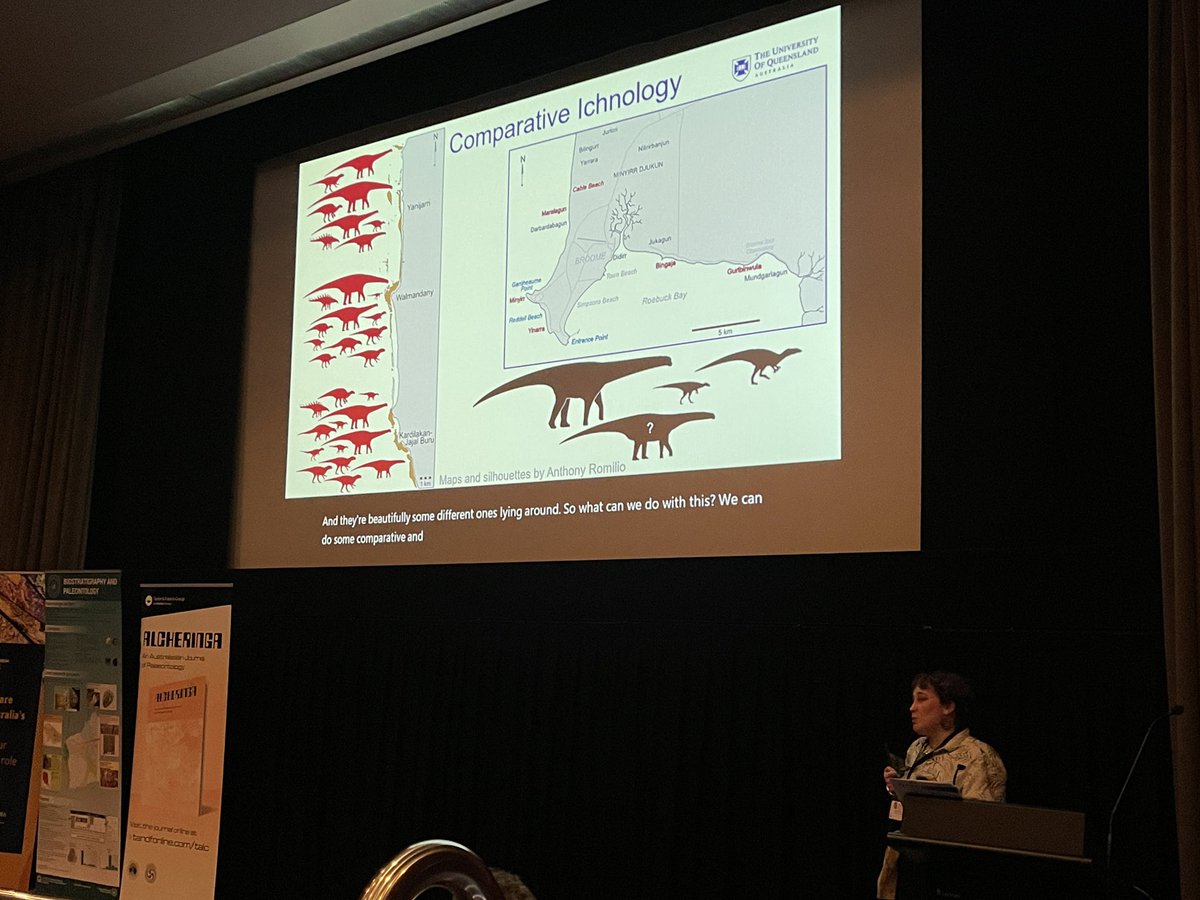
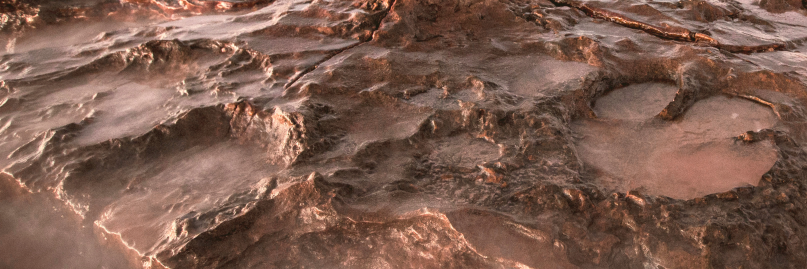
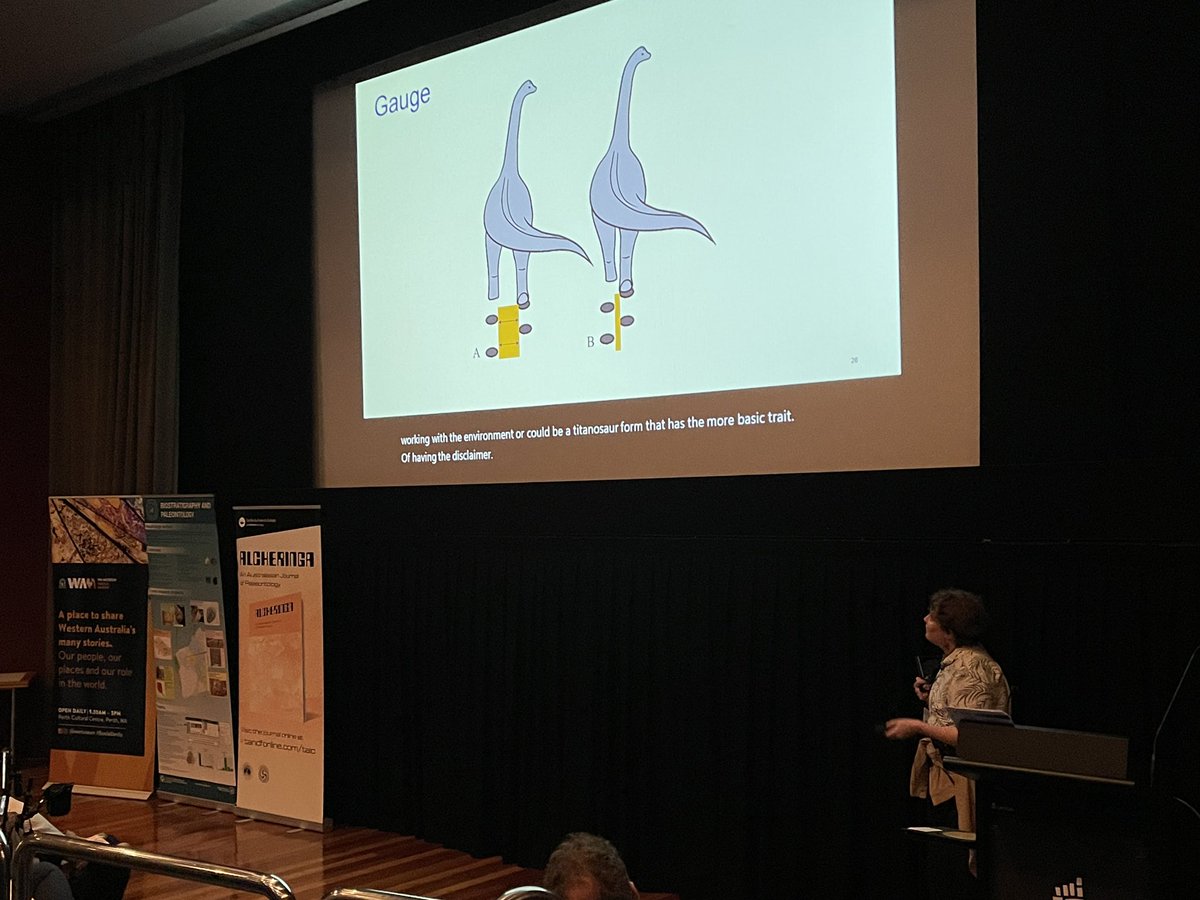
Gemma Wise introduced everyone to what we think might be new type of sauropod track from the #Broome Sandstone. This would bring the total number of sauropod tracks on the #DinosaurCoast to seven! @a_romilio#ichnology
Brooke Holland spoke about how preservation and erosion affect how we identify theropod tracks in the Broome Sandstone. She even managed to make her own tracks! #DinosaurCoast#ichnology@a_romilio
@GondwananGaia gave an update on her research on everyone’s favourite armoured dinosaur, #Kunbarrasaurus, and what it can tell us about the evolution of Gondwanan thyreophorans.
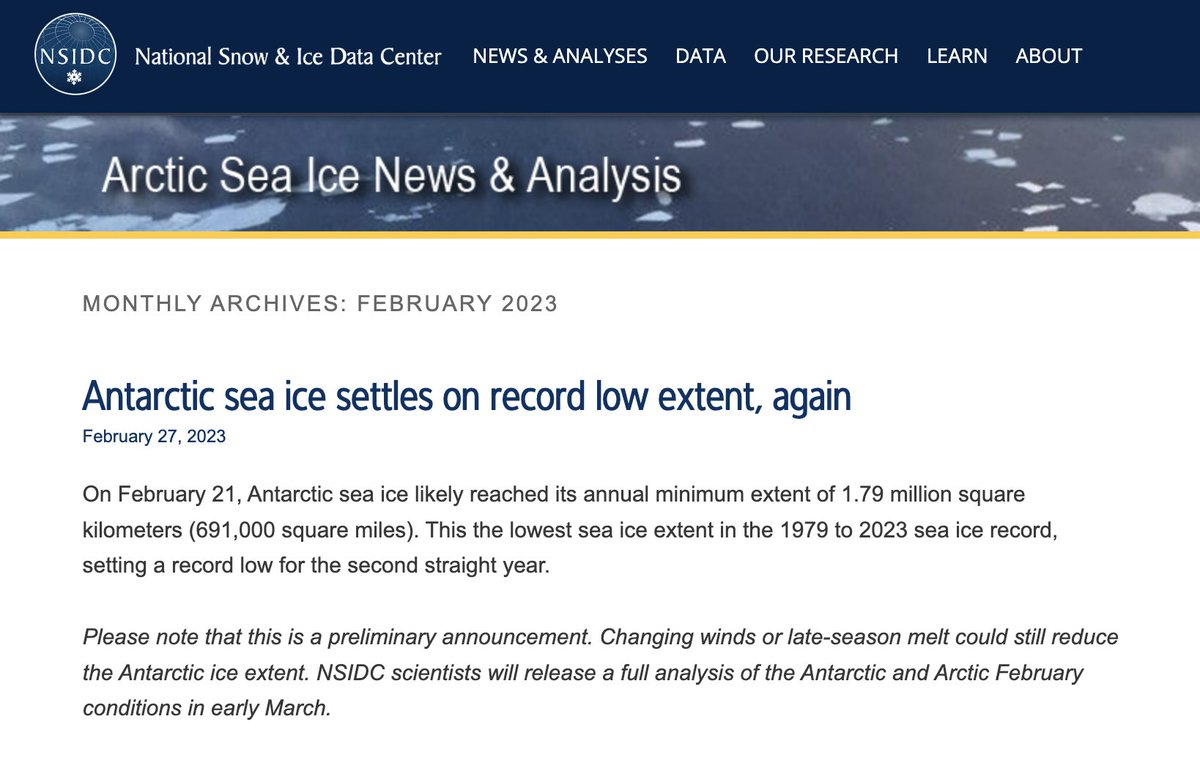
🧵 Since February 2023, Antarctic sea ice has been breaking records.
Each month, sea ice cover has dropped below previous lows.
For many, this news is both alarming and difficult to understand.
What does it mean, and why does it matter?
https://t.co/k58UufXj0e
@NSIDC@NASA
Such an inspiring keynote today from @implexidens highlighting what a long way we still have to go towards recognition and acknowledgement of our country's first scientists.
#PDU3 highlight was hearing from Portia how much this resonated with her, what an amazing day 🦕
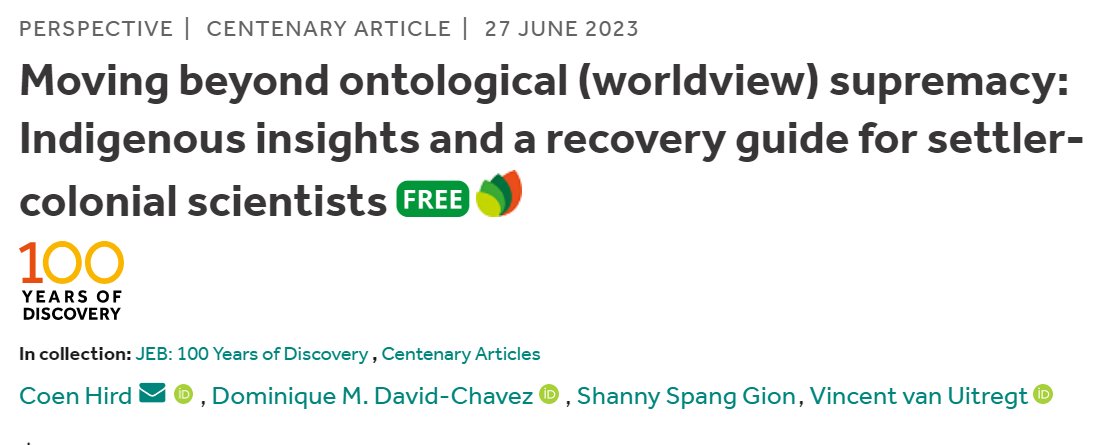
If you want to better understand some of the shared tensions inherent to navigating settler-colonial science institutions as Indigenous peoples from different parts of the world, please check out this thought-provoking article. @CoenHird, @BillyVanU and coauthors have nailed it!
Excited to share our scholarship as Indigenous biological scientists, just published in @J_Exp_Biol as a Centenary Article
https://t.co/4ED0YvVkkt - (1/4)
I’m glad my talk at #PDU3 has gotten people thinking about how they can better understand and respect First Nations peoples and Country. Truth-telling can be uncomfortable, but it’s part of the journey we need to be on as we move to #decolonise sciences like palaeontology.
A huge impact this #PDU3 was @implexidens’ plenary. Aside from the amazing science, Steve discussed how his team works with First Nations people & orgs for best outcomes for all. An uncomfortable convo about how destructive western scientific methods can be. 1/2