Mountain Regeneration Infrastructure
A $5 billion investment domesticating 5,000 hectares of Arabian mountain landscapes into a self-sustaining network of agroforestry terraces.
Designed for food security, climate resilience, biotech, ecotourism and real estate development.
The opposition to data centers is organically concerned about strained grids and environmental impact.
Restructuring the deal through a CBA that codifies compute time as an auditable public resource transforms AI ventures into civic anchors rather than extractive infrastructure.
China is in a full sprint to dominate the next generation of AI infrastructure.
While they’re racing ahead, the CCP is actively working to make sure America can’t build the data centers, power plants, and compute capacity we need to compete and crush them.
CCP-linked cash is pouring into U.S. activist groups that hammer the exact same attacks on every data center project: skyrocketing electricity costs, strained grids, and “harming the community.”
These scripted talking points are popping up in town halls across America, delaying and killing projects left and right.
Beijing subsidizes and fast-tracks their own AI takeover while profiting off the opposition that sabotages ours.
Every single delayed American project hands China more time to close the gap in the global AI arms race.
We cannot lead the world in AI if we let our foreign adversaries and their domestic proxies control the conversation about whether we’re even allowed to build the infrastructure to win.
Real community concerns deserve real answers. But they should never be weaponized by our enemies to keep America weak and dependent.
This is exactly what foreign influence operations look like. Wake up.
Export controls accelerate a parallel cost-competitive AI ecosystem by distributing compute production and inference capacity across jurisdictions.
American frontier labs may retain research leadership, while the commercial tier benefits from the collapse of inference pricing.
Al-Sanhuri assimilated foreign frameworks into an original Arabic synthesis. Today, the infrastructure of knowledge is built on AI models.
Without native Arabic training ecosystems, legal reasoning may converge toward the outputs of English or Chinese providers.
هل يحتاج المشتغل بالقانون العربي اليوم أن يتعلم الفرنسية؟ سؤال وجيه يطرحه الأستاذان الفاضلان. رأيي الشخصي ان السنهوري أنجز مهمة النقل الفكري كاملة. لم يترك فراغًا نملؤه بتعلّم الفرنسية، فالوسيط يحمل بداخله المقارنة الكاملة بالمصادر الفرنسية والسويسرية والإيطالية. من أراد الجذور الفرنسية فعند السنهوري بالعربية ما يكفيه ويزيد.
أما في القانون التجاري وأسواق المال وقانون الشركات، فالإطار المعاصر يشتغل بالإنجليزية كليًا. الفرنسية في هذا الميدان تحديدًا تصفُ أمسًا لا اليوم.
الاستثناء الوحيد هوالقانون الإداري، إذ لم يُقنَّن بالكامل ولم يُترجم بشكل كاف، وجُلّه قضائي المنشأ من مجلس الدولة الفرنسي. فمن يريد العمق فى نظرية المرفق العام والعقد الإداري يجد في الفرنسية ما لا بديل عنه. لكن هذه حالة خاصة، لا دليل على قاعدة عامة.
علما بأن القانون الفرنسي ذاته تحول بشكل كبير بمرسوم 2016. فمثلا ألغت التعديلات ركن السبب كشرط لصحة العقد وأدخلت الغبن والظروف الطارئة تقنينًا صريحًا، بينما قوانيننا ما تزال تحمل "السبب" لأنها مشدودة إلى نسخة فرنسية تجاوزتها فرنسا نفسها. فمن يتابع هذا التطور من مصادره الأولى فله حجة، لكن هذه حالة باحث متخصص، لا قاعدة عامة.
فالفرنسية كانت ضرورةً تاريخية أنجزها جيل بأمانة واقتدار. إعادة أداء المهمة المُنجزة استثمار بالغ التكلفة قياسًا بعائده في سوق اليوم، إلا لمن اختار البحث الأكاديمي المقارن طريقًا، فذاك شأنٌ آخر.
الخلاصة ان الفرنسية اليوم أداةُ عمق لا أداة ممارسة. من يتعلّمها لأنه يريد أن يفهم أكثر، استثماره مشروع. من يتعلّمها لأن السوق يطلبها، يبني على ظن
@DrAbdullahAlkh1@Athbi_droit
The data center infrastructure build-out favors massive facilities and concentrated capital investment.
Only open-source software, combined with subsidized compute agreements, can sustain local enterprises in the AI era.
Micro-, small & medium-sized enterprises lift up communities & drive economic progress.
In a world of increasing uncertainty, we must ensure efficient, safe markets & transportation systems, so these businesses remain engines of prosperity & opportunity.
⌛️
قد يبدو الزمن شيئاً لا يُشترى، لكنه في السياسة والاقتصاد أصبح أصلاً استراتيجياً..!
كل مليار دولار يُضخ في البحث العلمي، وكل جامعة تُبنى، وكل مختبر يُنشأ، وكل مهندس يُدرَّب، هو في الحقيقة شراء لسنوات من التفوق قبل أن يصل المنافسون إلى النقطة نفسها…!
Prenegotiated compute allocations for schools, hospitals, libraries, universities, and local governments can increase the attractiveness of rural data center regions for entrepreneurs, researchers, and skilled workers.
Community benefits agreements can strengthen public support.
ai is a tool that can synthesize all the data that it can be trained on, more than any human can accomodate , and provide answers to questions , based on patterns that would be impossible for any human to find in that training data Resulting in an output of information that can be used as the human using the system deems appropriate.
It also has the ability to combine what is effectively traditional search , with that output, improving the context to the user.
Its greatest value may be the fact that it doesn’t constrain access by user. Anyone can use it.
But it is still very limited by its inability to use video as an input.
As the the technology improves , in the future , AI will be able to move from training on text and pictures to using real time and on demand video as a training source that may allow it to become a more valuable tool for users.
Ai does not have judgement , doesn’t know the consequences of its output , isn’t creative , can often be wrong.
But it will always have the ability to work at a level of detail and volume that is impossible for humans and as a result will be an increasingly valuable tool
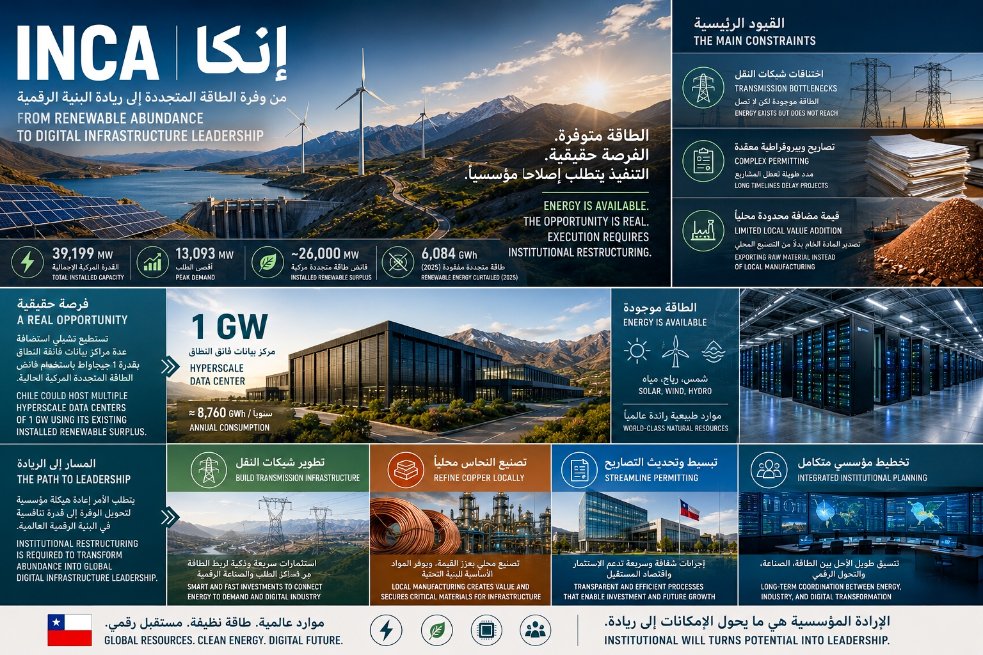
To achieve intelligence per electron, LLMs rely on compute per watt, refined in data centers built from concrete, steel, copper, aluminum, silicon, fiber optics, and batteries.
The efficiency is tied to the scale and quality of the physical infrastructure.
🇨🇱 Chile possesses sufficient renewable generation capacity to support multiple 1 GW hyperscale data centers.
The opportunity lies in grid's transmission expansion, copper refinement and the institutional will required to coordinate and execute long term industrial development.
Chile y @CodelcoChile dan un paso histórico para la minería: dejar de pensar en minas individuales para enfocarse en distritos mineros. El plan minero conjunto Andina-Los Bronces pone al alcance una enorme cantidad de cobre y más eficiencia. Una magnífica alianza público privada
Community opposition is a social risk and could be mitigated through the proactive allocation of digital benefits.
The cost of providing free compute capacity to public institutions and local communities is negligible compared to the competitive advantage of cooperation.
Rep. Pallone is right about one thing: American families should not be forced to subsidize trillion-dollar Big Tech companies. If an AI data center needs new transmission lines, backup generation, water infrastructure, or grid upgrades, the data center should pay for it, not working families in New Jersey or anywhere else. Communities also deserve enforceable protections against noise, light pollution, diesel backup pollution, and excessive water use. Those are legitimate concerns.
But a national AI data center moratorium is the wrong answer. It would turn a real energy and permitting problem into a national competitiveness crisis. Data centers used about 4.4% of US electricity in 2023 and DOE projected that could rise to 6.7% to 12% by 2028, so the challenge is real. But the conclusion should be: build more reliable American energy, modernize the grid, and make large users pay their own way, not freeze the infrastructure that powers the next generation of American technology.
A moratorium would not lower bills by creating more electricity. It would simply ration access to computing power, push AI investment overseas, and hand China an opening in the most important technology race of the century. The Trump administration’s AI Action Plan correctly recognizes that AI requires chips, data centers, and new energy sources, and that building that infrastructure in America is tied to national security, economic prosperity, and technological leadership.
The better policy is no blank check for Big Tech and no surrender in the AI race. Require data centers to bring new firm power onto the grid, pay for the grid upgrades they trigger, disclose projected demand, meet local noise and environmental rules, and agree to curtail load during grid emergencies. FERC is already moving in that direction by ordering regional grid operators to reform large-load rules, prevent cost shifting, require transmission-cost transparency, accommodate behind-the-meter generation, and create options for flexible large loads.
Pallone’s mistake is treating energy demand as something to stop rather than something to meet. America should not respond to the AI boom by saying we cannot build. We should respond by building power plants, transmission, nuclear, natural gas, storage, and grid technology fast enough that families are protected and America wins. DOE has warned that without new firm capacity and continued reliable generation, blackout frequency could rise dramatically by 2030. That is an argument for more energy, not less infrastructure.
So the right answer is simple: make Big Tech pay its fair share, protect local communities, enforce real environmental standards, and unleash American energy. A moratorium would punish American workers, weaken American AI leadership, and do nothing to solve the underlying shortage of power. The solution is not to stop the data centers. The solution is to stop making families pay for them while building the energy system America needs to dominate the future.
Qatar Energy targets Venezuela's offshore gas reserves, while the UAE's XRG investment vehicle is evaluating a broader entry into the country.
Both efforts are contingent upon establishing clear legal and financial frameworks through active coordination with the United States.
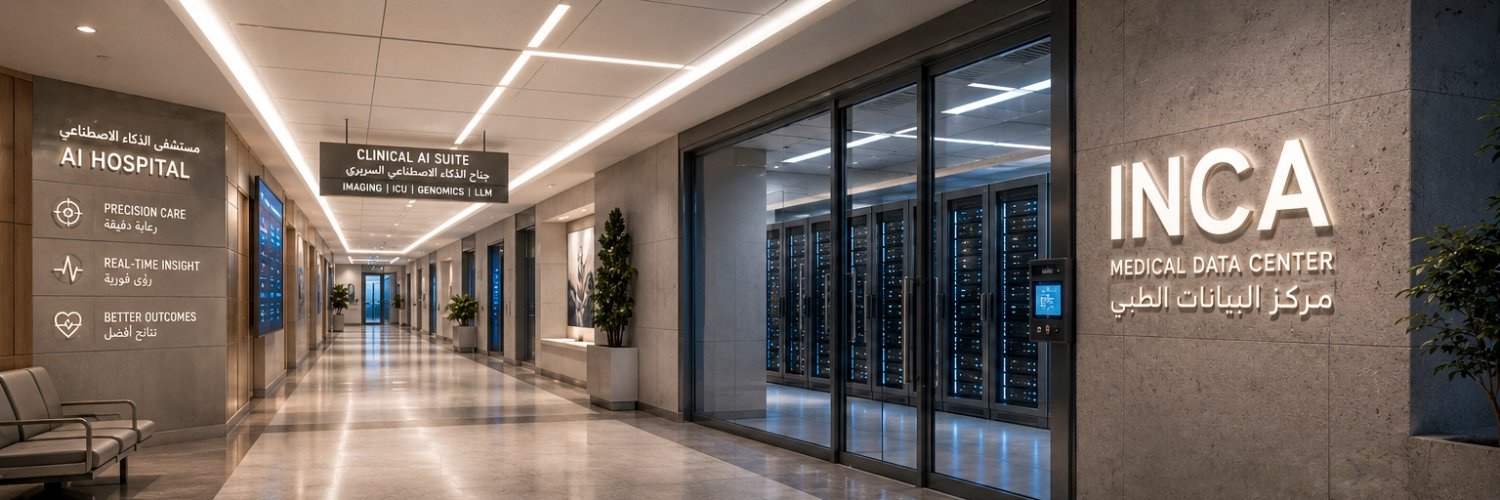
Beyond resource-intensive facilities, data centers could evolve into public infrastructure assets.
Community benefit agreements allocate a negotiated share of AI compute to schools, libraries, hospitals, startups, and regional development hubs, creating visible local value.
Tesla, Sunrun and Renew Home have announced a partnership to create the largest distributed power plant in the U.S. by providing more than 16 GW of flexible power capacity to utilities and hyperscale data centers.
The companies plan to aggregate energy from hundreds of thousands of residential battery systems, EVs, and more than 8 million smart thermostats to help meet surging electricity demand driven by AI and data center growth:
"Deployable in months, not years, this capacity-as-a-solution framework creates headroom on the existing grid by freeing up transmission capacity, easing congestion on distribution infrastructure, and extending the duration and depth of available capacity, all while helping American households lower energy bills, earn rewards, and power through outages."
The UAE is building a major data center infrastructure; yet mechanisms to develop sovereign AI talent and value capture remain modest.
Local-content requirements can build domestic capability, and Emiratisation quotas could increase Emirati participation in the private sector.
للعام الخامس على التوالي، تتصدر دبي مدن العالم في استقطاب مشاريع الاستثمار الأجنبي المباشر الجديدة، بعدما نجحت في جذب 1253 مشروعاً جديداً خلال عام 2025، بنمو بلغ 10.5% مقارنة بالعام السابق، واستحوذت على 7% من إجمالي المشاريع الجديدة عالمياً، وهو أعلى معدل تحققه الإمارة في تاريخها، وذلك وفق بيانات "فايننشال تايمز – إف دي آي ماركتس"، كما كانت دبي الأكثر استقطاباً للاستثمارات في عدد من القطاعات الحيوية، وفي مقدمتها التصنيع والذكاء الاصطناعي ... هذه النتائج ثمرة رؤية واضحة، وبيئة أعمال تنافسية، وثقة عالمية تتجدد يوماً بعد يوم بنموذج دبي التنموي ... شكراً لكل فرقنا، والمهمة مستمرة لترسيخ مكانة دبي أفضل مدينة في العالم للعيش والعمل والاستثمار.
Saudi Arabia's institutional-grade property tokenization is centralized, with fractional ownership linked to the official Real Estate Registry.
The token functions as a wrapper for trading liquidity, not as a legally codified instrument. Smart contracts operate as back-end.
الترميز العقاري ….
تحدي ( عالمي ) تناوله أباطرة المال غير السعوديين من زاوية ضيقة ( عمليات مالية كثيرة ) والعين على العمولات لنظام البلوك تشين .. تاركين اهم المخاطر التي تهم المستخدم والمستثمر ومنها على سبيل المثال لا الحصر :
وجود مشترين ( حقيقيين ) لديهم ( الرغبة ) وليس ( القدرة ) في الشراء في ظل ان النظام برمته عالميا يعتبر حديثا والأغلب من العامة وحتى بعض المستثمرين يربطه بنظام يتشابه معه في جزئيات معينة ( العملات الرقمية وتداولها ) وكيف تبخرت أموال في مدة قصيرة فيما يشبه حلبة القمار !!
الدول إلى الان لا نرى منها حماسة لتبني نظام الترميز العقاري !! وبدى ذلك واضحا من خلال عدم وجود أنظمة ( ناضجة ) وشديدة الحوكمة باي دولة بالعالم بما فيها المتقدمة وتستطيع بوضوح أن تتنقل بنظرك بدء من إمارة دبي المجاورة لنا الى الولايات المتحدة الأمريكية التي جاء وفدا منها مجتمعا بالأمير محمد بن سلمان وكان أحد ملفات الاجتماع ( الترميز العقاري ) للسوق العقاري السعودي
وكعادة السعودية عندما تمسك بملف : تضع الحوكمة والعدالة والشفافية اساسيات لهذا الأمر ..
السعودية اول دولة بالعالم تتبنى ربط نظام تقني بحت ( الترميز العقاري ) من خلال منصات التداول اشهرها البلوك تشين تتبنى ربط ذلك بأصل عقاري ( فيزيائي ) من خلال إصدار صكوك لعقارات بالسوق موجودة فعليا وتقوم بالخطوة الأهم لطمئنة المستثمرين وهو أن تقوم بدور ( الضامن ) لهذا النظام من خلال تبنيه وهو مالم تفعله اي دولة بالعالم للان !!
إذا نحن اليوم وبفضل رؤية وعبقرية أميرنا الشاب الأمير محمد بن سلمان امام فجر جديد لاستثمار عالمي واعد تقوده السعودية هذا الاستثمار ( بالتريليونات ) سيدر على مفاصل الاقتصاد الوطني اموالاً طائلة وسيجعل من السعودية رائدة عالمية في ذلك
To build data centers in Florida, developers should self-power both energy and water supplies, supported by tax incentives and cost recovery for new infrastructure.
Meanwhile, former plants like Arcadia serve as a brownfield gateway for speed to market
If you’re calling on a ban for AI Data Centers, you’re not telling the truth - you’re selling empty promises. We legally cannot ban a legitimate industry.
Strong leaders will put up roadblocks that PROTECT us.
I ask:
Who pays for the infrastructure?
Who protects our grid?
Who protects our water?
Because I’m not here to protect corporate profits.
I’m here to protect Florida. Day One Ready.
Ras Laffan's pipeline utility could anchor a 500-1000 MW hyperscale data center.
The Barzan plant's gas infrastructure, desalination water, and existing industrial ecosystem provide the foundation for Qatar to build a sovereign AI compute corridor outside Doha.
للتوضيح ، مصنع برزان هو مشروع لإنتاج الغاز المخصص لتزويد محطات الكهرباء والصناعة داخل الدولة، وليس مصنعاً لتصدير الغاز المسال LNG ..
طبيعته أقرب لمشاريع تزويد الغاز المحلي مثل دولفين، حيث يدعم احتياجات الطاقة والبنية التحتية، ولا يعني ذلك أنه ينتج الكهرباء بشكل مباشر ..
Saudi Arabia’s planned data center deployment is one-tenth the size of Texas's scale.
Integrating gardens into waste heat management adds minimal upfront costs, while native vegetation can lower ongoing operational expenses by providing natural cooling.
Acacia trees grow tall enough for elevated platform parks that seamlessly integrate nature into urban infrastructure.
Desert green walls could serve as shaded pedestrian and commercial corridors, providing dense native gardens and valuable public spaces.
#أشجار_الطلح_المحلية
هي الأفضل والأقدر على مواجهة قسوة الصحراء بما فيها من حرٍ وجفافٍ وبردٍ وصقيع، ولذلك تستحق أن تكون الخيار الأول في مشاريع التشجير، خاصة خارج المدن، لكونها أشجارًا محلية مستدامة ومتوافقة مع بيئتنا الطبيعية.
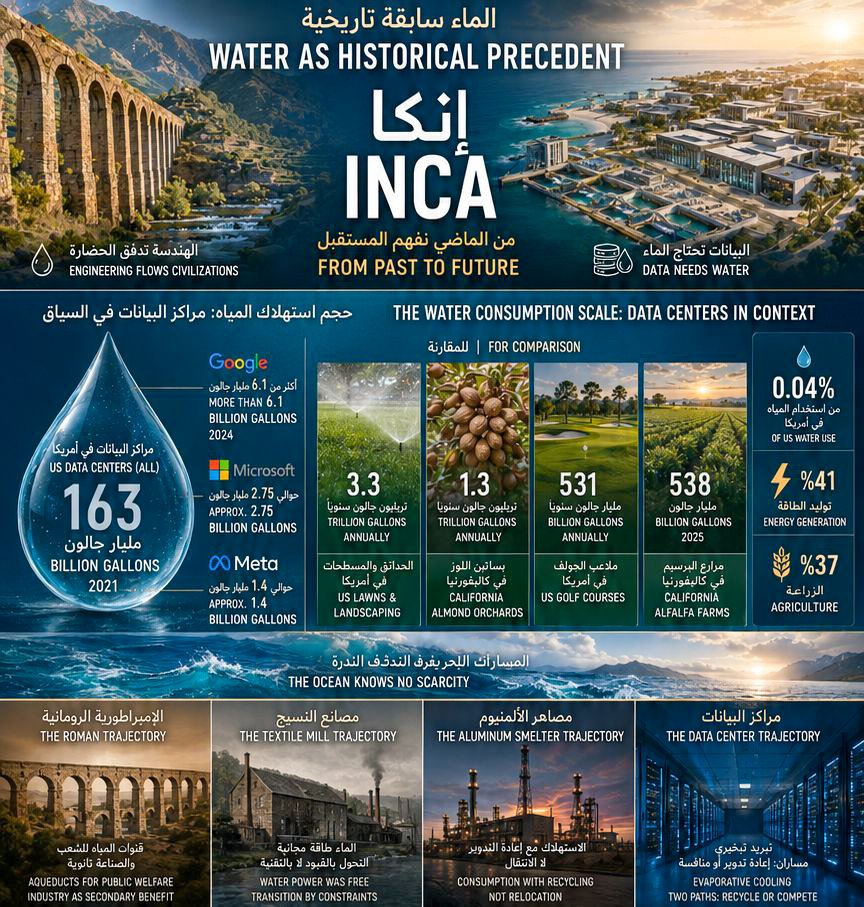
Abundant water and energy are critical infrastructure challenges.
Intensive industries thrive where water is recycled and managed as an asset, not as a political bargaining chip.
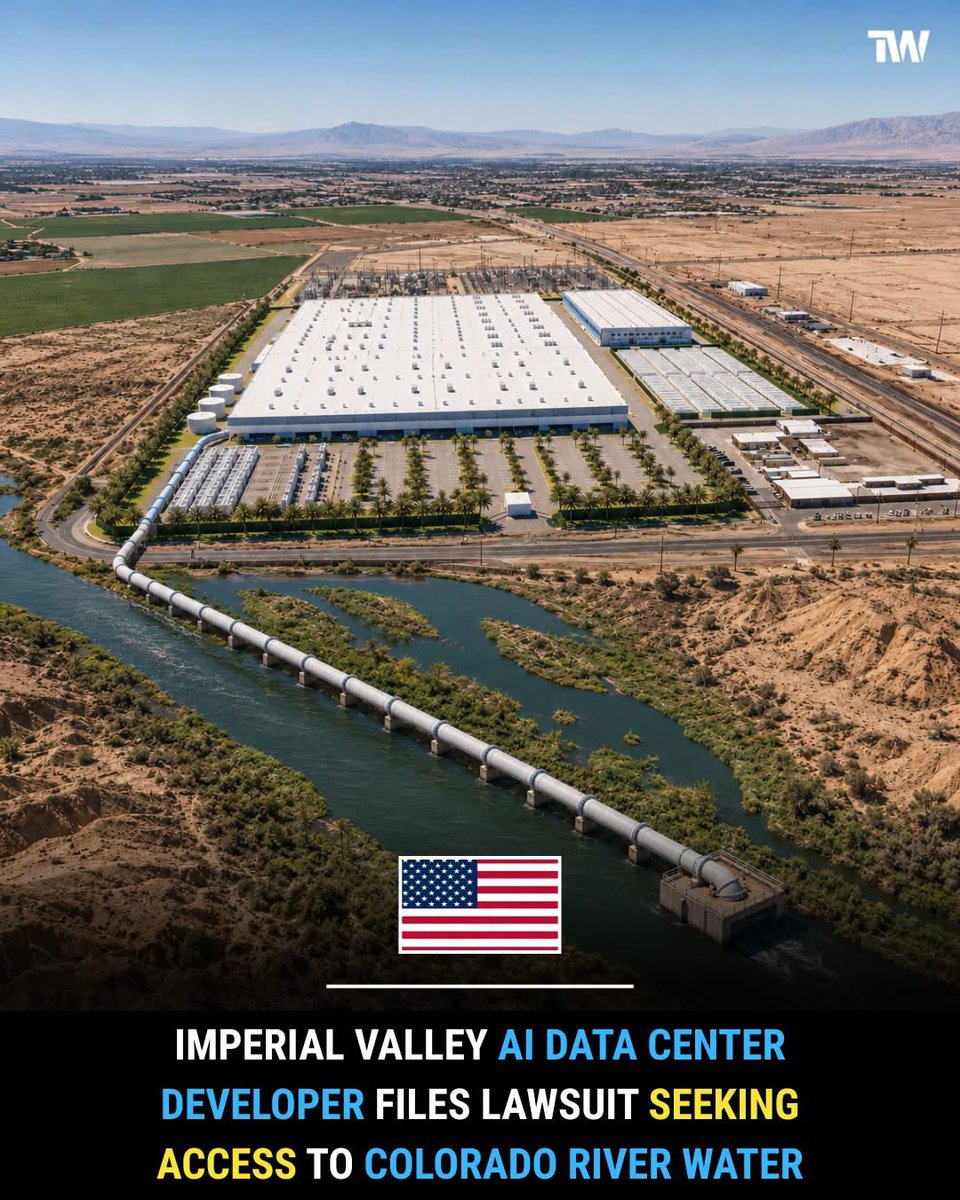
A massive AI data center project in California’s Imperial Valley is seeking access to Colorado River water after earlier stating it would not rely on the drought-stricken river.
The proposed facility could use an estimated 260 million gallons of water annually to cool AI servers, raising concerns about the environmental impact of the rapidly growing AI industry in water-stressed regions.
As AI infrastructure continues to expand, questions about its water and energy demands are becoming increasingly difficult to ignore.
Should water-intensive AI data centers face restrictions in areas already struggling with drought and water scarcity?
SDAIA provides the policy and capital framework to address local talent shortages and reduce dependence on continued imports from US and Chinese technology.
Beyond frontier LLMs, Saudi Arabia could thrive in compute infrastructure, data storage, and regional AI research.
ت
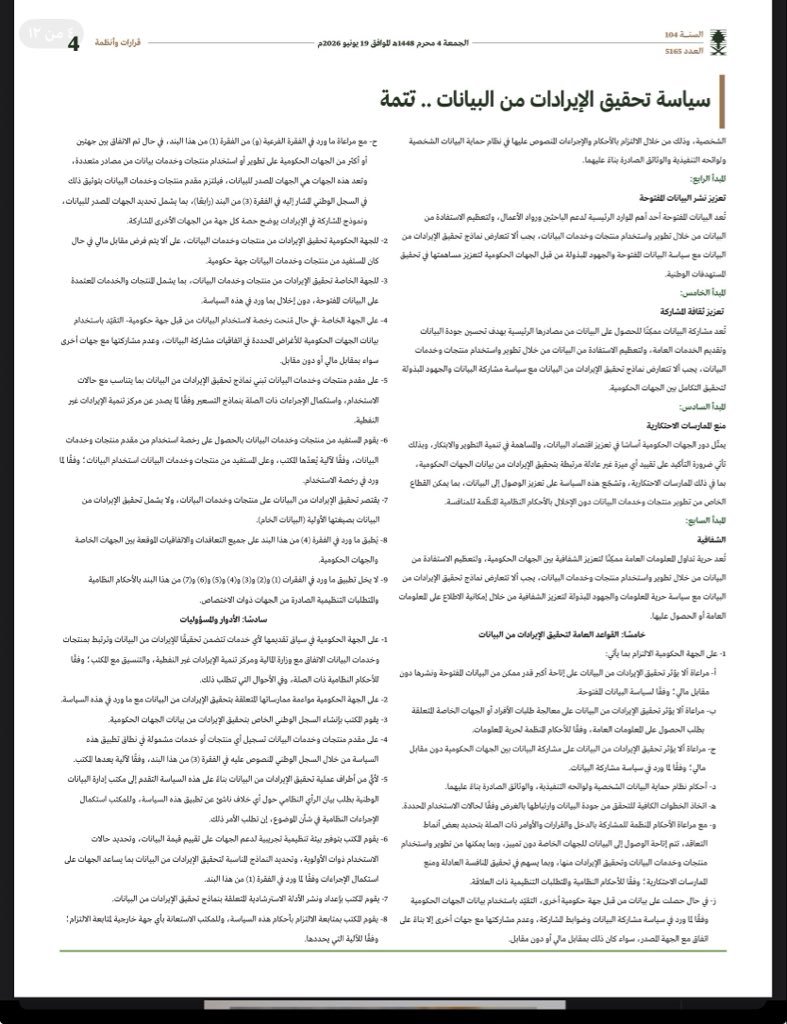
الصادرة بقرار مجلس إدارة الهيئة السعودية للبيانات والذكاء الاصطناعي (سدايا) رقم (23-4) بتاريخ 21/09/1447هـ
تهدف السياسة إلى تنظيم كيفية تحقيق الإيرادات من البيانات الحكومية من خلال تطوير منتجات وخدمات تعتمد على البيانات، مع الحفاظ على المصلحة العامة وحماية البيانات وحقوق الأفراد، ودعم الاقتصاد الرقمي في المملكة.
أولاً: أهداف السياسة
تنظيم سوق البيانات في المملكة ووضع إطار موحد للاستفادة الاقتصادية منها.
تشجيع الجهات الحكومية على تطوير منتجات وخدمات مبنية على البيانات.
تعزيز الابتكار والاستثمار في مجال البيانات والذكاء الاصطناعي.
توفير بيئة تنظيمية واضحة لترخيص استخدام البيانات وتحقيق الإيرادات منها.
ثانياً: المبادئ الأساسية
البيانات أصل وطني يجب المحافظة عليه واستثماره بما يخدم التنمية.
تنمية الإيرادات من البيانات وسيلة لدعم الاقتصاد وتحسين الخدمات الحكومية.
الخصوصية بالتصميم بحيث تُراعى حماية البيانات الشخصية منذ مرحلة تصميم المنتجات والخدمات.
تعزيز نشر البيانات المفتوحة بما لا يتعارض مع تحقيق الإيرادات أو حماية البيانات.
تعزيز ثقافة مشاركة البيانات بين الجهات الحكومية.
منع الممارسات الاحتكارية وضمان المنافسة العادلة.
الشفافية في إتاحة المعلومات والسياسات والإجراءات.
ثالثاً: أبرز التعريفات
البيانات: أي معلومات أو رموز أو صور أو تسجيلات يمكن معالجتها إلكترونياً.
منتجات البيانات: حلول أو تطبيقات أو منصات تعتمد على البيانات لإنتاج قيمة مضافة.
خدمات البيانات: خدمات الوصول إلى البيانات أو معالجتها أو تحليلها.
تحقيق الإيرادات من البيانات: الاستفادة الاقتصادية من البيانات عبر منتجات أو خدمات أو تراخيص استخدام.
رابعاً: القواعد العامة
لا يجوز أن يؤثر تحقيق الإيرادات على إتاحة البيانات المفتوحة أو الحق في الوصول للمعلومات العامة.
يجب الالتزام بنظام حماية البيانات الشخصية والأنظمة ذات العلاقة.
لا يجوز أن تؤثر الإيرادات على مشاركة البيانات بين الجهات الحكومية.
يجب التأكد من جودة البيانات وارتباطها بالغرض المحدد للاستخدام.
يمنع الاحتكار أو التمييز غير المبرر في إتاحة البيانات للجهات الخاصة.
إذا حصلت جهة حكومية على بيانات من جهة حكومية أخرى، فلا يجوز إعادة مشاركتها أو استثمارها إلا وفق اتفاقية الجهة المالكة.
خامساً: ضوابط تحقيق الإيرادات
يتم تحديد الجهة المالكة للبيانات ونسب الإيرادات وآلية المشاركة مسبقاً.
يجوز للجهات الحكومية فرض مقابل مالي على منتجات وخدمات البيانات وفق نماذج تسعير معتمدة.
لا تشمل الإيرادات البيانات الأولية (الخام) وإنما تتركز على المنتجات والخدمات والقيمة المضافة المبنية عليها.
يجب الحصول على التراخيص اللازمة لاستخدام منتجات وخدمات البيانات.
سادساً: الأدوار والمسؤوليات
الجهات الحكومية: تطوير المنتجات والخدمات، والالتزام بالسياسة، والتنسيق مع الجهات المختصة.
مكتب إدارة البيانات الوطنية: إنشاء السجل الوطني لتحقيق الإيرادات، واعتماد النماذج، والإشراف والمتابعة، وإصدار الأدلة الإرشادية.
مقدمو الخدمات والجهات المستفيدة: الالتزام بشروط الاستخدام وعدم إساءة استخدام البيانات.
أبرز ما يهم الجهات الحكومية والقطاع الخاص
أصبح بالإمكان استثمار البيانات الحكومية اقتصادياً من خلال منتجات وخدمات مبتكرة.
الأصل هو تحقيق قيمة مضافة من البيانات وليس بيع البيانات الخام.
يجب أن يكون الاستثمار متوافقاً مع حماية الخصوصية والأنظمة الوطنية.
تشجع السياسة الشراكات مع القطاع الخاص لتطوير حلول قائمة على البيانات مع ضمان المنافسة العادلة
Resilience is consolidated through regional spillovers around existing assets.
Restructuring energy substations, abandoned terraces, and unused industrial infrastructure could generate more enduring value for rural communities than another hotel ever could.
The Kingdom’s tourism sector is globally connected, yet powered by Saudi capability; open to the world, yet resilient by design. We are leveraging this advantage through innovation and AI, while building world-class destinations that attract tourists and investors and create jobs for our homegrown talent.
These are some of the themes I discussed during the panel session, “Resilient by Design: Vision 2030 and the Architecture of Enduring Value,” at #FIIPRIORITY Europe 2026.
#SaudiVision2030