12-light setup targeted to augment existing photogrammetry rigs with addition of advanced Disney PBR material reconstruction. This particular setup is great for prop and flat 2D material scanning. Compact, portable and could be powered by off the shelf 12V Power banks.
Doing some weight stress testing of the DIY XY Stage (xy table). Moving around a 1 gallon of water, that's 3.8 kg, looks just fine. More than enough for any scanning automation (props and flat swatches). The drivers are cold. Don't even need any heatsinks 🙀
With the wide availability of CNC parts in many shapes and sizes, it has never been easier to build an automated XY stage for high-resolution PBR material scanning using only a minimal number of components: a couple of linear guides, an MCU, and a pair of drivers.
In cases when scan-time metadata or alignment is not available and you need to properly orient objects with as few clicks as possible here is a simple #Blender script that does just that. Align the camera so the object roughly faces the camera and then perform a gravity drop.
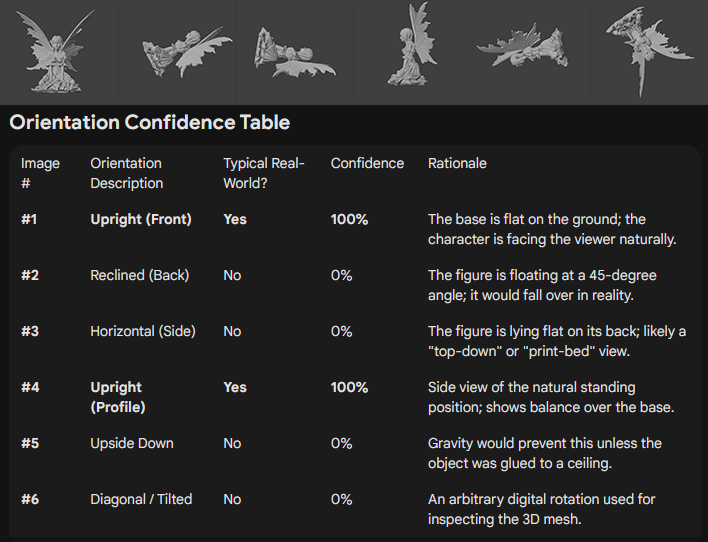
Have been playing around with some automated scan alignment under the absence of any related metadata (cameras, registration, etc...). All classical geometric solutions work except they do need some validation from a visual model. Gemini is the best so far, then GPT, then Grok.
Wrapping up testing and shipping the last order of 2025. This is a lower-end 4-light variant of our standard 12-light rig. This one can't do a single view scan but is more portable and well suited for props though requires significantly more camera positions for quality results.
2K Games the Minotaur Rig prototype complete and calibrated. This is our most minimalistic and optimized PBR face scanning rig configuration so far. Running 20 Sony A9 III cameras at 60 fps and 16 composite light clusters using IDA Tronic lights.
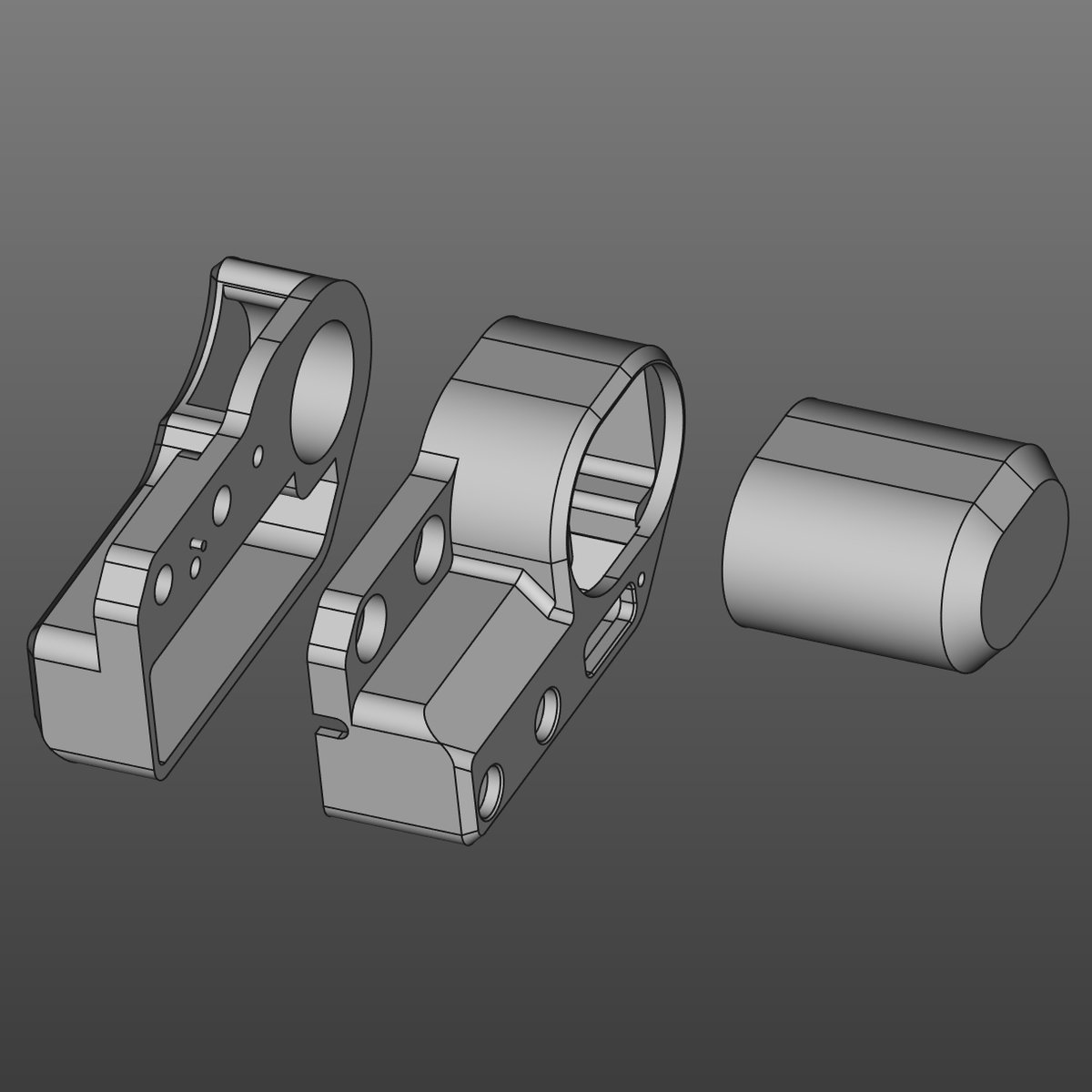
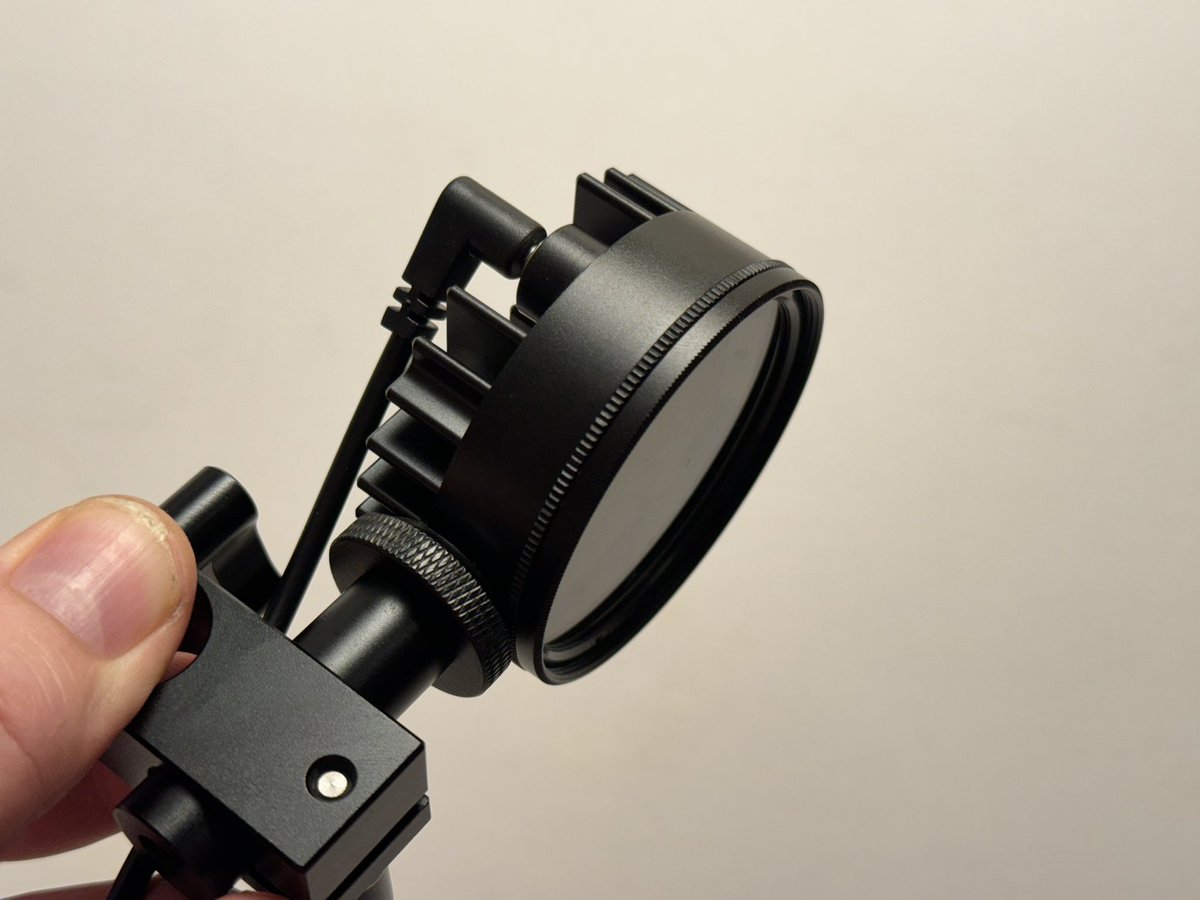
Got some CAD parts of a custom Tilta CPL micro-motor worked out and 3D printed to test the fitting. It's almost injection molding friendly but some modification will be needed for sure. Especially the addition of draft angles.
That's quite a step from our older stepper-based prototypes that has way to many issues with vibrations and noise. This also has faster speed than an original Tilta servo. After shrinking all electronics down to a couple of chips this may be in product soon.
First pass prototype complete. Got all the gears worked out as well as the PID control optimized specifically for quick 90 degree rotations as fast and as smooth as possible. It now takes Tilta CPL 1/4 of a second to switch with minimal noise. Shrink electronics down next...
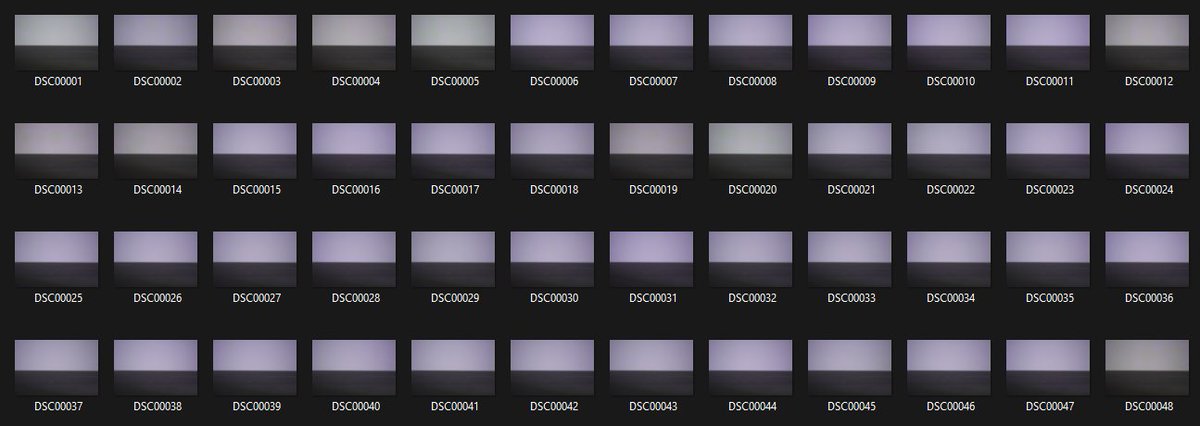
Calibrating White Balance for multi-cam / multi-light Light Stage-like rigs can be quite tedious. Apart from cameras, there is alight light color variation as well as natural Poisson noise in RAW images that can greatly tint the result requiring a number of samples to converge.
Taking a little step back from steppers and looking into closed-loop servos. This little micro-DC motor has significantly more torque than the best micro stepper out there and I tested a bunch. Going brushless would be the next step though I need to test it to destruction.
Naked eyes can really play a trick on you. Cranking things is to false colors is important to see real color uniformity of lights. As a part of rig assembly and packaging. Most of the things can be corrected in software but it's easier to work with more similar footage than not.
While buying a lot of LED stuff from a factory that supposed to be a single manufacturing batch there are still quite a few spectral discrepancies here and there. Most likely messed up at the packing stage or something. You can see a few that clearly have different temperature.
A wide angle view... While the standard 12-light rig is very versatile, the 24-light 180 degree Arc is ideal when scanning through a props of similar sizes and topologies. Once tuned, it's a beast.
https://t.co/oiOVgPoaGY
PBR Capture of Adidas IF6704 with 180 degree 24-Light Arc. 5 Cameras, 24 lights, 2 polarization states (48 shots per position). Sony Alpha 1 electronic 1/30 shutter at 15 fps burst synchronized. The shutter sound is digital, just for exposure indication. https://t.co/C79VmKwviu
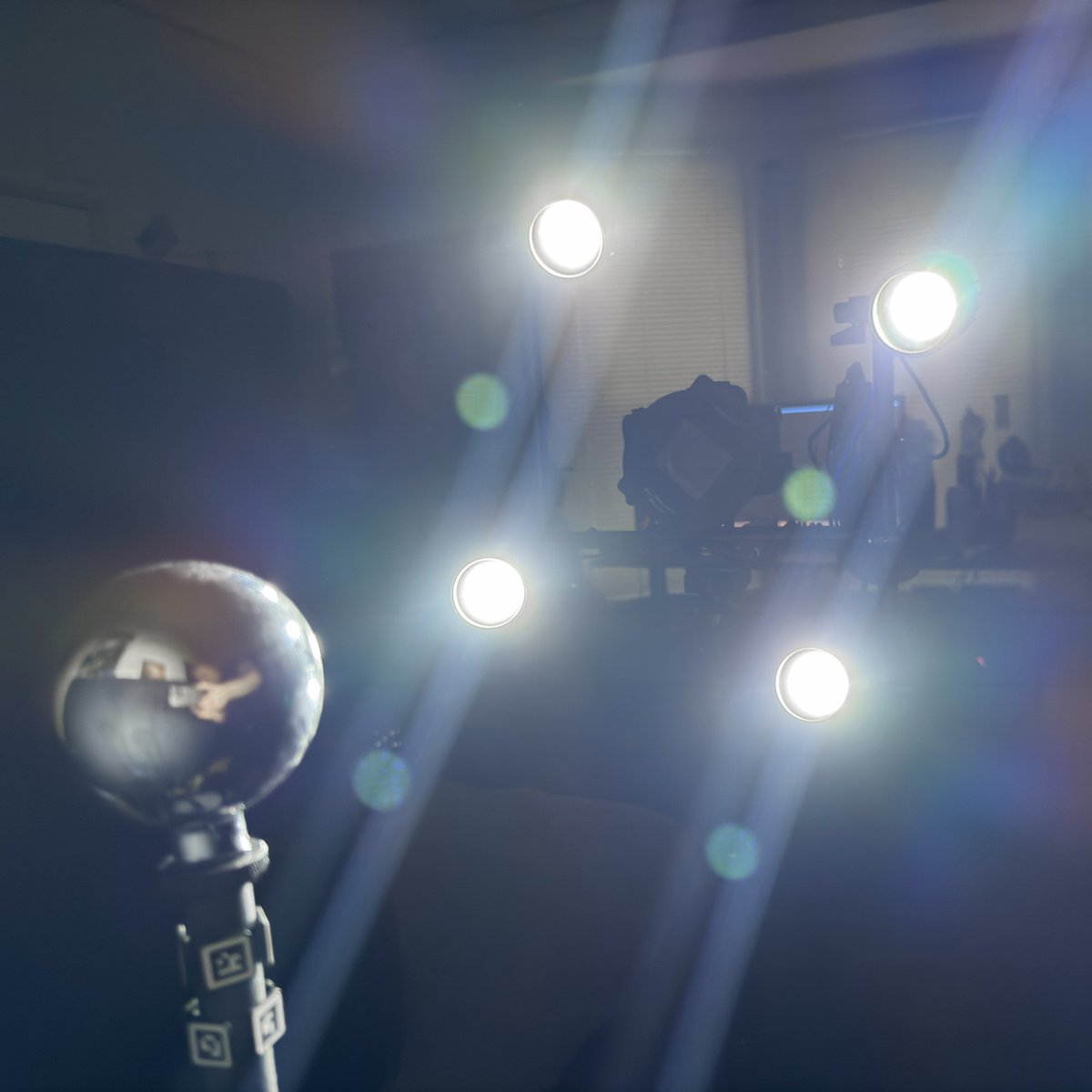
Simplifying rig calibration in upcoming 1.4.2 #inciprocal Photometry Toolkit release with automatic highlight matching. Once the mirror ball aligned, the entire sequence is automatically mapped into the rig's 3D space with proper light positioning.
Took 3 days and a dozen takes to finally get all the multi-cam calibration worked out. We had single-cam multi-light and Light-stage-like multi-cam multi-light where everything is static. It felt like an easy thing to do but ran into a lot of little gotchas.