TRADING PLAN
“Trade the plan. Don’t trade your emotions.”
1. Market Selection
Trade only the markets you understand best.
Focus on high-liquidity assets (Stocks, Crypto, Forex, Indices).
Avoid jumping from one market to another.
2. Trend Identification
Determine the higher-timeframe trend first.
Only look for long positions in an uptrend.
Only look for short positions in a downtrend.
3. Entry Rules
✅ Wait for price to reach a key support/resistance, supply/demand, or institutional level.
✅ Wait for confirmation:
Breakout
Rejection candle
Volume expansion
Market structure shift
✅ Never chase price.
4. Risk Management
Risk only 1-2% per trade.
Always use a stop loss.
Protect capital before seeking profits.
5. Position Sizing
Calculate position size before entering.
Never increase risk after a losing trade.
6. Profit Targets
Minimum Risk-to-Reward: 1:2
Prefer setups offering 1:3 or higher.
Let winners run when market conditions support it.
7. Trade Management
Move stop to breakeven after significant confirmation.
Take partial profits at key levels.
Follow the market, not your hopes.
8. Trading Journal
Record:
Entry
Exit
Reason for trade
Emotions
Lessons learned
9. Psychological Rules
No revenge trading.
No FOMO entries.
Accept losses as business expenses.
Stay patient for A+ setups.
10. Golden Rule
🦁 Be like a hungry lion waiting for the perfect antelope.
Most traders lose because they chase every movement.
Professional traders wait patiently for the highest-probability opportunity and strike only when the odds are clearly in their favor.
Best indicators for begginers Traders.
✔️Macd=Buy/sell signal
✔️RSI=Overbought/oversold
✔️Bollinger bands=Volatility levels
✔️9EMA=Short term trend
✔️21EMA=Entry/Exit points
✔️50EMA=Place stoploss
✔️200EMA=Long term trend
✔️Vwap=Intraday Breakouts
✔️ADX=Strength of the trend
Take what you want and know most there's no need of applying all in a single trades.
How To develop Your Trading Plan.
1.TIME FRAME.
✔️Day trade should be 15m-60m
✔️Swing trade 4h-1day
✔️Position Trade 15m-60m
2.RISK MANAGEMENT
✔️Risk 1-3% of capital per trade
3.CONDITIONS
✔️Ranging or Trending
https://t.co/3B4WBSWkzO.
✔️Options
✔️Equity
✔️Futures
✔️Forex
5.ENTRIES
✔️Pullback
✔️Breakout
✔️Crossover
6.STOPS
✔️Percentage loss or
✔️Away from the market
7.TARGETS
✔️Fixed or
✔️Trailing stoploss
Few Useful Links to Learn
Fibonacci Theory🕯️
https://t.co/ooST3lXu0z
https://t.co/fPka6luApl
https://t.co/zuc1MurwSj
https://t.co/LZpsb4NDHT
Retweet to Help Max Traders
DarvaX Salaam
A trader must learn when to press pause.
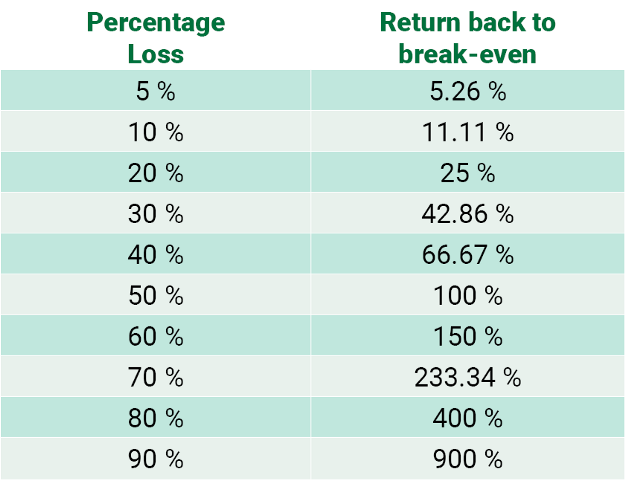
After a big loss, the best way to dig yourself a deeper hole is to keep pushing.
Loss aversion (among other biases) will be coloring your perception and decisions.
Why a trader loses money in #trading:
1) No plan
2) No stop loss
3) No backtested strategy
4) No education
5) No patience
6) No time
7) No discipline
8) No willingness to learn
9) No mindset work
10) No mentor
What else?
Whenever the market has high volatility leveraged ETFs lose their capital base due to drawdowns that result from the compounding of daily moves. This capital destruction is called volatility drag. The more the leverage the greater the drag. Easier to go down than up with capital.
1st rule of trading: Wait for the right opportunity.
2nd rule of trading: Accept what the market gives.
3rd rule of trading: Understand what you're risking.
4th rule of trading: Accept what the market takes.
5th rule of trading: Make your trading process your whole world.
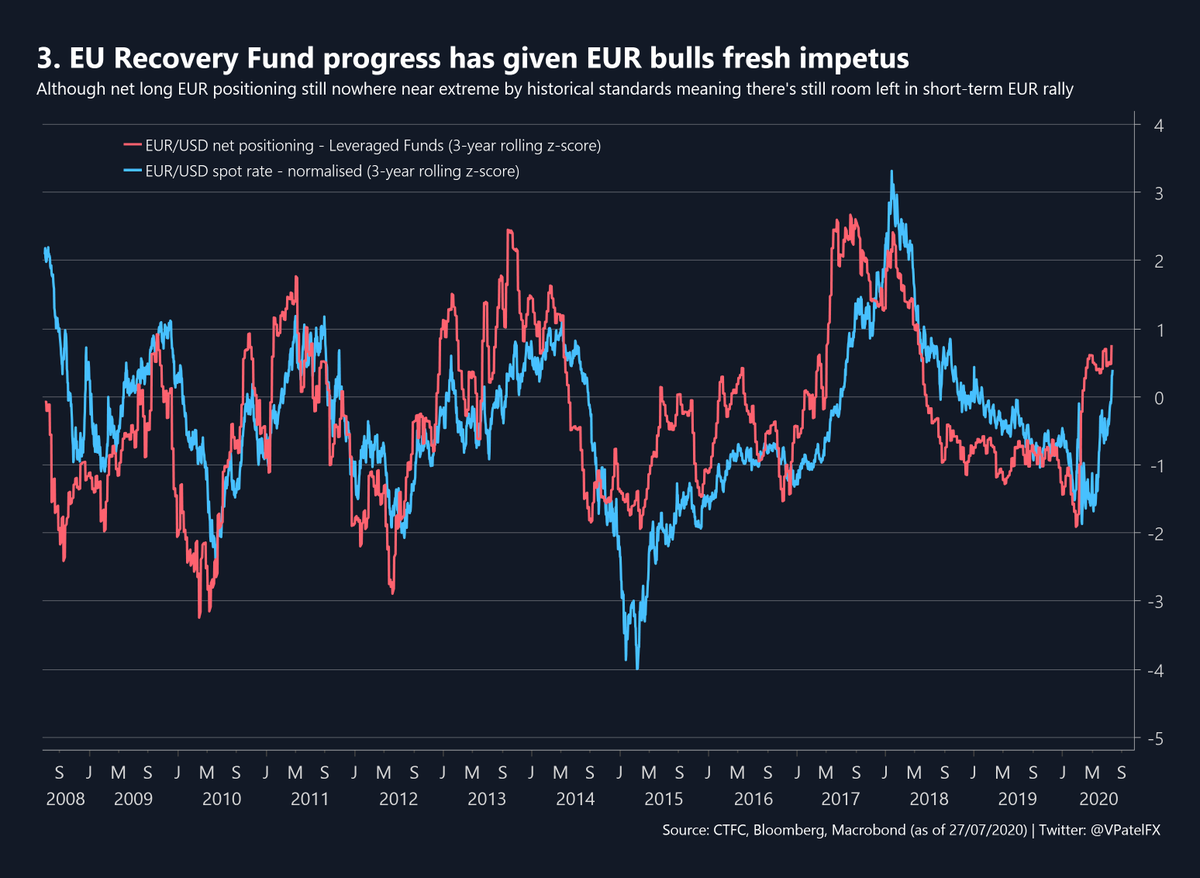
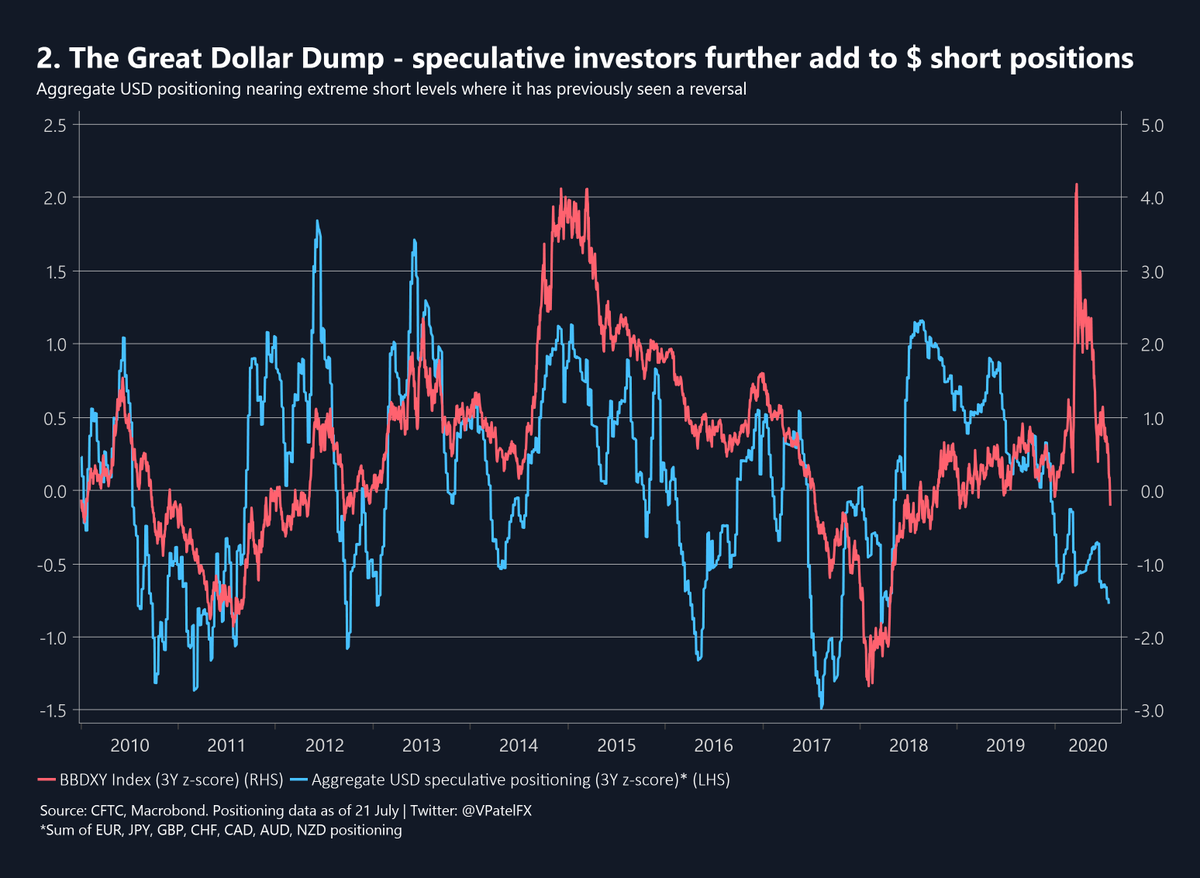
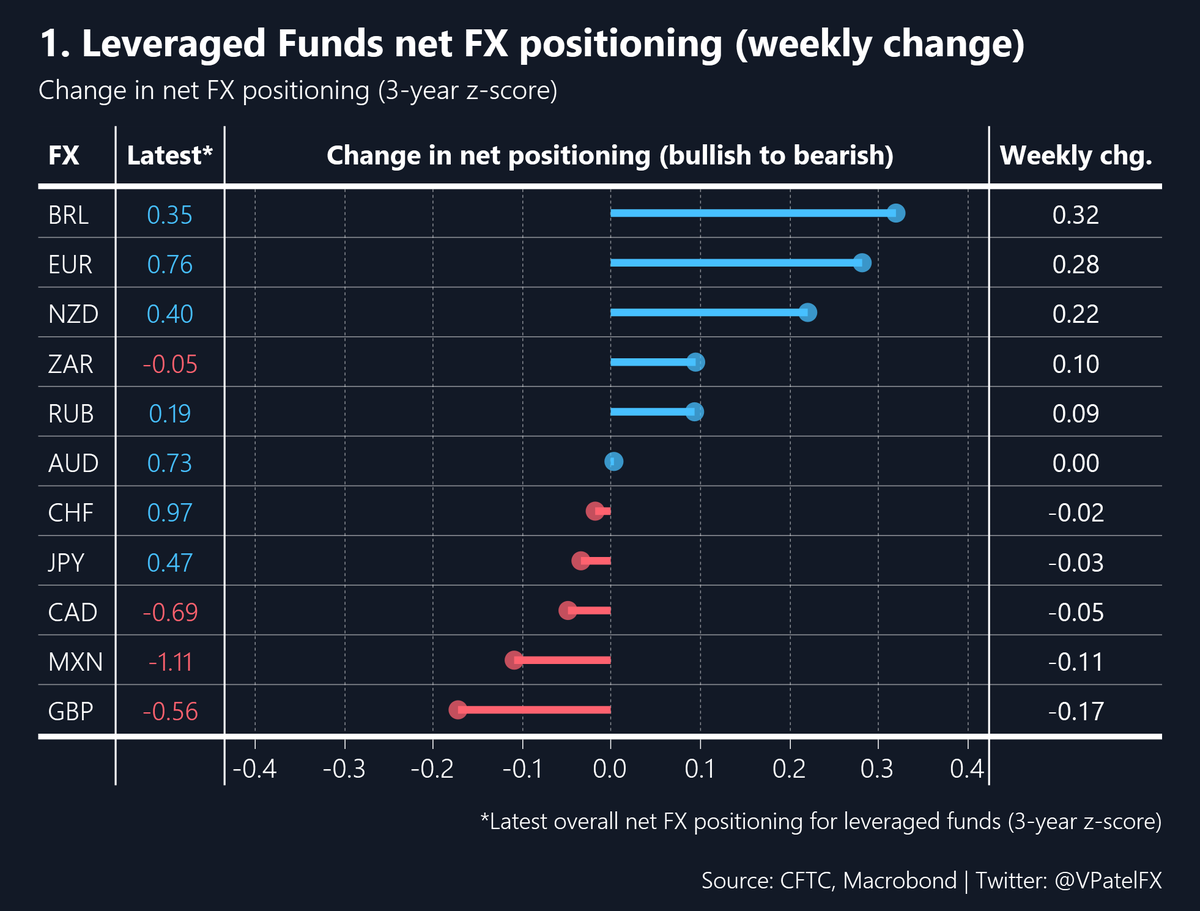
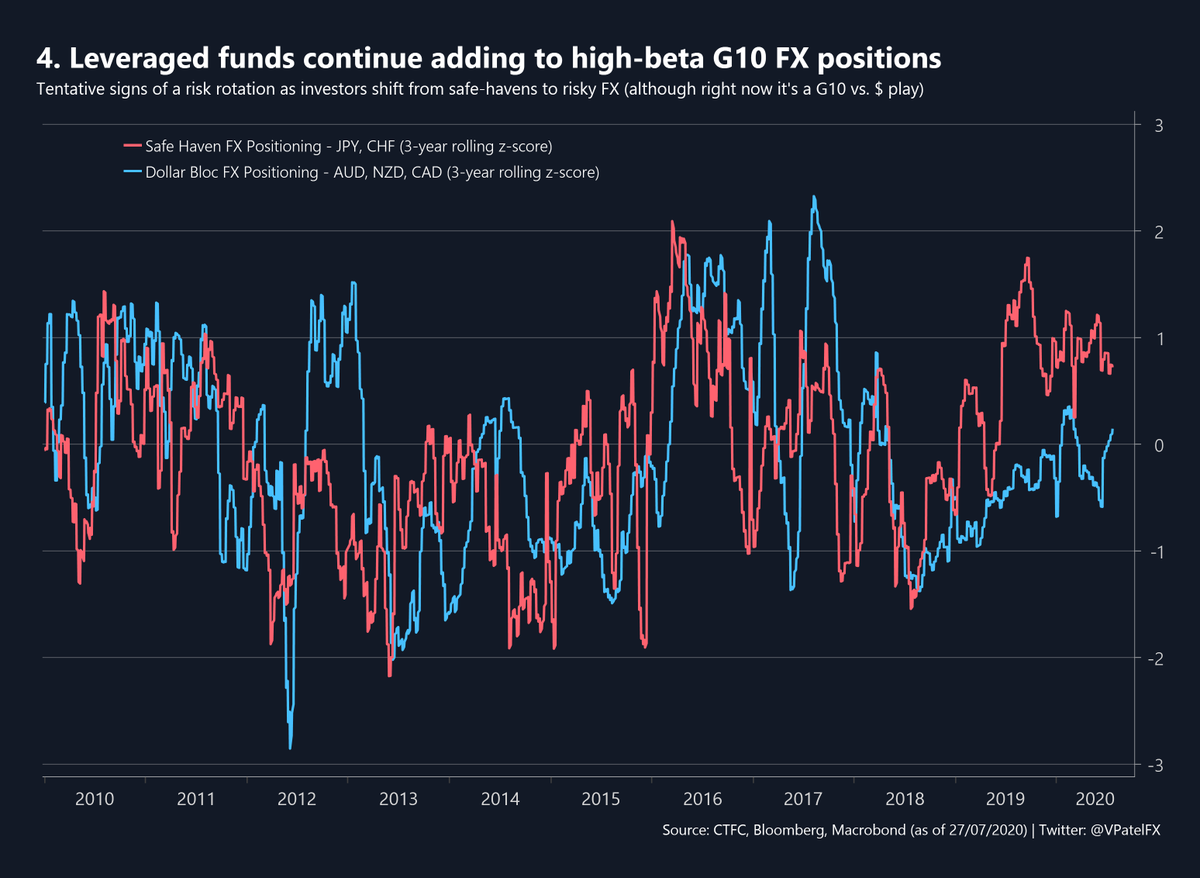
The Great Dollar Dump. Whilst spec investors add to bearish $USD bets - short positioning close to extreme levels which have previously triggered a reversal. Leveraged funds $EUR longs get fresh impetus from EU recovery fund (not yet extreme). $GBP not the chosen one for FX specs