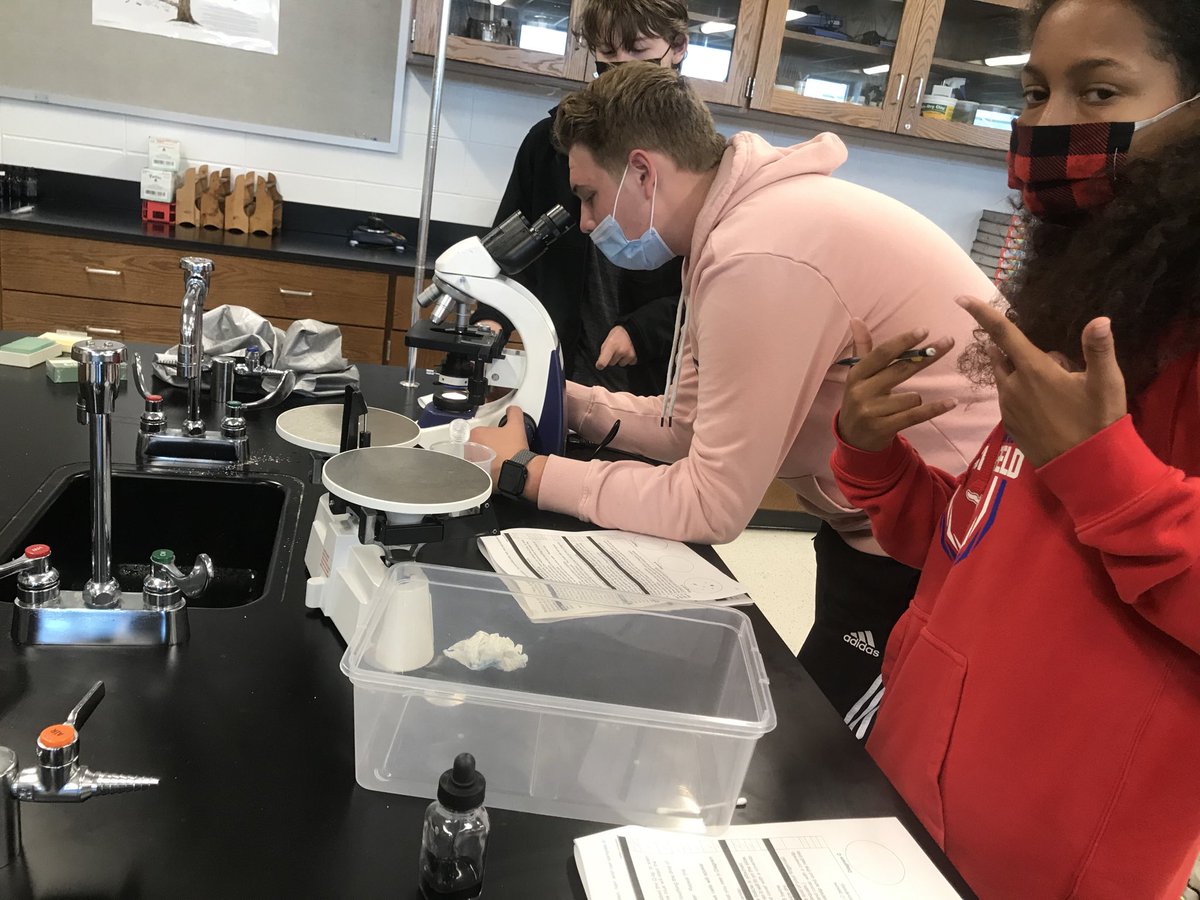
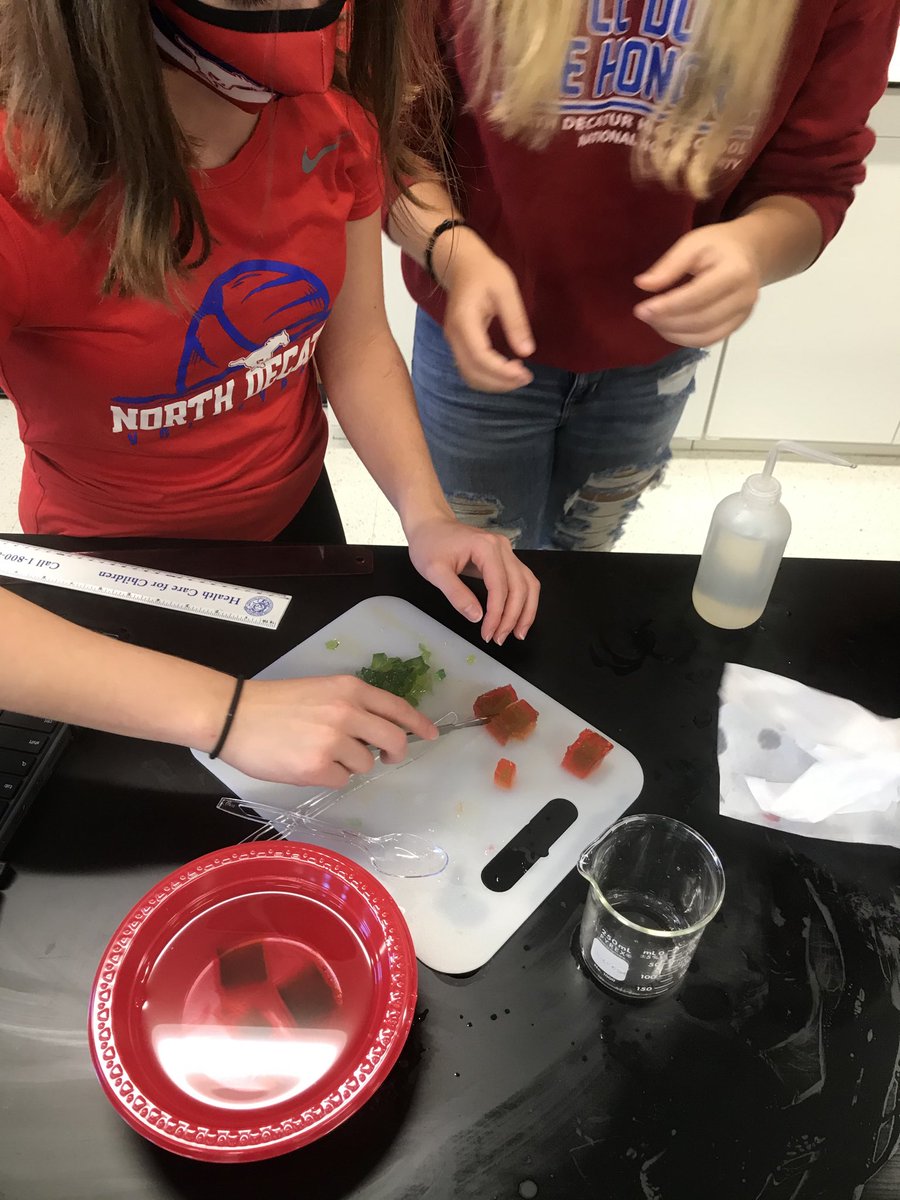
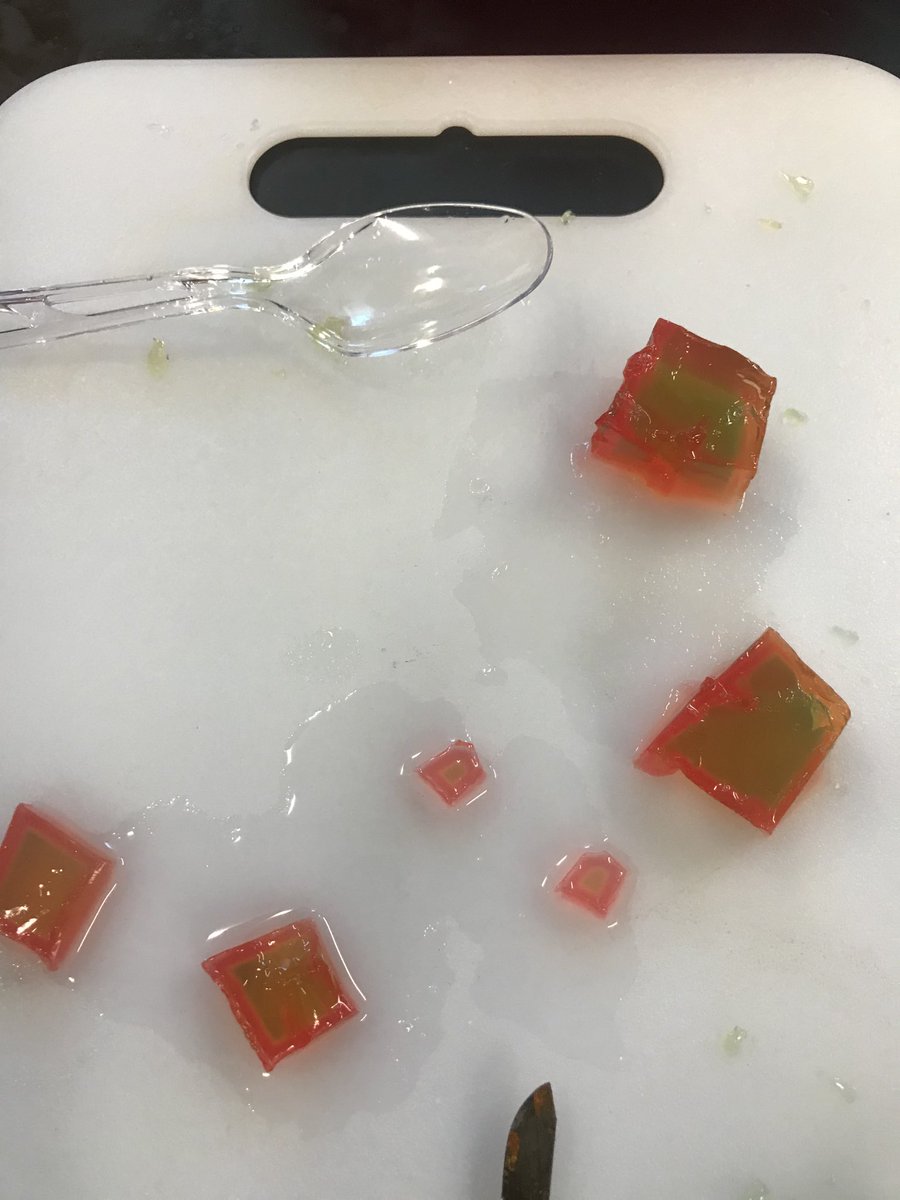
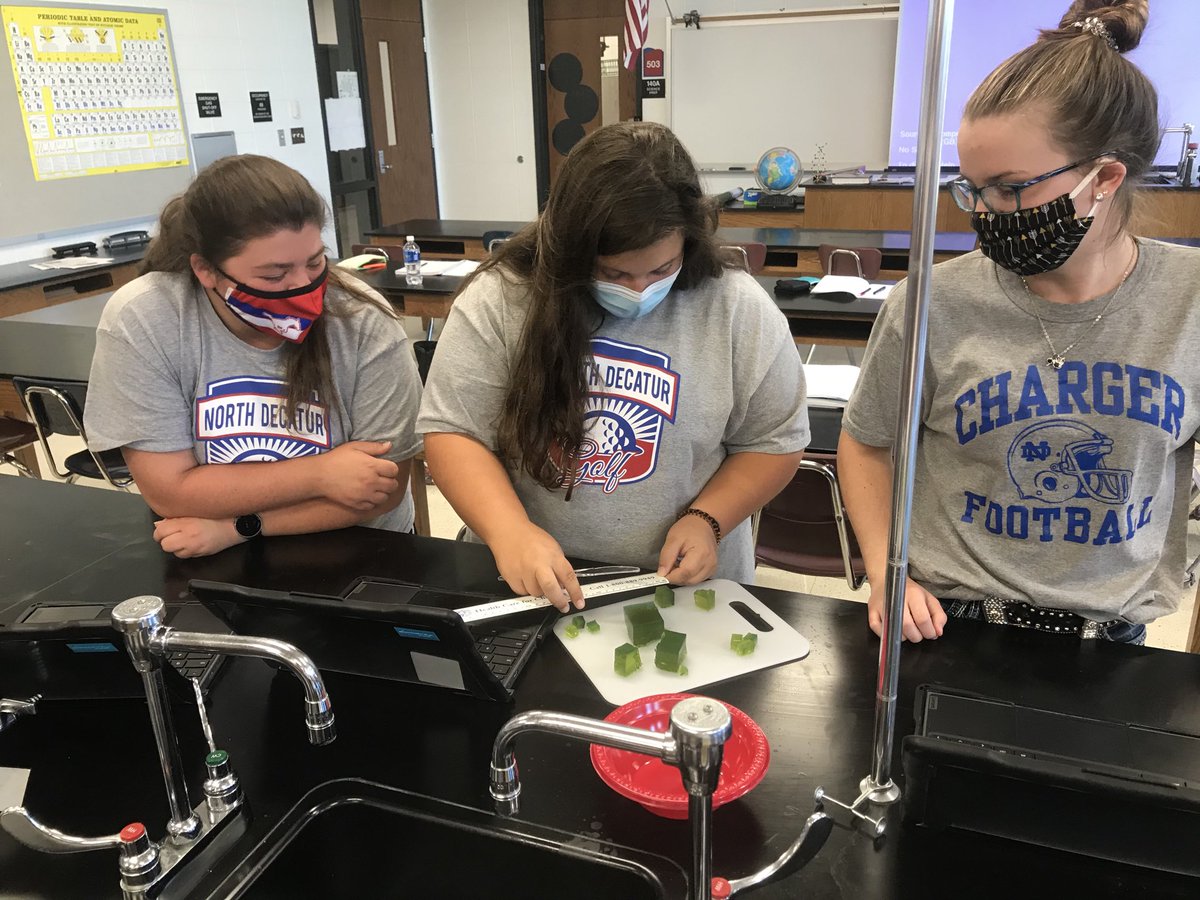
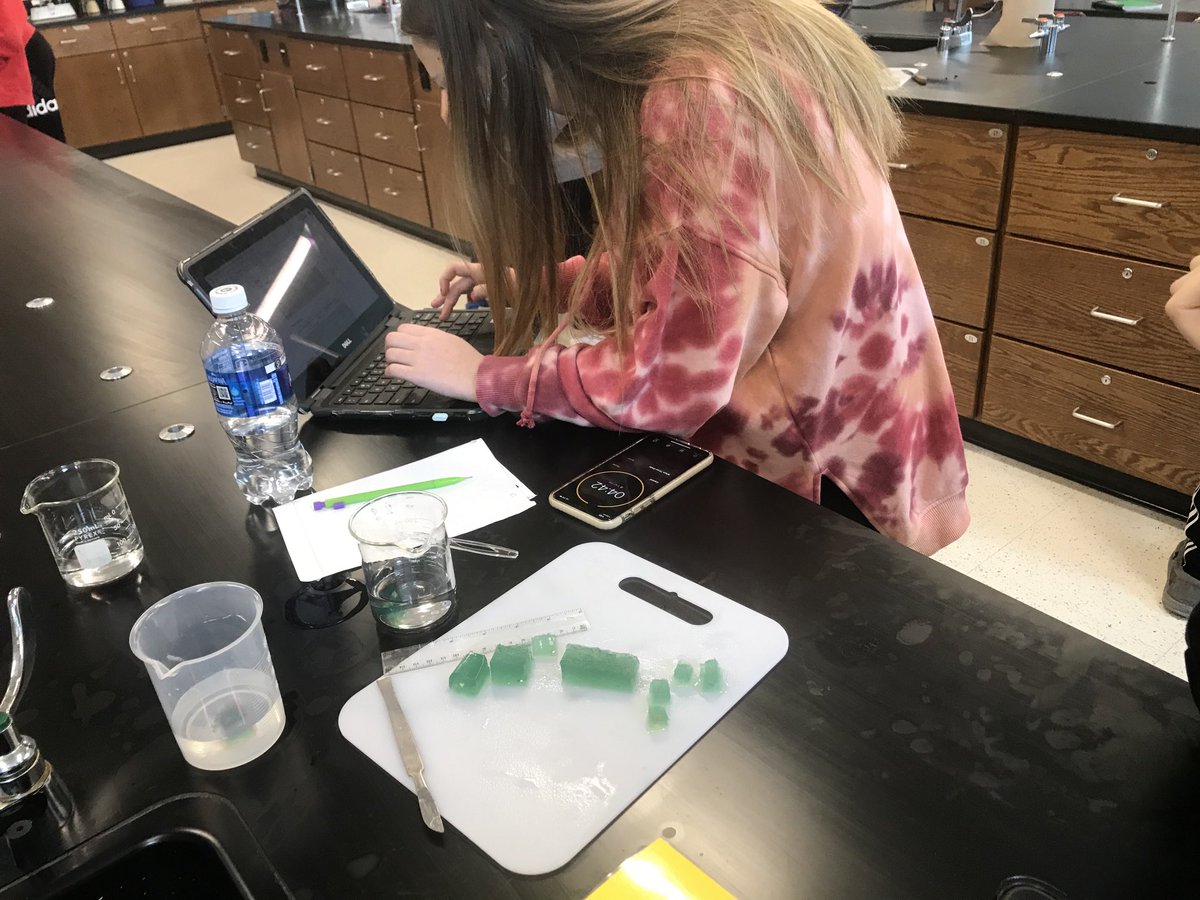
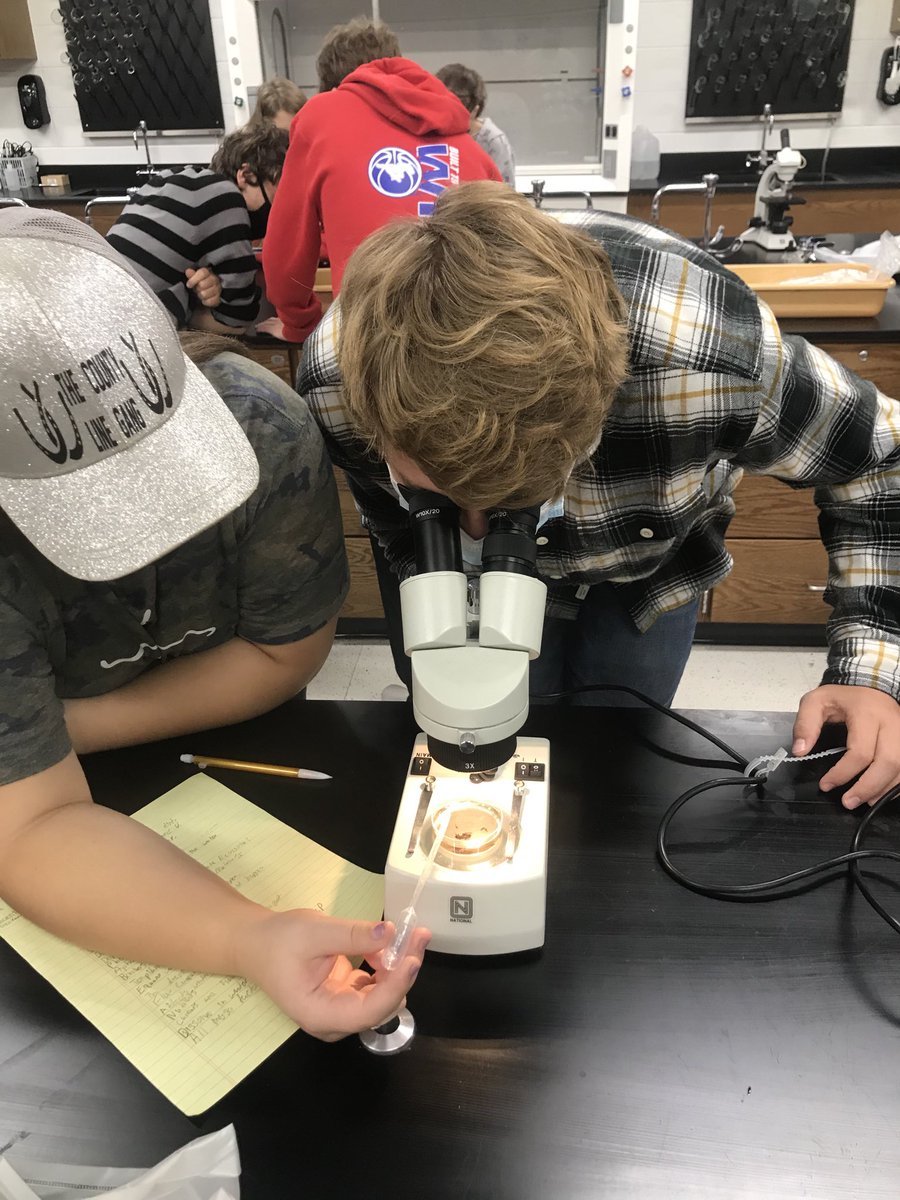
#1DCCS#NDCHARGERS#BIOLOGY Using Knox blocks with pH indicator to investigate the rate of diffusion of material into different cell sizes. A quick, easy, and super illustrative lab. Great job!
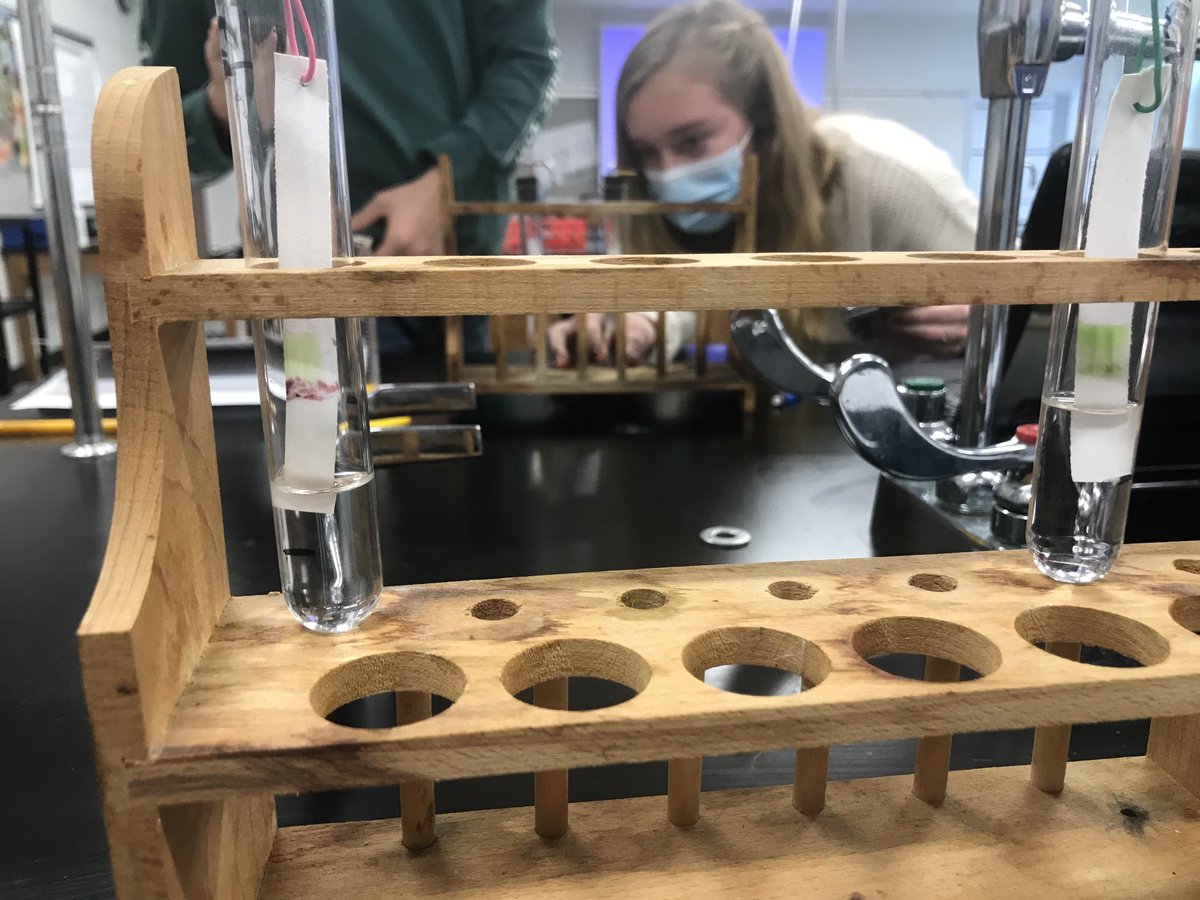
#1DCCS#NDCHARGERS#BIOLOGY Wait... photosynthesis needs chlorophyll,the pigment chlorophyll is green. Do red leaves have the same pigments? Do they do photosynthesis the same way? Experimental evidence suggests... YES.
#1DCCS#Biology#Photosynthesis Freshman biology students using spinach leaf disks to investigate what occurs during the light dependent reactions of photosynthesis. Great job today!
#1DCCS#ChargerPride#Biology Studying aquatic ecosystems. Biology students learned about the complex web of life forms that inhabit our local streams. Life at all scales. Gonna miss you the next two weeks! Be sure to spend some time outside.
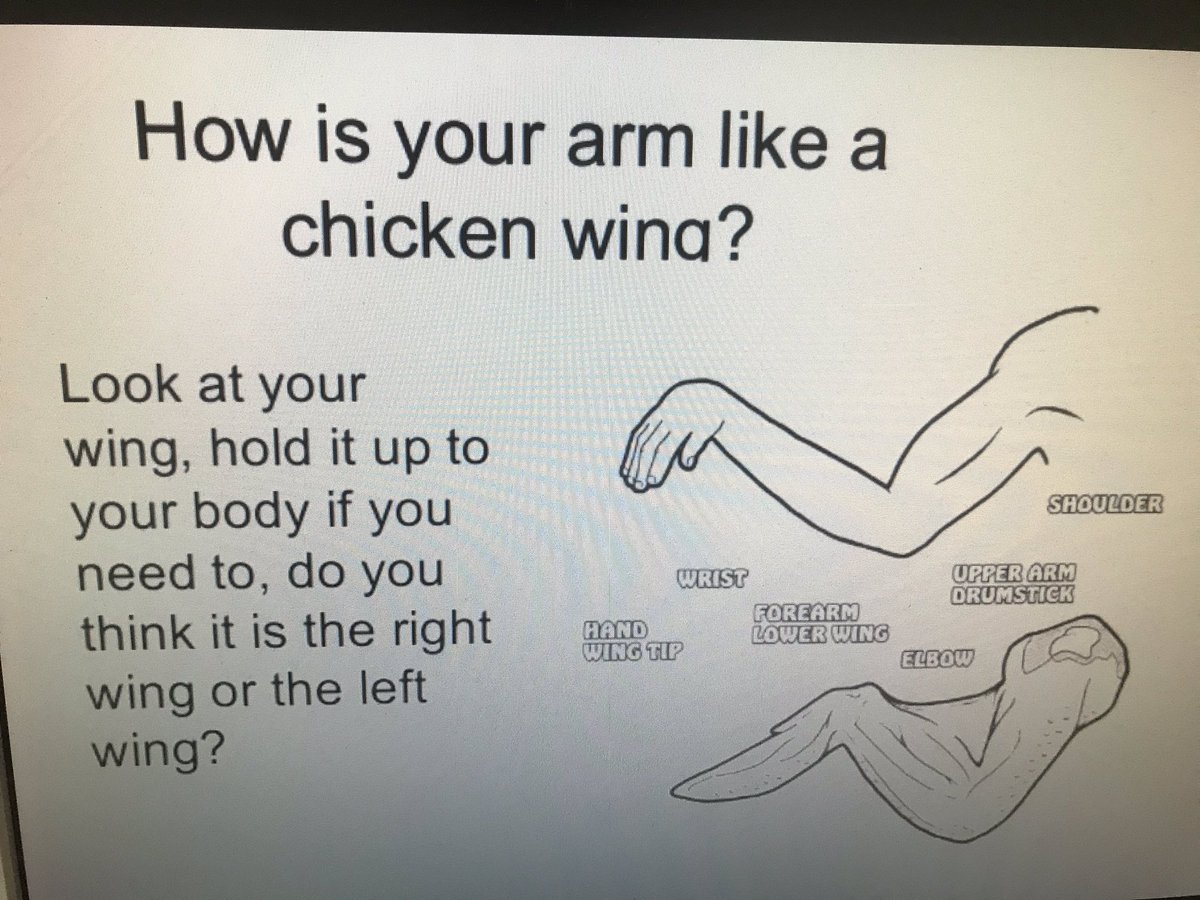
#1DCCS#CHARGERPRIDE#ANATOMY How IS your arm like a chicken wing? Anatomy students used a chicken wing dissection to model the human arm learning about joint movements and the roles of muscle, bone, tendon, ligament, and cartilage.
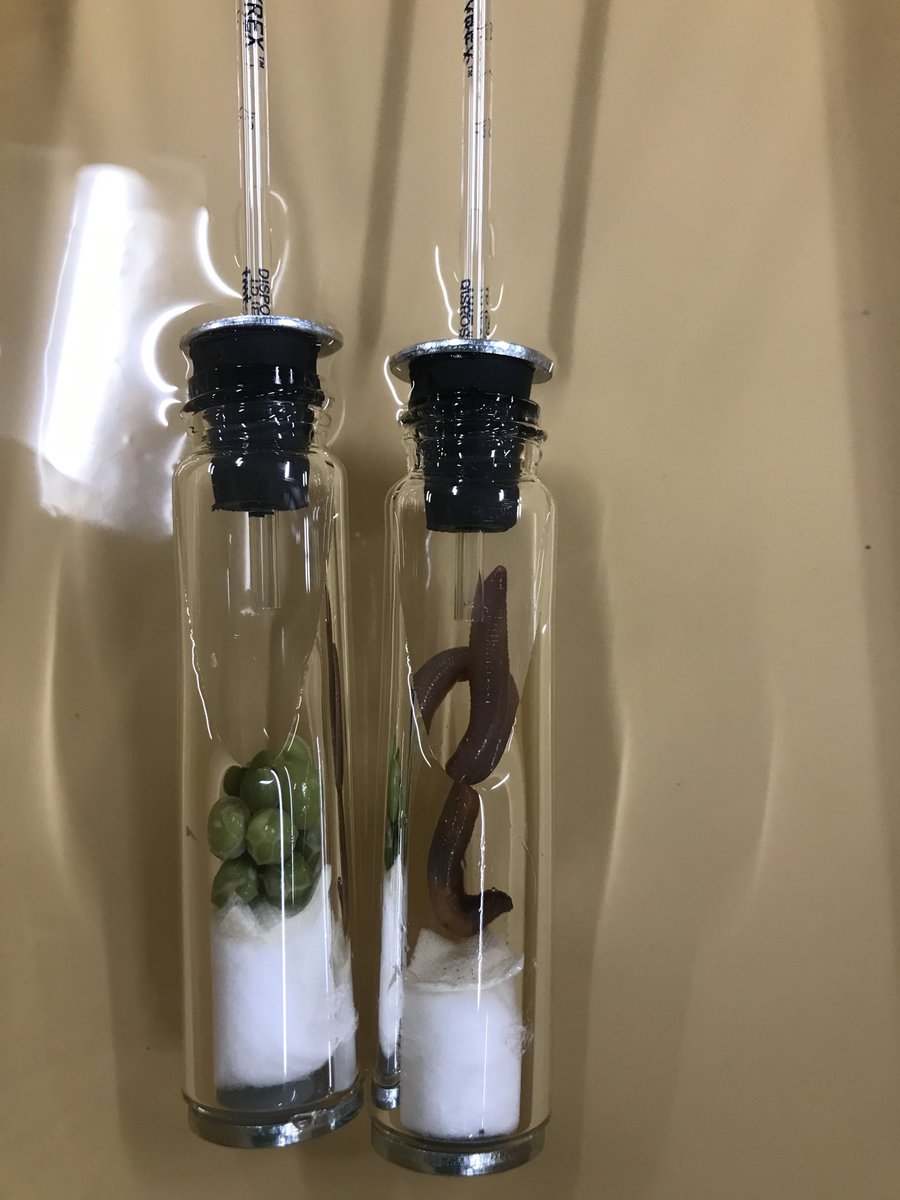
#1DCCS#chargerpride#APBIO Last week students followed structured procedures to measure respiration. Today they conducted independently designed investigations using last weeks discoveries as a starting point.
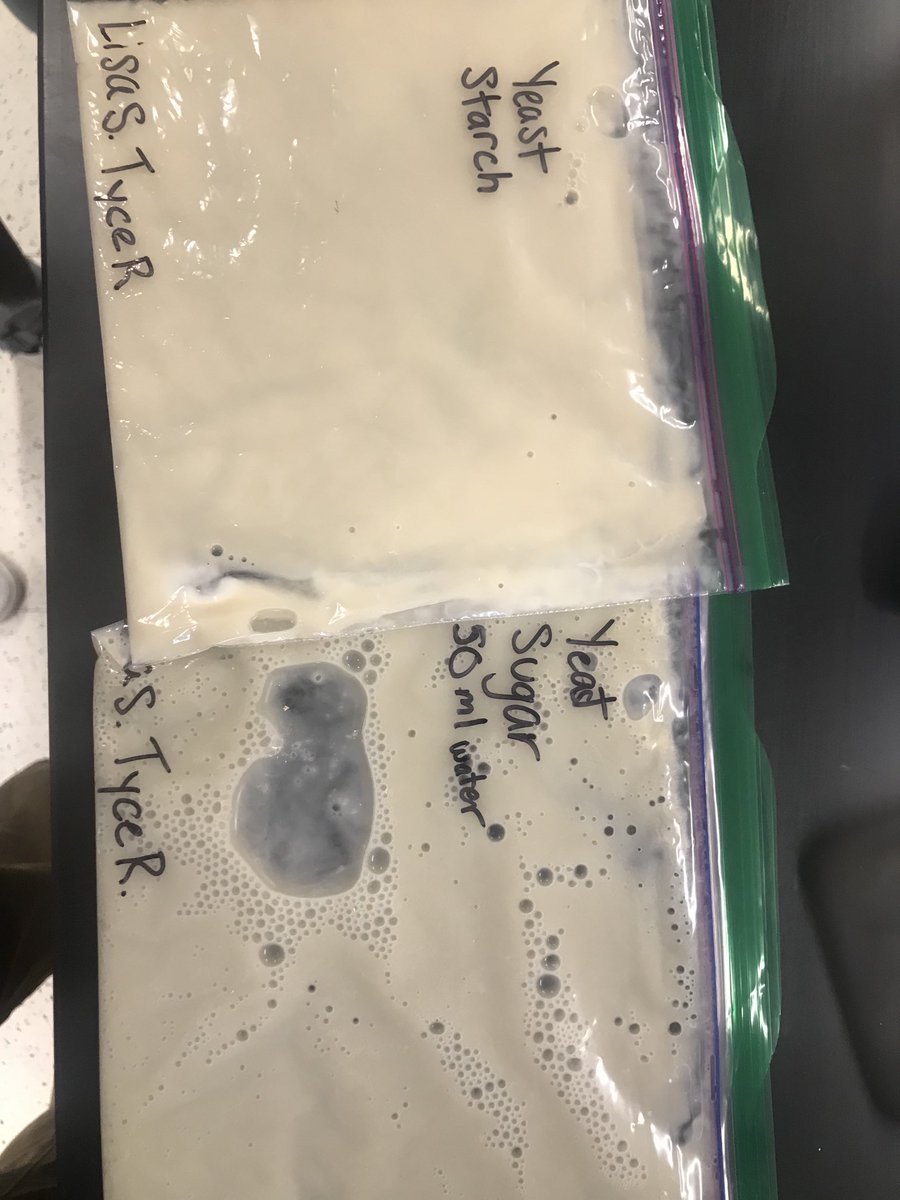
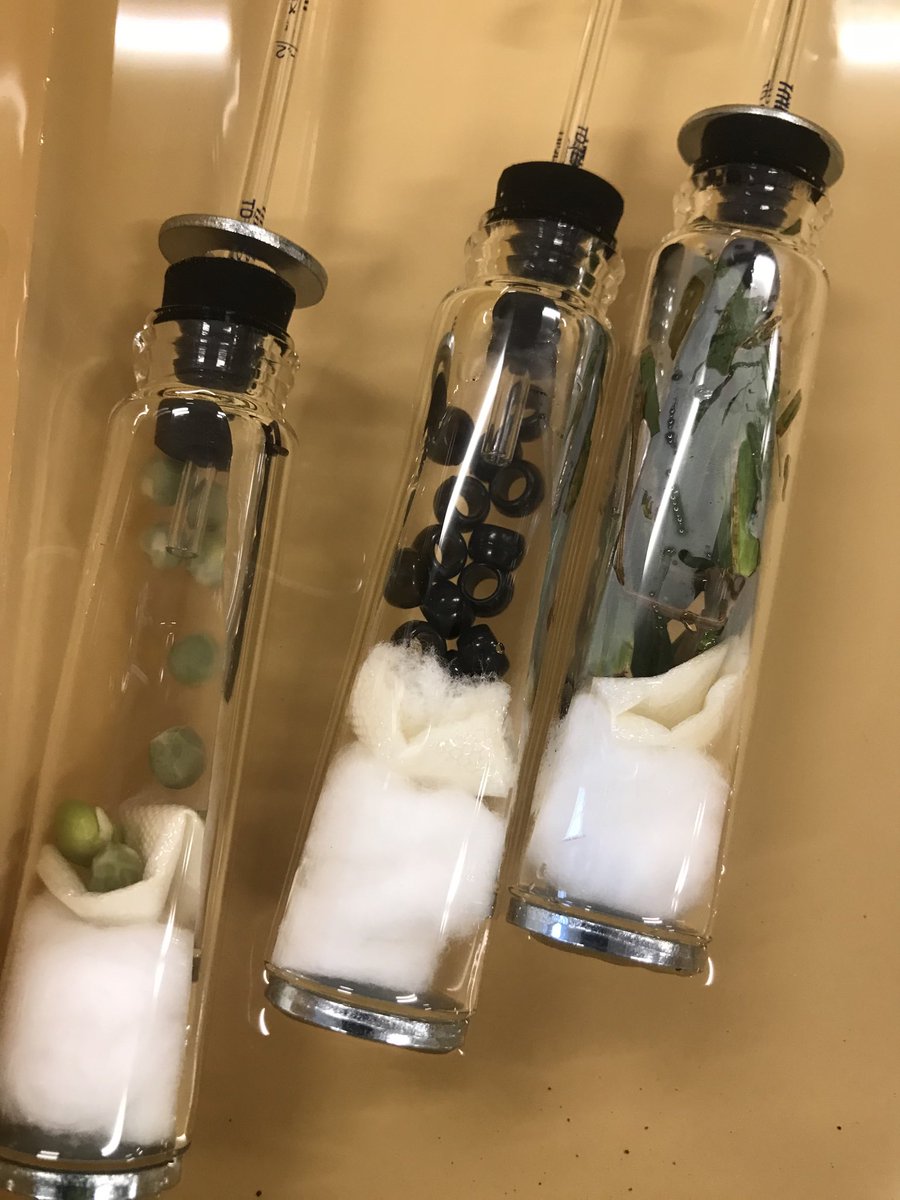
#1dccs#chargerpride#APBIO Developed respirometers in lab today to test differences in the rate of respiration. Initial results were great. Now students will develop independent investigations using today’s procedures.
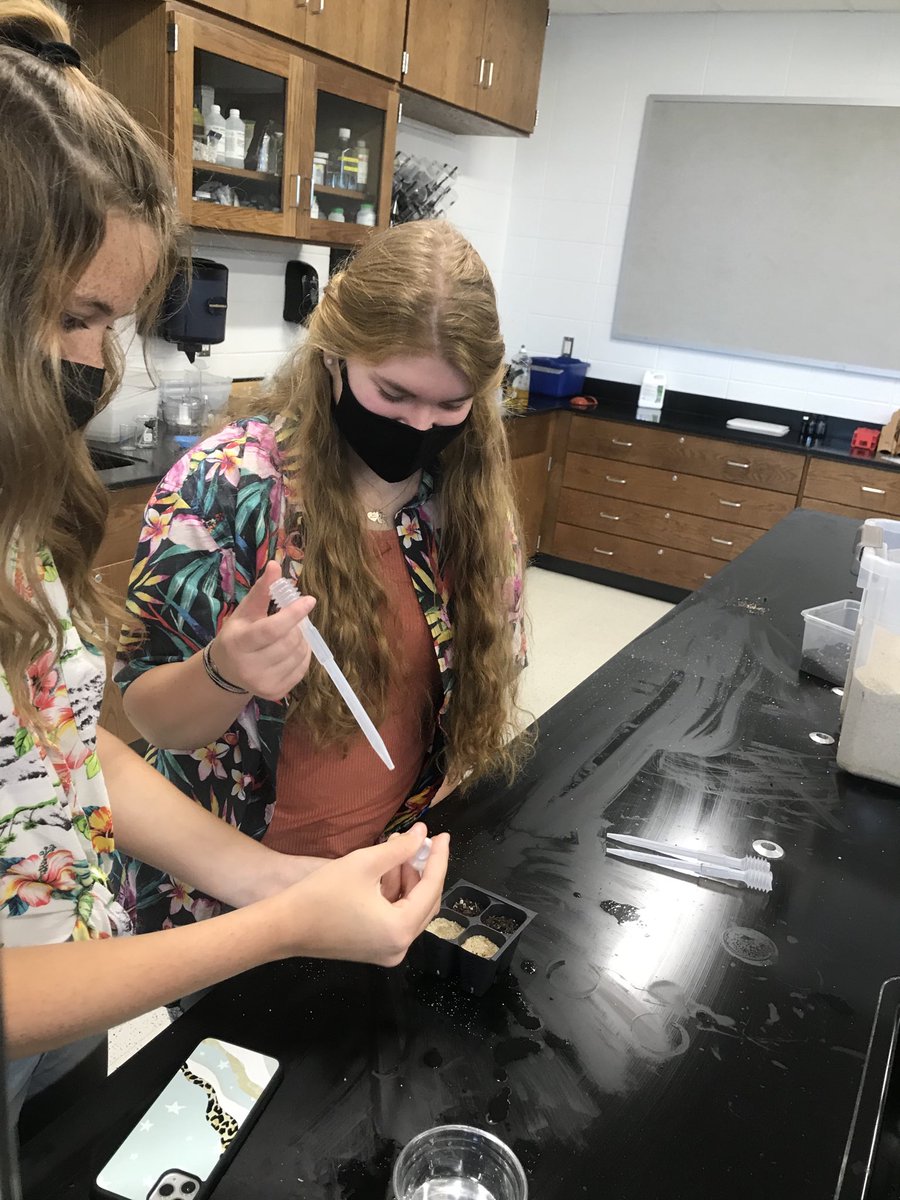
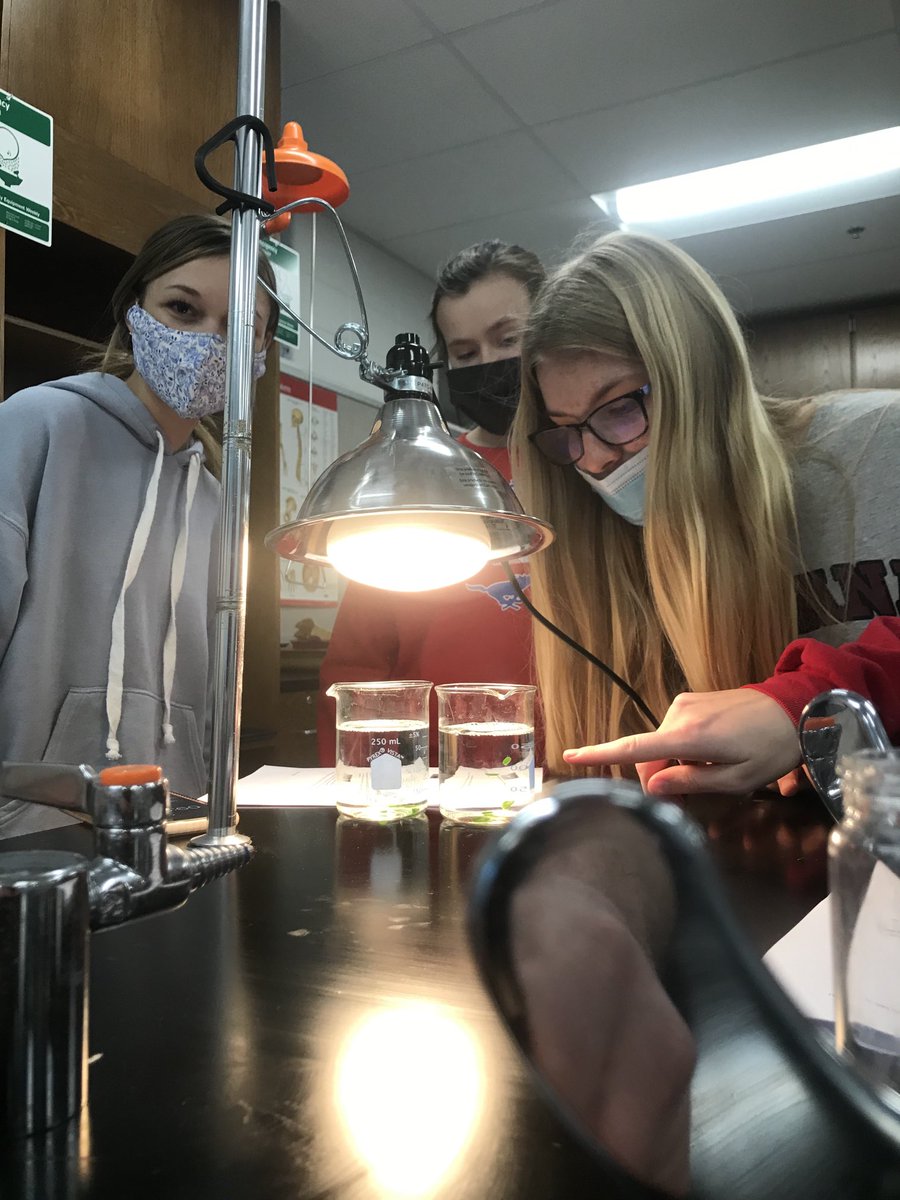
#1DCCS#Biology How do nutrients impact surface water? Biology I students designed experiments today to test the impact of nutrient concentration on the growth of algae.
#1DCCS#BIOLOGY Biology I students took the role of a carbon atom today and completed an experiment to model carbon’s paths through the biogeochemical cycle. We compared pre and post industrial revolution.
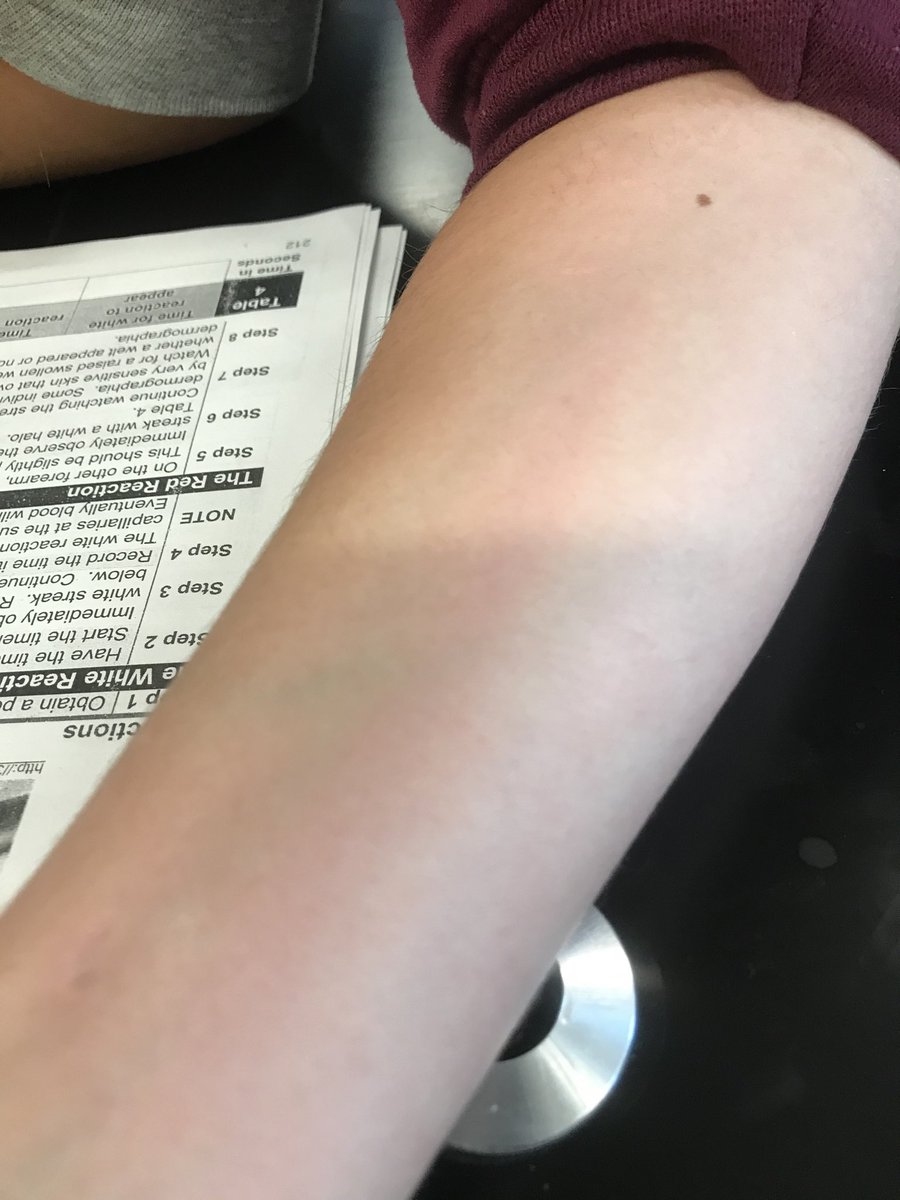
#1DCCS#anatomy Anyone that’s visited today’s anatomy lab would have truly thought we were mad scientists as we performed various experiments on ourselves to test our skins physiological responses to disturbance.
#1DCCS#APBIO Super cool lab today in APBIO. We used KnoxBlox cubes of different sizes infused with pH indicator to test the hypothesis that surface area to volume ratio limits the size of cells.
#1DCCS#ANATOMY Today anatomy students were tasked with developing an experiment using potatoes as a model for blood cells that demonstrated the activity of those cells in hypertonic, isotonic, and hypotonic solutions. They did great!