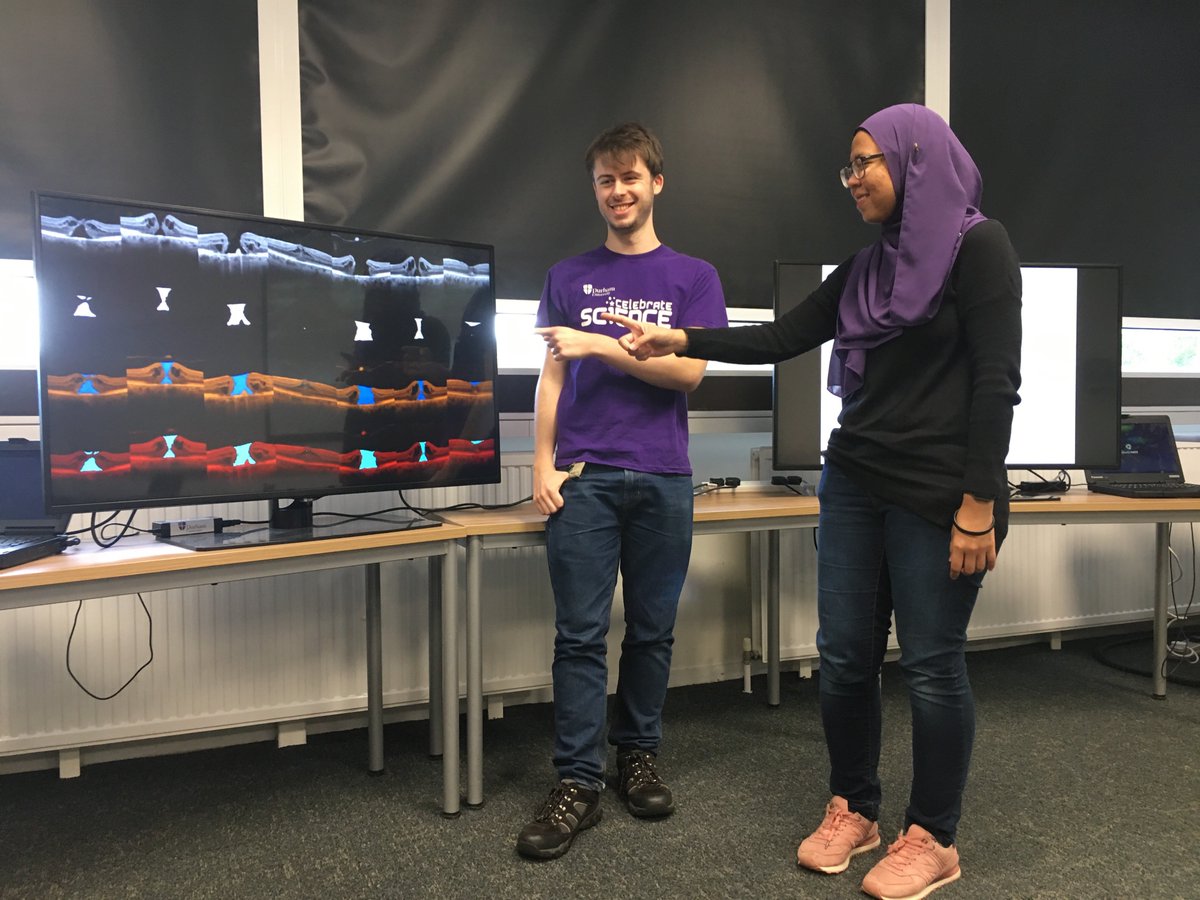
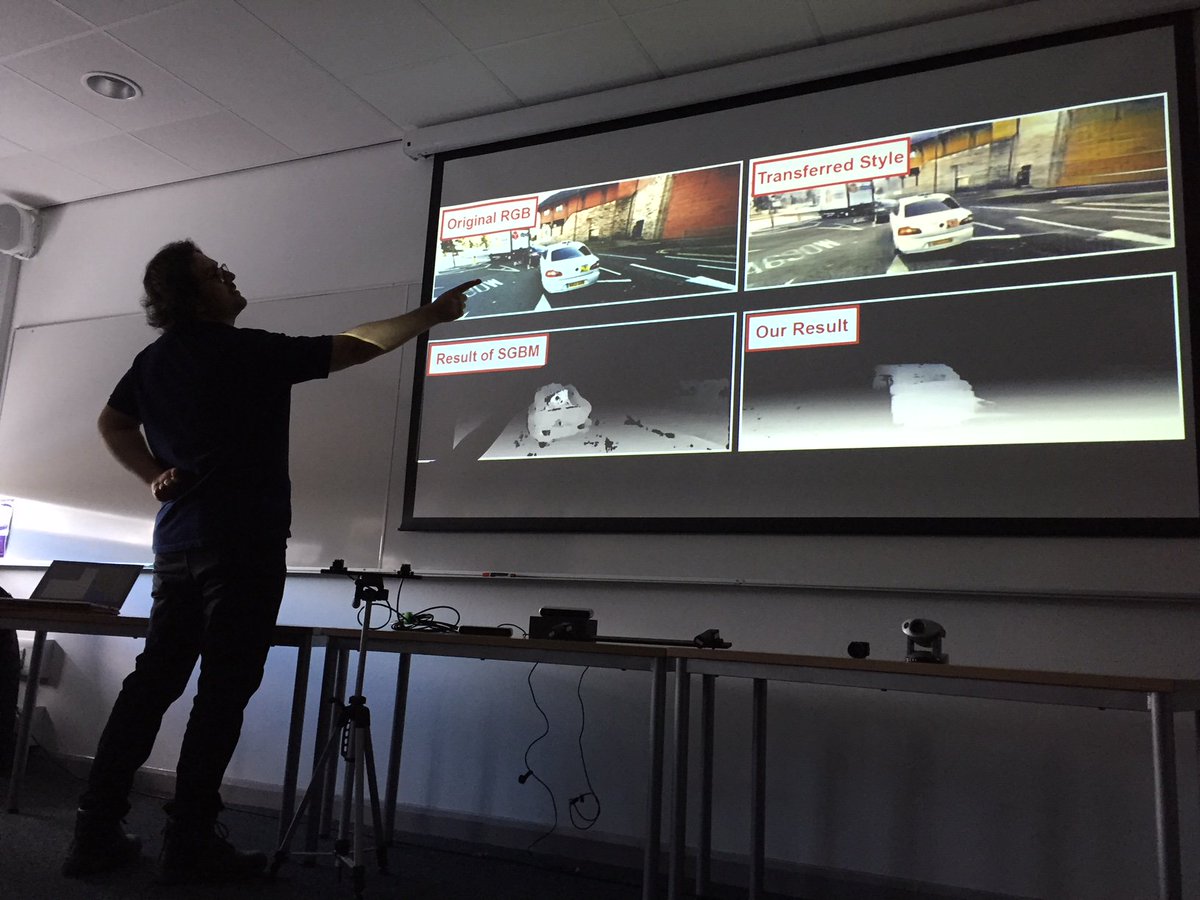
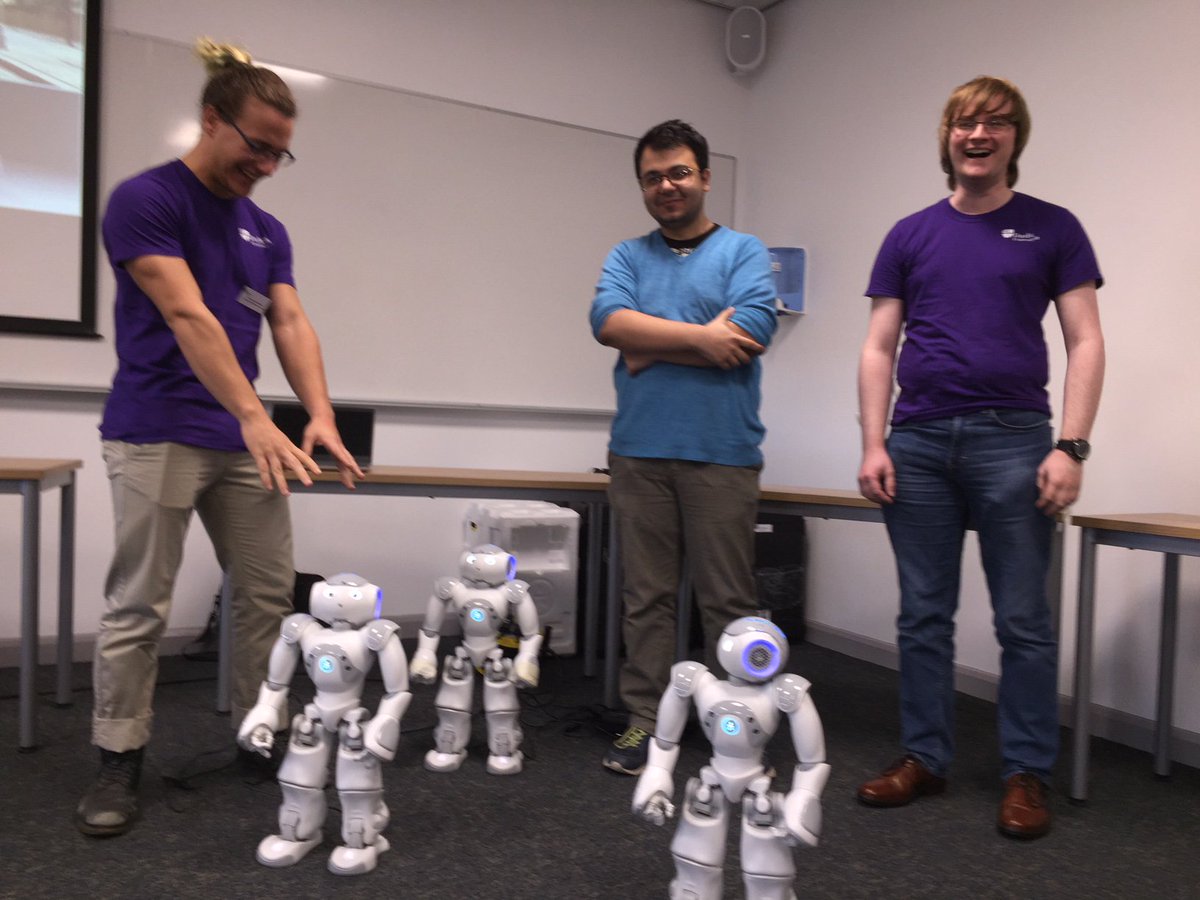
A fantastic @comp_sci_durham research showcase for the #DUOpenDay with Phil's psychedelic AI, the ticklish Nao robots, @intogral 's AI Medical Image Computing system, and Amir's research with GTA! @durham_uni - look out for our purple helpers! #Durham
Teams at @DeepMind_Health and @Moorfields have developed AI technology that can detect eye disease and prioritise patients. 'Clinically applicable deep learning for diagnosis and referral in retinal OCT' has been published online in @NatureMedicine today: https://t.co/3Iw5PKrSOJ
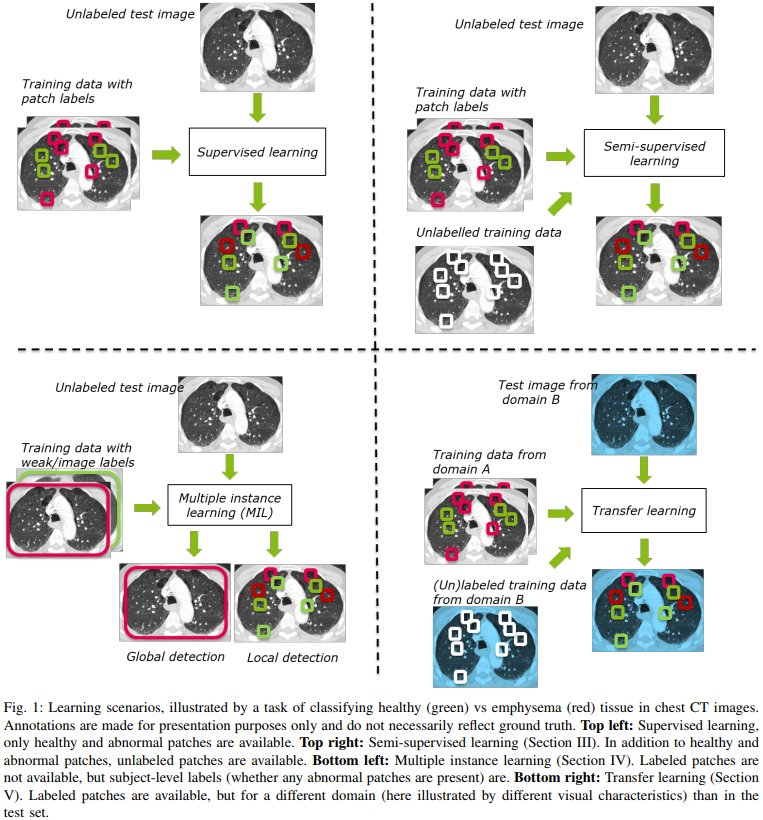
A great review of different techniques for medical images by @vcheplygina Marleen de Bruijne & Josien Pluim. Must-read to keep up-to-date with recent developments in medical imaging!
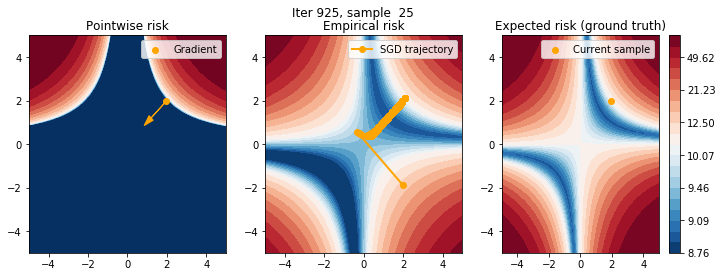
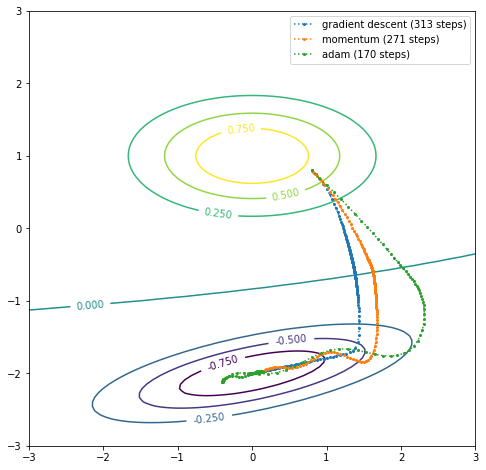
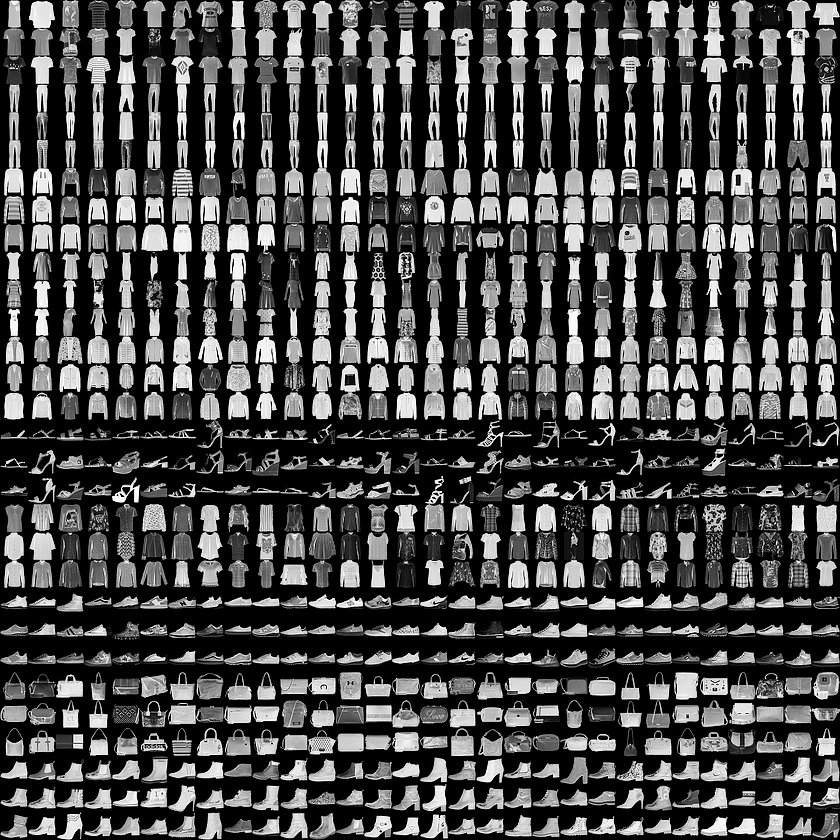
3 notebooks on @PyTorch : from optimization (autodiff basics) to learning (a 2-parameter MLP) to deep-learning (Fashion Mnist + learning rate tricks). Thanks @ogrisel@CharlesOllion for this collaboration ! https://t.co/Tgmwdbco1c
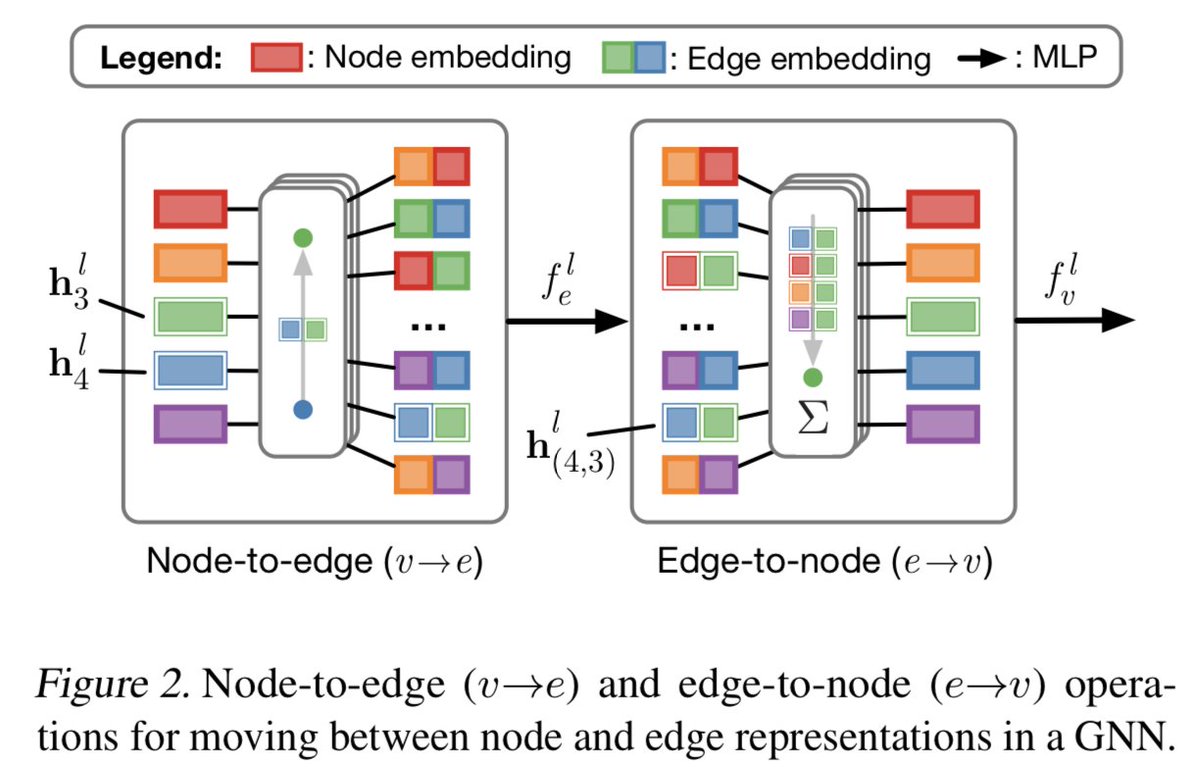
Our implementation (in PyTorch) of "Neural Relational Inference for Interacting Systems" is available on GitHub: https://t.co/x6wDfAhZno - includes a variant of Graph Neural Networks that learns both node- and edge-based representations. Joint work with @EthanFetaya
getting some impressive early results training pix2pixHD on satellite imagery of New York.
left: real
middle: label map from @Mapbox
right: reconstruction
Our updated TCN results show that a real robot can learn a new task from a single human video after self-supervising on unlabeled videos. Details at https://t.co/xQEBtfVAfD
Tensor Comprehensions are now integrated and interoperable with @PyTorch .
Read our blog post to get started: https://t.co/CJ0jxu1q7v https://t.co/HS3IDRjXyz
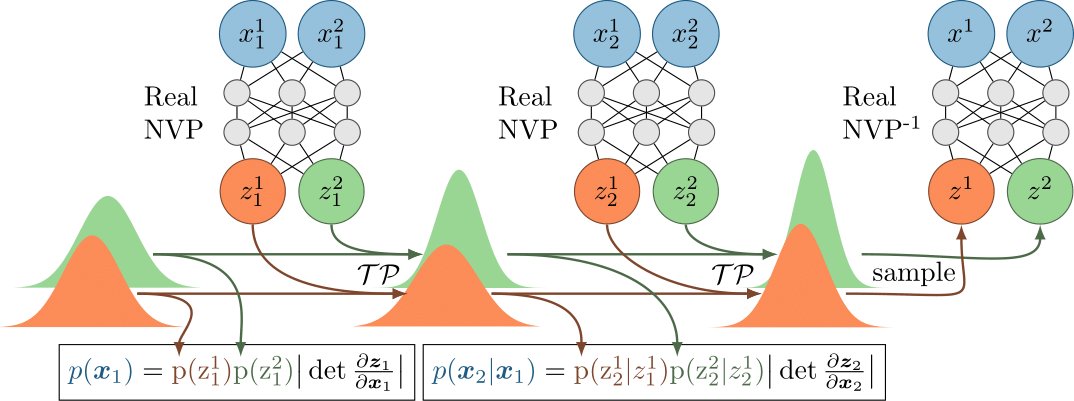
Check out our paper on modelling exchangeable sequences using Student-t processes & Real NVP. We called it BRUNO: Bayesian RecUrrent Neural mOdel (a tribute to de Finetti) 🙂 https://t.co/X7fa0hOWim with @317070, @fhuszar, @yaringal, @JoniDambre, @ArthurGretton