Our virtual exhibition is now live! Imagined as a digital scrapbook, it brings together nearly 1,500 exhibits relating to new intoxicants in Amsterdam, Hamburg, London, and Stockholm, 1600–1850. We hope you like it and find it useful! https://t.co/zqDXXC0lBu ☕️🌿🍫💊
New project! Building on insights developed within Intoxicating Spaces, Place, Craft, and Alcohol in Historical Perspective is exploring artisan brewing and distilling in Sheffield with a wide range of partners. Find out more on the project's website: https://t.co/0IoJsRvJ8H 🍻🍸
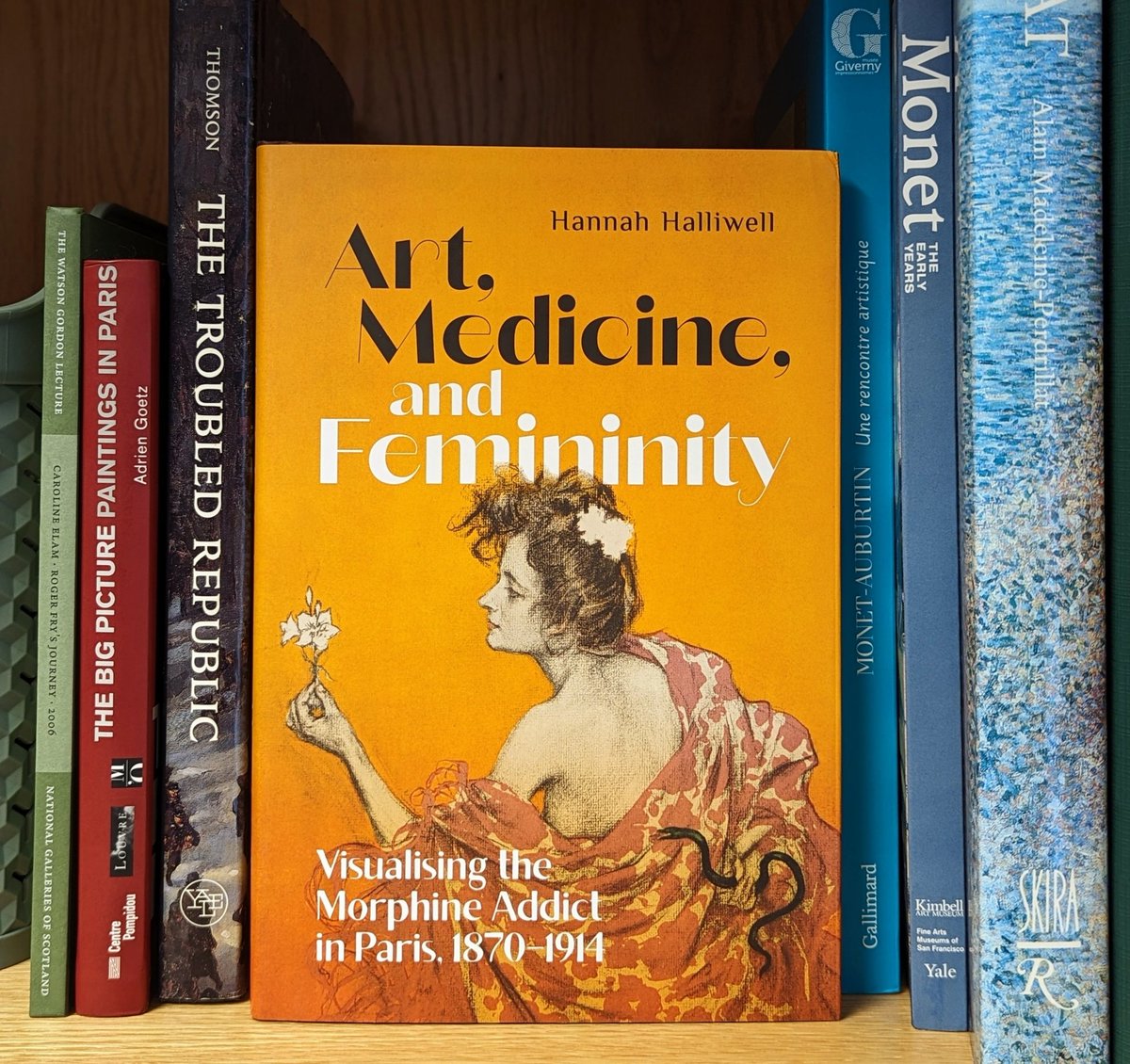
My book is officially out!!!!
I can't believe I am putting my own book on my bookshelf 😭
'Art, Medicine, and Femininity: Visualising the Morphine Addict in Paris, 1870-1914' @McGillQueensUP
✨You can get a cheeky 30% off with the code MQF2✨
https://t.co/BsLSByzrj2
Liquid Bewitchment: Gin Drinking in England, 1700–1850" in which James Brown enters the architecture of intoxication — dram shops, gin halls, barbershops — exploring the spaces that catered to pleasure or evil, depending who you asked: https://t.co/0uXe8EVavM
I've been chucking my recent clay pipe finds (#found#mudlarking on the #thames) into this glass box over the last few months.
I tend not to take pictures of them on the #foreshore as I get lost in the moment - plucking them like flowers from the #mud. 1600s-1700s #claypipes
My collection of weird intoxicating tales is almost a reality. Been checking galleys this week so nearly there. I hope you guys enjoy it. Will let @DrinkingStudies and @drughistory know when it's out 🍷👻
Anchovy ice cream? Sign me up!🍦
I had a great time writing this piece for @ConversationUK about historical ice cream, leisure, and food in heritage properties. Whether the flavours are tantalising, or best left in the past, is up to you...
https://t.co/neWpTvootu
Thank you all for this enthusiasm! Do you also know that my "History, Space and Place" is now available in #openaccess?
https://t.co/WZguX9PRnm
#spatialhistory and also a chapter on #cities
"the study of the city as a space can now be more fully understood by a more nuanced account of the city as a changing configuration of places or the urban as a process"
#UrbanHistory50 https://t.co/wn7dj7NS2V
@JamesKneale @HauntedLscapes This looks amazing (both your paper and the conference)! Intoxicants and the supernatural definitely seem ripe for further investigation; there are some preliminary and inchoate thoughts on our blog: https://t.co/pbwEjS9xkV 🥃👻
2024 will be 70 years since Terry’s discontinued its ‘chocolate apple’ - the counterpart to its ‘chocolate orange’. I’m so curious to find out how it tasted. Come on @Carambar_France, limited edition anniversary run!? 1/-
For those who might be interested in reading the "coffee" part in Natural Things in Early Modern Worlds, I have uploaded the whole chapter ☕️
"Coffee: Of Melancholic Turkish Bodies and Sensory Experiences"
#twitterstorians
https://t.co/OCIim7askY via @academia
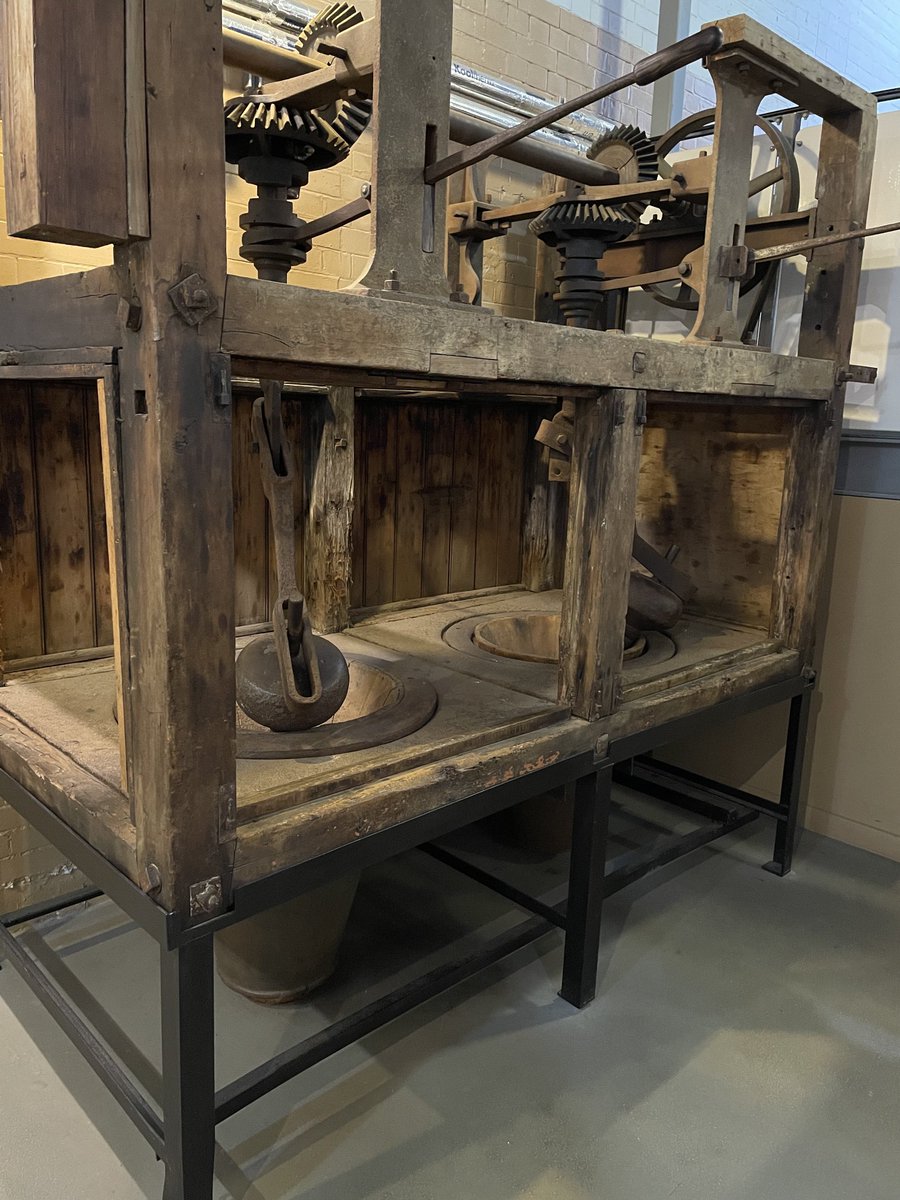
Industrial snuff: these giant pestle and mortars were designed to grind tobacco for snuffing, housed in @KelhamIsland in Sheffield, from local snuff makers Wilson & Co. @intoxspaces #tobaccohistory#snuff
Tobacco Club, a painting by Abraham Teniers, mid-17th century.
Singerie — from the French for “Monkey Trick” — is a genre of art in which monkeys are depicted mimicking human behaviour. See our top pick of examples here: https://t.co/isMfRqDvXW