शान्ताकारं भुजंगशयनं पद्मनाभं सुरेशं
विश्वाधारं गगन सदृशं मेघवर्ण शुभांगम्।
लक्ष्मीकांत कमलनयनं योगिभिर्ध्यानगम्यं
वन्दे विष्णु भवभयहरं सर्व लौकेक नाथम्॥
यं ब्रह्मा वरुणैन्द्रु रुद्रमरुत: स्तुन्वानि दिव्यै स्तवैवेदे:
सांग पदक्रमोपनिषदै गार्यन्ति यं सामगा:।
ध्यानावस्थित तद्गतेन मनसा पश्यति यं योगिनो
यस्यातं न विदु: सुरासुरगणा दैवाय तस्मै नम:॥
सर्वधर्मान् परित्यज्य मामेकं शरणं व्रज।
अहं त्वा सर्वपापेभ्यो मोक्षयिष्यामि मा शुचः॥
सब प्रकार के धर्म-कर्म के जटिल विचारों को छोड़कर बस मेरी शरण में आ जाओ।
मैं तुम्हें हर प्रकार के दुखों और पापों से मुक्त कर दूँगा तुम चिंता मत करो। श्रीमद् भगवद्गीता - अध्याय 18, श्लोक 66
जय श्री राम चंद्र॥ 🙇♂️✨ 🚩
@Vision4theBlind All big politicians and drug makers made fool of the common people throughout the world in the name of vaccine mandates! Shame on these people.
@jamsdeareader They don’t just spray but the force of the jet pierces through the skin and the vaccine gets injected, that’s how it used to be in early days, my parents still have those vaccination marks on their arms.
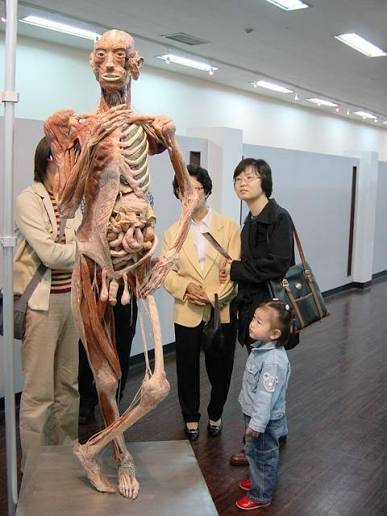
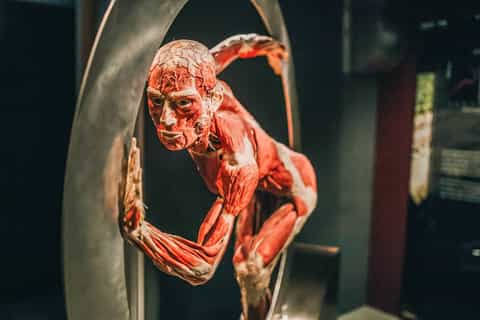
Body Worlds is a traveling exhibition featuring real human bodies and anatomical specimens that have been preserved using a technique called "plastination."
While the exhibition was created by German anatomist Gunther von Hagens, Japan played a pivotal role in its history: the very first Body Worlds exhibition was held in Tokyo in 1995. Since then, it has toured globally, attracting millions of visitors while simultaneously generating intense ethical and legal debates.
Here is a breakdown of the primary controversies surrounding the exhibits:
1. Consent and the Sourcing of Bodies
The most severe criticism leveled against Body Worlds concerns the origins of the human remains and whether the deceased individuals gave prior consent to be displayed.
Chinese Prisoners: In 2004, the German magazine Der Spiegel published an investigative report alleging that von Hagens' company had acquired the corpses of executed Chinese prisoners. Von Hagens claimed he had instructed his employees not to accept executed bodies and subsequently returned seven cadavers to China that had head injuries, including bullet holes in the skulls.
Russian and Kyrgyz Academies: In 2002, Russian doctors were charged with illegally supplying von Hagens with the bodies of convicts, homeless individuals, and mentally ill patients without the consent of their relatives. Similar issues arose in 2005 regarding bodies obtained illegally from the Kyrgyz State Medical Academy.
Anonymity as a Shield: Because the plastination process strips the bodies of their identifying features, and the exhibits are kept anonymous to "protect privacy," it is nearly impossible for independent investigators to match specific consent forms to the actual bodies on display.
2. Ethical Concerns and Human Dignity
Many bioethicists, religious groups, and politicians have objected to the commercial display of human remains.
While von Hagens promotes the exhibit as an educational tool meant to teach the public about anatomy and health, critics argue that posing corpses in dramatic, athletic, or artistic positions crosses the line into sensationalism and voyeurism.
The core debate centers on whether monetizing the display of human cadavers fundamentally violates human dignity, even if consent was legally obtained.
3. Exploiting Import and Customs Loopholes
International trade experts have raised concerns about how the bodies cross borders. The cadavers used in Body Worlds are often imported under customs classification codes designated for "art collections" or "anatomical collections".
By doing this, the exhibitors bypass the stringent requirements normally applied to medical cadavers, which mandate death certificates and Centers for Disease Control (CDC) sanitary stamps to ensure the bodies are free from infectious diseases.