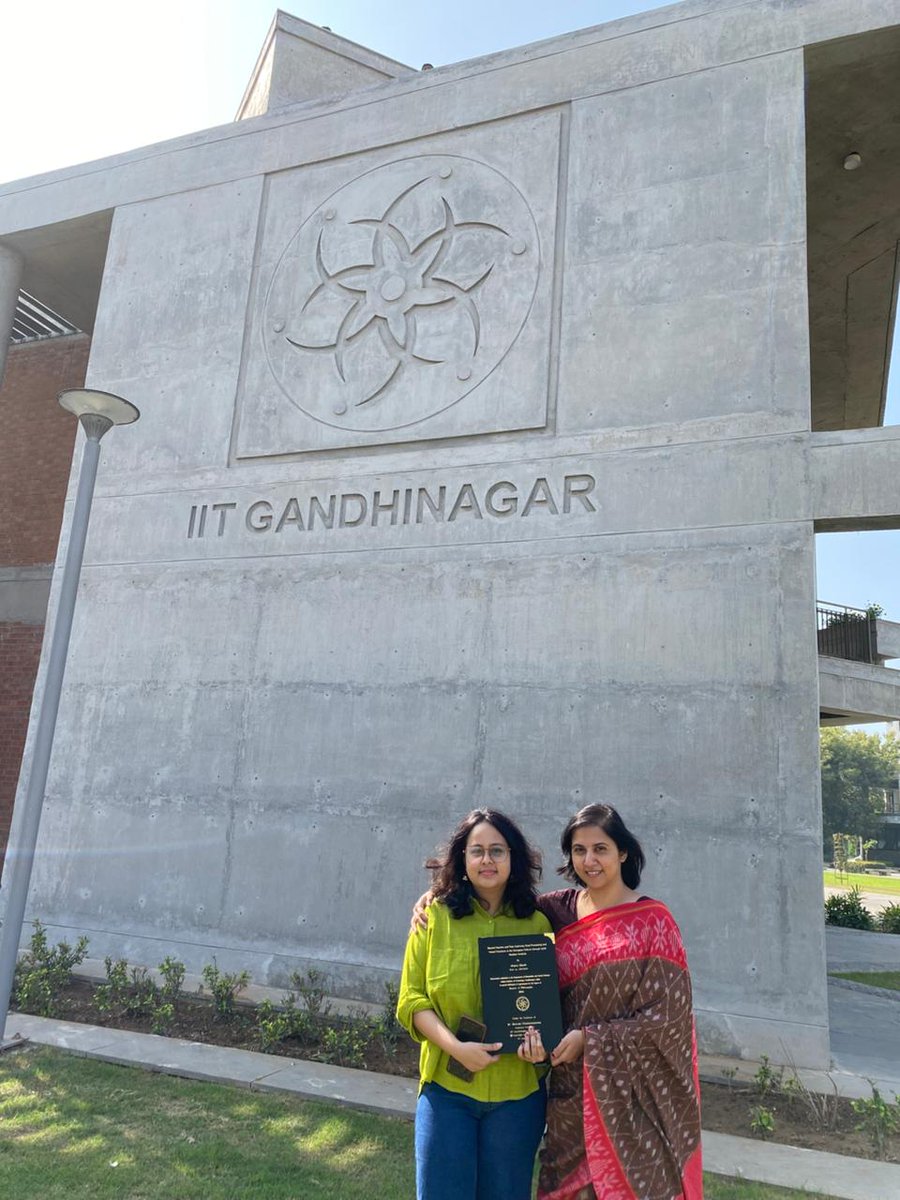
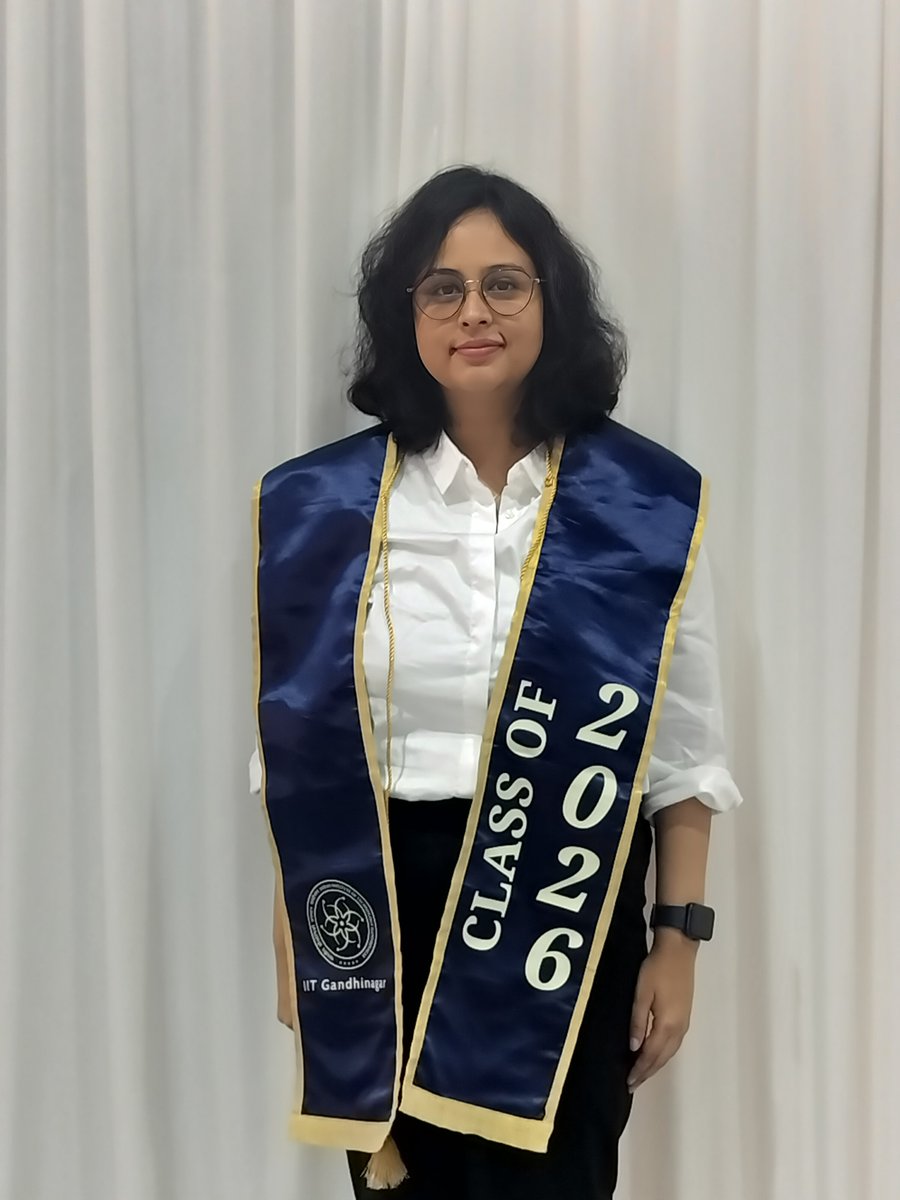
Congratulations to IRN Lab alumna Ahana Ghosh on earning her PhD at IIT Gandhinagar's 15th Convocation! Her research used biomoleclar approach to investigate Harappan foodways and ceramic vessel functions. Wishing her continued success in her research journey!
IRN Lab’s Arefa Chimthanawala virtually presented her paper at the 61st International Congress on Medieval Studies, Michigan, USA, on anthropogenic taphonomy at Vedi Fortress, Armenia, highlighting Early Medieval subsistence, craft practices, and resource use. Congratulations!
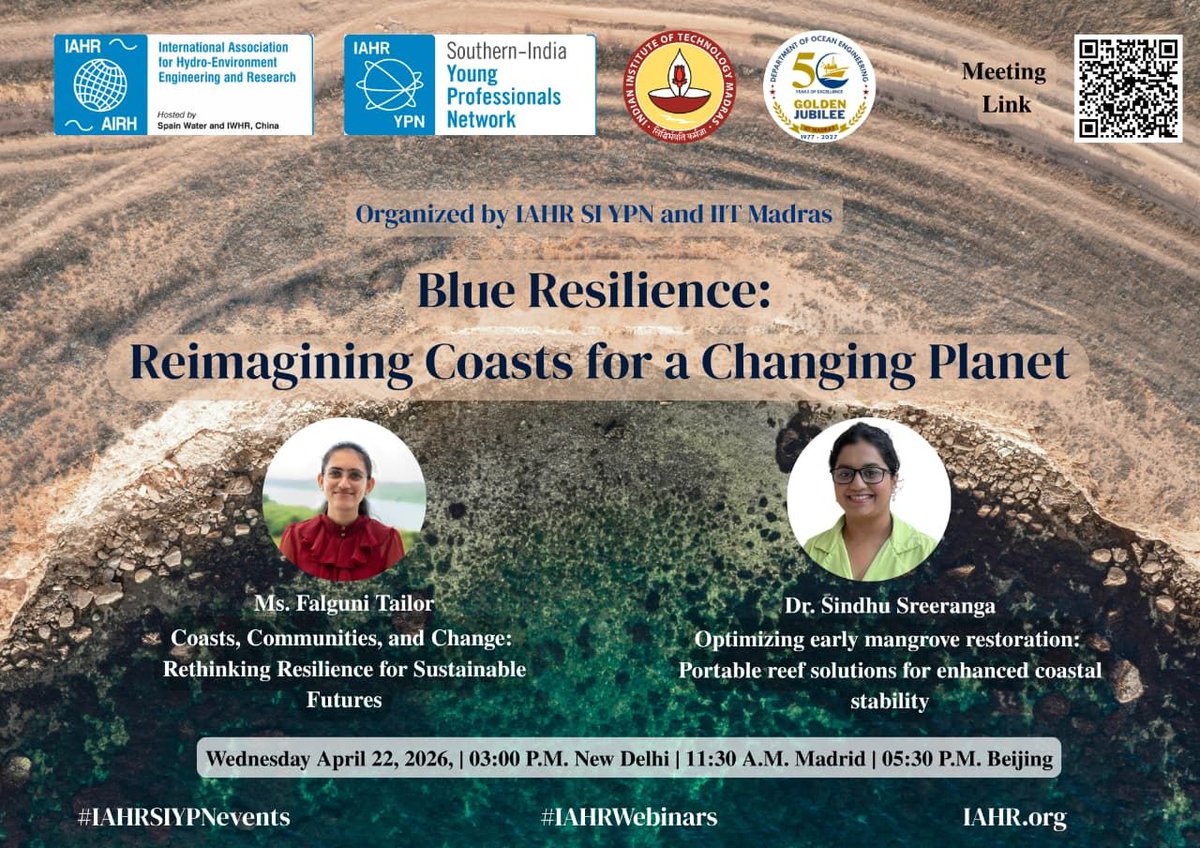
IRN Lab member Falguni Tailor delivered a talk on coastal resilience, sustainability, and climate challenges at the IAHR SI Young Professionals Network webinar with IIT Madras. Congratulations on this important contribution!
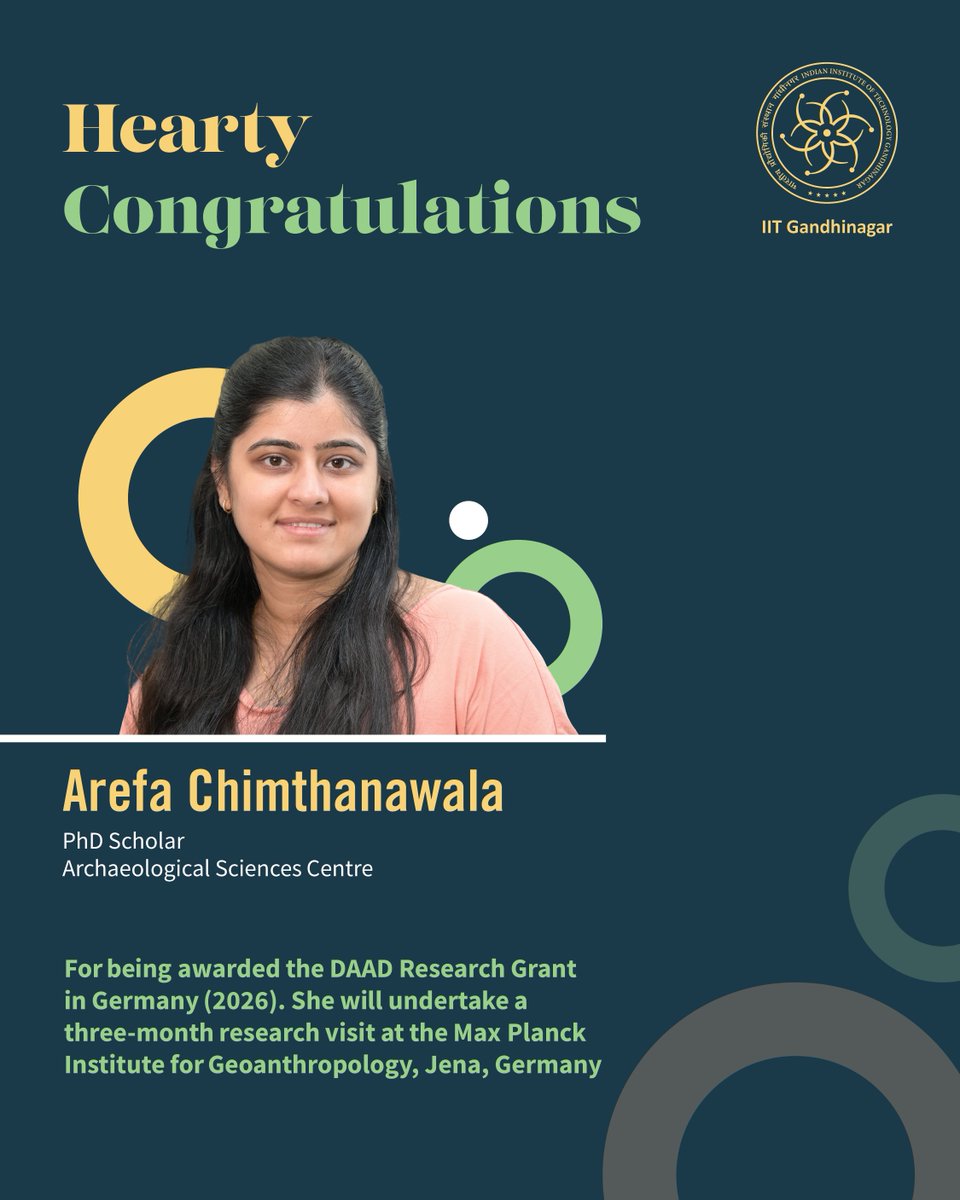
𝗜𝗜𝗧𝗚𝗡 congratulates 𝗔𝗿𝗲𝗳𝗮 𝗖𝗵𝗶𝗺𝘁𝗵𝗮𝗻𝗮𝘄𝗮𝗹𝗮, PhD scholar at the Archaeological Sciences Centre, Humanities and Social Sciences, IITGN, on being awarded the DAAD Research Grant in Germany (2026).
Working under the guidance of Prof Sharada Channarayapatna, she will undertake a three-month research visit at the Max Planck Institute for Geoanthropology, Jena, Germany.
#IITGN #IITGNShines #IITGNResearch #DAAD #ResearchExcellence #PhDResearch #GlobalResearch
IRN Lab Doctoral Researcher Angad Lamba receives a competitive grant to attend ISA 2026, Turin, presenting on bovid traction in Harappan Gujarat. Congratulations on this achievement and best wishes for a productive symposium experience!
IRN Lab’s Dr. Camellia Biswas & Dr. Sharada Channarayapatna published a paper on Indigenous storytelling as ecological knowledge, highlighting resilience and reciprocity while advocating decolonized environmental governance linking Indigenous and scientific knowledge systems.
𝗜𝗜𝗧𝗚𝗡 𝗵𝗼𝘀𝘁𝘀 𝗮𝗻 𝗶𝗻𝘁𝗲𝗿𝗻𝗮𝘁𝗶𝗼𝗻𝗮𝗹 𝘀𝘆𝗺𝗽𝗼𝘀𝗶𝘂𝗺 𝗼𝗻 𝗦𝗼𝘂𝘁𝗵 𝗔𝘀𝗶𝗮𝗻 𝗣𝗮𝗹𝗮𝗲𝗼𝗹𝗶𝘁𝗵𝗶𝗰 𝗔𝗿𝗰𝗵𝗮𝗲𝗼𝗹𝗼𝗴𝘆
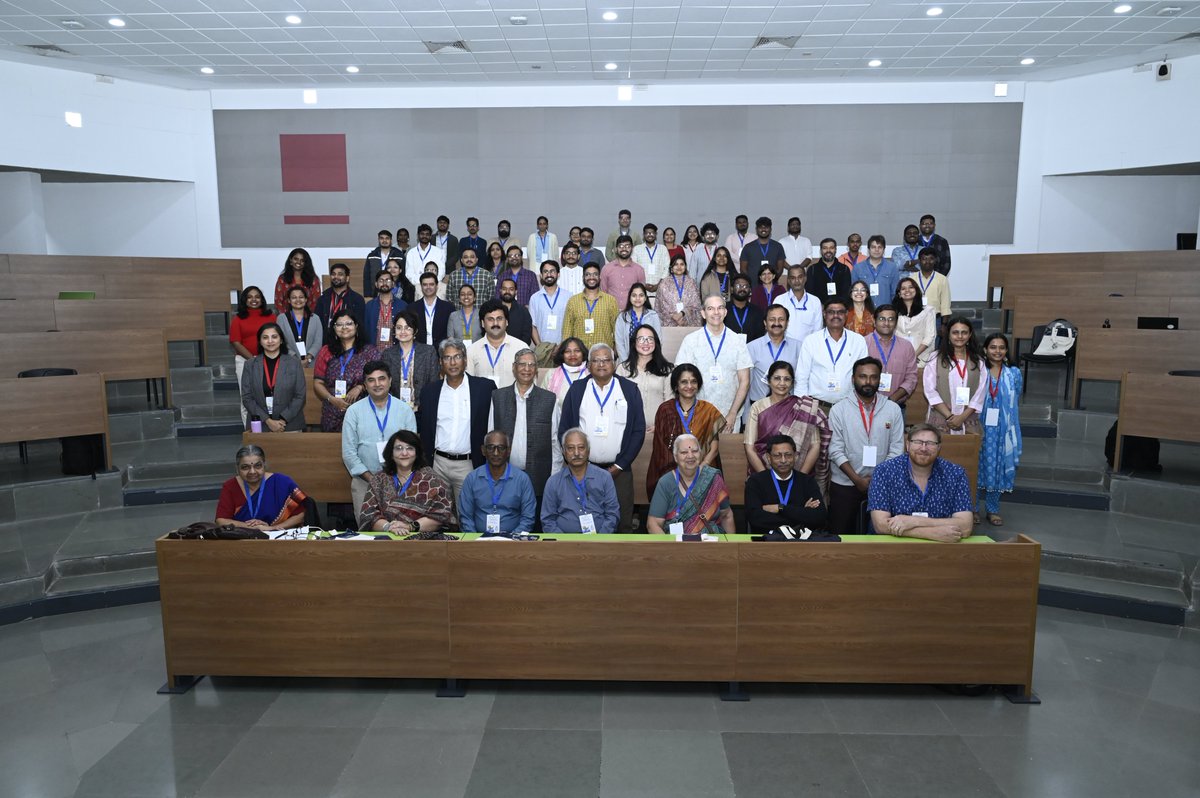
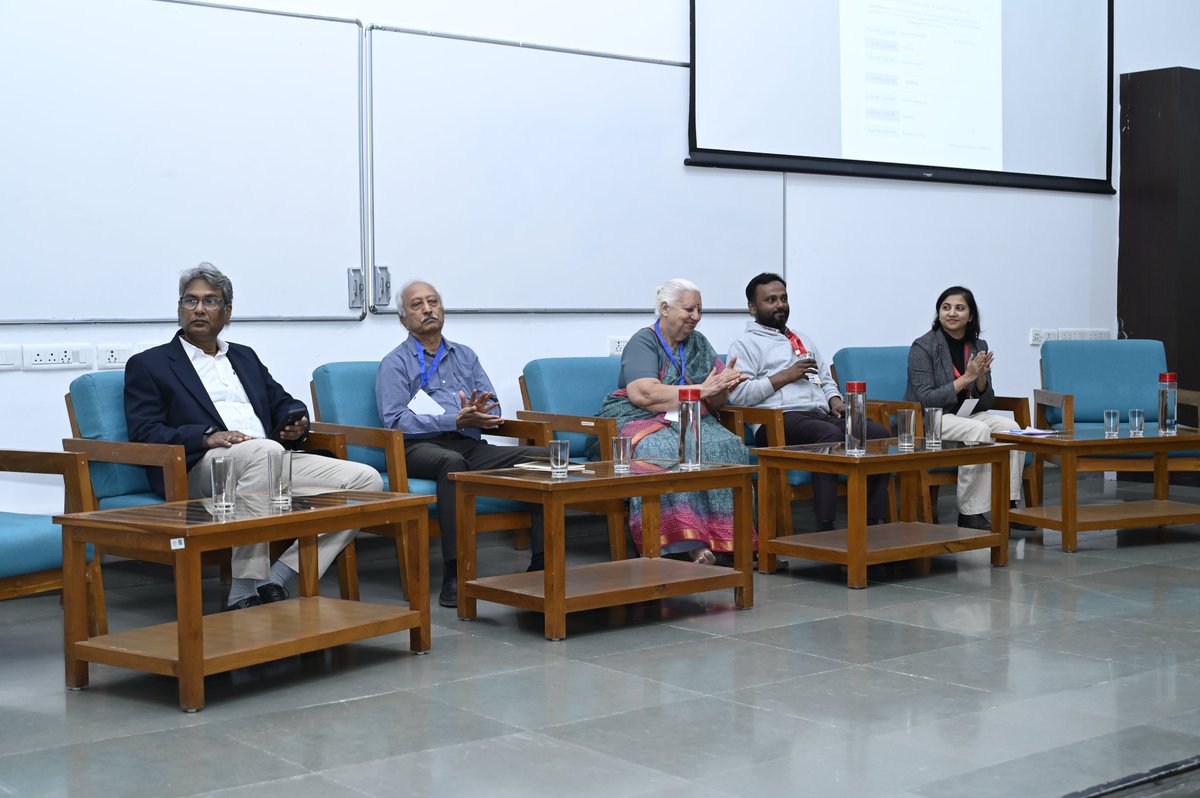
IIT Gandhinagar recently hosted a four-day international symposium, “Rethinking Deep Time: Debating Transitions, Origins, and Identities in South Asian Palaeolithic Archaeology”, bringing together leading scholars from India and across the world.
Held from 30 January to 2 February 2026, and organised by the Archaeological Sciences Centre, the symposium fostered rich interdisciplinary discussions on human origins, lithic industries, technological transitions, and new dating frameworks shaping our understanding of India’s deep past. Funded by the Wenner-Gren Foundation, the event highlighted emerging research, rigorous debate, and the growing global significance of South Asian archaeology.
A meaningful step was taken towards rethinking deep time through collaboration, dialogue, and science-driven archaeology.
#IITGN #IITGandhinagar #Archaeology #SouthAsianPrehistory #DeepTime #ResearchAtIITGN #InternationalSymposium #InterdisciplinaryResearch
@EduMinOfIndia | @PIB_India | @PTI_News
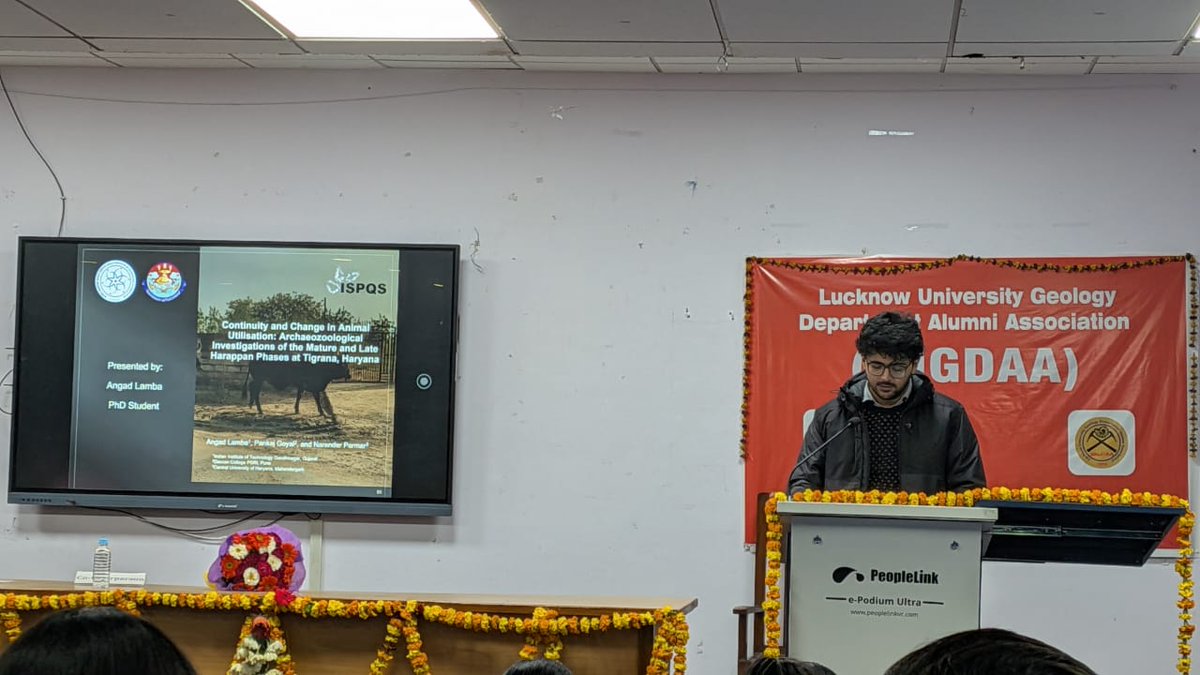
IRN Lab‘s Angad Lamba presented his paper on archaeozoological evidence from Harappan site Tigrana at the IAS, ISPQS, History & Culture Society conference, highlighting continuity in agro-pastoral practices and Late Harappan shifts. Congrats on this important contribution!
IIT Gandhinagar hosted a three-day intensive archaeology workshop, Lithics and Lives: The Past and Present in Stone Tool Studies, from January 27–29, 2026, bringing together students, researchers, and experts in prehistoric archaeology.
Organised by the Archaeological Sciences Centre, IITGN, under the aegis of the ASI Archaeology Chair Endowment Fund, and in collaboration with the Sharma Centre for Heritage Education, the workshop featured expert talks, hands-on sessions on stone tool knapping and analysis, and discussions on digital and experimental approaches in lithic studies. Participants explored how stone tools help reconstruct past human behaviour, cognition, technology, and evolution.
The workshop fostered interdisciplinary learning, practical skill development, and meaningful academic exchange—reinforcing IITGN’s commitment to experiential research and heritage studies.
#IITGandhinagar #LithicsAndLives #ArchaeologyWorkshop #ArchaeologicalSciences #HandsOnLearning #HumanEvolution #ResearchAtIITGN
@sharmaheritage@ASIGoI
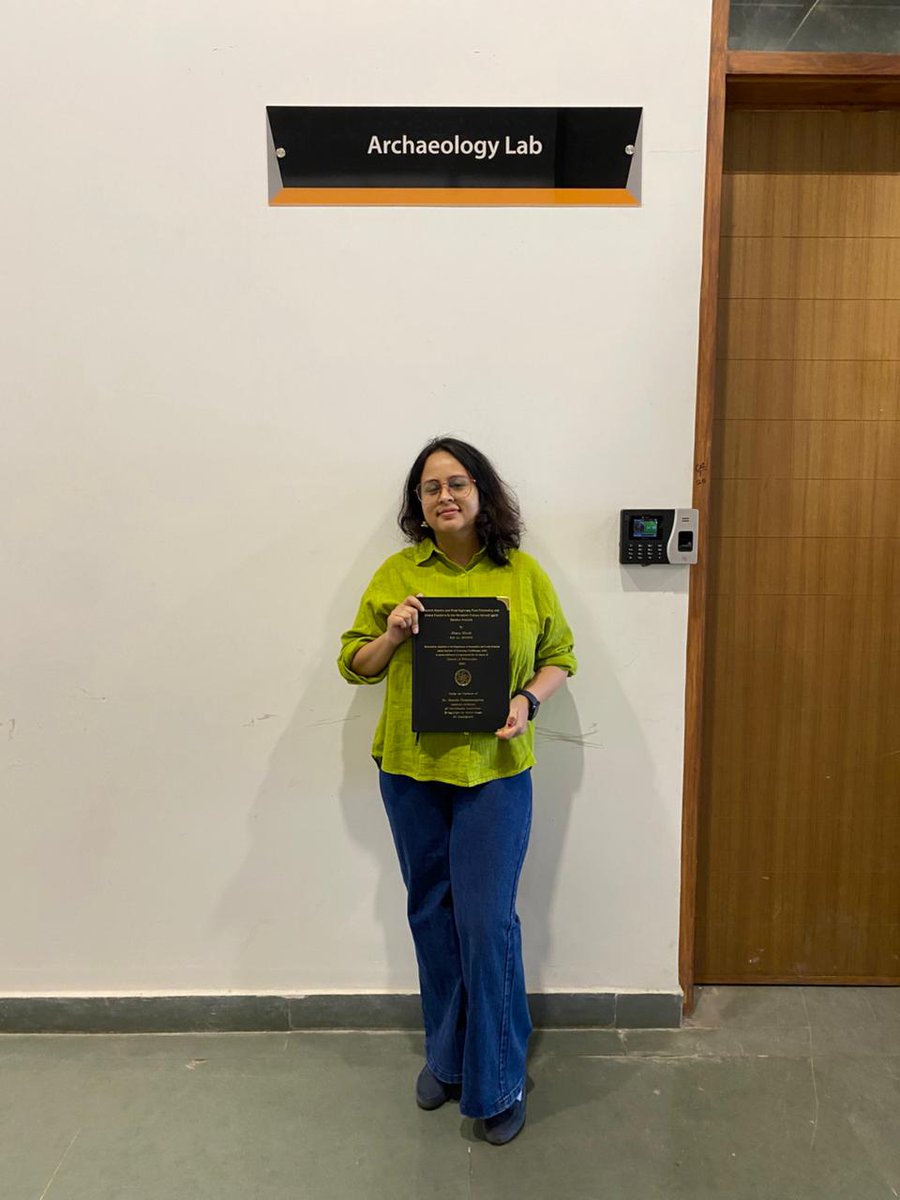
Thrilled to share that Dr. Ahana Ghosh (IRN Lab) successfully defended her PhD on 2 Jan 2026! Her work on Harappan food processing and ritual practices through lipid residue analysis marks a major milestone. Congratulations!
IRN Lab’s Falguni Tailor presented her work on microplastic pollution, fisheries, and the UN SDGs at ICOE 2025, IIT Madras. Her research advances sustainability and Blue Economy discussions. Congratulations to Falguni on this achievement!#BlueEconomy#SDGs#Sustainability
IRN Lab’s Dr. Bhavna Ahlawat shared groundbreaking paleoproteomics research at the ICAZ–AGPM Conference in Copenhagen and completed a collaborative visit with Prof. Matthew Collins. Congratulations on this milestone and the travel grant #Proteomics#Bioarchaeology
Excited to share that IRN Lab alumna Dr Camellia Biswas will speak at ILCS, University of London, on 26 Nov 2025, discussing co-search, positionality & fieldwork in the Sundarbans. #ResearchToCosearch#ILCS#Sunderbans
IRN Lab’s Falguni Tailor participated in the DAAD-ABCD Centre workshop on Coastal Cities Resilience – Nexus Approach at IIT Madras (12–13 Sept 2025), exploring global collaboration on water security and climate adaptation.#CoastalAdaptation#ClimateResilience
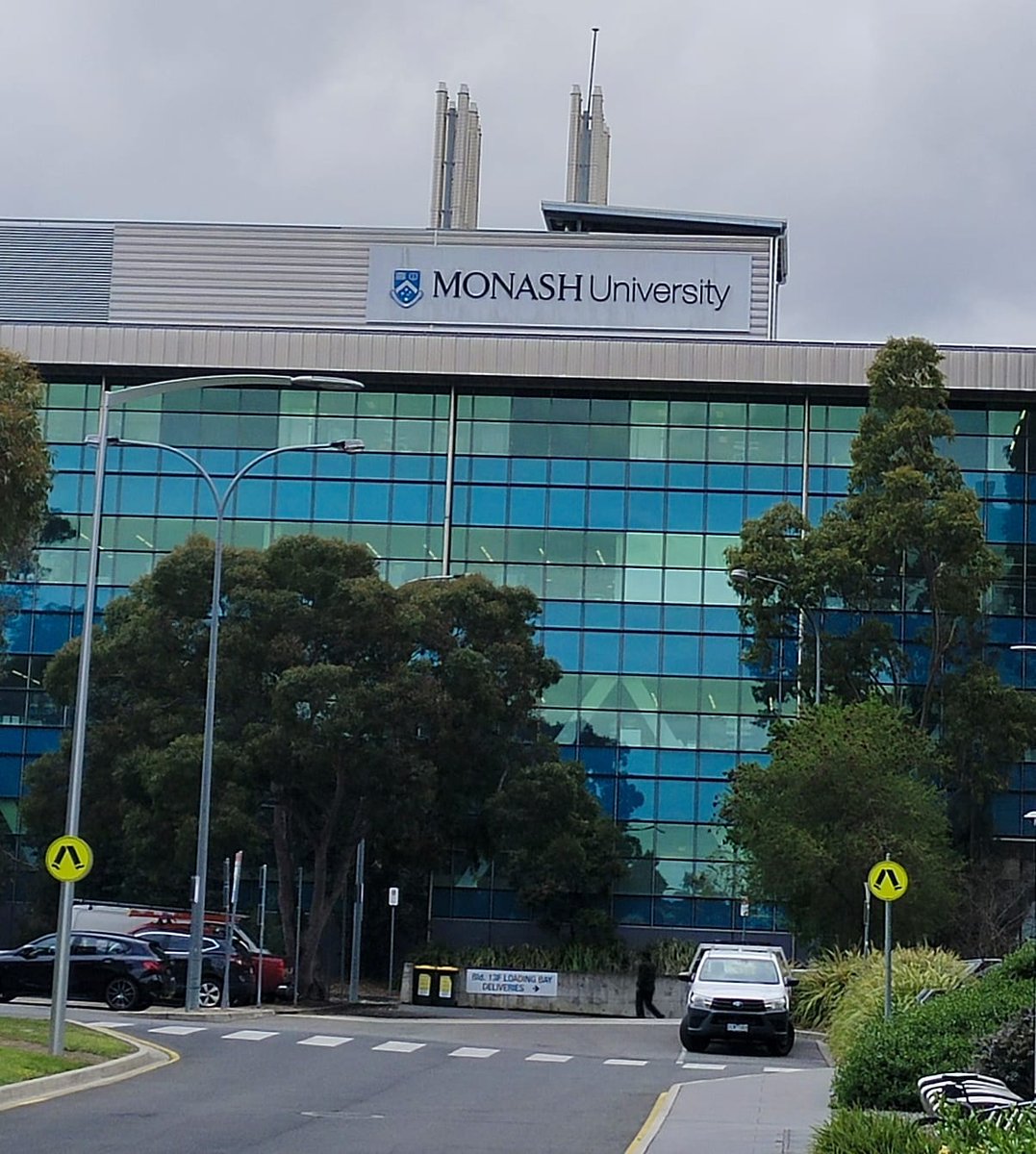
We’re thrilled to share that Sandhra S, IITGN alumna and former IRN Lab member, has begun her PhD in Bioanthropology at Monash University, exploring enamel thickness and food processing in living and extinct hominoids.
#IRNLab#Bioanthropology#PhDjourney#MonashUniversity
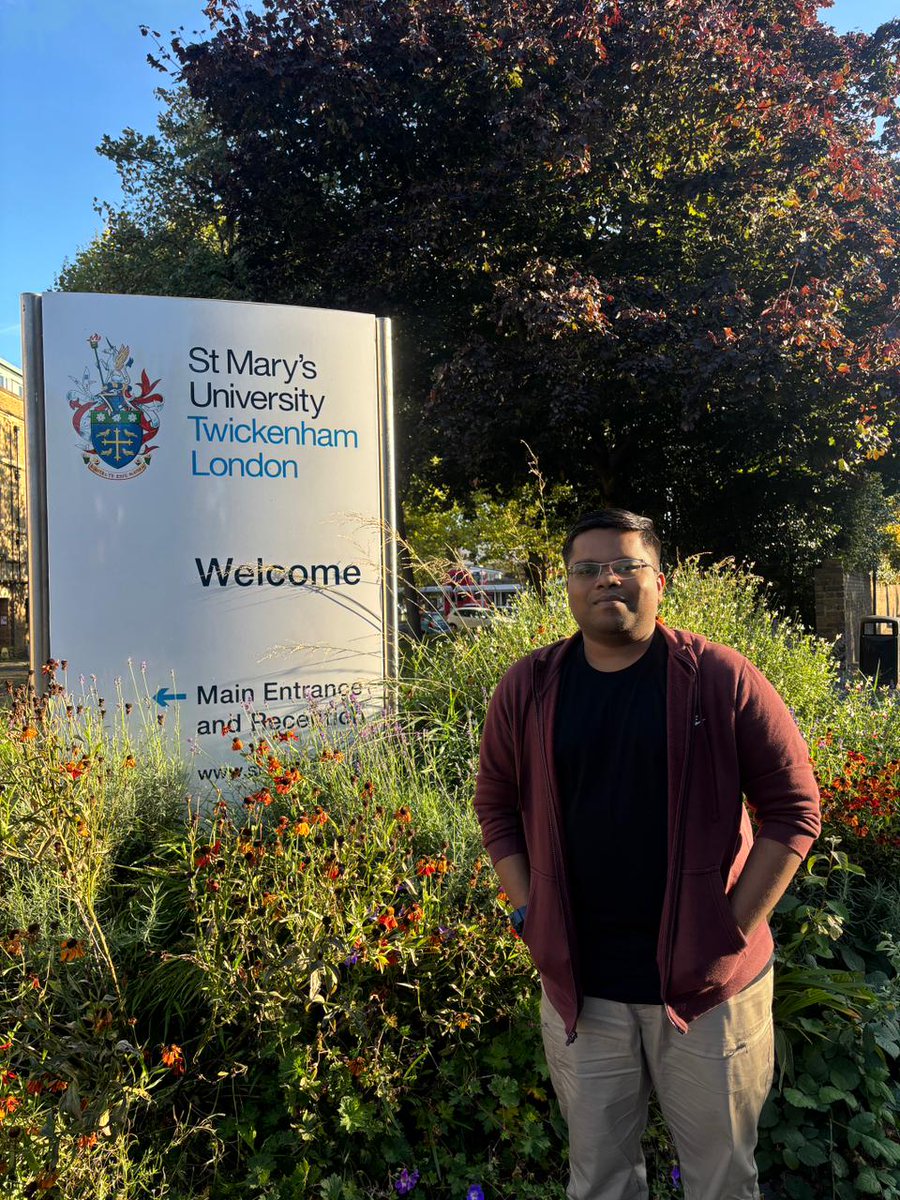
Inspired by his training at IRN Lab, alumnus Abhishek Ramesh joins St Mary’s University, London, for an MA in Sports Journalism, exploring storytelling, culture, and media. #IRNLab#SportsJournalism#MediaResearch
Celebrating Falguni Tailor’s recognition with the Climate Change Award 2025–26. Her contributions in sustainability, disaster resilience, and marine management mark a proud moment for IRN Lab and IITGN!
#Sustainability#WomenInClimate#ClimateLeadership#ClimateAction
Dr Malavika Chatterjee concluded a course on Archaeology & Popular Culture, debunking myths, stereotypes, and colonial narratives. A step toward reshaping how the public perceives archaeology. #DecolonisingArchaeology#Storytelling
IRN Lab doctoral student Sreelekha Ravindran joined the excavation at Brahmagiri, Karnataka, with the University of Pennsylvania and ASI. Her research explores past human–animal–environment interactions through material and ecological evidence. #Upenn#HumanEnvironmentInteraction
IRN Lab doctoral student Ahana Ghosh joined WAC-10 in Darwin, co-chaired sessions on food systems & ethnoarchaeology, and presented her doctoral research. Congratulations to Ahana on this achievement! #WAC10#Archaeology#FoodArchaeology#Ethnoarchaeology