It's International Day for DRR & our paper is now online! We unpack the importance of experiential learning, public participation, & spaces for change in emergency management. @paula_satizabal @MariluMeloZurit @UniMelbscicomm@network_awe#DRRDay https://t.co/6USV55KHAI
We're often asked "what should I use instead of 'natural disaster'?"
We've always argued for a simpler approach, one where 'disaster' is sufficient.
Let the rest of the article, tweet, video or blog clarify the type of hazard that created the #disaster.
#NoNaturalDisasters
1/2. "Current mobilization efforts raised many concerns, the $100 billion USD a year pledge has not yet been implemented and the finance available focuses on #Mitigation, not #Adaptation and most is based on loans. We cannot continue like this." @COP27P opening of #COP27.
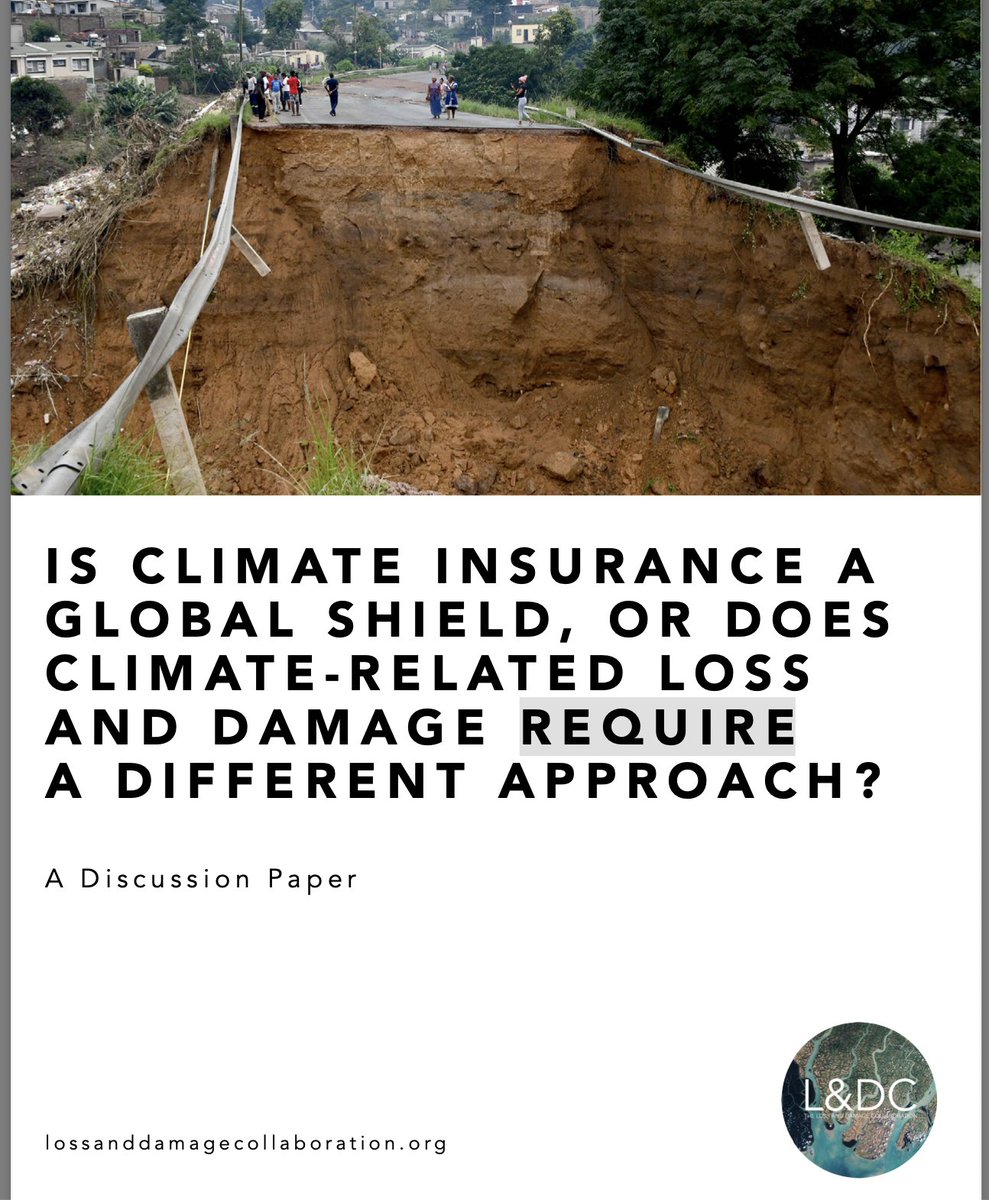
📜1/18 NEW BRIEF: Today we launch "Is climate insurance a #GlobalShield, or does climate-related #LossAndDamage require a different approach?” which asks what role will insurance play in the Global Shield being launched by the G7 and V20 at #COP27. 👇
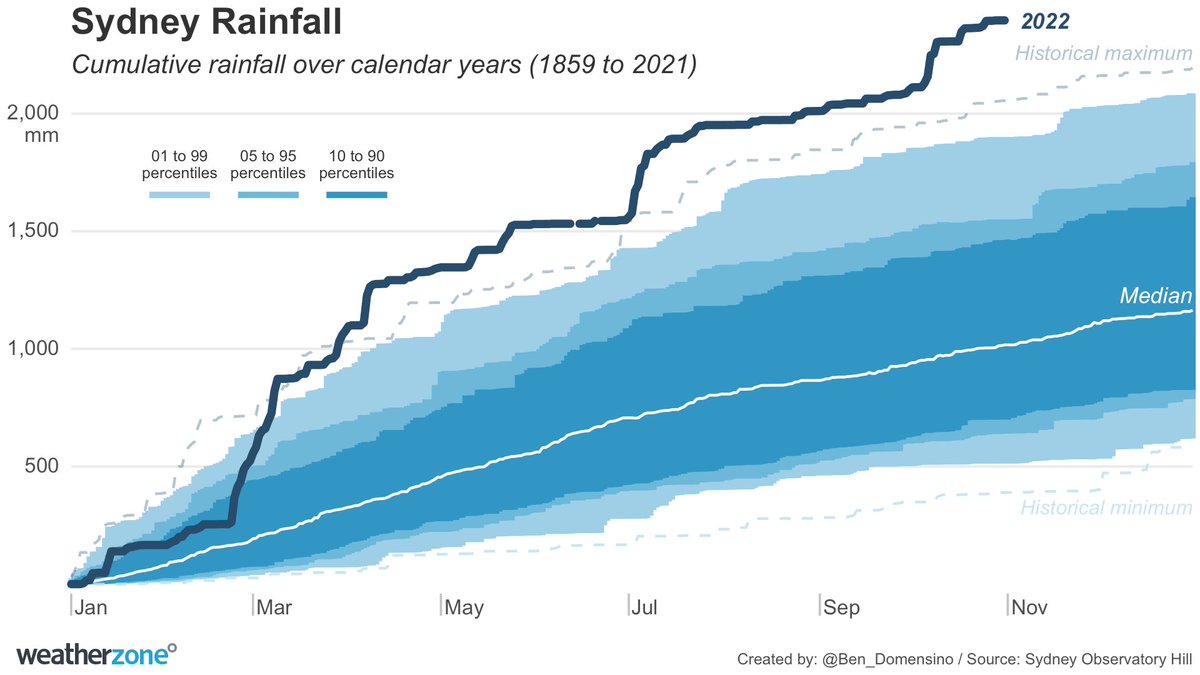
#Sydney's exceptionally wet year continues.
The city just had its wettest January-to-October period on record by a whopping 341.8mm. The previous record was 2054.4mm from 1950. The new record set this year is 2396.2mm.
Annual rainfall data in Sydney dates back to 1859.
"When the next one hits, remember we arrived at this point by design."
🌧️ After storms of rain come storms of blame, but the blame game is circular. To stop disasters, writes Brian Robert Cook (@UniMelb), we must prepare for disasters. https://t.co/PVdHIix132
“More than 600 people have died and more than 1.3 million have been displaced in the worst floods Nigeria has experienced in over a decade.” https://t.co/sttvhkZgbd
In case you missed it, listen to Dr Margaret Cook @mcookhistory on Radio National explaining why Victoria is less prepared for #deluge and how these #floods compare to the past @Griffith_Uni https://t.co/zVGkXvUPbR
Precarious predictions of wild weather 🔮⛈️: Dr @kjreid95 from @MonashEAE and @ClimateExtremes discusses the difficulty in predicting storms, with the destructive phenomena set to decrease in frequency but increase in severity as the climate warms: https://t.co/uc8pkWI2sj
Planners warn out-of-date flood maps and a lack of statewide co-ordination mean Victoria is not adequately prepared for flooding, with new homes being built in potentially dangerous locations such as flood plains. https://t.co/fgd0TG7QeJ