CVE-2026-23918 - a pre-auth RCE in Apache httpd's mod_http2, found by Striga during our open-source research.
The bug triggers on a single HTTP/2 connection sending HEADERS followed by RST_STREAM with a non-zero error code. Two nghttp2 callbacks both push the same stream pointer onto the cleanup array, and the second pool_destroy hits already-freed memory.
We built a working RCE on x86_64 using mmap reuse and Apache's scoreboard memory as a stable container for fake cleanup structures.
Affects Apache httpd 2.4.66 with mod_http2 and a multi-threaded MPM.
Full technical writeup coming soon.
https://t.co/SI7p0zQToj
https://t.co/DcQSMnwhPx
Unauthenticated RCE in Apache Tomcat (CVE-2026-34486)
The EncryptInterceptor was supposed to protect cluster communication. A fix for a padding oracle vulnerability moved one line outside a try block, and the encryption layer silently started forwarding every failed decryption straight into unfiltered Java deserialization.
We found it with Striga, built the exploit, and reported it to The Apache Software Foundation.
https://t.co/cygPWfXCnB
We used Striga to discover a high-severity vulnerability in axios, the most downloaded HTTP client in JavaScript. Any Node.js service that forwards user-controlled JSON through axios can be crashed with a single request. CVE-2026-25639. Patched in 1.13.5.
https://t.co/b2r8Ta5POy
First public finding from Striga. Two vulnerabilities in n8n's expression engine chained into remote code execution.
230K+ active users, nearly 200M Docker pulls. CVE-2026-27577, CVSSv4.0 9.4 Critical.
https://t.co/seYI29mDpO
I'm super excited that my research: "Disguises Zip Past Path Traversal" has been nominated to PortSwigger's Top 10 web hacking techniques of 2025.
If you've enjoyed the read, a vote would mean a lot!
Link to vote in the replay below 👇
It's Black Friday! 🎉
Get FREE recurring API credits if you like + retweet this tweet (must be following @securitytrails).
If we get up to 100 RTs everyone gets 100 recurring monthly API credits. If we get over 100 RTs, everyone gets the # of API credits in the amount of RTs.
For the 2nd year in a row, my research was chosen for 'Top 10 web hacking techniques'. It's very encouraging that my 'WAF evasion techniques' is among other awesome researches and that I'm able to share my security thoughts with the #infosec community! https://t.co/PEoXZXKXDD
During that overwhelming time of 2020, I managed to research two #websec topics: "WAF evasion techniques" and "XSS fun with animated SVG". I'm glad they are both nominated by @PortSwigger for 'Top 10 web hacking techniques of 2020' https://t.co/L9gGdKGK7G
Our researcher @phaldrzynski reviewed some of the known and less-known WAF evasion techniques. In this article he presents a few approaches to deal with WAFs: https://t.co/NB4Duk1CtQ
👋 Piotr Szeptyński
Na co dzień realizuje projekty dotyczące bezpieczeństwa IT w Polsce i za granicą.
Na Oh My H@ck! 2020 przygotował temat:
🟪 W internecie nikt nie wie, że jesteś niedźwiedziem, czyli jak Rosja atakuje i broni się w Sieci 🟪
Więcej ▶️ https://t.co/Hypp7Fozgp
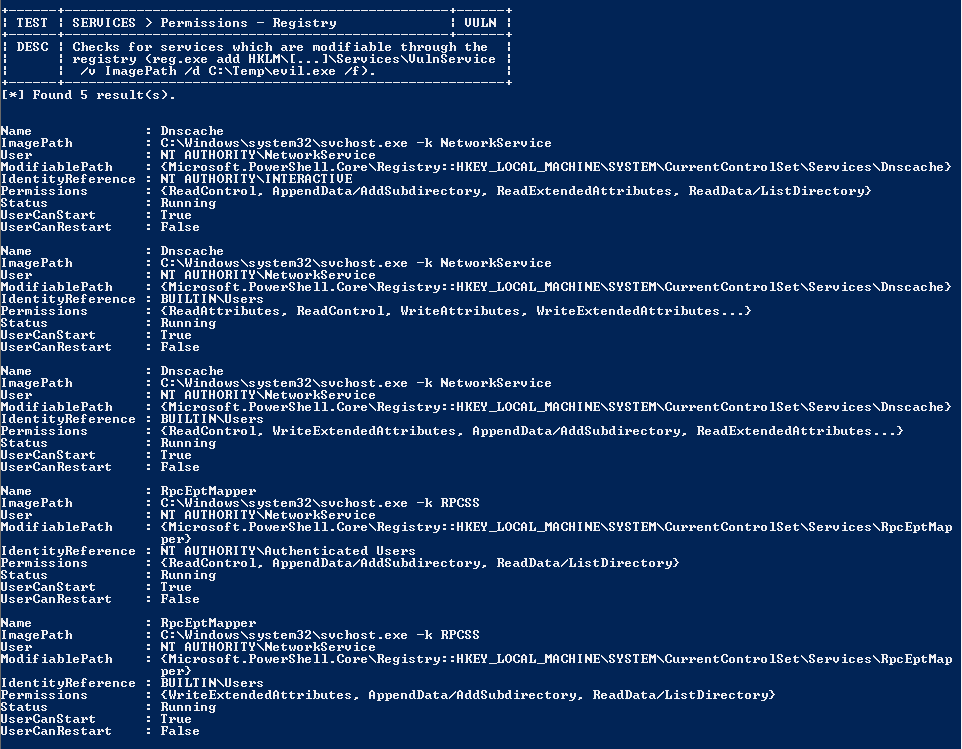
When writing a pentest tool leads to the discovery of a Windows 0-day... 😎
As promised, here is my latest blog post where I discuss this finding in detail. 🧐
Windows RpcEptMapper Service Insecure Registry Permissions EoP
https://t.co/v0lJGLNfML