In Defense of the Prophet Muhammad ﷺ: Historical Truth Against the Slanders of a Foul-Mouthed Demagogue
Shaykh Anwar Wright
May Allah reward him for him speaking up in the defense of the Prophet Muhammad ﷺ.
Familiarise yourself with the Salafi scholars of the last century. Learn about those who came before you, how they confronted the challenges of their time, and how they responded to European attempts to import foreign ideas, values and ways of life into Muslim lands.
Their writings offer valuable lessons for understanding and confronting the challenges Muslims face today.
Shaykh Mubārak al-Mīlī (d. 1945) was one of Algeria’s leading Salafi reform scholars, alongside Ibn Bādīs and al-Bashīr al-Ibrāhīm��.
His famous Risālat al-Shirk wa-Maẓāhiruhu confronted shirk, superstition, grave-veneration and other corrupt practices, calling Muslims back to pure Tawḥīd and the Sunnah.
O brothers, these people do not realise! Otherwise, by Allah, they would be compelled to label the Messenger as a mumayyiʿ [one who waters down the methodology], and likewise the Companions and the scholars of this Ummah as mumayyiʿūn!
This is what their severe and destructive harshness entails, the very harshness that has devastated the Salafi daʿwah. It would entail that the Messenger himself, who called to gentleness, wisdom, and leniency, be labelled a mumayyiʿ.
We seek Allah’s forgiveness!
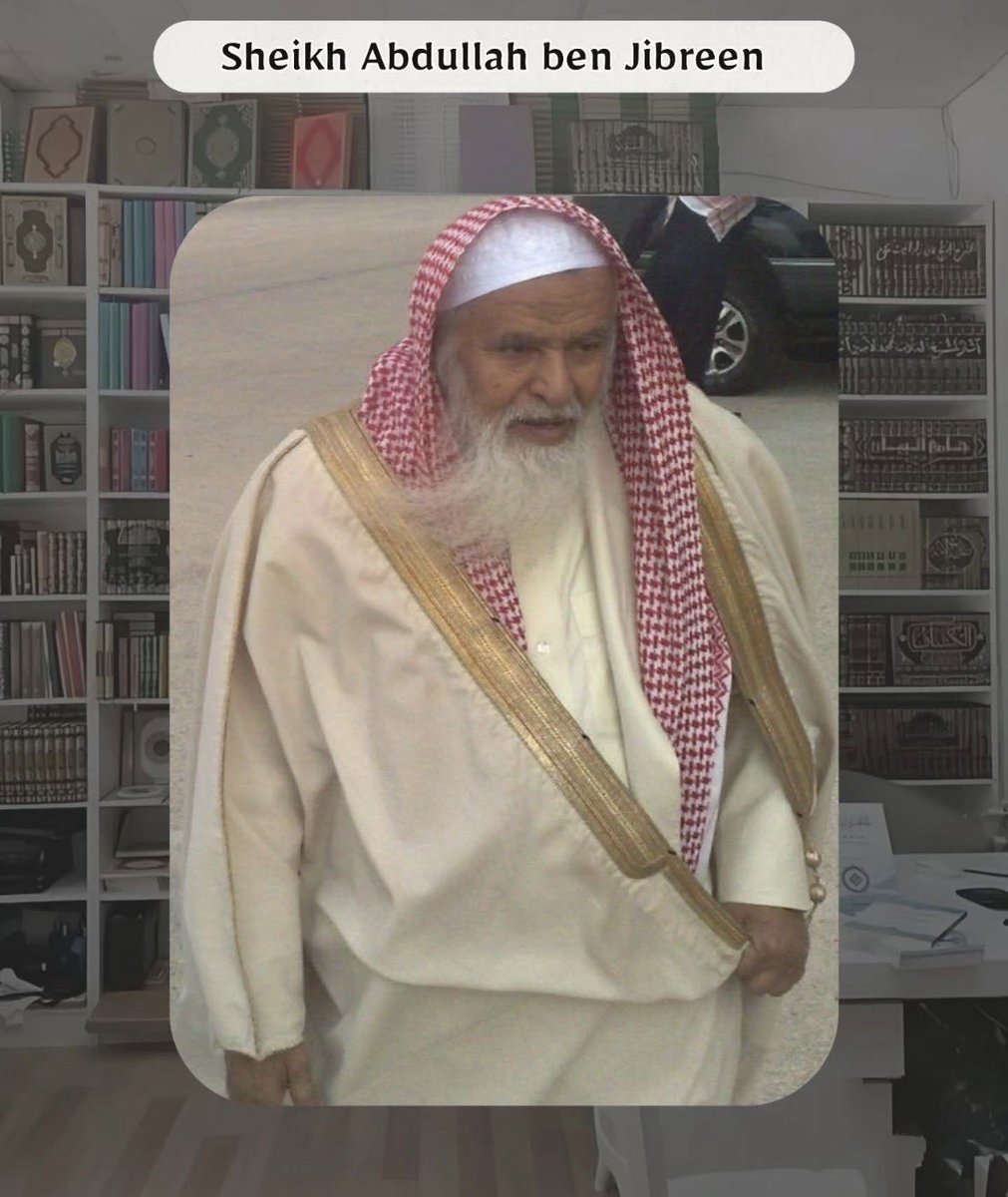
Shaykh Abdullah Ibn Jibrīn رحمه الله
Long after his death, Shaykh Sālih al-Fawzān (the current Muftī) wrote a beautiful biographical tribute to Sheikh Abdullah bin Jibrīn
He writes: “He (Ibn Jibrīn) was steadfast upon the methodology of the Pious Predecessors (Salaf as-Salih) in knowledge, action, and following their example, until his time came and the Muslims lost him and wept for him”
P.s. Always remember the was a group who never wept for him, but actually celebrated when he was gone because they thought he was “Ikhwani”. Far away they are from Shaykh Fawzān who they claim to follow.
If Salafism were a CIA project, Western political discourse wouldn’t demonize it and academia wouldn’t constantly distort it.
The problem for Alexander Dugin is simple: the methodology of the Salaf is a fortress his ideology cannot penetrate.
He has an agenda too.
Advice to the Muslims Regarding ʿIshā and Tarāwīḥ in Public Spaces Such as Times Square and City Hall
What follows is a brief piece of advice concerning a practice that has recently become prevalent and has generated considerable discussion.
https://t.co/bpPsZqvnmq
Help build https://t.co/YH9p9ertGM, a free, community-based Islamic library with thousands of translated multi-lingual books, free downloads, audiobooks, and more.
I know the founder personally and he is a studious and trustworthy young man.
Use the @LaunchGood
Link below:
Don’t be deceived by seeing so-and-so al-Hanbali/Maliki/Shafi’i/Hanafi on here and elsewhere and remember, “A layperson has no madhhab, his madhhab is that of his mufti.”
الشيخ أ. د. محمود محمد غنية حفظه الله
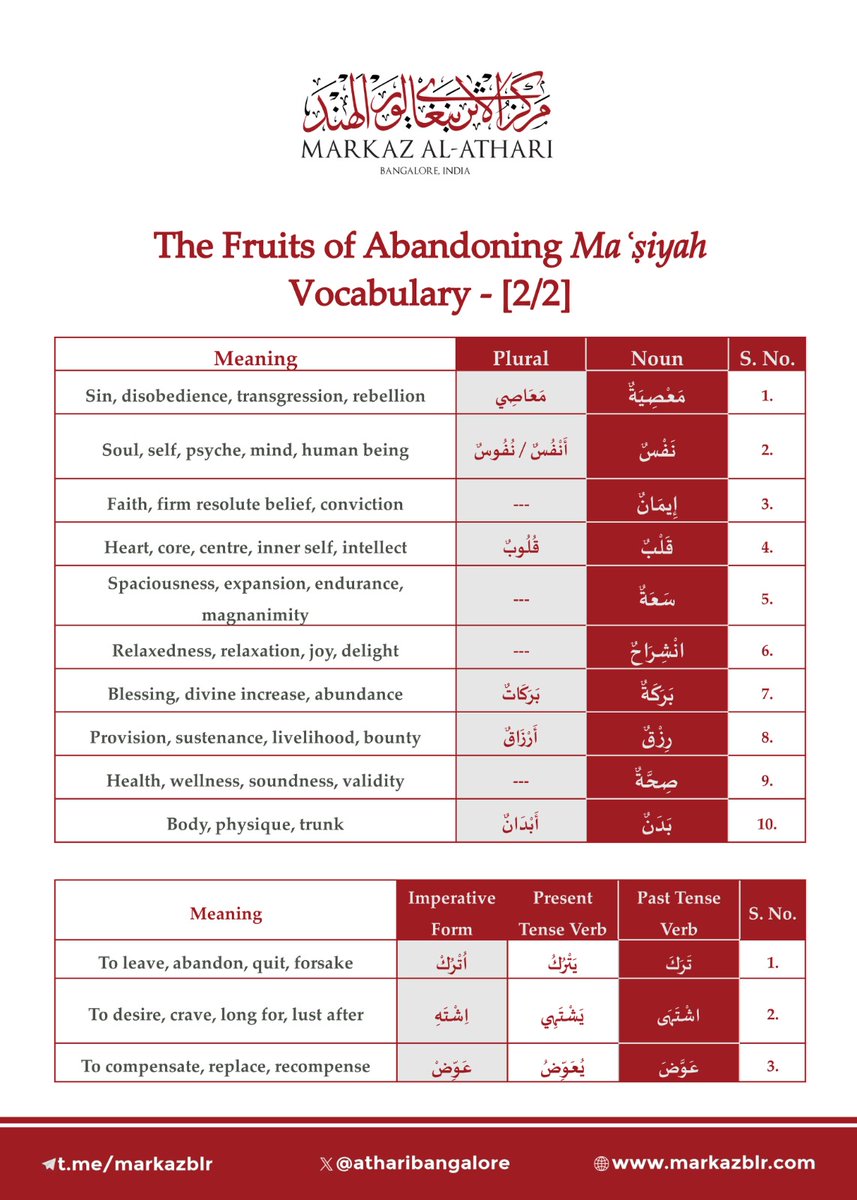
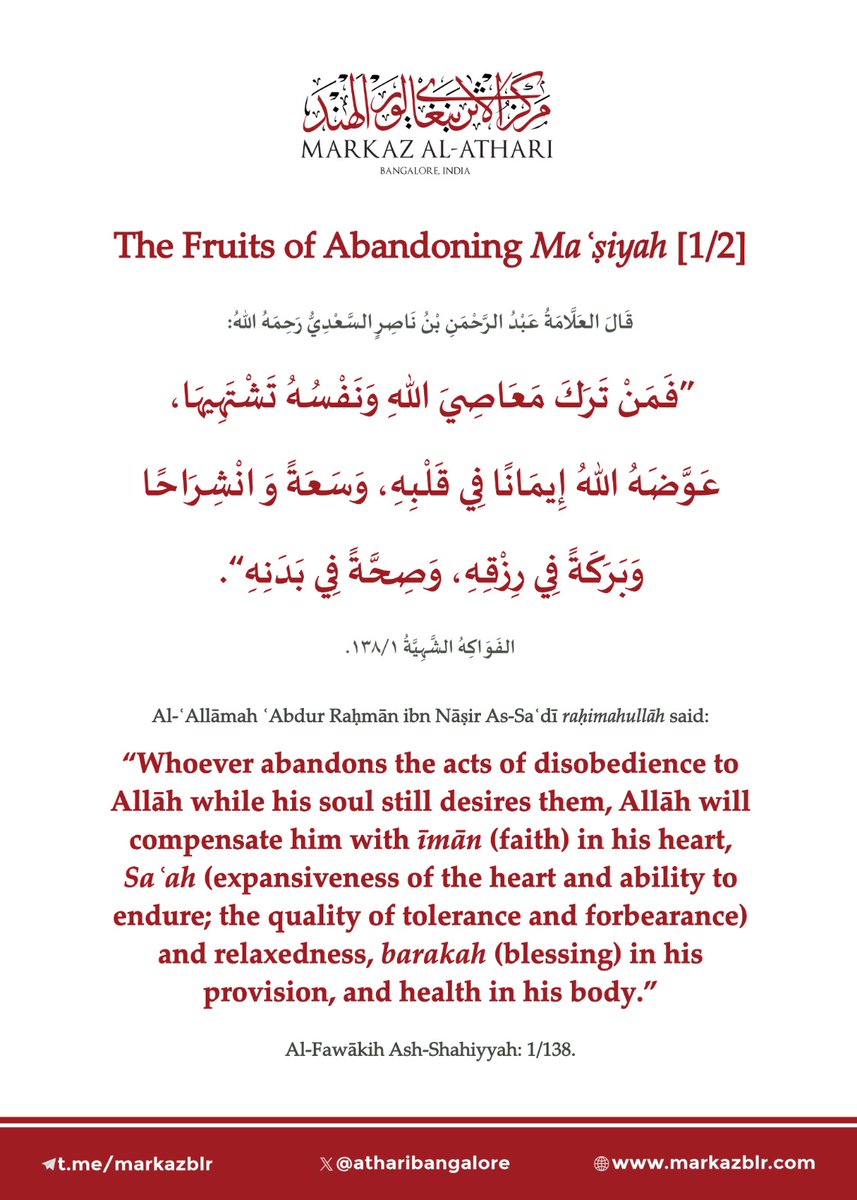
The fruits of Abandoning Sins whilst the soul is still desiring it.... Very beneficial quote from Imaam As Sa'di rahimahullaah - Includes useful Arabic vocabulary for learners of the Arabic language in order to build a strong foundation
Re: bringing children to the Mosque, perhaps this was a momentary lapse from the Shaikh. The default ruling is permissibility, and since in this video he asked "Do you have a text for such an action?" here are a number of texts on the topic.
Multiple authentic reports demonstrate that children of the Companions were regularly present in the mosque during the Prophet Muhammad's ﷺ time. These narrations show not only their presence but the Prophet's accommodation of them:
• The Prophet ﷺ carrying his granddaughter during prayer: Abu Qatadah reported: "I saw the Messenger of Allah ﷺ with Umamah bint Abi Al-As, the daughter of Zaynab, on his shoulder. When he bowed, he put her down, and when he stood up, he picked her up again" (إذا ركع وضعها وإذا رفع من السجود أعادها). Sahih al-Bukhari and Sahih Muslim.
• The Prophet ﷺ shortening prayer due to a crying child: The Prophet ﷺ said: "I enter into prayer intending to prolong it, but then I hear the crying of a child, so I shorten my prayer because I know the distress his mother feels because of his crying" (فأسمع بكاء الصبي فأتجوز في صلاتي مما أعلم من شدة وجد أمه من بكائه). Sahih al-Bukhari and Sahih Muslim.
• Al-Hasan and Al-Husayn climbing on the Prophet ﷺ during prayer: Abu Hurairah reported: "We used to pray with the Prophet ﷺ the night prayer, and when he prostrated, Al-Hasan and Al-Husayn would climb on his back. When he raised his head, he would gently take them off and put them on the ground. When he finished, he would seat one of them on his thigh" (فإذا سجد وثب الحسن والحسين على ظهره). Musnad Ahmad and others.
• The Prophet ﷺ descending from the pulpit to carry his grandsons: Abu Hurairah reported: "The Messenger of Allah ﷺ was delivering a sermon when Al-Hasan and Al-Husayn came in, wearing red shirts, walking and stumbling. The Prophet ﷺ descended from the pulpit, carried them, and placed them in front of him, then said: 'Allah has spoken the truth: Your wealth and your children are only a trial'" (يمشيان ويعثران فنزل رسول الله من المنبر فحملهما). Al-Tirmidhi and Al-Bayhaqi.
• The Prophet ﷺ meeting children after prayer and showing affection: Jabir bin Samurah said: "I prayed with the Prophet ﷺ the first prayer, then he went out to his family and I went out with him. He was met by some children, and he began to wipe the cheeks of each of them, one by one" (فاستقبله ولدان فجعل يمسح خدي أحدهم واحدا واحدا). Sahih al-Bukhari and Sahih Muslim.
• Children's presence in the masjid being notable: Aisha reported: "The Prophet ﷺ delayed the night prayer one night, and Umar said: 'The women and children have slept' (نام النساء والصبيان). The Prophet ﷺ then came out and addressed the people in the masjid." Sahih al-Bukhari and Sahih Muslim. Umar's comment indicates that children's absence was unusual enough to mention, showing their normal presence.
• The Prophet ﷺ calling the youngest child to give them fruit: Suhail bin Abi Salih narrated from Abu Hurairah: "When people saw the first fruits, they would bring them to the Messenger of Allah ﷺ. When he took them, he would say: 'O Allah, bless us in our fruits...' Then he would call the youngest child he saw and give him that fruit" (ثم يدعو أصغر وليد يراه فيعطيه ذلك الثمر). Collected in: Al-Tirmidhi.
Explaining this, Ibn Rushd al-Jadd commented: "The context of his command was that it took place in the mosque. The Messenger of Allah ﷺ would hear a child crying during prayer and shorten it out of concern that the mother would be distressed. However, there is disapproval of bringing them in if they cannot remain still and play around (يعبثون), because the mosque is not a place for frivolous behavior and play" (المسجد ليس بموضع العبث واللعب).
• The Prophet ﷺ prolonging prostration for his grandson: Shaddad reported: "The people said: 'O Messenger of Allah, you prostrated in this prayer a prostration you never used to make. Was it something you were commanded to do or was revelation coming to you?' He said: 'None of that happened. My son climbed on me like mounting a camel, and I disliked rushing him until he satisfied his need'" (إن ابني ارتحلني فكرهت أن أعجله حتى يقضي حاجته). Al-Sunan al-Kubra by Al-Bayhaqi (2/372). Al-Albani, Al-Arnaut, and Al-Wadi'i authenticated this narration.
• A child attending the mosque with serious intent: Abu Hurairah reported: "I entered the mosque with him on Friday and saw a boy. He said to him: 'O boy, go play.' He said: 'I only came to the mosque' (إنما جئت إلى المسجد). He repeated it twice, and the boy gave the same answer. Then he said: 'Will you sit until the imam comes out?' He said: 'Yes.' Abu Hurairah then said: 'I heard the Messenger of Allah ﷺ say: The angels come on Friday and sit at the doors of the mosque, writing down who comes first, second, third, and people according to their ranks until the imam comes out.'" Musnad Ahmad and it is Hasan.
• Ali's young daughter attending the mosque: According to Tabaqat Ibn Sa'd (3/20): Ali ibn Abi Talib married Muhayya bint Imra' al-Qays from the tribe of Kalb. She bore him a daughter who died young. When she would go to the mosque, people would ask her "Who are your uncles?" (من أخوالك) She would reply: "Woof woof!" (وه وه) meaning "Kalb" (the Arabic word for "dog," which was also her mother's tribe name).
These reports collectively demonstrate that children of the Companions were present in the mosque, sometimes even during prayer itself, and that the Prophet ﷺ showed them extraordinary kindness and consideration, using their presence as opportunities for education, modeling compassion, and demonstrating patience. The disapproval applies only to disruptive behavior, not to the presence of children itself.
As for the purported prohibition is not authentic: A narration attributed to Abu Hurairah states: "Keep your mosques away from children and the insane" (جنبوا مساجدكم الصبيان والمجانين). This is collected in Abd al-Razzaq (1/442: 1728) and Ibn Adi in al-Kamil (4/1454). However, this contains Abdullah ibn Muharrar in its chain, who is considered unreliable (matruk - متروك) according to Tahdhib al-Tahdhib (5/389), making this hadith inauthentic.
The default ruling and the way of the Companions remains as is: Children are part of the community and barring any harm, may be brought to the Masjid.
📚 Those who stood by Aḥmad in the ordeal (miḥnah) – Haytham al-Ḥamzī
المُثبِّتون لأحمد في المحنة ويليه الثابتون مع أحمد – هيثم بن قاسم الحمزي
This book presents a historical study of the Miḥnah (inquisition) faced by Imām Aḥmad ibn Ḥanbal (d. 241H) regarding the claim of the Qurʾān being created.
🌿 Unlike most works that focus solely on Imām Aḥmad, this book shifts attention to two essential groups around him:
🔹 Al-Muthabbitūn – Those Who Supported Aḥmad: scholars and individuals who strengthened him through aid, encouragement, or solidarity, even if not subjected to the same persecution.
🔹 Ath-Thābitūn – Those Who Stood Firm with Aḥmad: figures who themselves endured the ordeal, resisted pressure, and remained steadfast in their conviction alongside him.
✨ By shedding light on these groups, the book highlights not just the courage of one man, but the collective scholarly resilience of that critical era in Islamic history.
📚 Follow @sifatusafwa for more gems in Islamic scholarship, rare book highlights, and authentic knowledge.
I am the owner of the channel that @YouTube shut down under the claim of “incitement.”
In reality, the channel was only a platform to teach Islamic creed. By its nature, this field requires mentioning different sects and comparing their views — purely for scholarly and educational purposes, not for incitement or offense.
Closing the channel in this way is an injustice to me and a deprivation of thousands from authentic religious knowledge.
I call on YouTube to review this decision and restore the channel, as the platform should stand for freedom of education and the spread of knowledge.
#YouTube
نأمل من الإخوة الريتويت لعلها ان تصل للقائمين على اليوتيوب
Killed For Refusing To Remove Niqab!
It’s been 10 years (22/09/2015) since Israeli soldiers killed Palestinian schoolgirl, Hadeel al-Hashlamon, at a military checkpoint in Occupied West Bank for refusing to take off her Niqab.


![DaarusSunnah's tweet photo. O brothers, these people do not realise! Otherwise, by Allah, they would be compelled to label the Messenger as a mumayyiʿ [one who waters down the methodology], and likewise the Companions and the scholars of this Ummah as mumayyiʿūn!
This is what their severe and destructive harshness entails, the very harshness that has devastated the Salafi daʿwah. It would entail that the Messenger himself, who called to gentleness, wisdom, and leniency, be labelled a mumayyiʿ.
We seek Allah’s forgiveness!](https://pbs.twimg.com/media/HRTMePuboAAtSe4.jpg)
![DaarusSunnah's tweet photo. O brothers, these people do not realise! Otherwise, by Allah, they would be compelled to label the Messenger as a mumayyiʿ [one who waters down the methodology], and likewise the Companions and the scholars of this Ummah as mumayyiʿūn!
This is what their severe and destructive harshness entails, the very harshness that has devastated the Salafi daʿwah. It would entail that the Messenger himself, who called to gentleness, wisdom, and leniency, be labelled a mumayyiʿ.
We seek Allah’s forgiveness!](https://pbs.twimg.com/media/HRTMePUXwAAz0Cp.png)







![DaarusSunnah's tweet photo. O brothers, these people do not realise! Otherwise, by Allah, they would be compelled to label the Messenger as a mumayyiʿ [one who waters down the methodology], and likewise the Companions and the scholars of this Ummah as mumayyiʿūn!
This is what their severe and destructive harshness entails, the very harshness that has devastated the Salafi daʿwah. It would entail that the Messenger himself, who called to gentleness, wisdom, and leniency, be labelled a mumayyiʿ.
We seek Allah’s forgiveness!](https://pbs.twimg.com/media/HRTMePxbgAAF08P.jpg)