Islamic Awareness is interested in the extant artefacts relating to Islamic origins with focus on epigraphy, manuscript studies, numismatics and archaeology.
... to take pictures of Arabic texts, including the Qurʾānic manuscripts such as Codex Topkapı Sarayı Medina 1a, photographing 308 of the 391 folios. The photographs of this codex can be seen at the Corpus Coranicum website.
Update of “Codex Topkapı Sarayı Medina 1a - A Qurʾān Located At Topkapı Sarayı Museum, Istanbul, From 1st/ 2nd Century Hijra”. https://t.co/RiiVDpGpmG
Total folios: 391. The figure was arrived from the facsimile edition published by Dr. Tayyar Altikulaç in the year 2020.
Nöldeke's successors Gotthelf Bergsträsser and Otto Pretzl developed the project for creating a philological critical study of the Qurʾān. Armed with the newly developed first transportable Leica photographic camera and Agfa film roll, Bergsträsser travelled the Muslim world ...
.... “only a few meters from the entrance”. Furthermore, he added that there is no investigation, or publication about this manuscript. Facsimile edition of this manuscript was published by Dr. T. Altikulaç in 2014. This mss even now is relatively unknown and not well studied.
Addition of “Codex MIA 24145 – An Early Qurʾān At The Museum Of Islamic Art, Cairo, 1st /2nd Century Hijra” (https://t.co/gro6opj4xV). This manuscript has 281 folios. The codex originally may have contained ~325 folios. Extant folios contain about 87% of the text of the Qurʾān.
Perhaps the earliest mention of this codex was made by Dr. G.-R. Puin in January 1999 in a ‘clarification’ of Toby Lester’s article in Atlantic Monthly. He called it “[a] most spectacular (complete??) Hijazi Koran” that can be admired in the Islamic Museum of Cairo,....
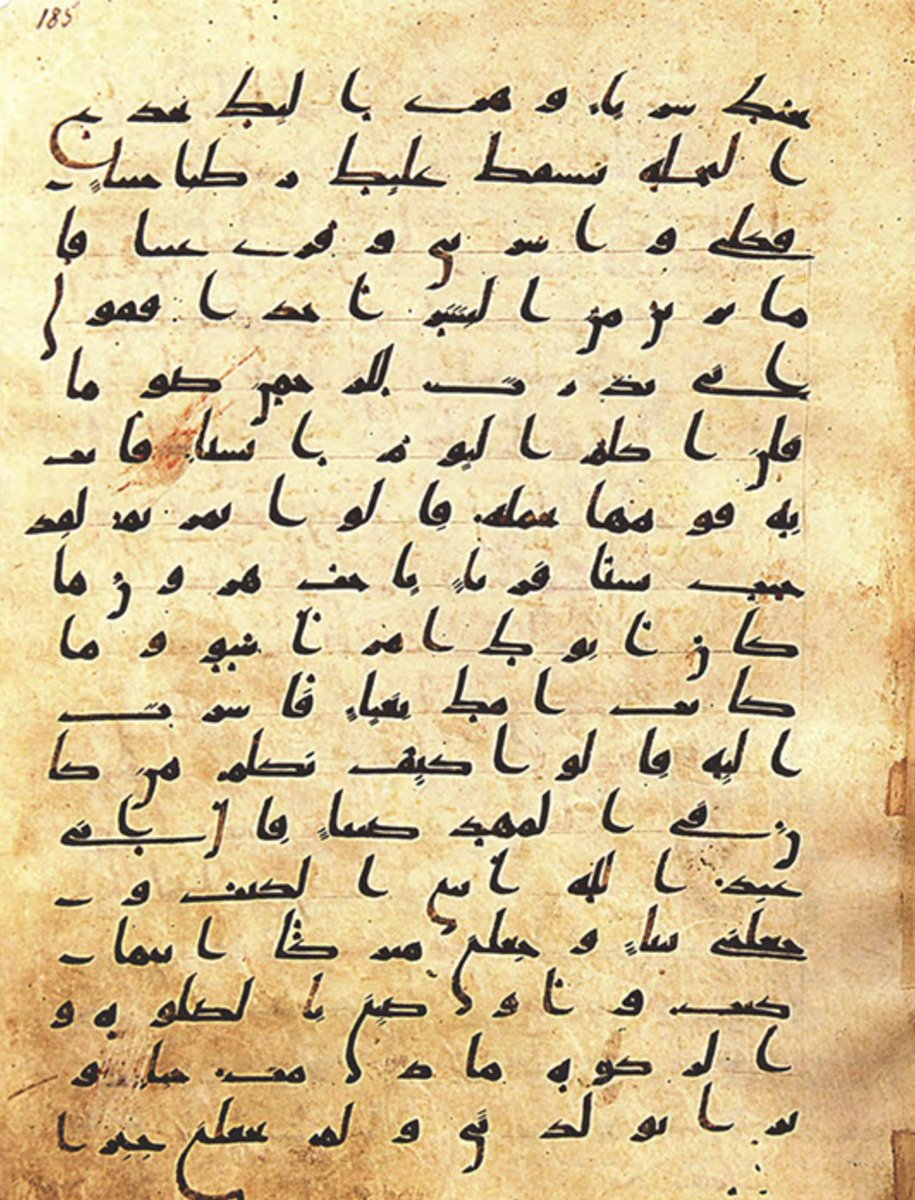
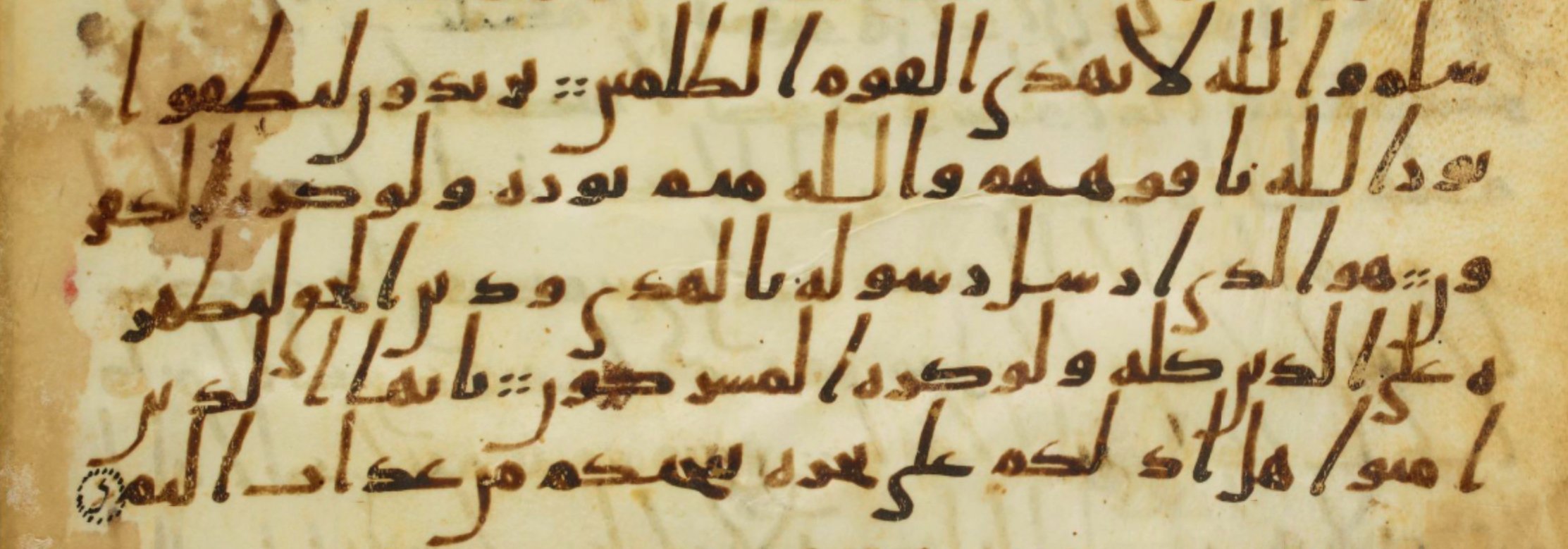
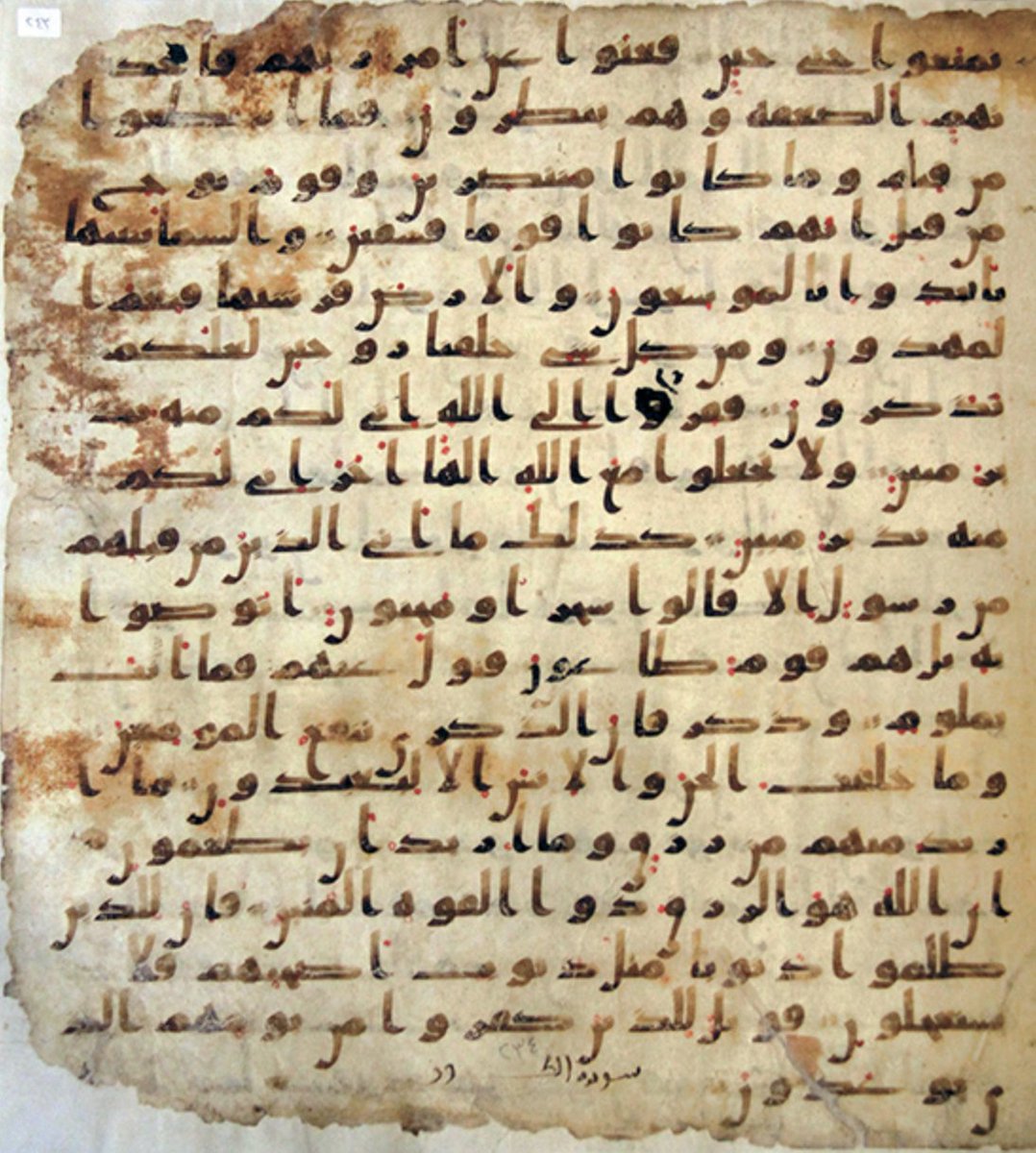
Comparison of scripts in the B1a manuscripts.
1. Codex Mashhad (https://t.co/zVi2qaD7pD) at Mashhad
2. Codex M a VI 165 (https://t.co/ZMzVzZcnkF) at Tübingen
3. Codex Arabe 331 (https://t.co/0OhWMCLOfe) at Paris
4. Kodex Wetzstein II 1913 (https://t.co/oZ7RTHxetM) at Berlin
NEW ADDITION: “Codex Mashhad – An Early Qur'ān In Ibn Masʿūd's Arrangement Of Sūrahs, 1st Century Hijra”. (https://t.co/zVi2qaD7pD) Manuscript on parchment. Vertical format. This codex was probably produced in the Ḥijāz and brought to Iraq though the exact history is unclear.
Codex Mashhad (https://t.co/zVi2qaD7pD) is the earliest manuscript that confirms the arrangement of sūras in the order of Ibn Masʿūd. This evidence is significant as the extant literary evidence for Ibn Masʿūd's arrangement comes from late sources.