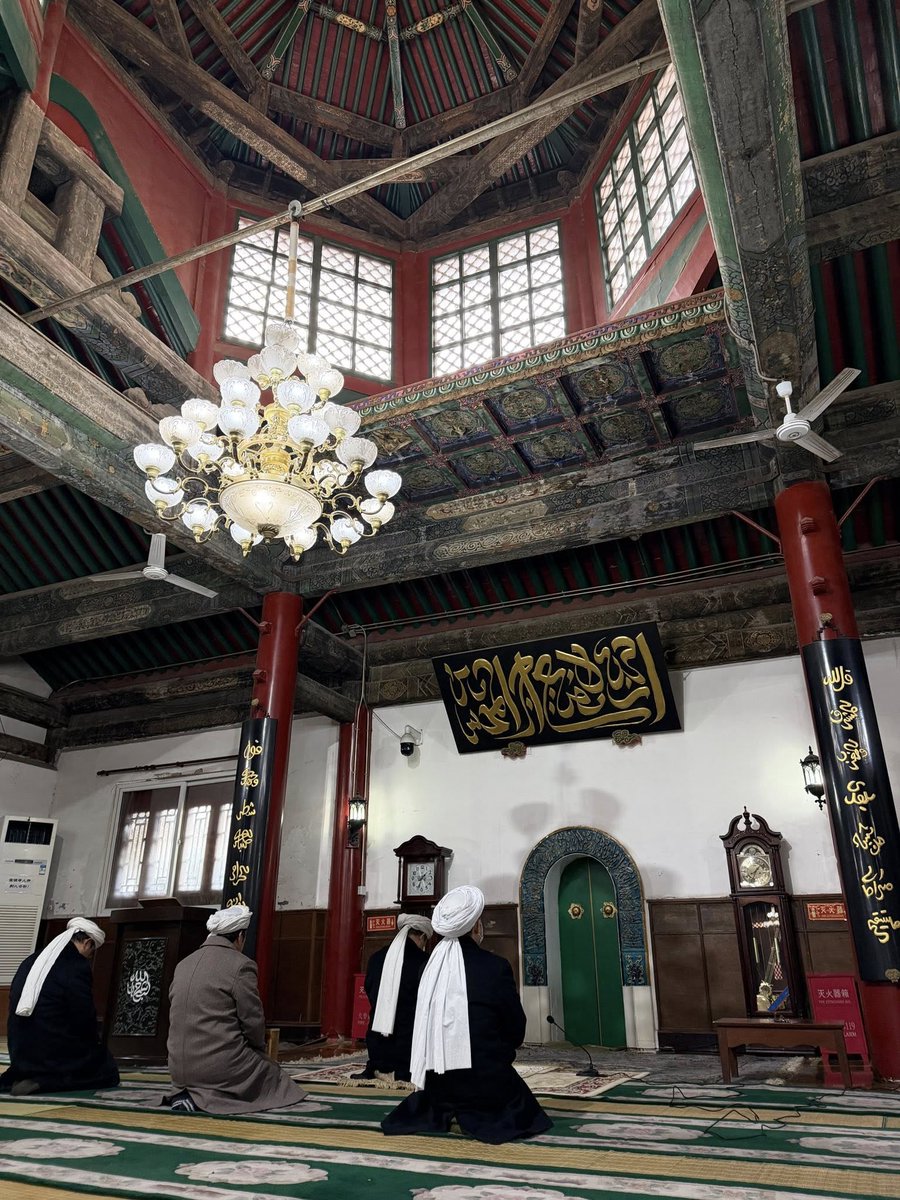
@zhoupanjjp That’s typical Chinese Muslim vertical decoration. The calligraphy you see here shows full Arabic words, not separate characters like Chinese. In this case, Qur’an 2:142.
@zhoupanjjp That’s typical Chinese Muslim vertical decoration. The calligraphy you see here shows full Arabic words, not separate characters like Chinese. In this case, Qur’an 2:142.
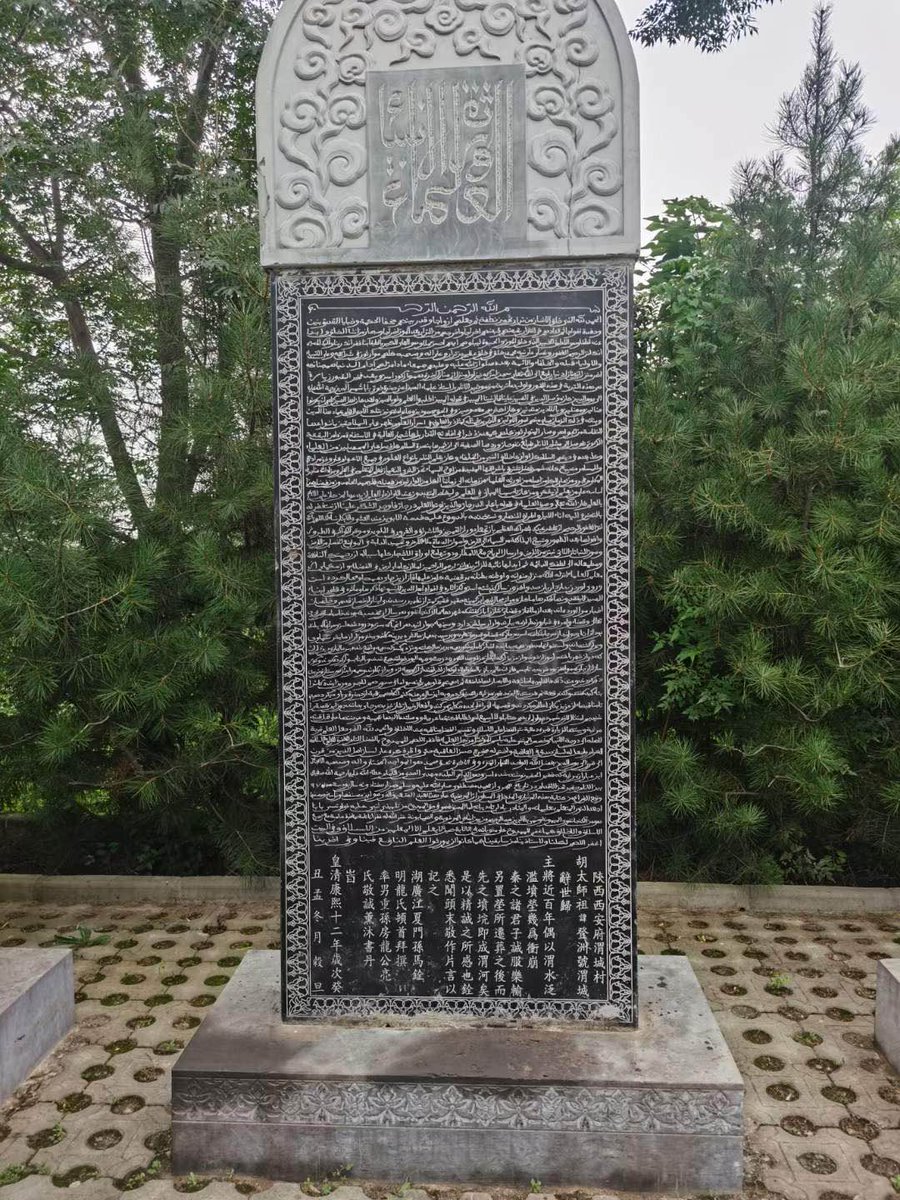
The grave of Hu Dengzhou, 1522-1597, (胡登洲) in Hujiagou. Renowned Islamic scholar, he was a key figure in establishing Islamic scripture education in China. Summarizing his achievements for the spread of Islam in China in 150 would be impossible.
I noticed a general consensus amongst Muslims here about the Palestinian cause, unlike in the West. Everyone, no matter the minhaj they subscribe to, supports and prays for Palestinians and the oppression they are currently facing.
@QI1984 a considerable number of Muslims in China, either directly or indirectly, practice some forms of Sufism. Comparable to pretty much every Muslim countries.
Weekly Mawlid at the Gongbei (resting place) of Chinese Sufi Master Abu-l-Futūh Ma Laichi (马来迟) in Linxia city. In the green turban is the current leader of the Shadhiliya order in China, Shaykh Muhammad Rasul.
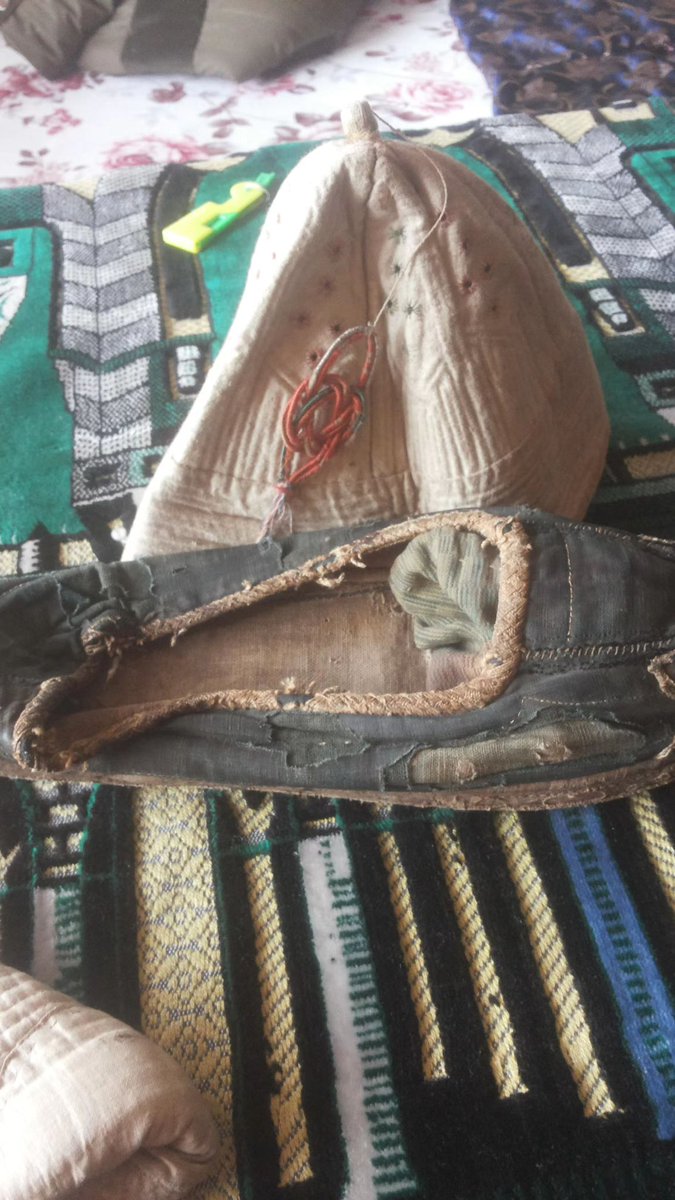
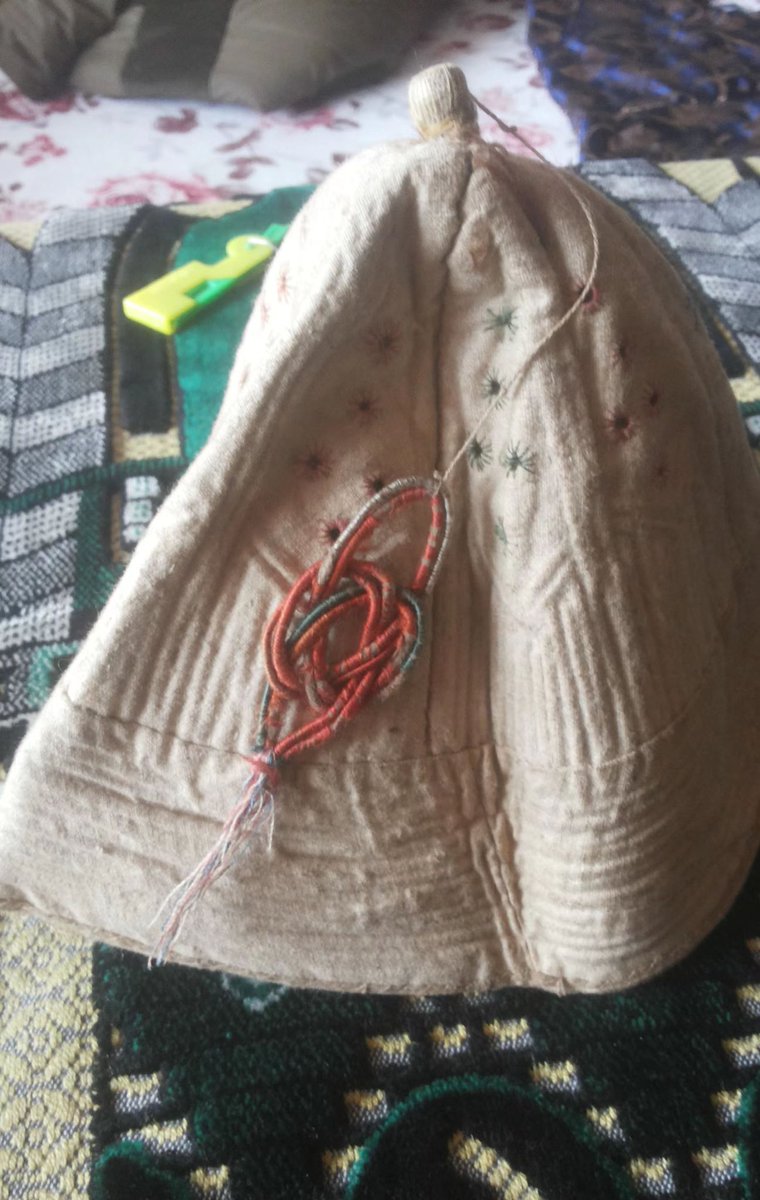
I was recently shown these relics, kept in an undisclosed location in Linxia, attributed to Abu-l-Futūh Ma Laichi (马来迟). There was also a handwritten prayer book in a leather binding, although I was not permitted to share its contents.
Muslim merchant in 1500s tells his tale of capture by Frankish pirates; one of them tells him not to lose hope, since God can change fortune in an instant; Muslims capture that Xian ship and them all prisoner. The merchant buys that Xian slave and frees him.