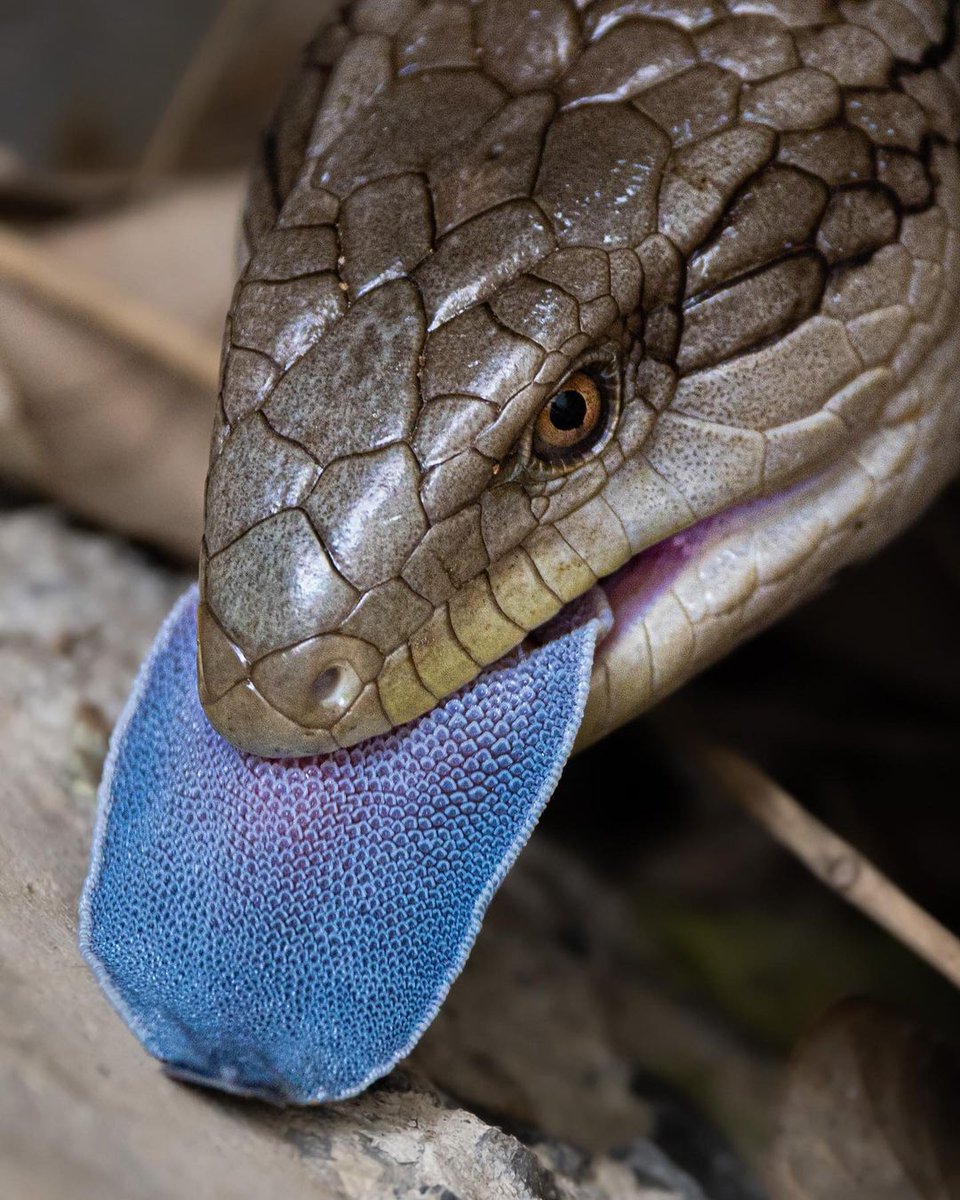
Blue-tongue lizards are iconic reptiles.
When under threat, they’ll open their mouth wide and stick out a broad blue tongue like this one. 💙
On the roof of their mouth is the Jacobson’s Organ, which helps them sense chemicals emitted by prey.
📸 | Jeff Ikin
#BestOf2022
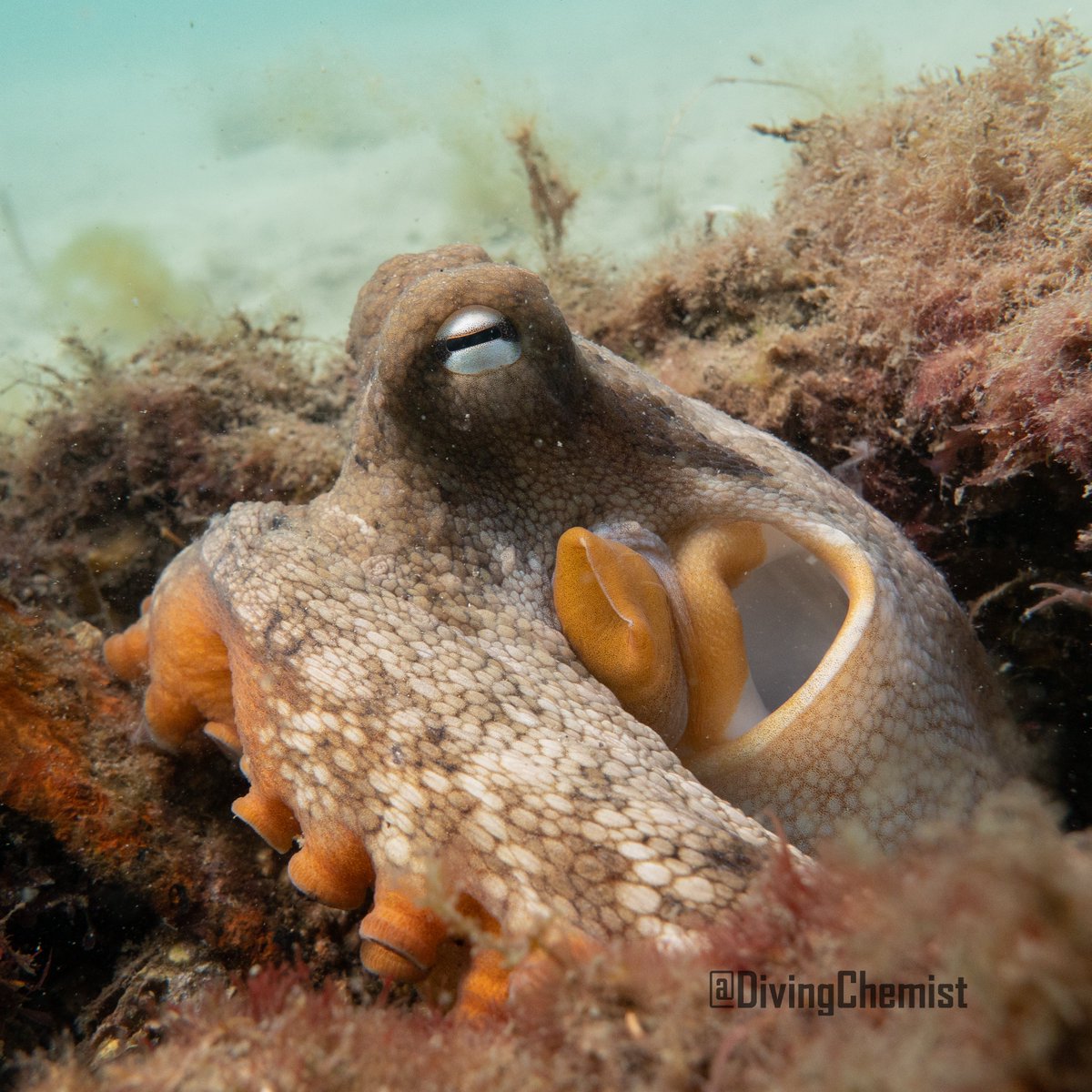
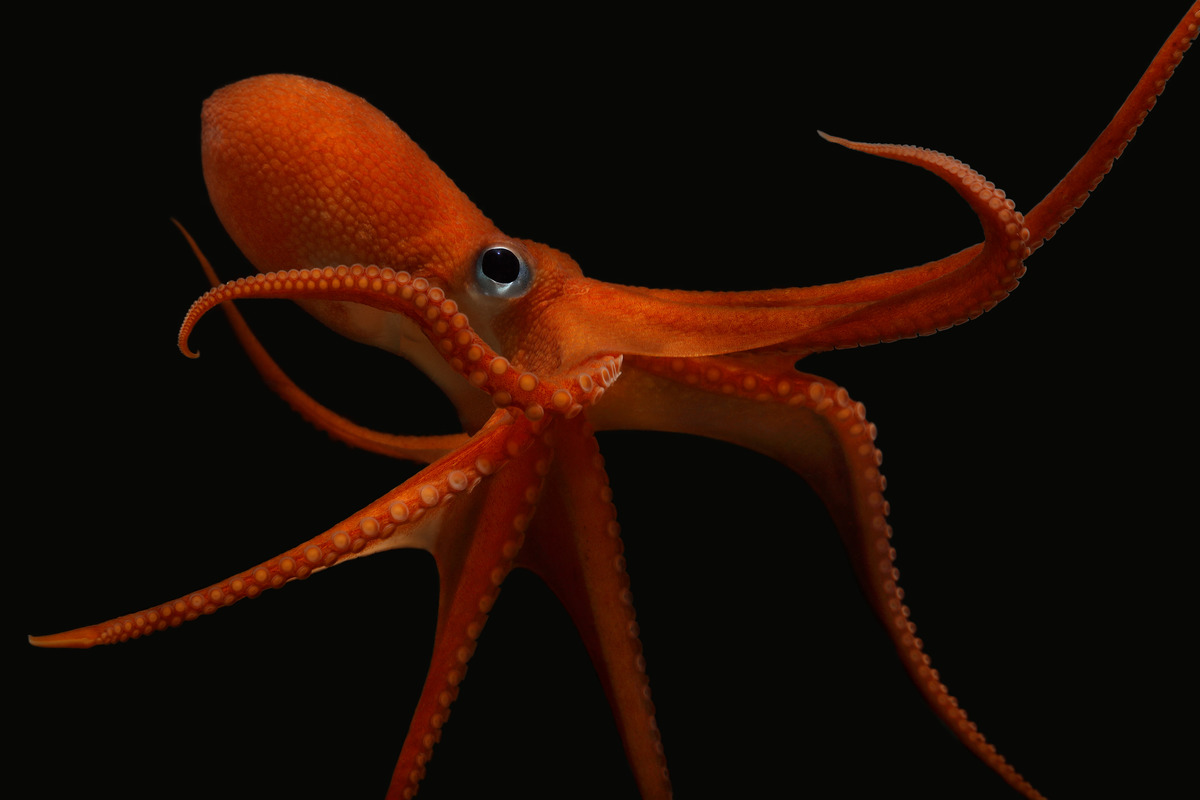
My, my, what bigeye octopus you have! 👁️🐙
Please join us in welcoming our North Pacific bigeye octopuses! This is the first time we’ve raised hatchlings for display. Delightfully dainty now, these sensational cephs will eventually grow to be about the size of a small orange.
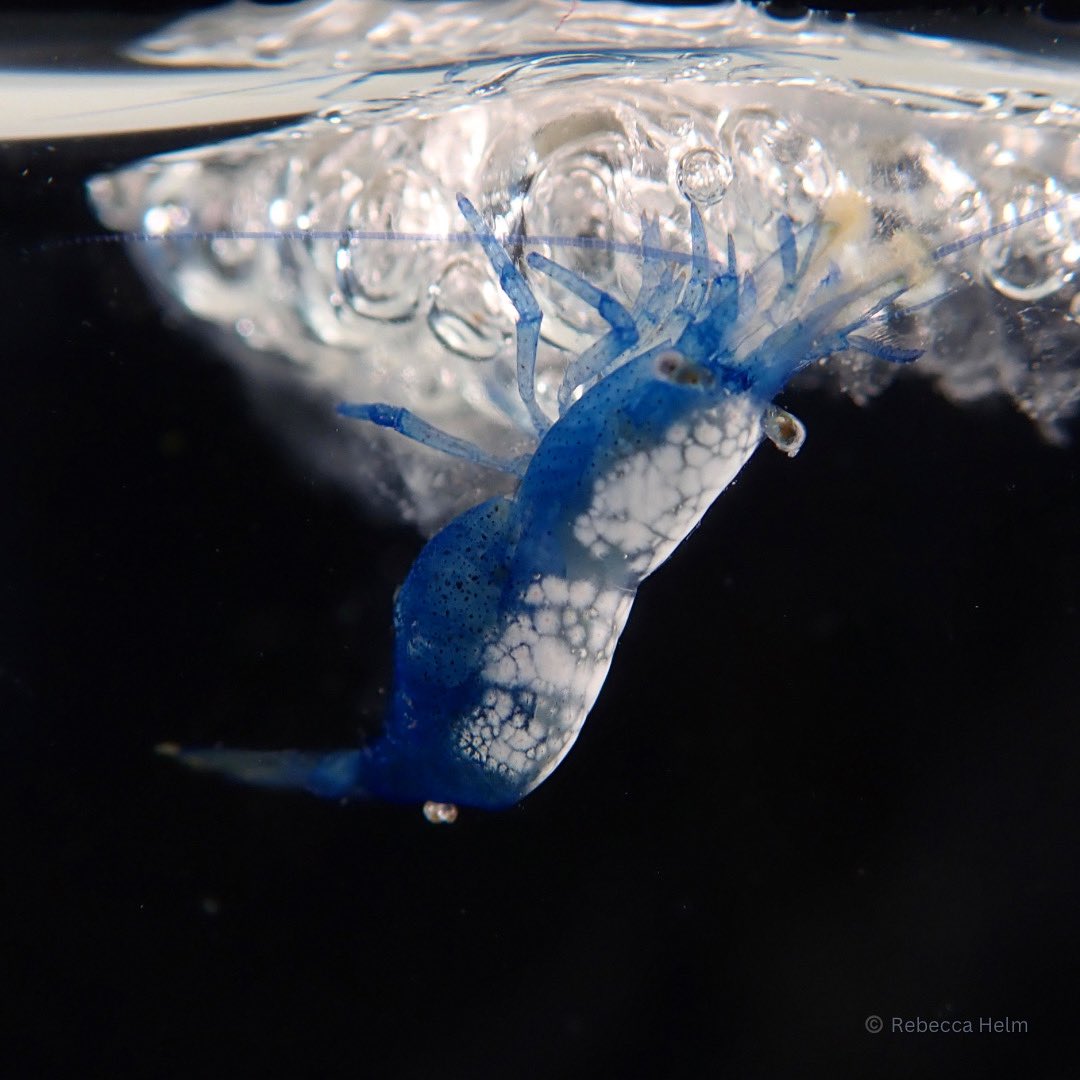
WAIT…there are blue marine shrimps?! This is the cerulean sargassum shrimp (Hippolyte coerulescens), which is just one magnificent example of the unique life that depends on Sargassum! This shrimp is catching a ride on a bubble raft made from a violet snail
📸:@RebeccaRHelm
Campaign update: Marine Protected Area, Dogger Bank, has experienced a 98% decrease in bottom towed fishing since ban came into force in June!
This shows how effective byelaws are at protecting these vital marine habitats.
#MarineUnProtectedAreas
https://t.co/fj7njD9Sil
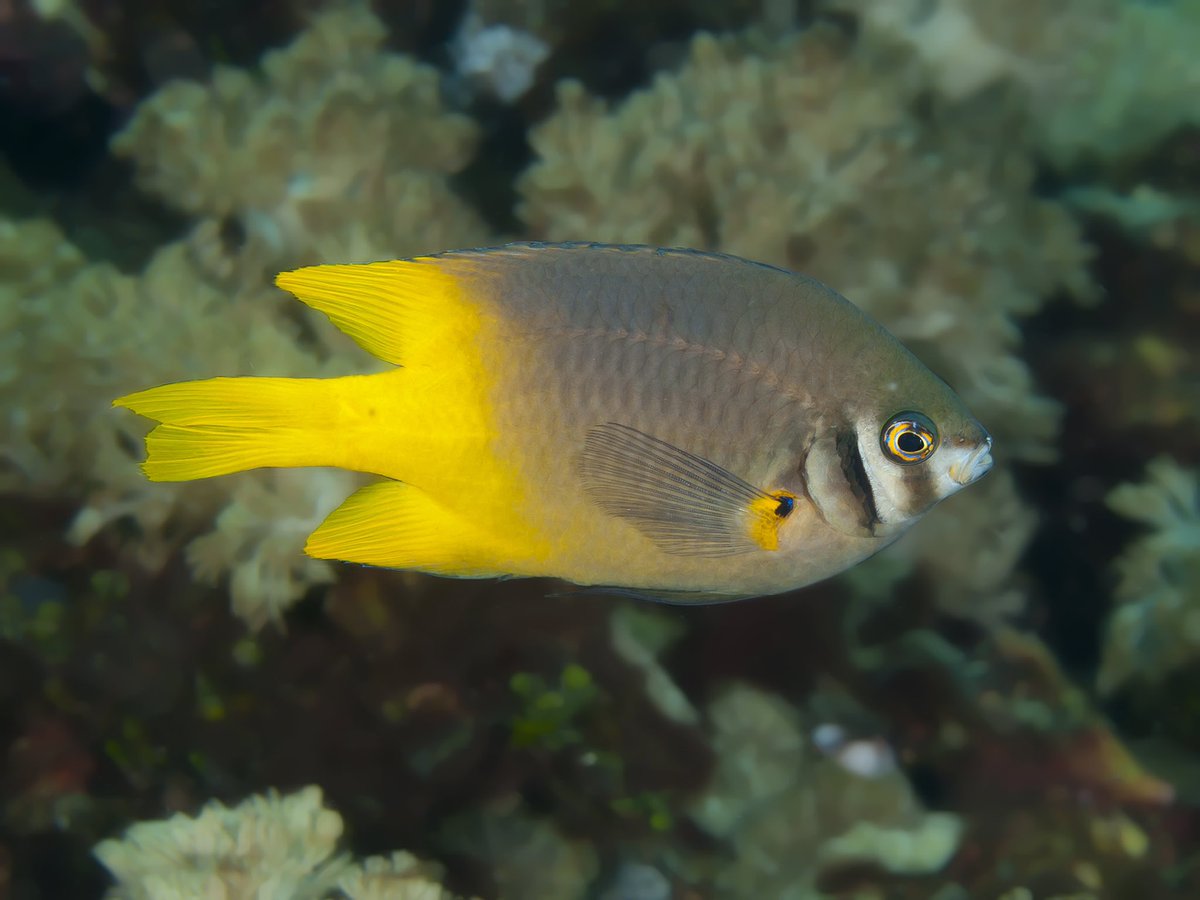
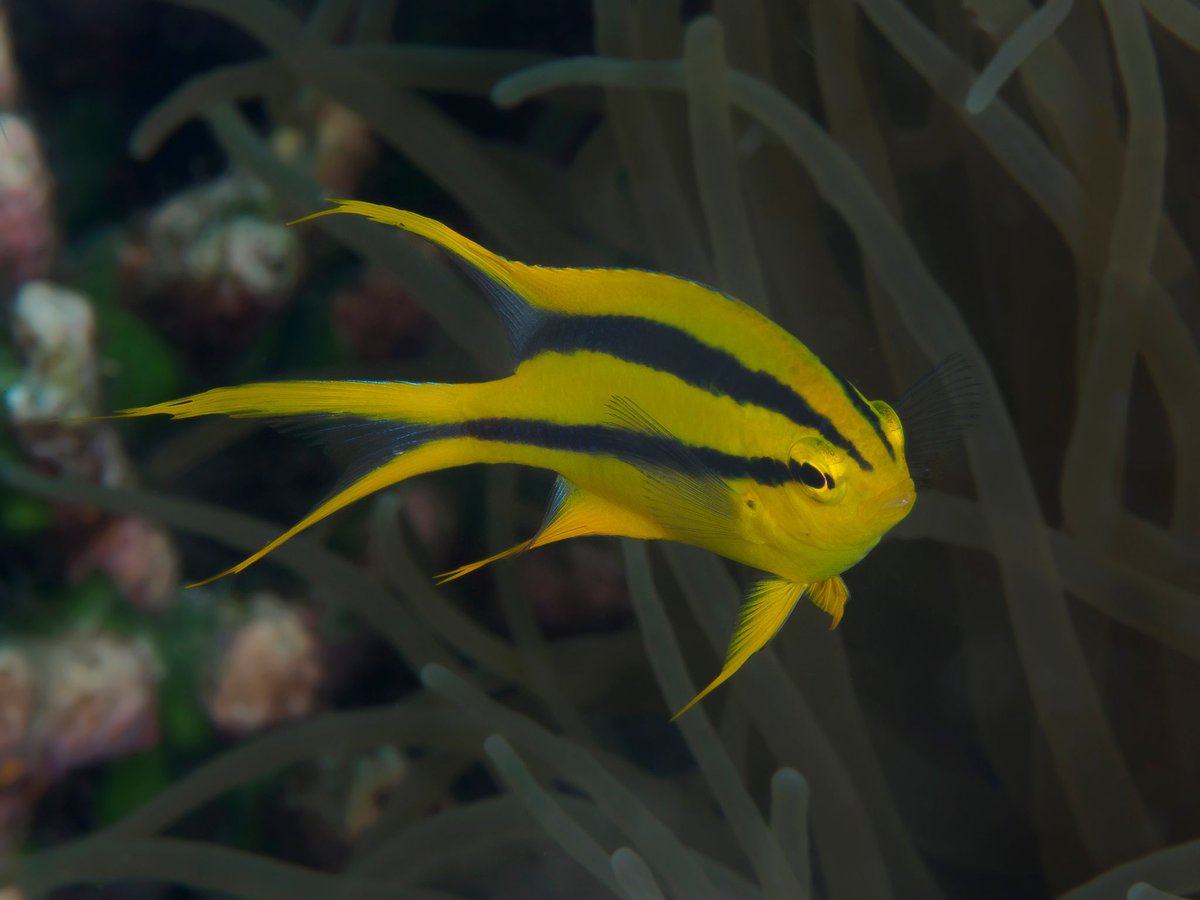
For Christmas, I’m doing 25 Days of Damselfish.
For Day 15, Neoglyphidodon nigroris, the black-and-gold chromis. It is from the Indo-West Pacific. The juvenile is a bit more attractive than the adult, however, adults have different coloration by region. They are omnivores.
Here is a fantastic model illustrating the protective role of mangroves (from the exhibit hall of #AGU2022). Will keep it in mind for lectures on sea-level rise mitigation.
Super macro on a magnificent partner shrimp (Ancylomenes magnificusis). The shrimp itself is only 5mm (0,196 inch) in length. So you probably can imagine how small the eye of the shrimp is!
#underwaterphotography#oceanfacts#scubadiving
Baby Axilspot Hogfish (Bodianus axillaris) are just amazing. Their very dark coloration blends makes the (also dark) eye disappear, while the white spots confuse predators. A great example of disruptive coloration. #PerpetualPlanet#ichthyology
This Lamproderma muscorum spotted in Tasmania truly is nature's bauble. ✨
These fungi are known as Myxomycetes, or slime moulds, and were once considered plants. When more kingdoms were created, slime moulds were moved to the kingdom fungi.
📷 | Sarah Lloyd
#BestOf2022
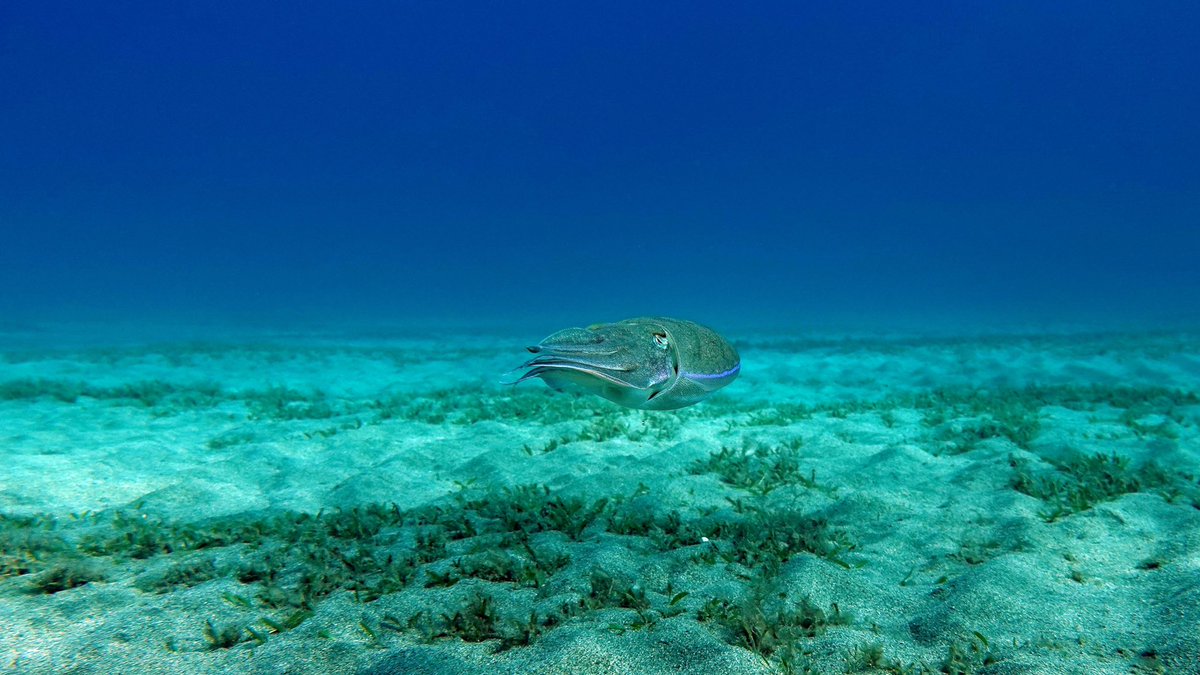
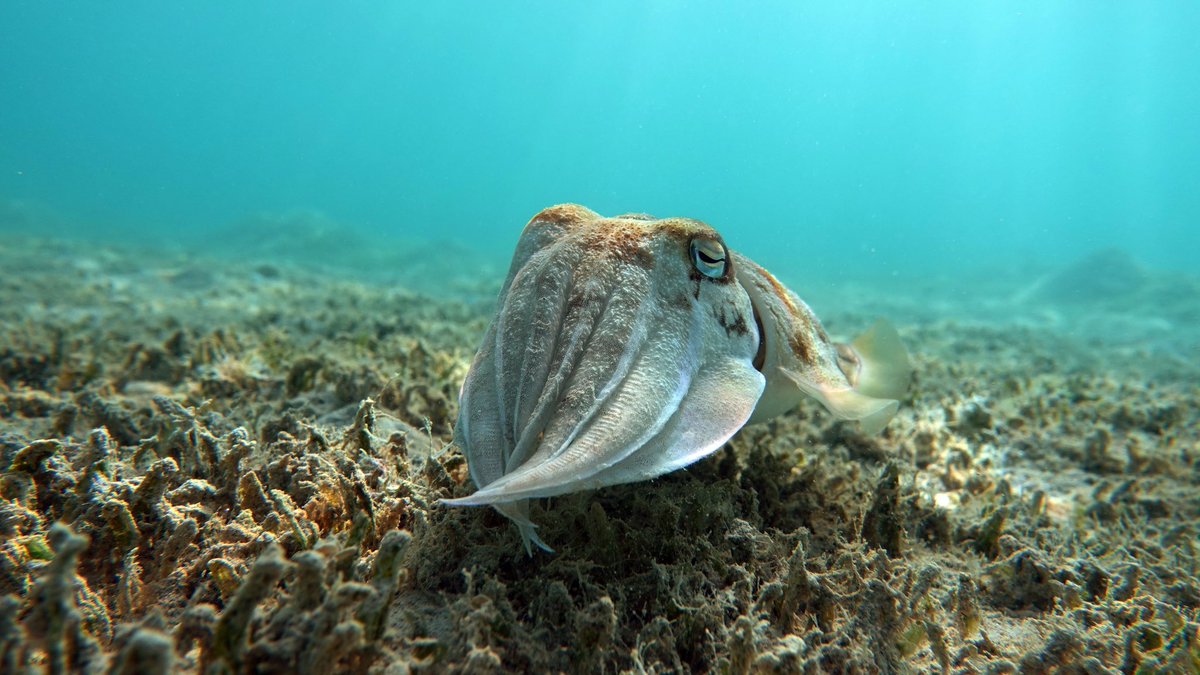
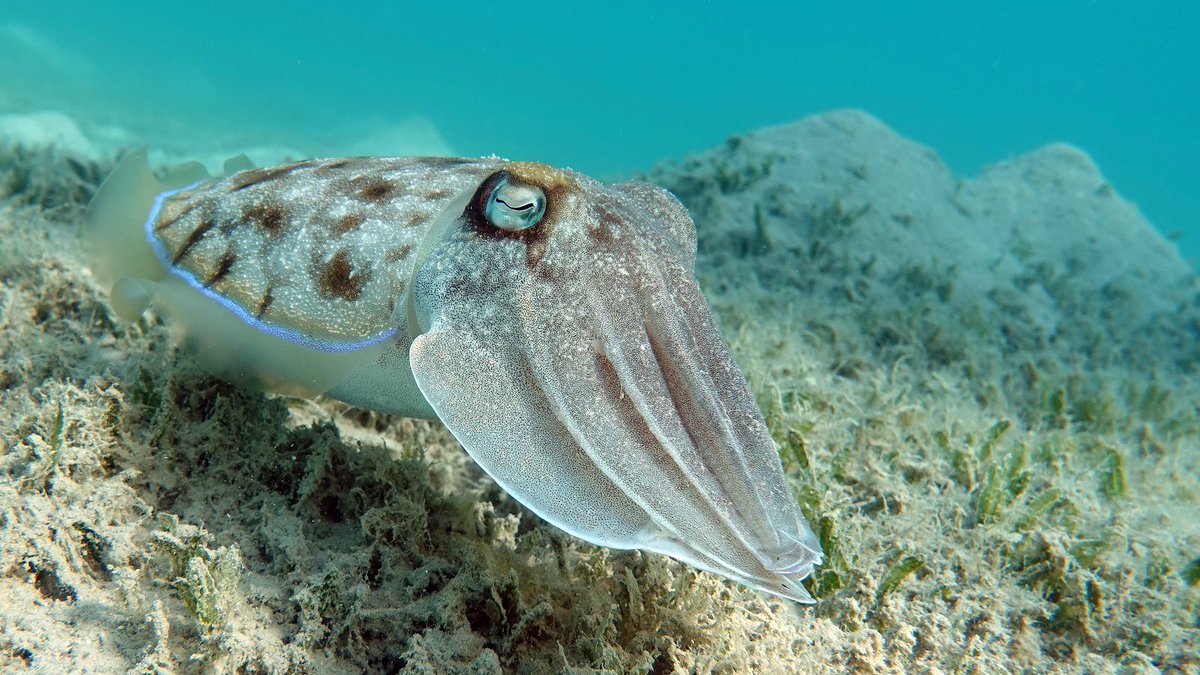
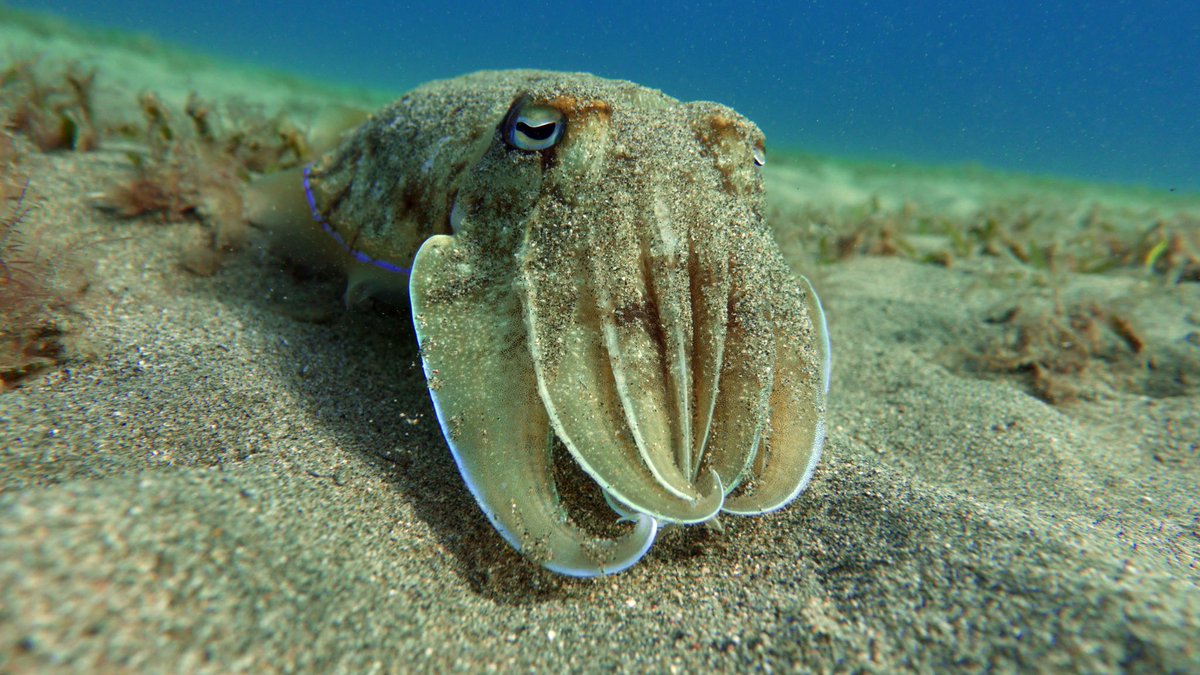
The pharaoh cuttlefish (Sepia pharaonis) is likely a complex of at least three species. Pharaoh cuttlefish often show a solid color when resting on a solid color background, alternating from a pale white to all dark brown. Additionally, they can show a mottled white and brown.
The dragon moray (Enchelycore pardalis) is widespread throughout the Indo-Pacific. It inhabits coral and rocky reefs at depth from 8 to 60 meters. It is nocturnal and frequently looks surprised to see you. :)