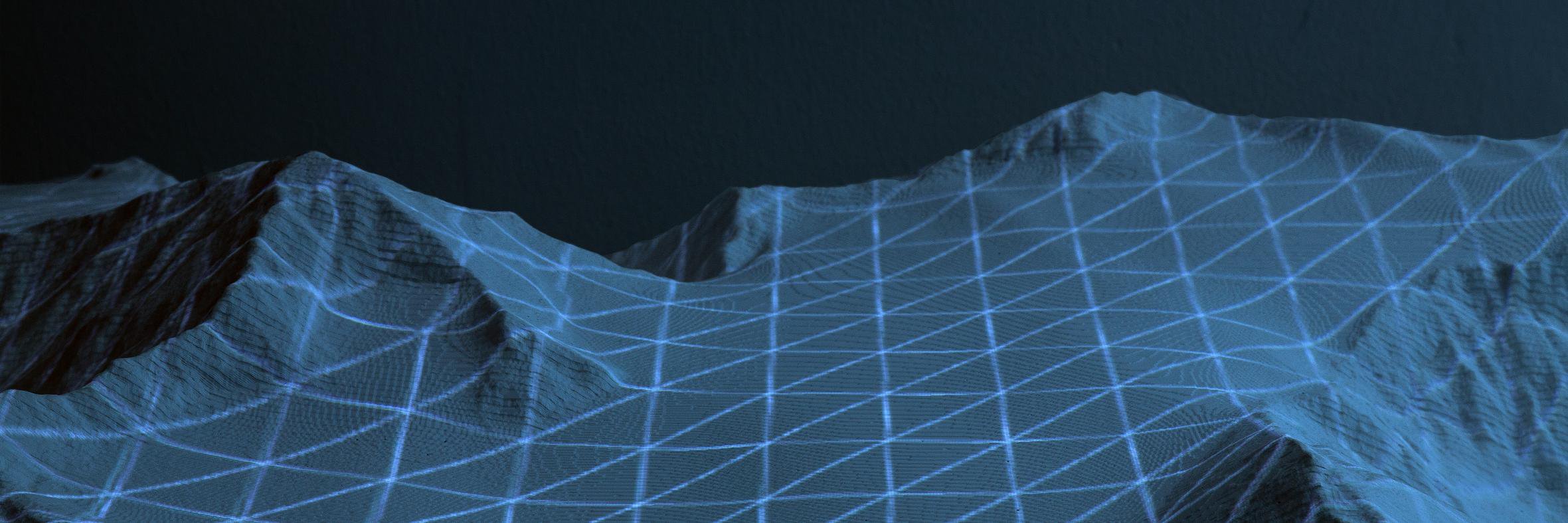
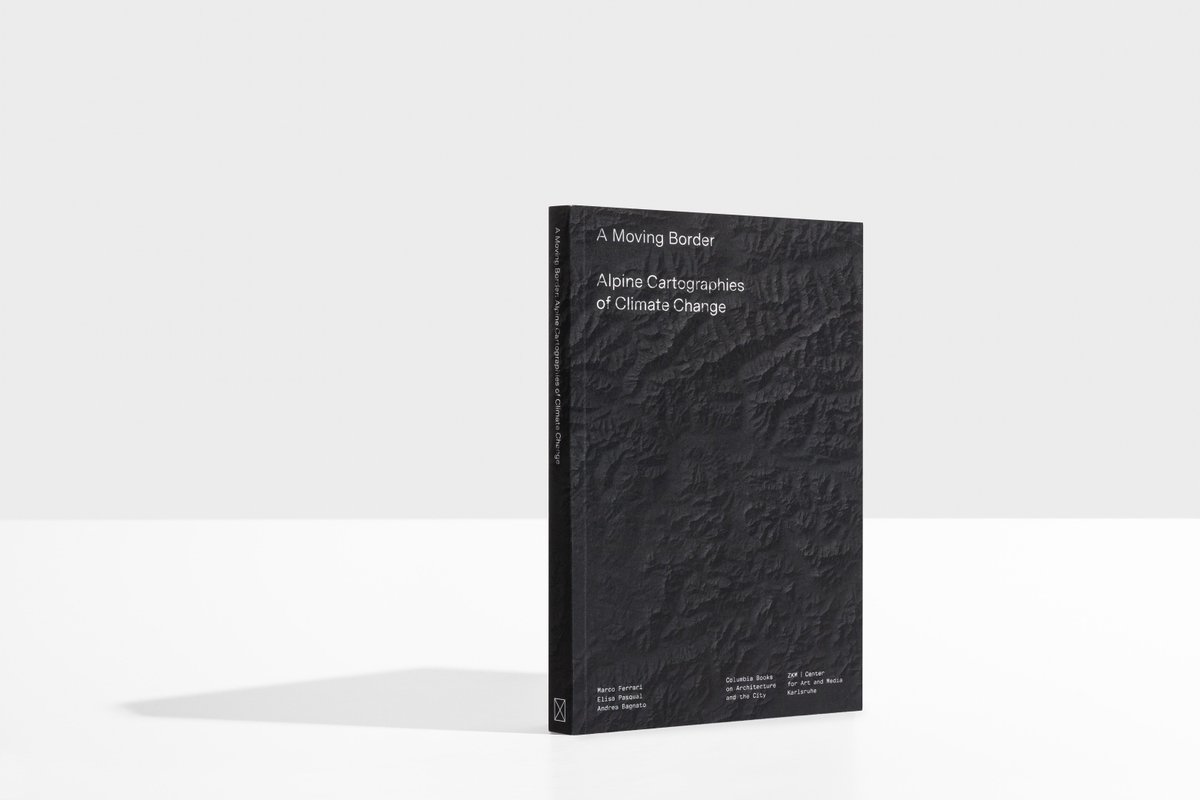
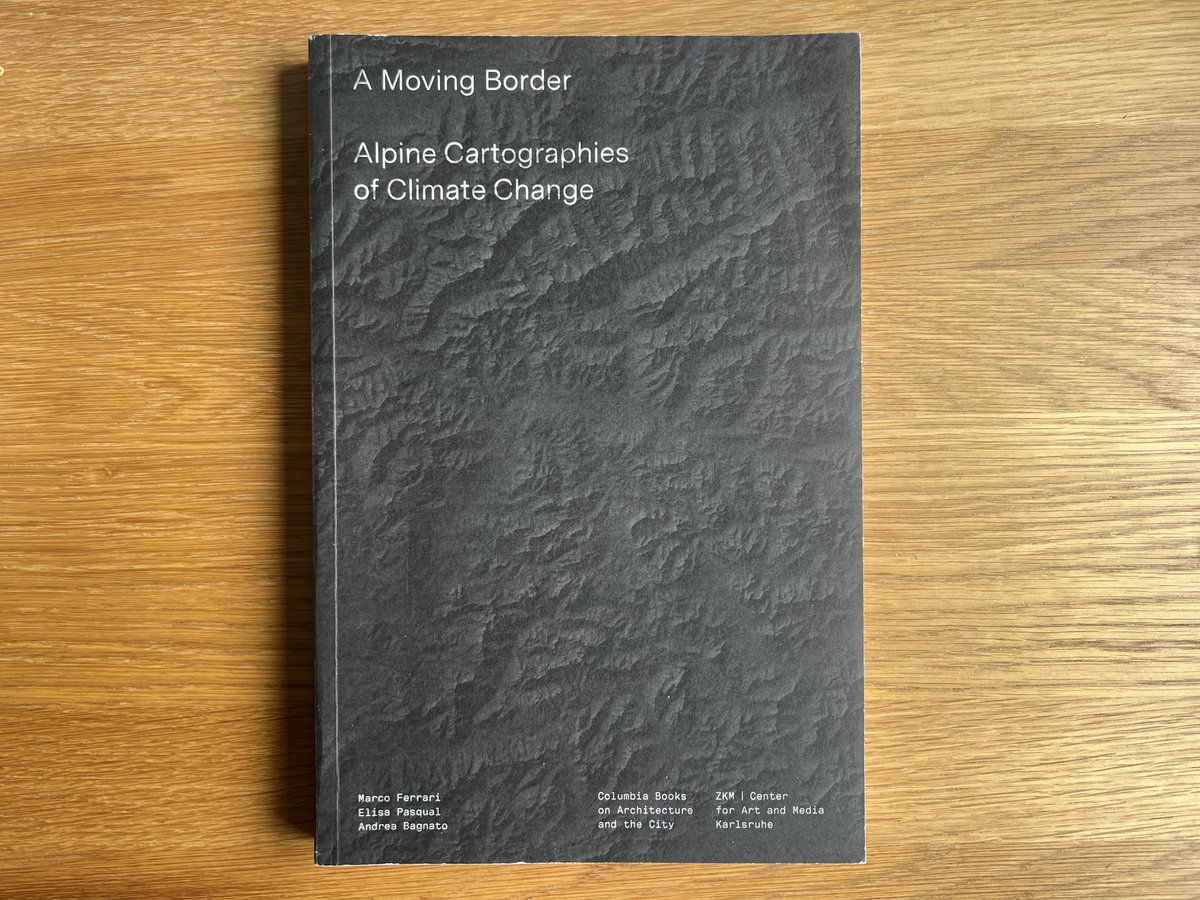
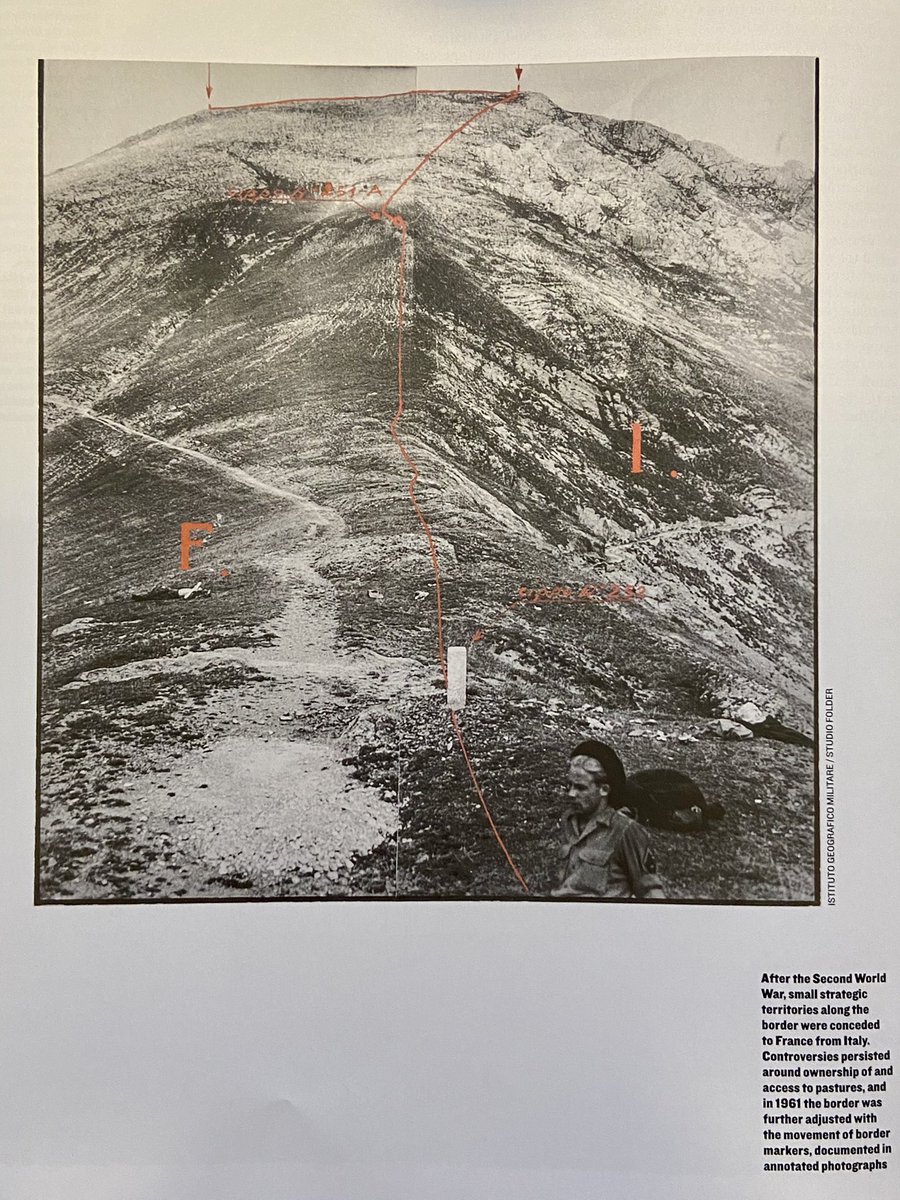
After nearly two years in the making, the book on our long-time survey of global warming’s effects on shifting Alpine watersheds is out. It is published by @gsappbooks and @zkmkarlsruhe, and generously supported by @GrahamFound.
You can order it here: https://t.co/hx92LHpb5w
"This unstable relation [the shifting relation between land and sea] forces us to confront the consequences of climate change, as fixed certainties — soil, resources, infrastructure – that have for so long governed our imagination of land fall apart."
https://t.co/A2MHaWuHss
"We want the number out there, as legible as can be—in projections on government offices, on screens in apartment windows facing the street or on the phones of protestors at a march."
Brilliant new project by @julian0liver@frescogamba
https://t.co/nHP2XzAsju
This is a beautifully-produced and stunningly-designed account of a four-year project by Milan-based design agency @studiofolder (@mariofaranda & @elisa_pa) to survey, in real-time, the movement of a melting glacier border between Italy and Austria
8/25
A Moving Border: Alpine Cartographies of Climate Change. By Marco Ferrari, Elisa Pasqual, Andrea Bagnato. Columbia Books on Architecture and the City 2019.
"shows how natural borders are in fact produced through spatial and historical narratives"
https://t.co/gfUfTuJZvV
Then in a room in the Arsenale in Venice, a mechanical arm would draw the border over and over again – using the latest GPS readings – at the press of a button https://t.co/elaRcmZxBc
11/24
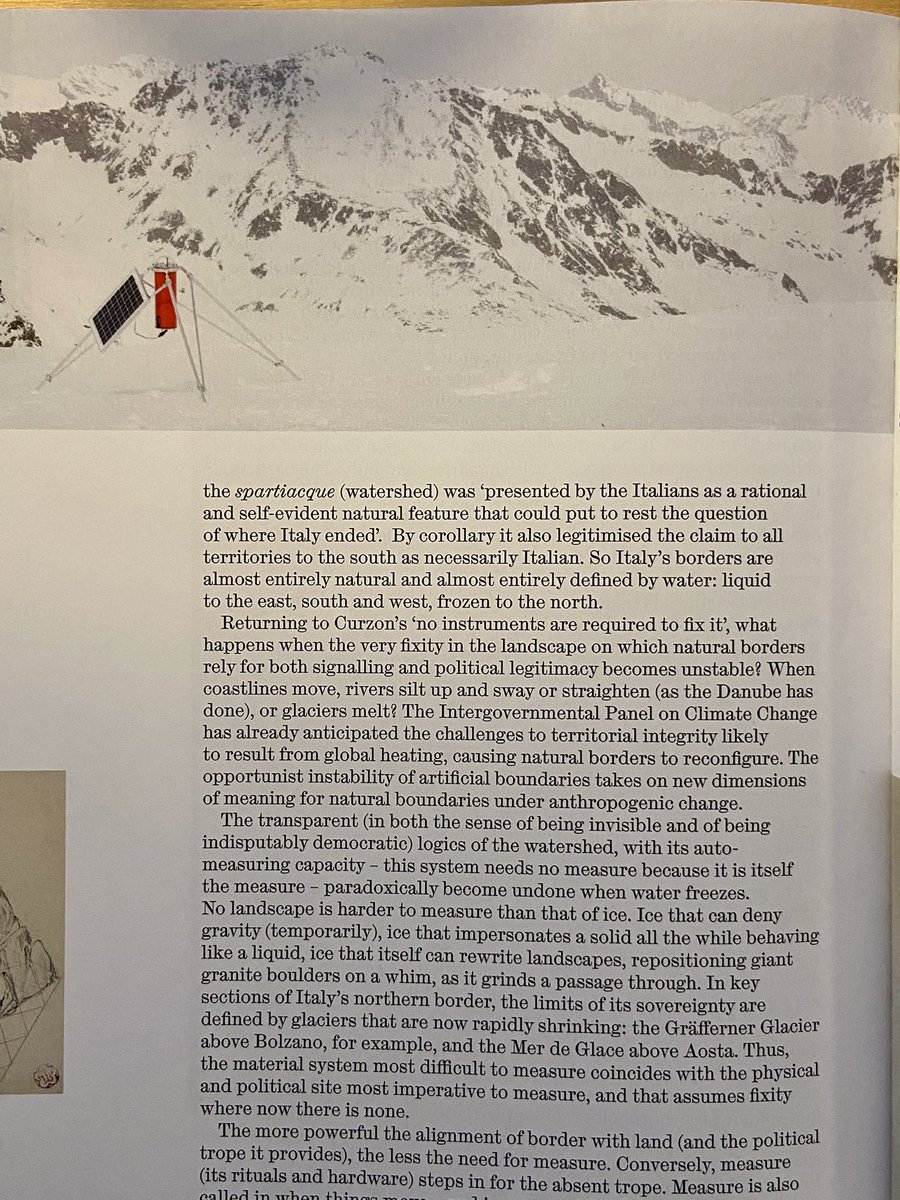
The only border measuring devices that remains nearby the Grafferner glacier, photographed by @Jdcrawf six years after its installation. It is visible along the trail that brings hikers from Vernagt/Vernago to the Similaunhütte.
In 2005 this became law. In 2014, the Milan-based design agency @studiofolder tried to follow the actual movement of the border in real time, by placing solar-powered GPS sensors on the line of the watershed on the Grafferner glacier. Here's one of the original sensors
10/24
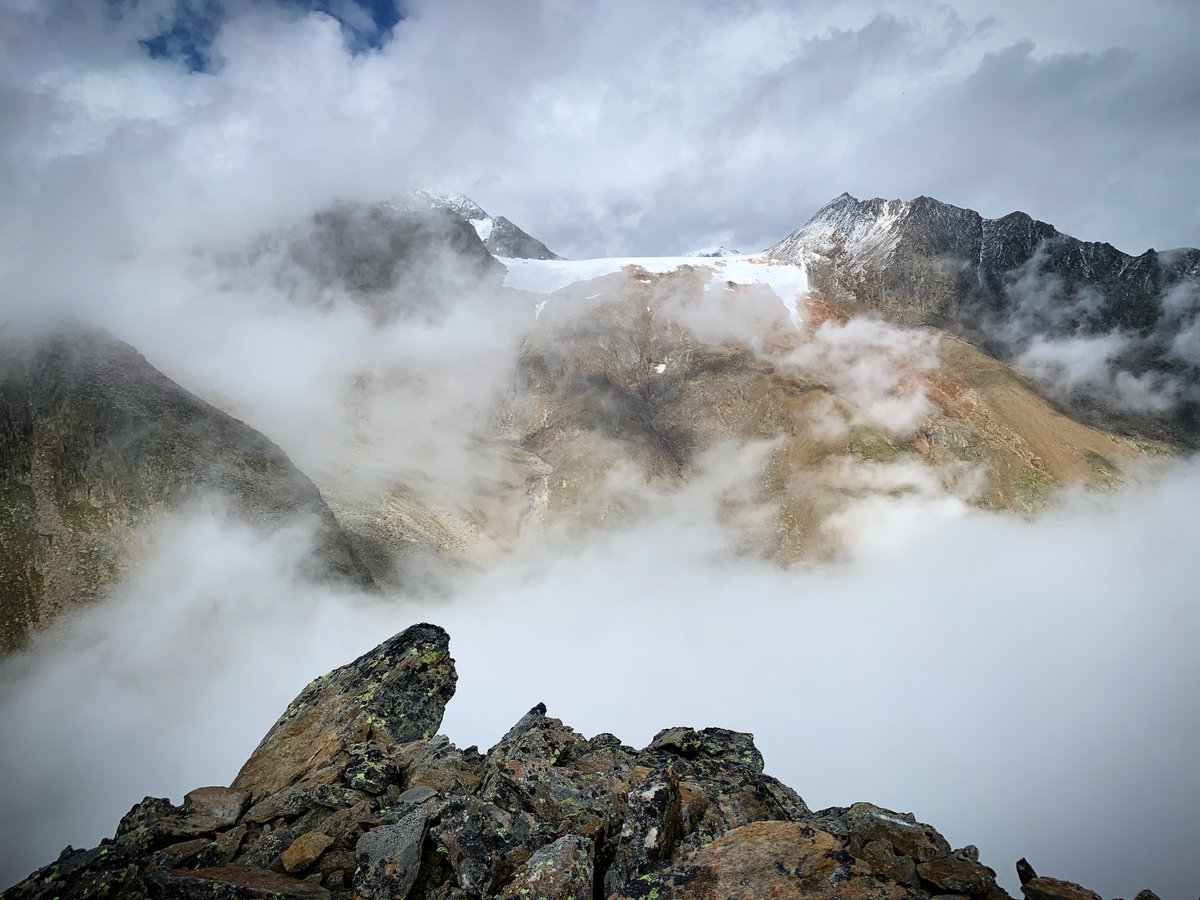
This is the Grafferner glacier in the Italian-Austrian Alps. Straddling the border between two nations, when this glacier moves, the border moves too. It's a ‘confine mobile’ – constituted in law by Italy and Austria as a moving border. A border defined and shaped by GRAVITY 🧵
"It can be philosophically problematic, or at least legally complicated, to regard ice shelves and ice sheets as having a right to exist undisturbed from human threats."
https://t.co/AZ3VAxLLEb
"This next-generation constellation is expected to monitor patterns of life, like shifting political borders and changing coastlines, and help characterize drivers of environmental change that are threatening protected ecosystems."
Climate change seems to have given rise to a new geographical form: terra perdita—lost landscapes. As shorelines recede, forests burn, glaciers melt, cartographers seek to capture these geographical shifts & preserve vanishing terrains https://t.co/mGTPfrbvAp @shannonmattern
A recently published piece on @NewYorker focuses on melting glaciers and the Swiss-Italian moving border, while talking about our book and telling the story of a hut split between two countries:
https://t.co/EsBttjHlHc
cc @gsappbooks
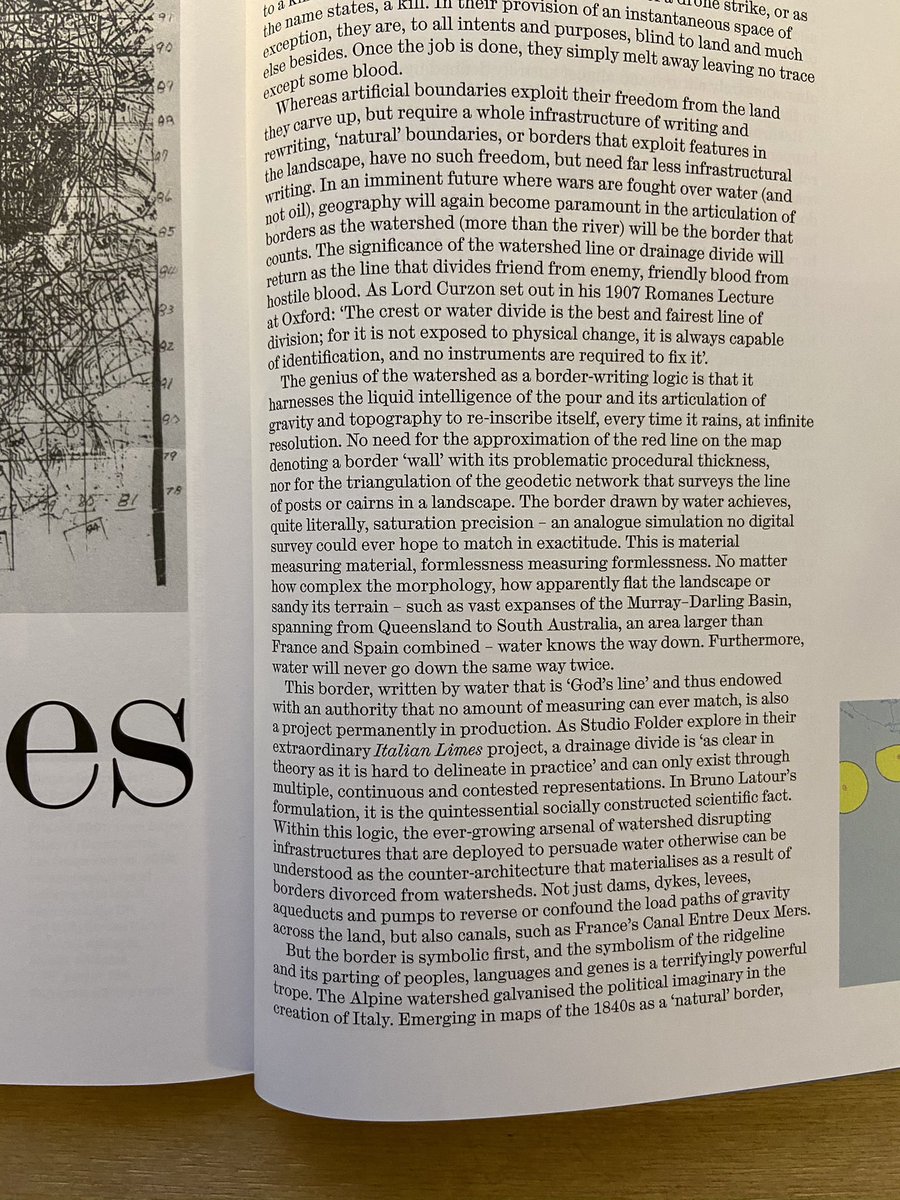
“The genius of the watershed as a border-writing logic is that it harnesses the liquid intelligence of the pour and its articulation of gravity and topography to re-inscribe itself, every time it rains, at infinite resolution.” —Francesca Hughes on borders in @ArchReview
The next meeting of the #MeasuringtheEarth discussion group @MPIWG will take place on Nov. 26, 14-15 CET: https://t.co/obe3uzd2Zo. We will discuss with @mariofaranda and @andreabagnato their book *A Moving Border*. Drop me a line for access details. #histsci#envhist#geohist
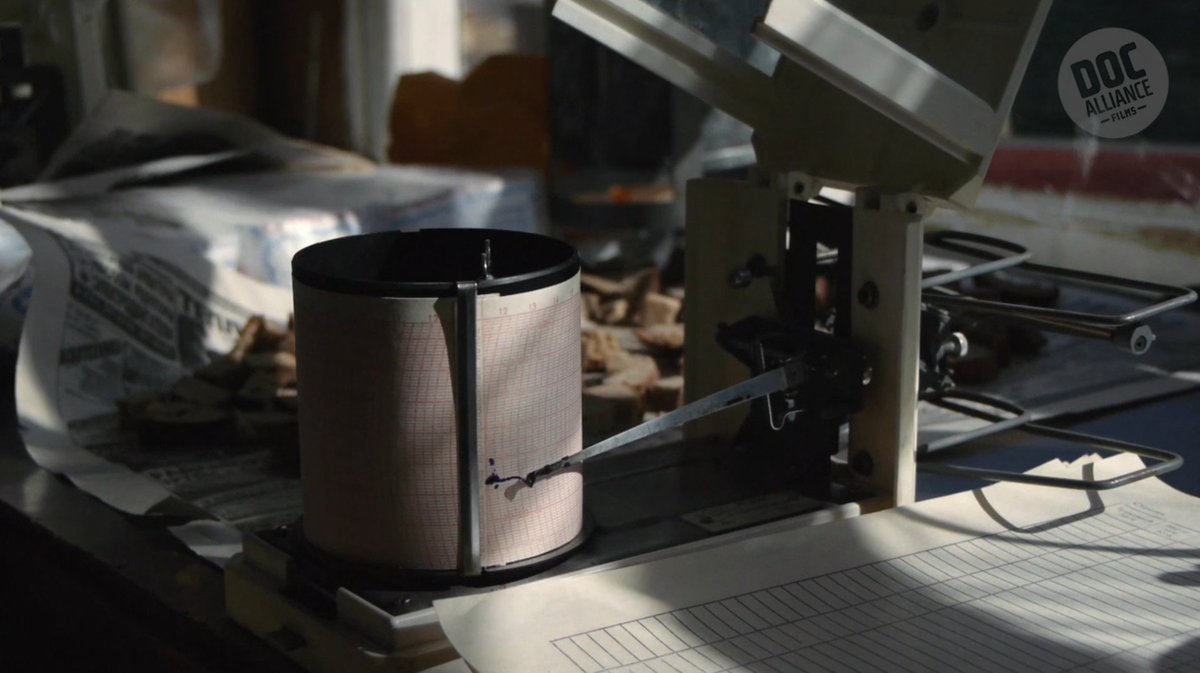
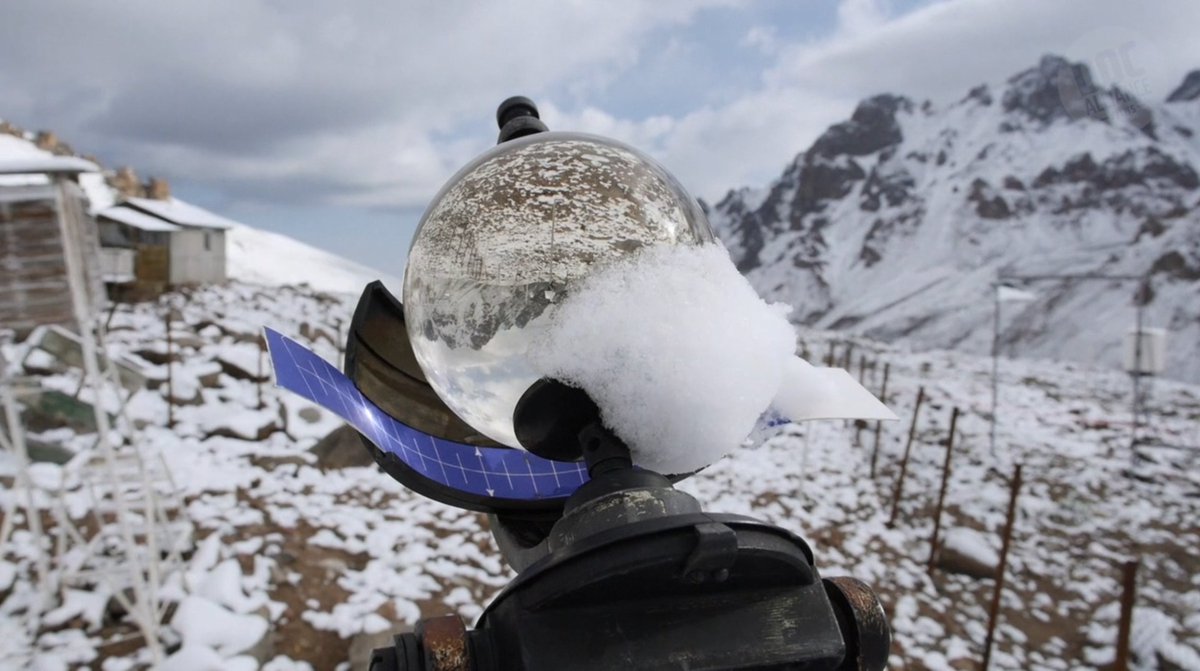
Incredibly beautiful and touching film by Audrius Stonys on Lithuanian glaciologist Ausrele Revutaite, and her life among the glaciers and weather monitoring instruments of the Tian Shan—including a sunshine recorder! (cc @dietoff) @DocAllianceFilm
https://t.co/PY3OfrJfKd
@ColumbiaGSAPP @shannonmattern "This, we might say, is a form of geoengineering, too—one reliant not on snow guns or dynamite or dams, but on shepherds’ staffs and sheep bells and generationally ingrained ecological knowledge about the landscape.”
— @shannonmattern
'GlacierMap' goes live: a citizen science project creating both an interactive educational resource on glacier retreat and water resources — and a new ‘crowd-sourced’ dataset of glacier change in #Peru. Take a look #geographyteacher https://t.co/hgvK7aysw4
Il surriscaldamento climatico sposta il confine alpino?
Così si apre la seconda puntata di #apepodcast con @it_limes ospite di @ApeMilano a @pianoterralab https://t.co/t4opHCayHN