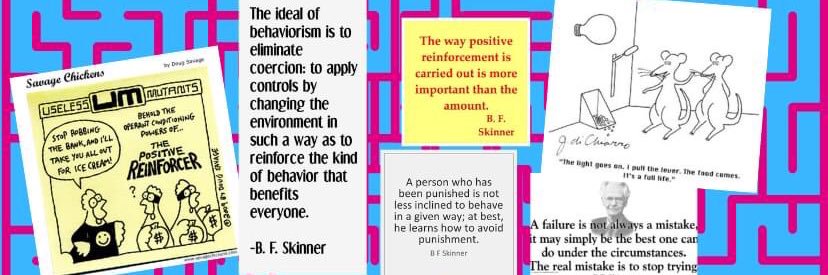
@RaeleneMcBee@RockyJMoon@NoNonsenseND You’re talking about behavior modification. Behaviorism describes how all behavior works. And yes, behavior modification can be misused.
@eduleadership I agree that such language is problematic. With that said: I wonder what the actual IEP document says. This only reports what the student said the IEP says.
No. What happens when you reward expected behavior is you trade intrinsic motivation for extrinsic, and rewards lose their effectiveness over time as kids come to expect them.
Looking for a fantastic, low cost way to light up your toddler’s brain?
You can’t go wrong with bubbles. 🫧
As simple it may seem, bubble play promotes a whole host of developmental benefits.
Let’s unpack just a few on display in this video.
First, blowing bubbles promotes the development of oral motor skills. In order to produce them, we must coordinate the muscles of the mouth, jaw, tongue, lips and cheeks. If you’ve ever tried this with a toddler, you know that the action of blowing - particularly with precision and directionality- is one developed only with time and practice.
As the bubbles leave the wand, take careful note of our hero’s eyes. He stays perfectly still for just a moment, visually tracking both his success and the movement of the individual bubbles.
Then comes the fun part, chasing and popping each one.
This entails the precise activation of both his gross (large muscles) and fine motor (small muscles) systems.
After walking forward to the vicinity of the floating bubbles, watch how he then relies on his developing hand-eye coordination to touch and pop each one. This is a particularly complex task, as each remains in motion.
Finally, the act of popping each activates the body’s tactile sense. The bubbles are wet and slippery - information transmitted through the skin to the brain, providing information about both the texture of the liquid residue and where on his skin it has landed.
For the brain, the whole activity is quite a feast - and costs literal pennies.
This little bubble master was shared to TT by kayleigh.gray.2020
If you see behaviors that you want to continue, don’t ignore them! Behaviorism isn’t a “trap.” It’s science, and we can apply it skillfully and ethically to support students and teachers. #reinforcement#PBIS#ItsAllBehavior
How do you decide what incentives to offer to students or staff?
Easy: None. None at all.
Don't fall into the behaviorism trap.
Don't reward expected behavior.
Just wow.
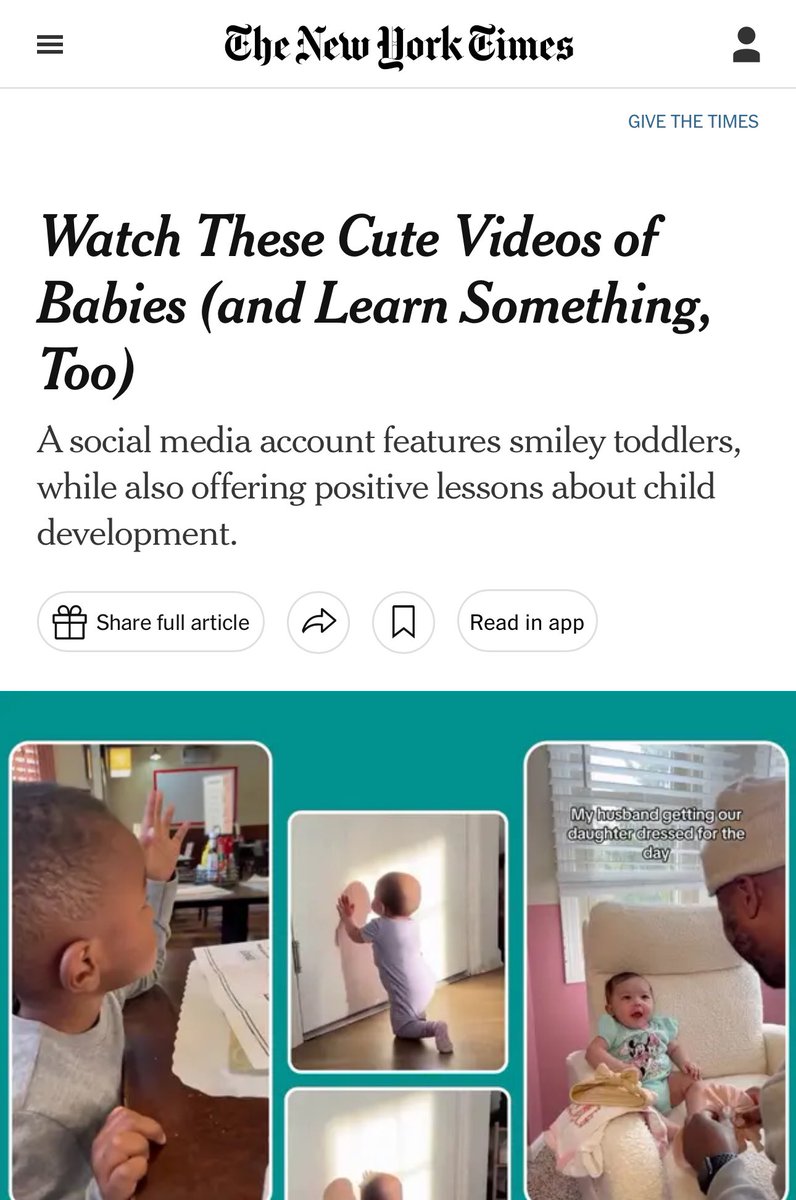
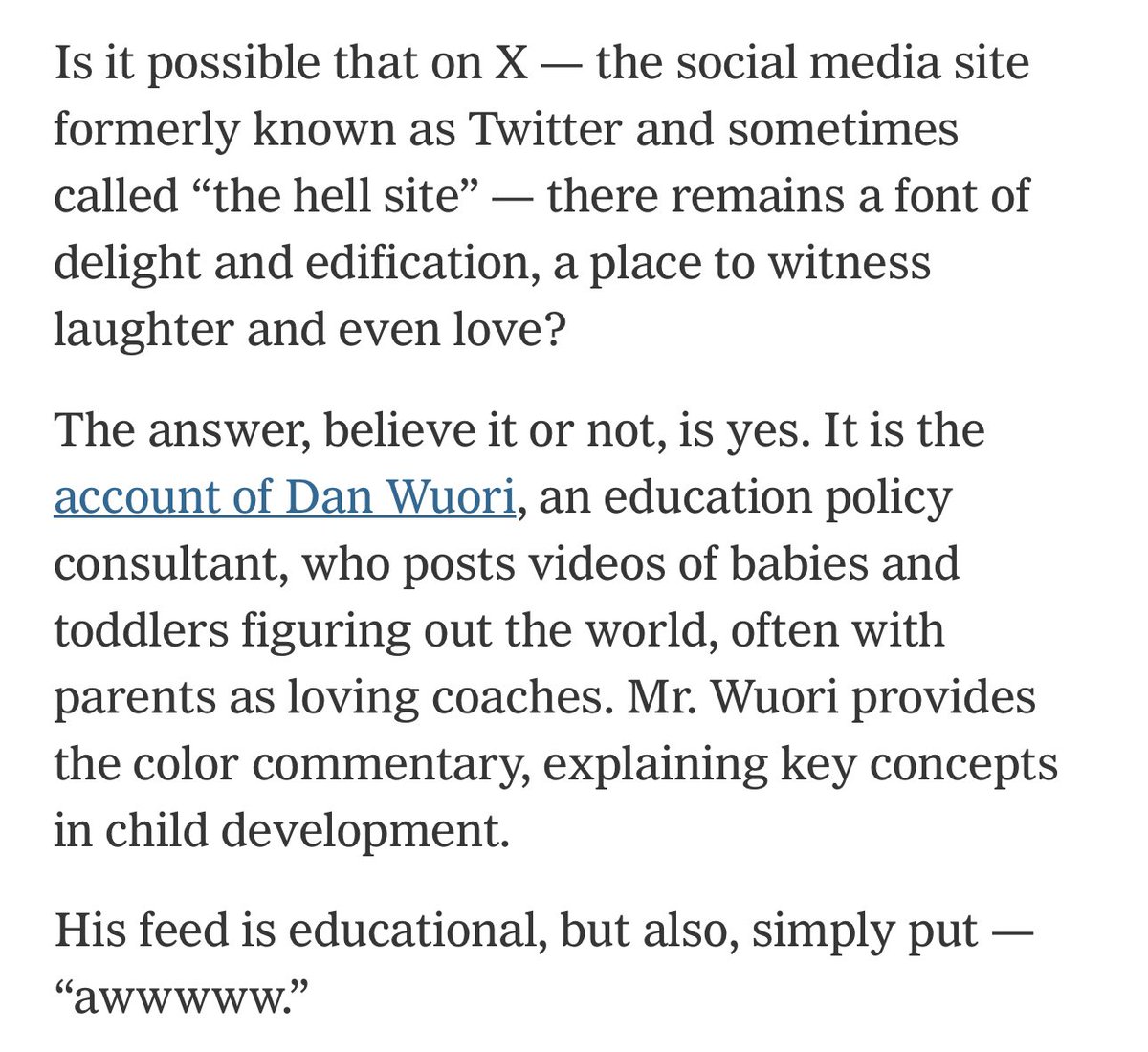
I couldn’t be more grateful for - or humbled by - this lovely profile in today’s New York Times, which uplifts not only the babies who take center stage on this channel, but the community we’ve built here.
I’ll post a “gift link” in the first reply below, which should allow you to read even if you’re not a @nytimes subscriber.
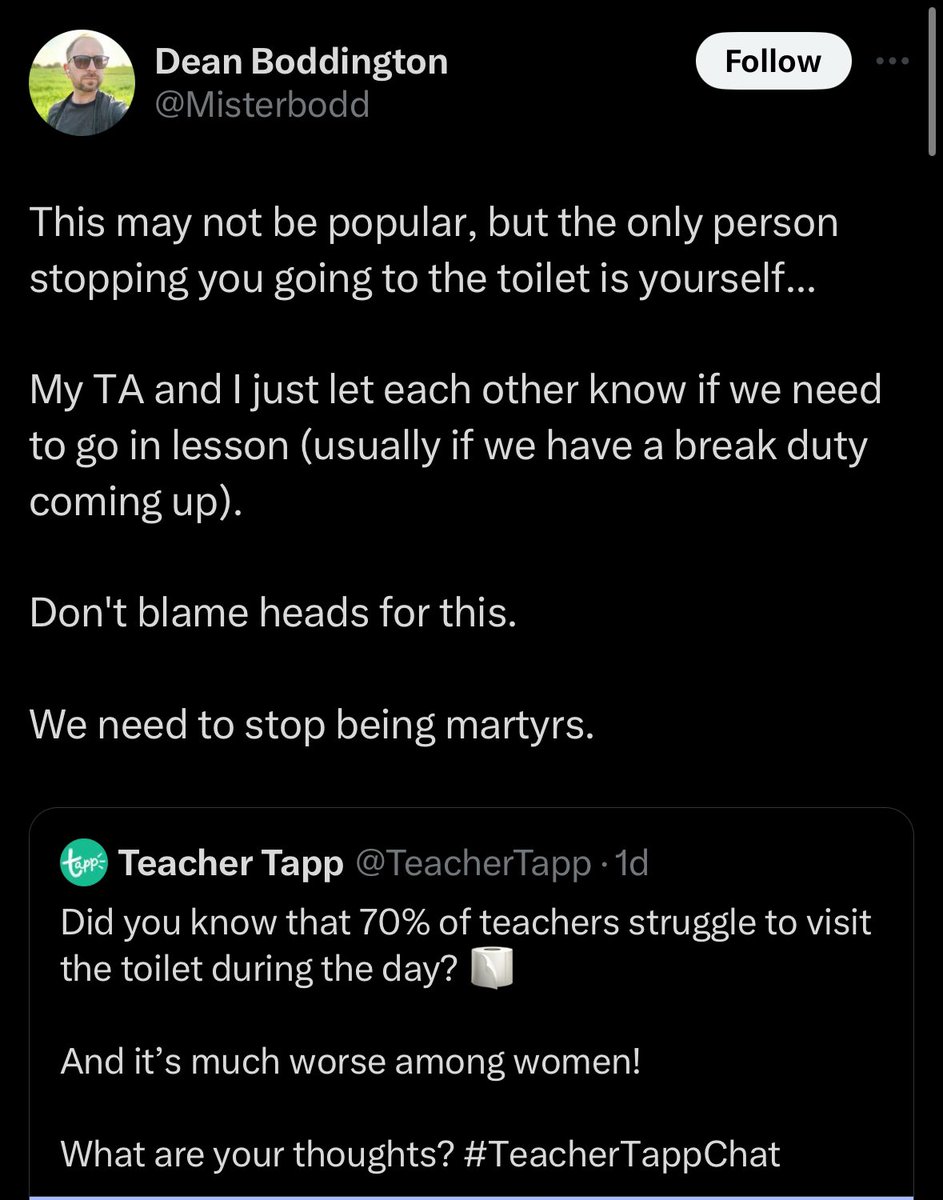
Yup! Context is so important! A female teacher with no TA is far less likely to be able to just run to the bathroom real quick—it takes longer, and who’s going to supervise? Solutions have to fit.
@kkevinaten This!!! It’s not a quick fix; it’s a fundamental overhaul. And having maverick teachers undermine it in the background is deeply problematic.
@bogardus_mary 2/ There are ways to turn that around that don’t have to involve punishment-based practices. Reinforcement—whatever that looks like—can emphasize what students are doing *right.* That builds relationships. No candy has to be involved.
@bogardus_mary There’s nothing about PBIS that makes “candy rewards” a requirement. Reinforcement can be as natural as positive verbal feedback. Reinforcement is *always* what keeps a behavior going, whether or not *you* are the one providing it. If a behavior isn’t “the norm,” why isn’t it? 1/
@RattusFlattus OP has a significant bias against, but it sounds like they also don’t have an accurate understanding of it and have not seen it implemented correctly.
@RattusFlattus Positive Behavior Interventions and Supports. It’s a three-tier model of behavior support where tier one is school-wide behavioral expectations. It’s not new—it’s been around for 25-30 years and has a significant research base.