Scientists have announced the discovery of a previously unidentified species of octopus found in the Galápagos Islands — and it’s sure to turn heads. https://t.co/KN89Oxtvns
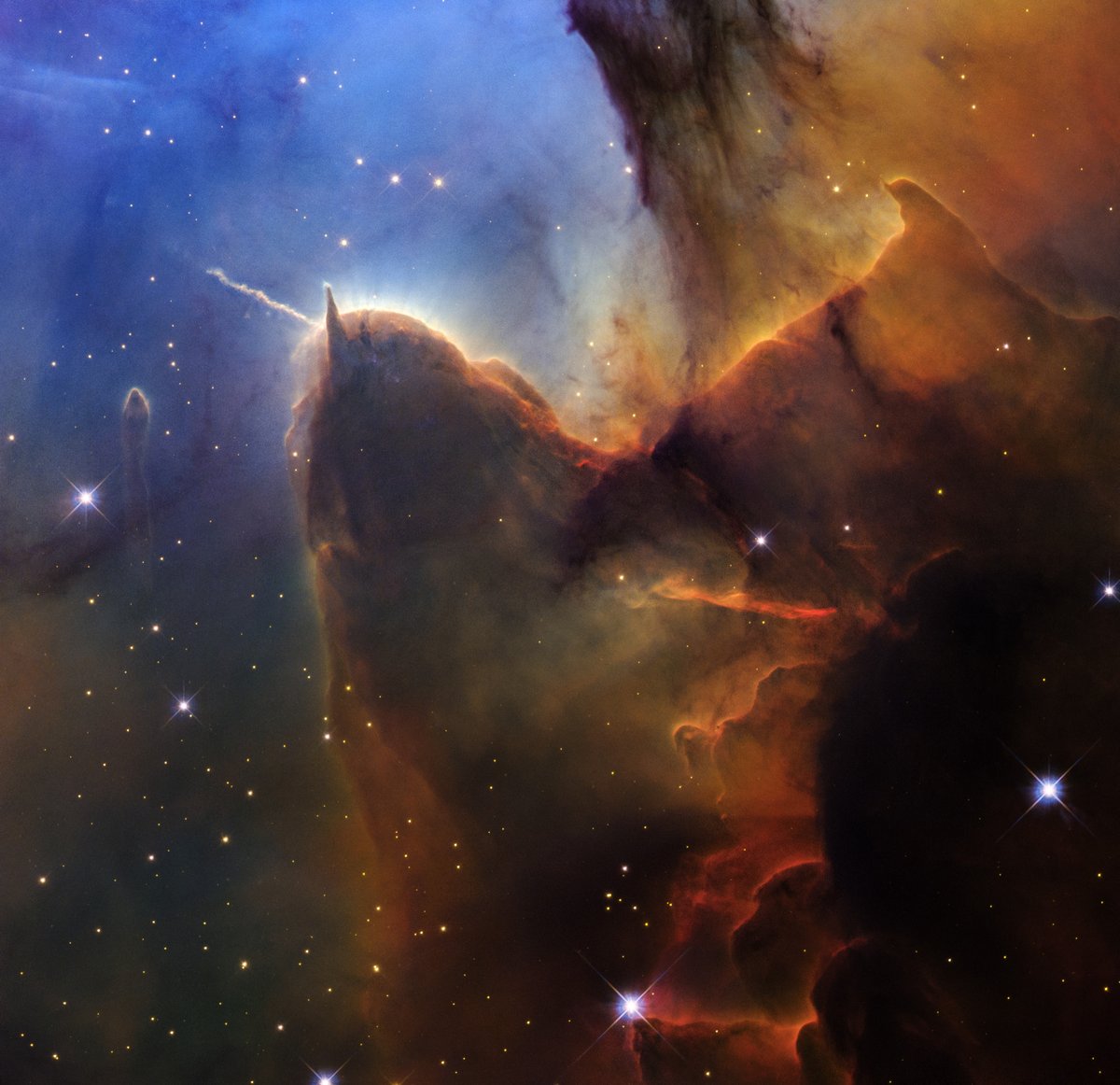
5,000 light-years from Earth, stars are forming in the Trifid Nebula. Our orbiting @NASAHubble telescope is taking a close look: https://t.co/gkoaV8e64M
¿Sabías que Christina Koch es una genio superdotada? Si lo es, aquí voy a describir sus títulos más sobresalientes:
🚀Formación académica:
Ingeniera eléctrica y física
Licenciada en Ingeniería Eléctrica y Física por la North Carolina State University
Máster en Ingeniería Eléctrica
🚀Carrera profesional:
Ingeniera en el Goddard Space Flight Center
Investigadora en estaciones científicas en la Antártida (condiciones extremas)
Astronauta de la NASA (seleccionada en 2013)
🚀Logros como astronauta:
Miembro de la misión Expedition 59 / Expedition 60 / Expedition 61
Récord de mayor tiempo continuo en el espacio por una mujer (328 días)
Participó en la primera caminata espacial 100% femenina junto a Jessica Meir
🚀Programas actuales:
Astronauta asignada al programa Artemis
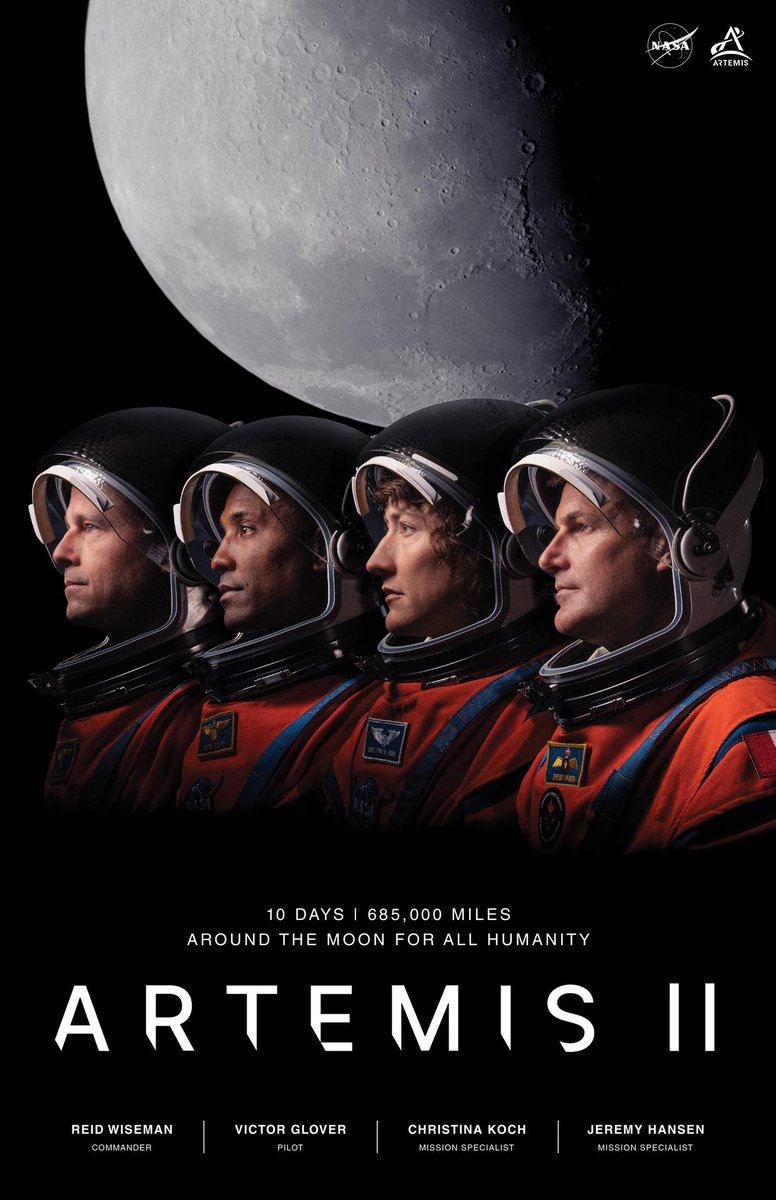
Tripulante de la misión Artemis II (sobrevuelo a la Luna)….
Una vida de ciencia y para la ciencia…. Absolutamente fascinante 🤩
Moon joy [noun]
the feeling of intense happiness and excitement that only comes from a mission to the Moon
The Artemis II crew bring us endless Moon joy.
Welcome home Reid, Victor, Christina, and Jeremy! 🫶
The Artemis II astronauts have splashed down at 8:07pm ET (0007 UTC April 11), bringing their historic 10-day mission around the Moon to an end.
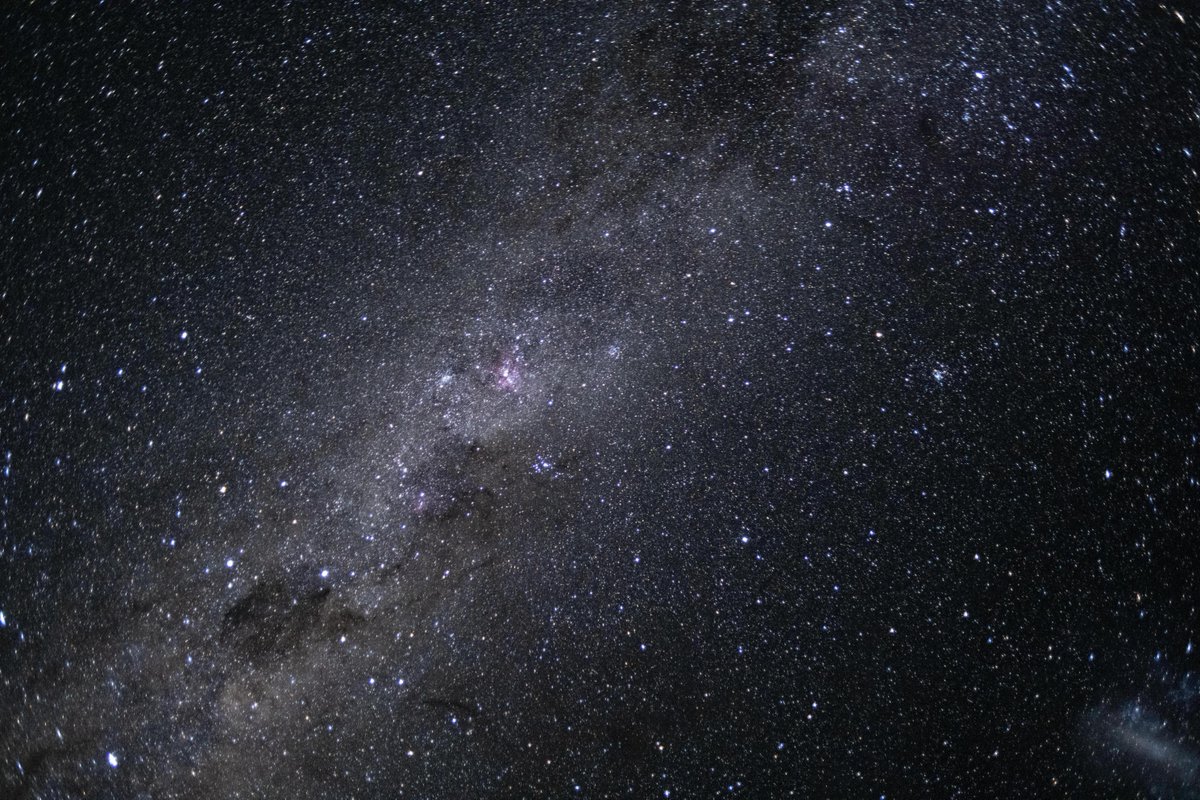
Sky full of stars.
Following a successful lunar flyby, the Artemis II astronauts captured this breathtaking photo of our galaxy, the Milky Way, on April 7, 2026.
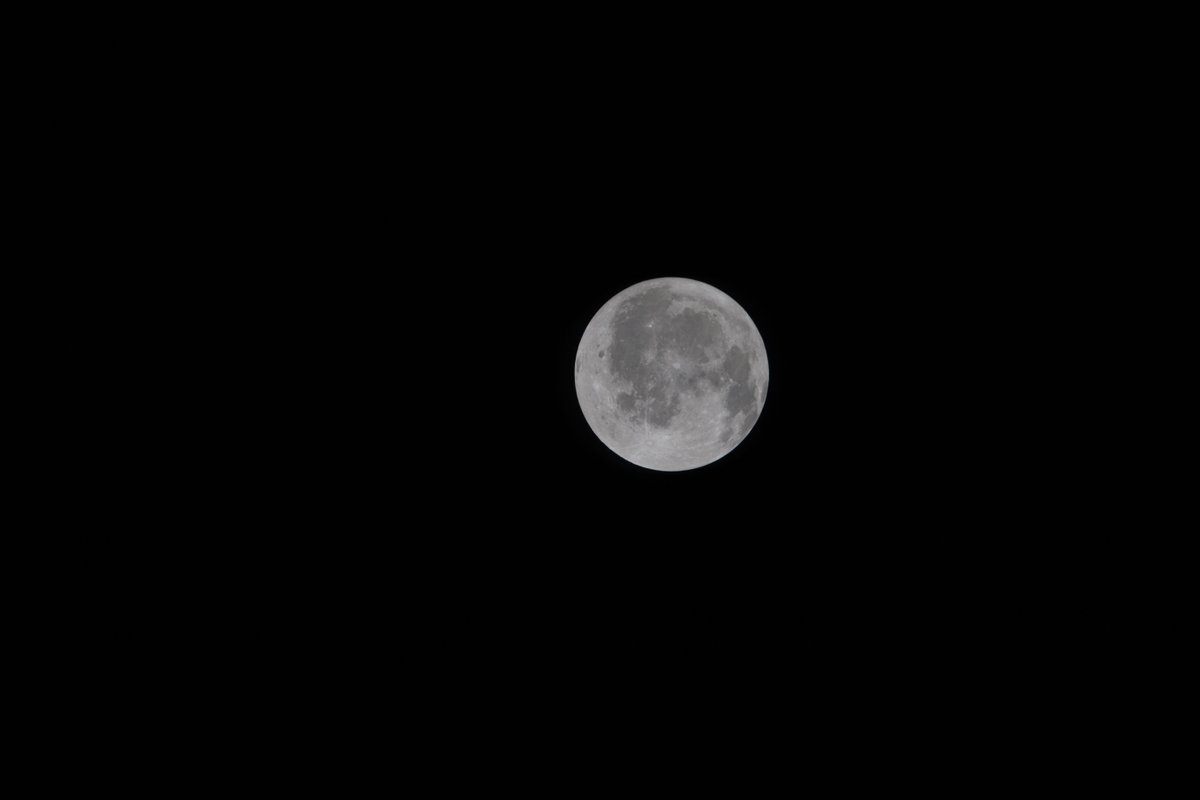
Hello, Moon. It’s great to be back.
Here’s a taste of what the Artemis II astronauts photographed during their flight around the Moon. Check out more photos from the mission: https://t.co/rzM1P0QbOl
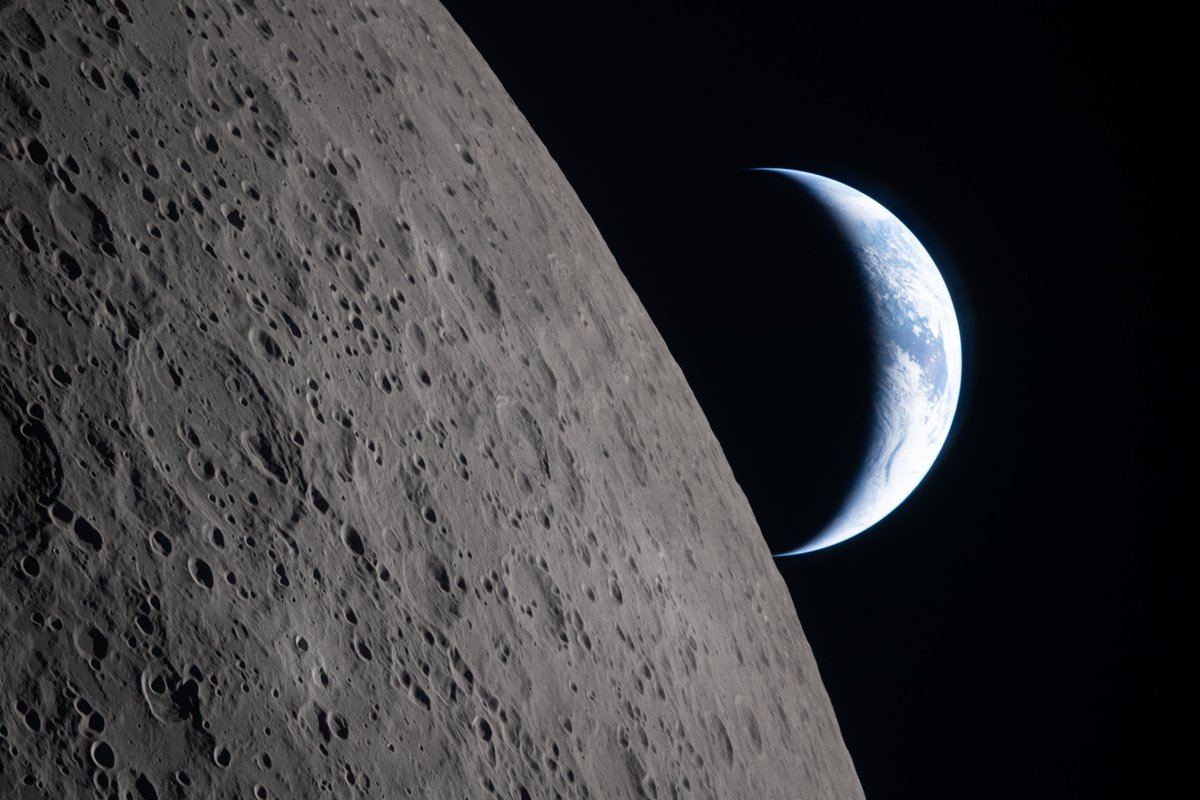
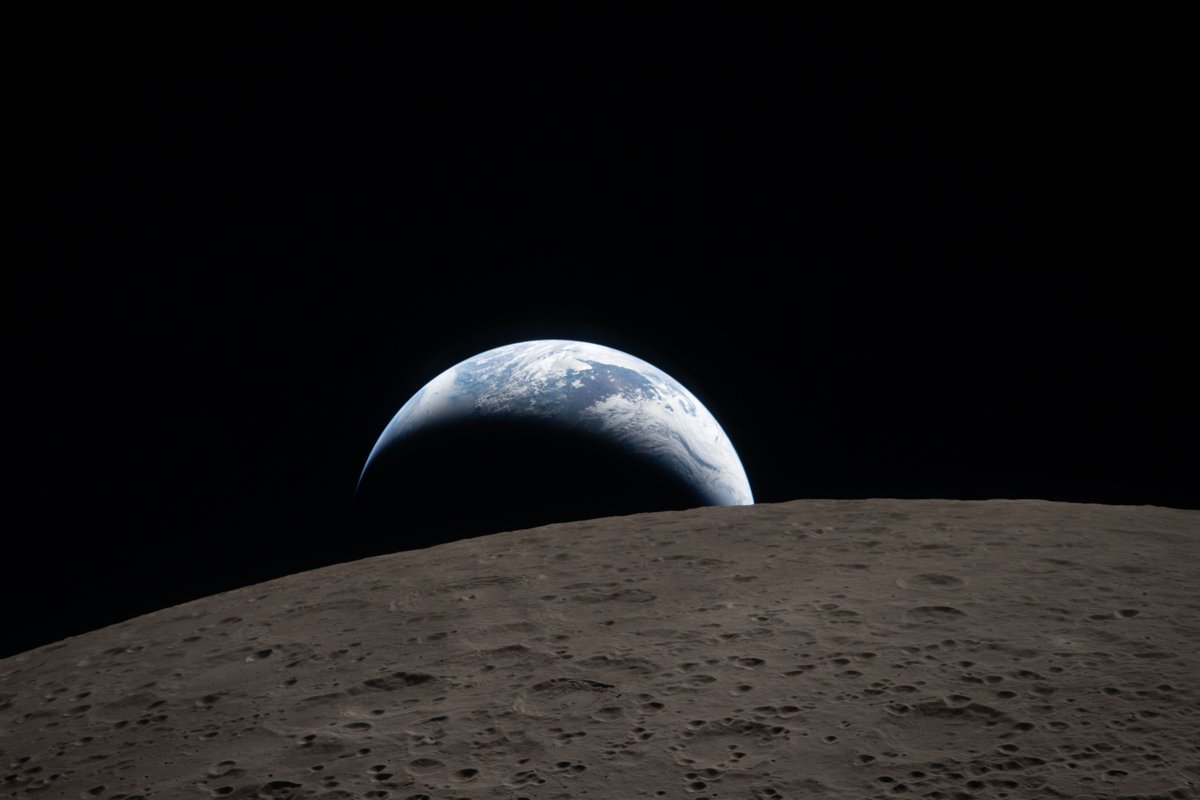
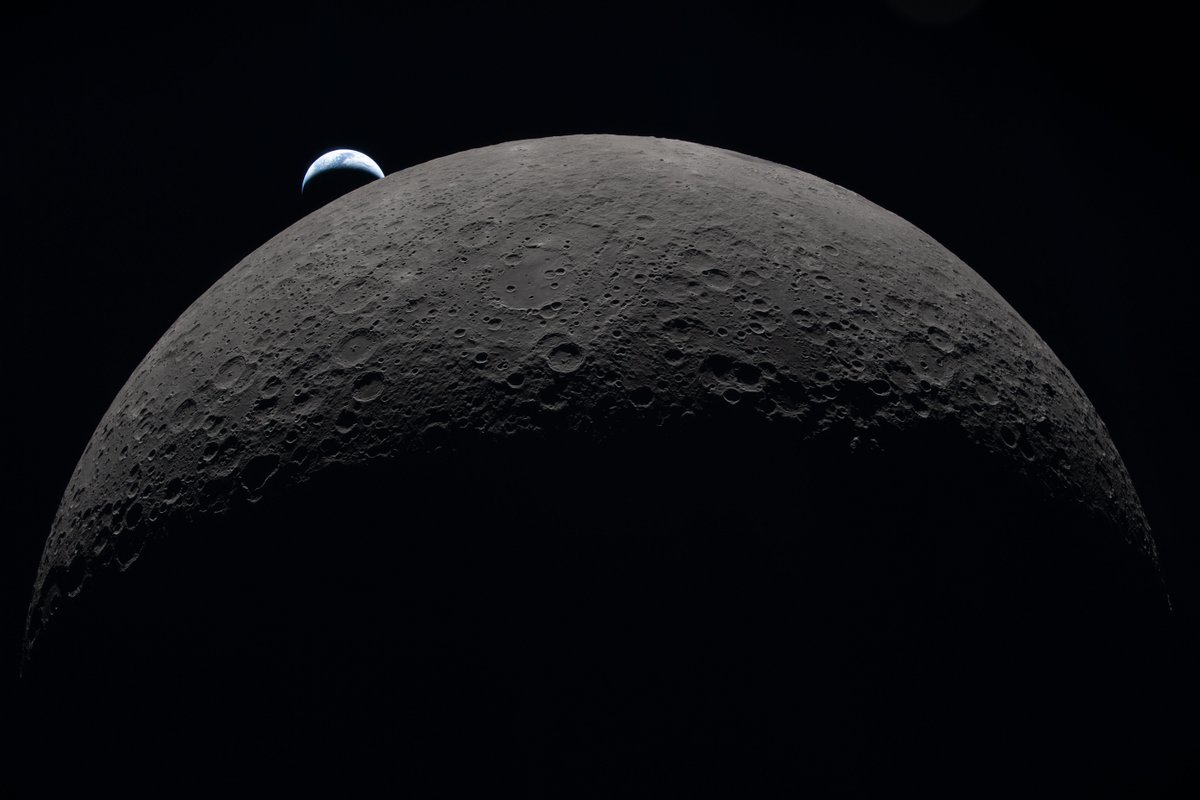
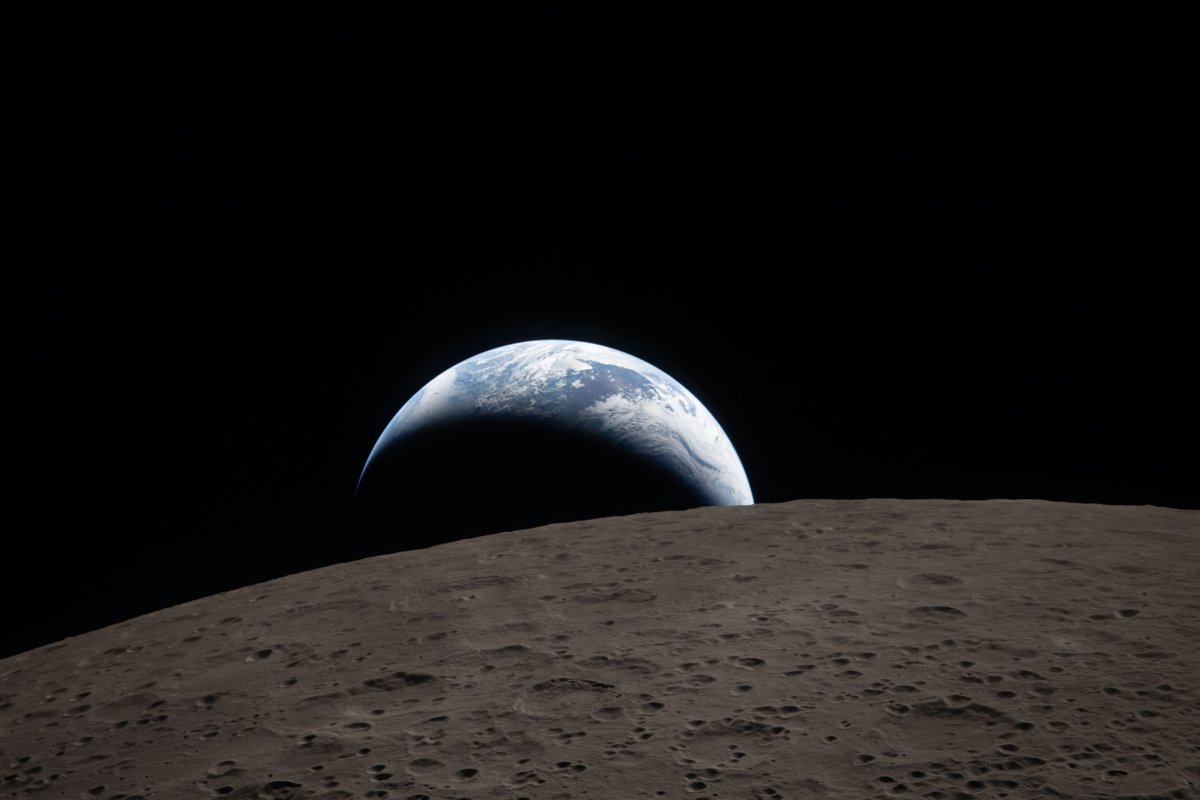
Earthset.
The Artemis II crew captured this view of an Earthset on April 6, 2026, as they flew around the Moon. The image is reminiscent of the iconic Earthrise image taken by astronaut Bill Anders 58 years earlier as the Apollo 8 crew flew around the Moon.
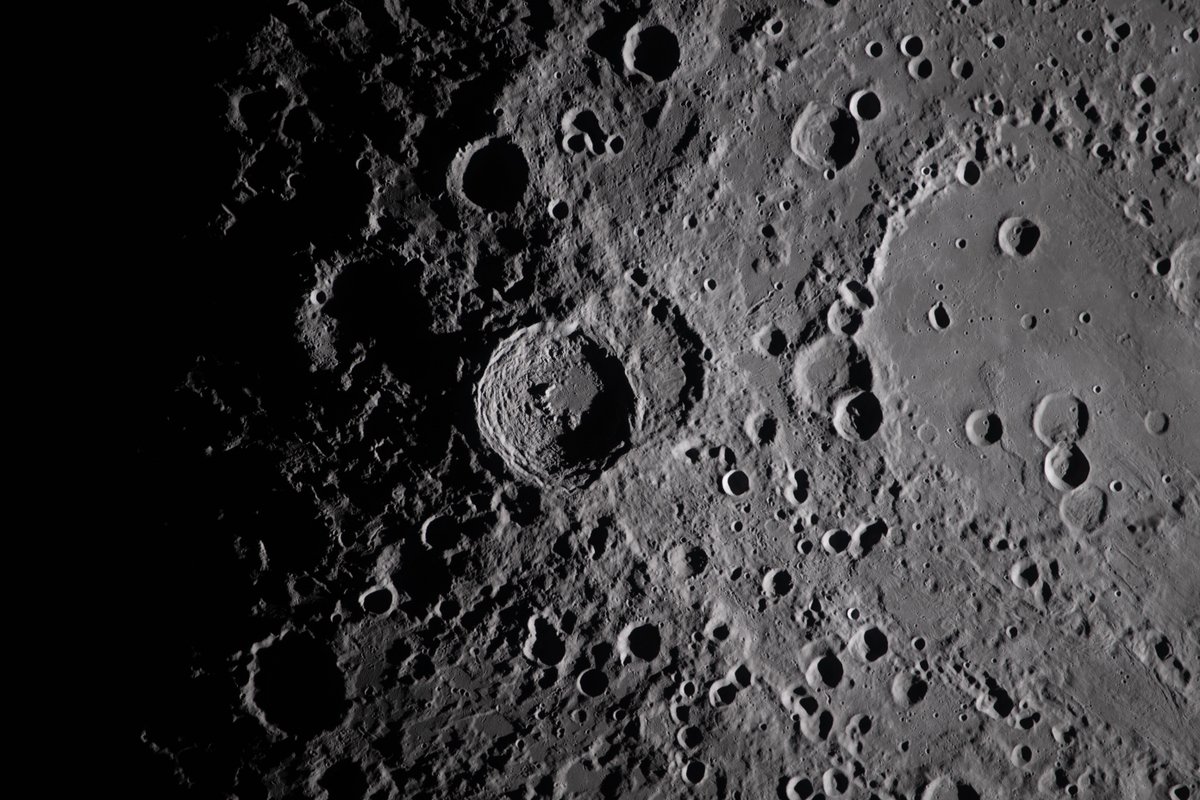
The Artemis II crew captured this image showing the rings of the Orientale basin during their lunar flyby on April 6.
At the 10 o’clock position of the Orientale basin, the two smaller craters – which the Artemis II crew has suggested be named Integrity & Carroll – are visible.
LIVE: Watch with us as the Artemis II astronauts make their closest approach to the Moon, traveling farther from Earth than ever before. https://t.co/Zpy7GdTqA8
Make new friends, but keep the old.
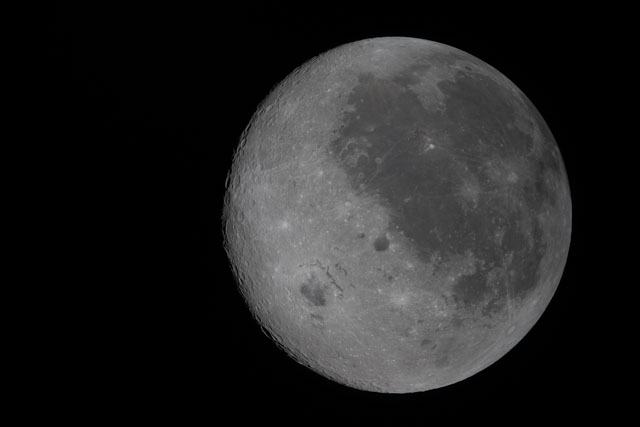
A new photo captures the Moon's near side on the right (the side we see from Earth, identifiable by its dark splotches) and its far side on the left. The Artemis II crew are the first to see the far side with human eyes.
History in the making
In this new image from our @NASAArtemis II crew, you can see Orientale basin on the right edge of the lunar disk. This mission marks the first time the entire basin has been seen with human eyes.
Lock in, we’re Moonbound.
Artemis II astronauts are more than halfway to their destination, and preparations for lunar flyby are underway. During their trip around the far side of the Moon, they will capture imagery to share with scientists (and you, too!).
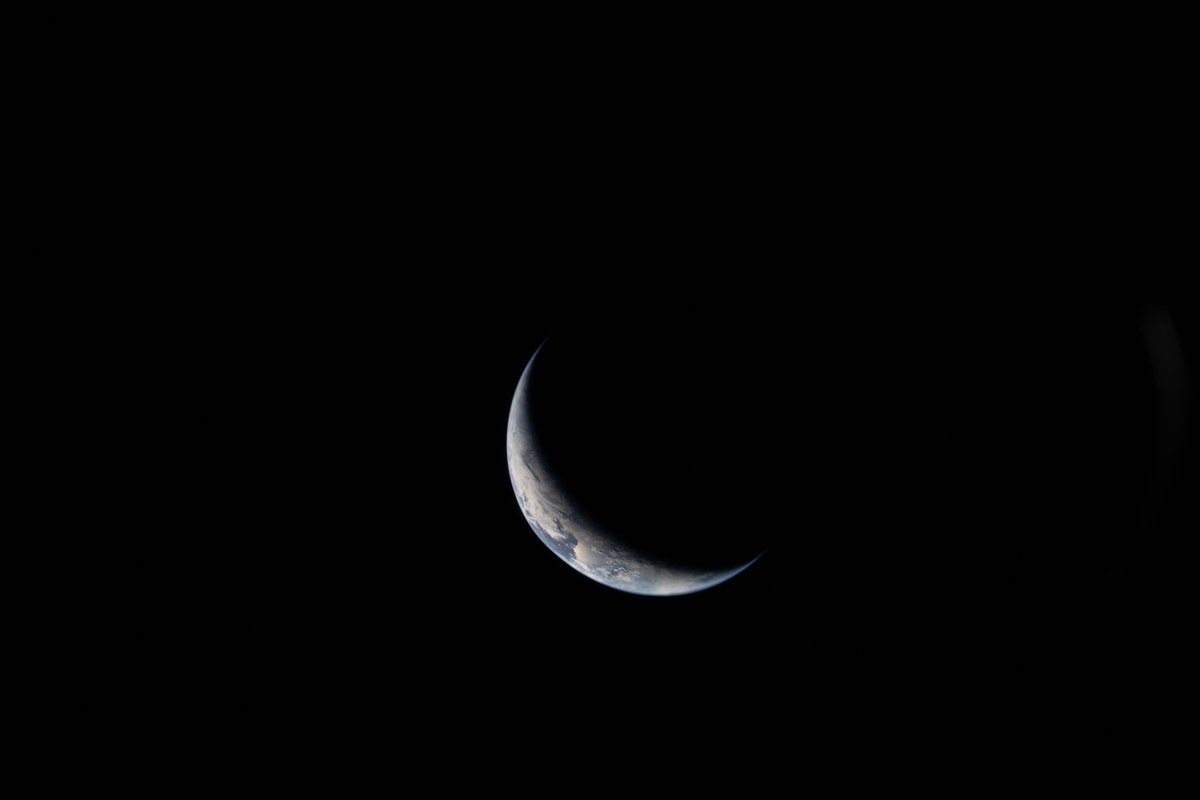
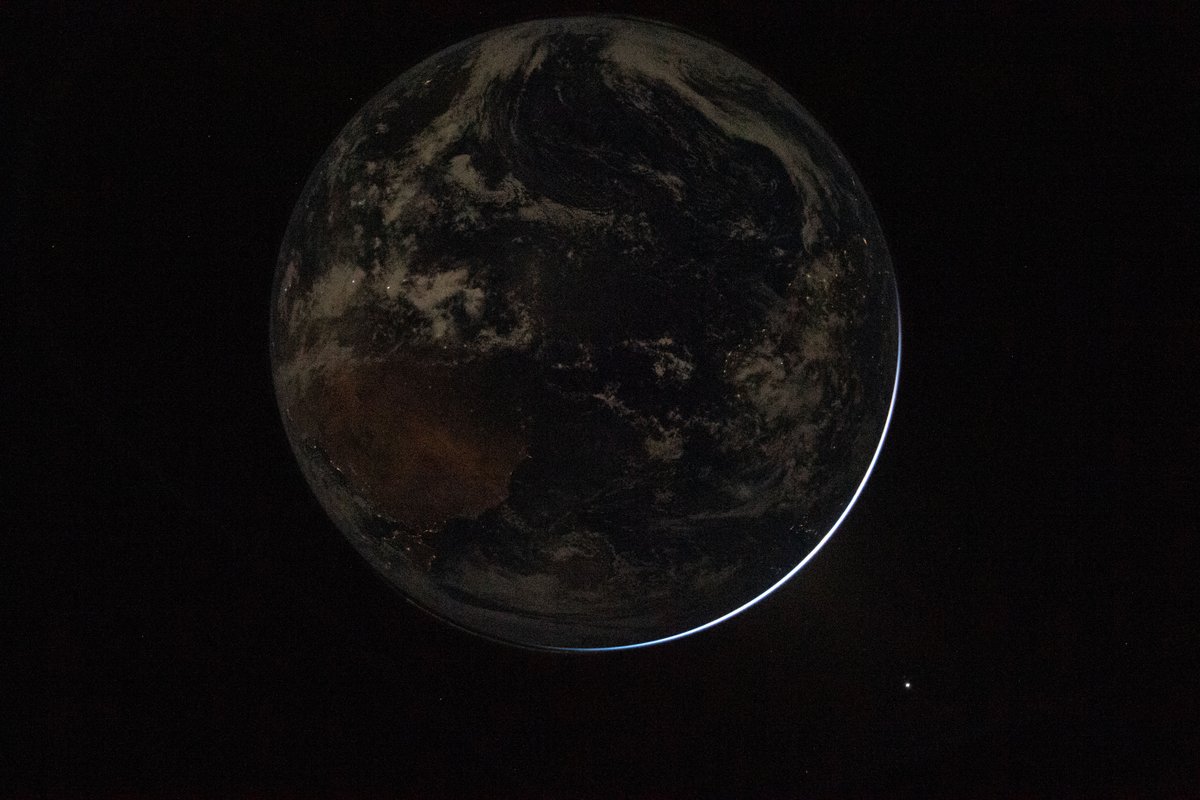
Even in darkness, we glow.
In this image of Earth taken by the Artemis II crew, we can see the electric lights of human activity. In the lower right, sunlight illuminates the limb of the planet.
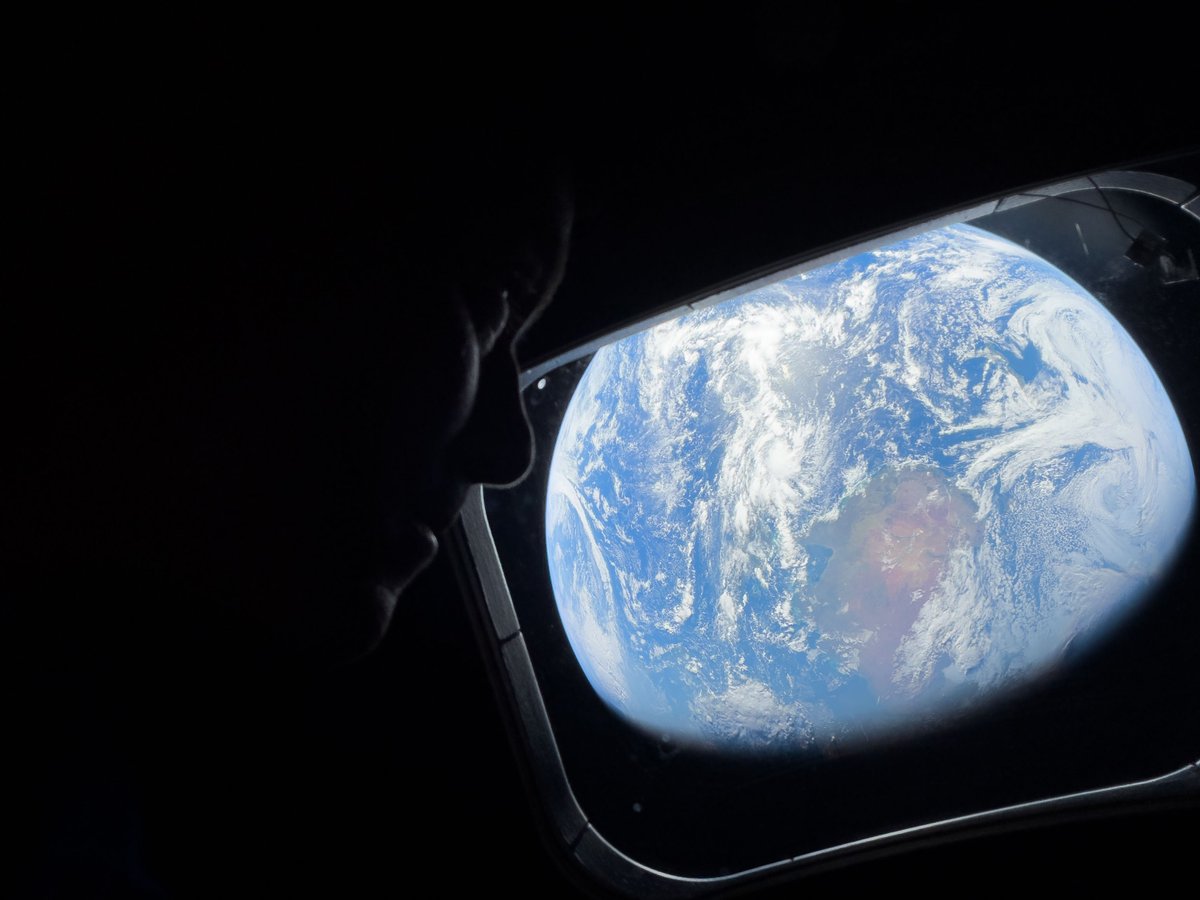
We see our home planet as a whole, lit up in spectacular blues and browns. A green aurora even lights up the atmosphere. That's us, together, watching as our astronauts make their journey to the Moon.