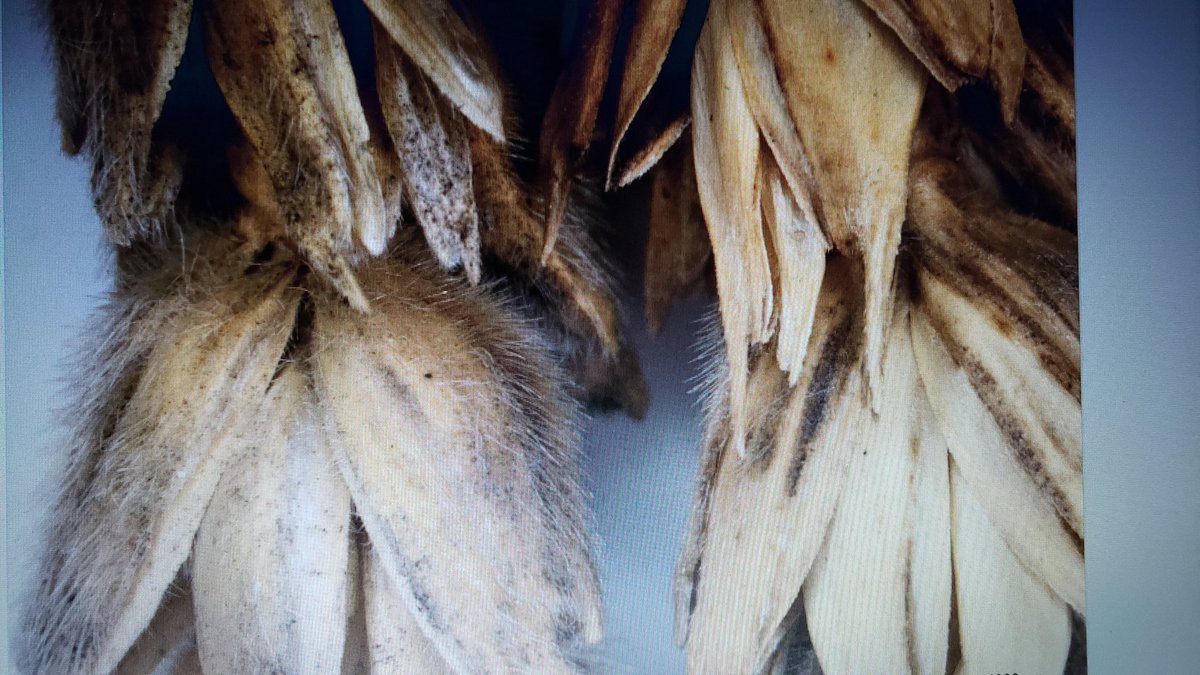
Sask Wheat is producing a new series of information documents for common agronomy issues, called Wheat Watch. The initial Wheat Watch focuses on wheat midge in 2021 and includes scouting and control tips for managing the pest.
Download it here: https://t.co/OupeOtKEkY
“When we kill a pest’s natural enemies, we inherit their work.” Researchers examine the appetites and economic value of beneficial insects on western Canadian farms: https://t.co/4P4sMpCJMP @haleycatton@westerngrains@AAFC_Canada
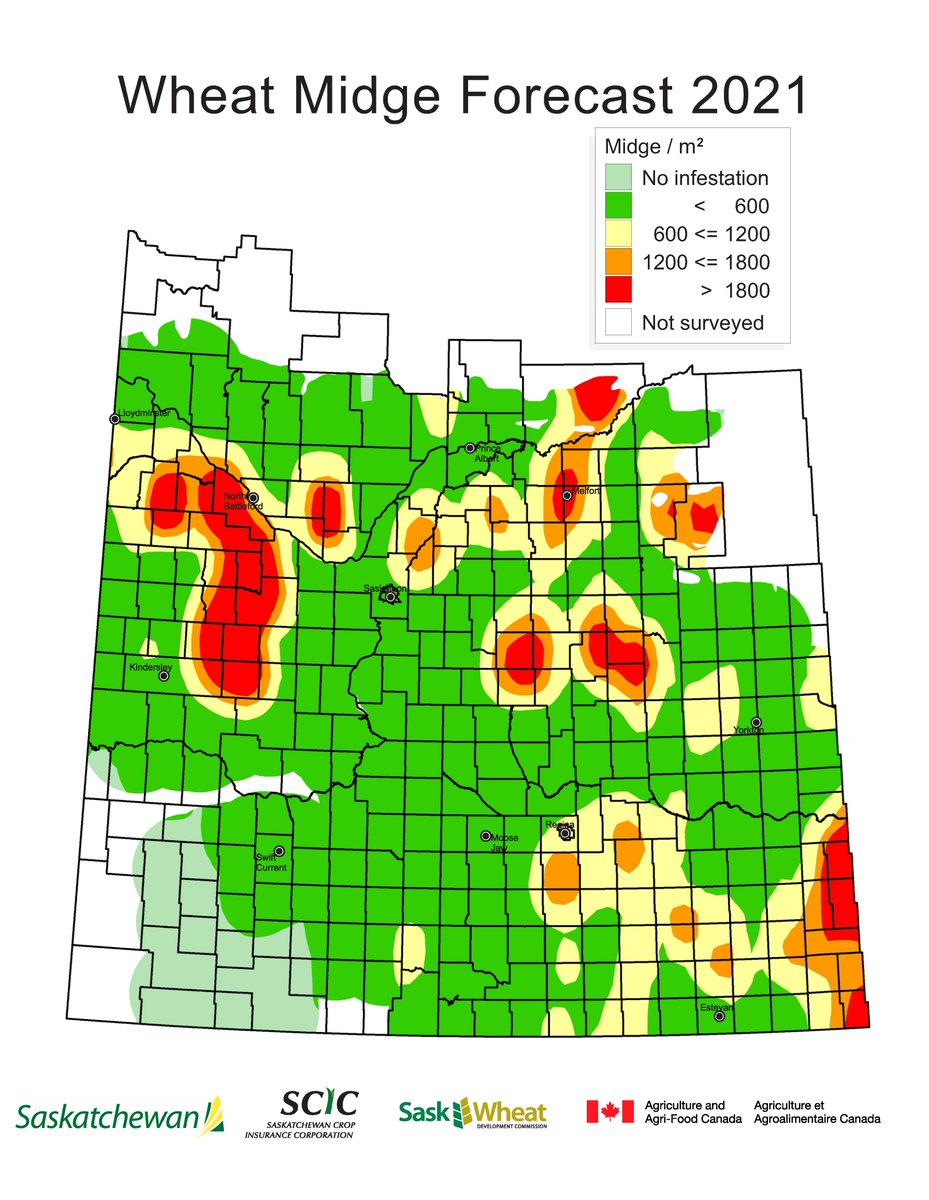
Spring wheat & durum are susceptible to damage from wheat midge. Tolerance is available in varieties with VB in their name, but damage can still occur. Our 2021 wheat midge forecast map is now available. #SaskAg https://t.co/cIqxjJVogo
We are looking to recruit an MSc student to study the effects of wetlands and crop type on terrestrial arthropods. If you are interested or know someone who may be, please have them contact Dr. Prager.
As much as it may look like a walking piece of popcorn, this is actually a small flatid planthopper nymph, filmed in Ecuador by the late physicist, biologist, and photographer Andreas Kay [more: https://t.co/bKx0TWKRH4] [video: https://t.co/fucxkRGPv8] [https://t.co/oHAfKjaugX]
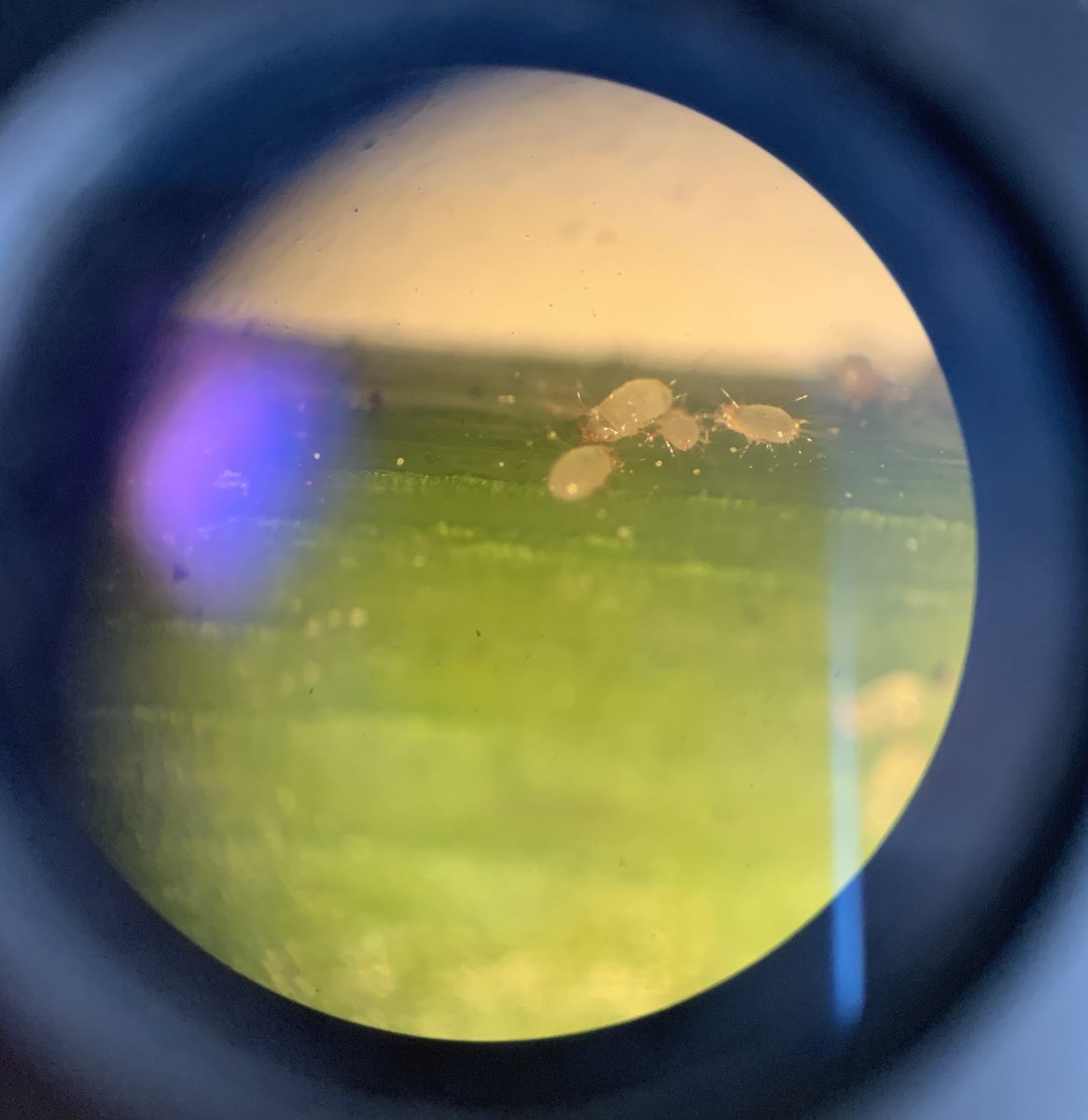
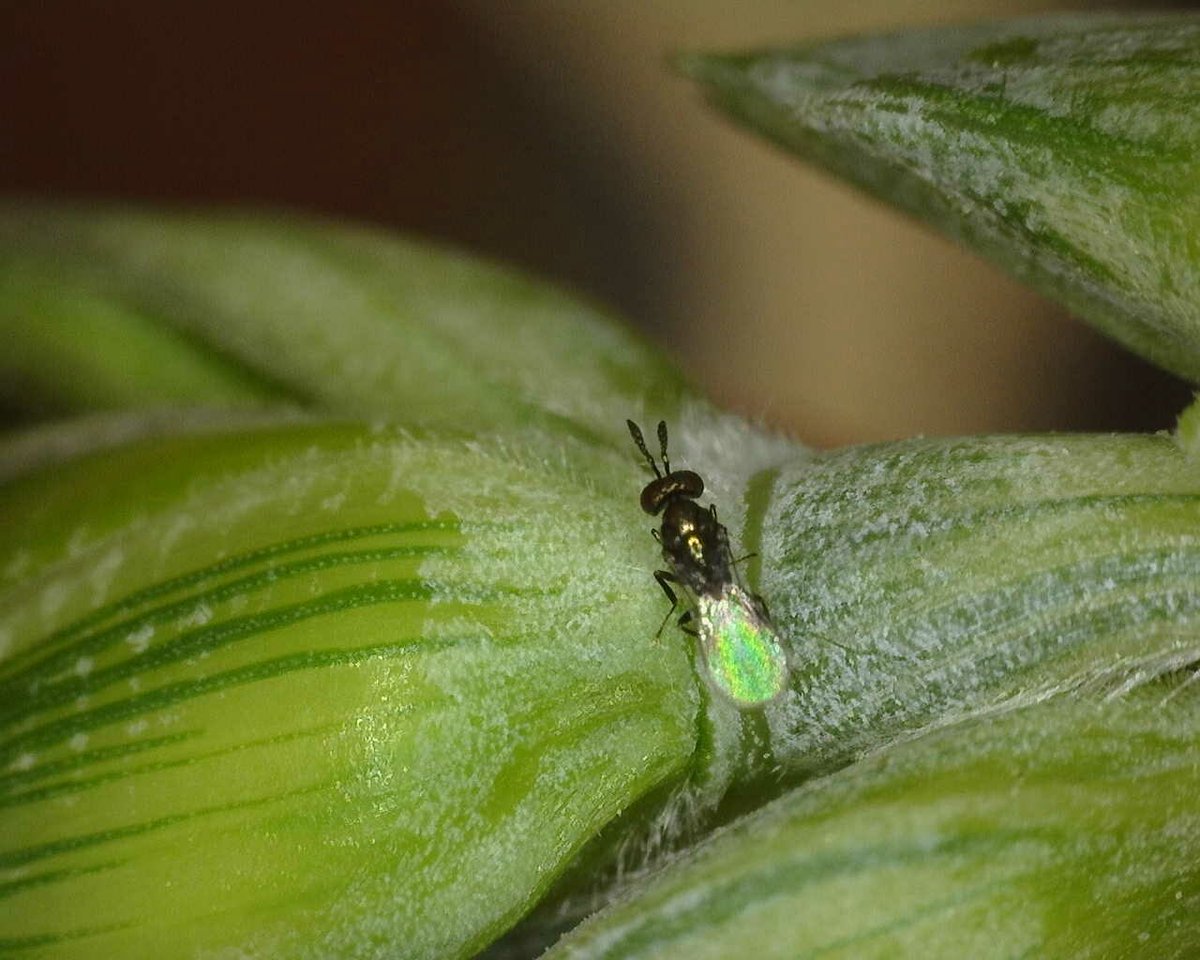
Got to spend the day yesterday with @TylerWist1 looking for orange blossom wheat midge eggs. Found lots of these field heros, known as Macroglenes penetrans as well. Macroglenes are important natural enemies of the wheat midge.
From the @MayaEvenden lab at @UAlberta, pheromone-baited traps with large surface areas and traps baited with a Scotts flex lure optimal for adult ♂️ wheat midge. # of ♀️ midges on yellow sticky cards predicted # of larvae in wheat heads, # of ♂️ did not https://t.co/KSVjrXJiaD
@UpstreamAg Salam, please find the unroll here: @ShaneAgronomy: 20 Tips for 2020 Ag Graduates🔥 With new grads coming into the #ag industry this month I thought it… https://t.co/FZXbEwfroA Share this if you think it's interesting. 🤖