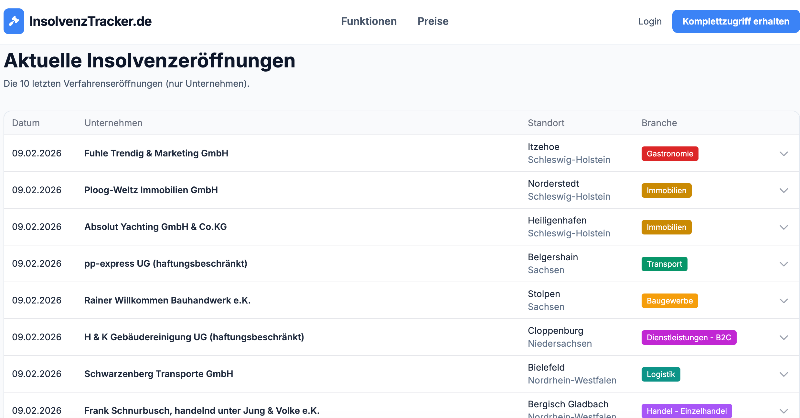
Jeden Tag melden ~65 Firmen in Deutschland Insolvenz an.
Deren Kunden brauchen ab sofort einen neuen Anbieter.
InsolvenzTracker zeigt dir ALLE Insolvenzen mit Daten des Insolvenzverwalters...
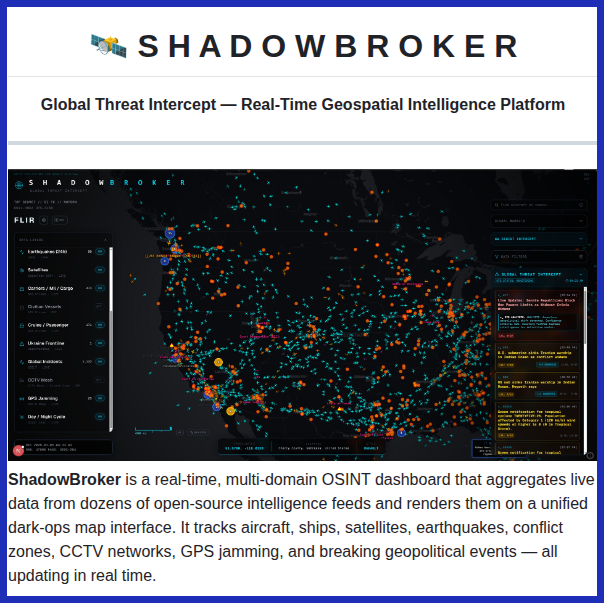
ShadowBroker is a real-time, multi-domain OSINT dashboard that aggregates live data from dozens of open-source intelligence feeds and renders them on a unified dark-ops map interface.
It tracks aircraft, ships, satellites, earthquakes, conflict zones, CCTV networks, GPS jamming, and breaking geopolitical events — all updating in real time.
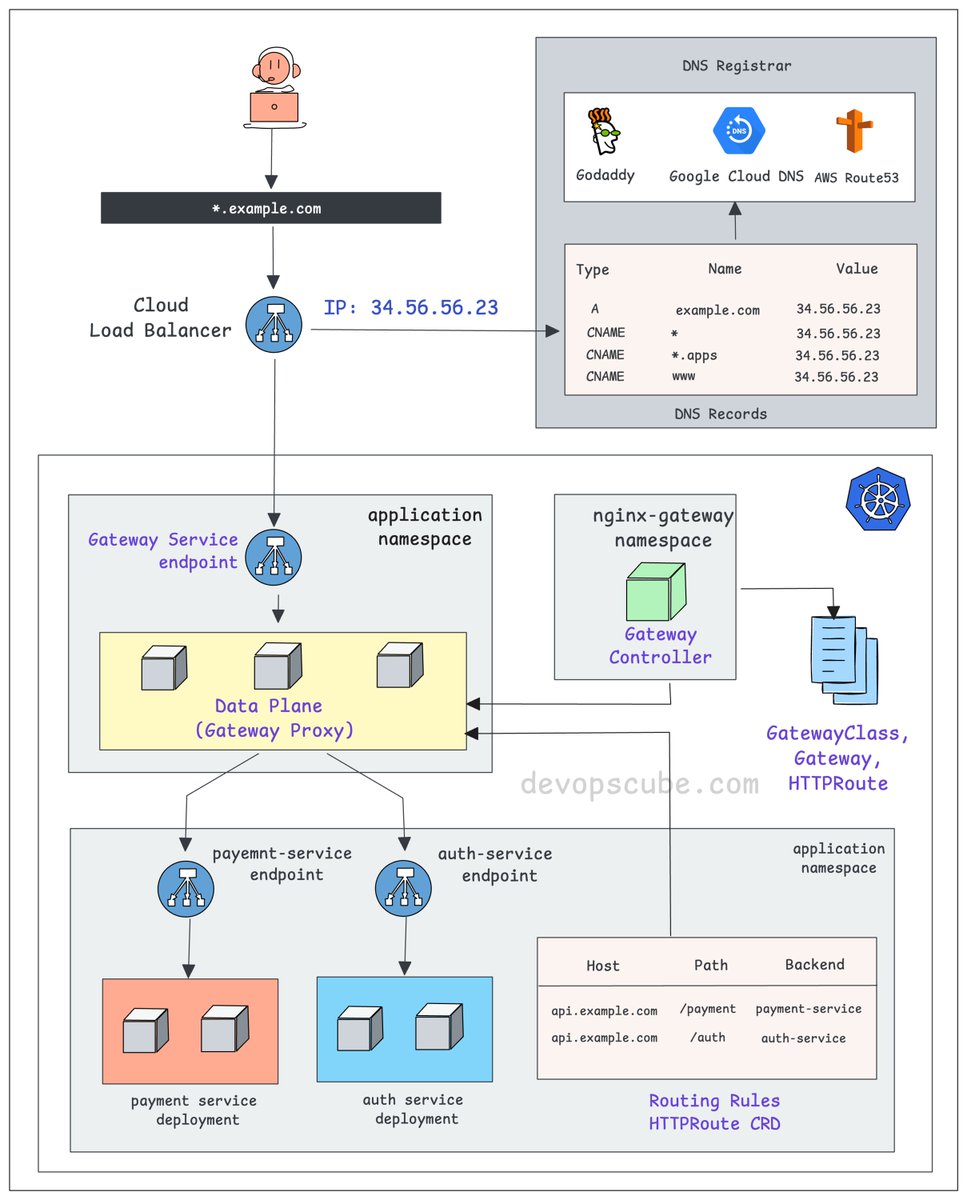
From DNS to Pod: How k8s Gateway API actually works.
- You create a DNS record pointing to your cloud Load Balancer IP.
- The Load Balancer forwards traffic to a Kubernetes Service, specifically the Gateway Service endpoint.
- This Service points to the gateway proxy pods. These could be nginx, Envoy, or any compatible proxy.
- The Gateway Controller (Ex: Nginx Fabric) watches for HTTPRoute, GRPCRoute, and similar resources.
- When you apply these routes, the controller automatically configures the gateway proxy with the right configuration.
- The HTTPRoute resource is what decides where your traffic actually goes. For example, /payment to payment-service, /auth to auth-service
So the full traffic flow looks like this 👇
DNS to Cloud LB to Gateway Service to Gateway Proxy to your backend Service and finally to your Pod.
If you understand the Ingress flow well, relating it to the Gateway API is very easy.
A key difference is that in the classic Ingress model, the controller itself acts as the proxy.
In the Gateway API, the controller configures and manages dedicated proxy instances (Gateways), creating a clear separation of concerns.
We share such DevOps/MLOps concepts and deep dives in my newsletter.
𝗥𝗲𝗮𝗱 𝗶𝘁 𝗵𝗲𝗿𝗲 (𝟭𝟬𝟬% 𝗳𝗿𝗲𝗲): https://t.co/CE4L4ioJQS
Over to you…
Are you using Gateway API in production?
If yes, would love to hear your experience with it.
♻️ If this helped, repost it so others can learn too.
#kubernetes
#MDE custom collection is finally in public preview! It's a centrally managed solution to improve visibility and detection opportunities.
We're releasing a management tool and rule repository in YAML format to share new rules with the community.
https://t.co/kxit8fFjhU
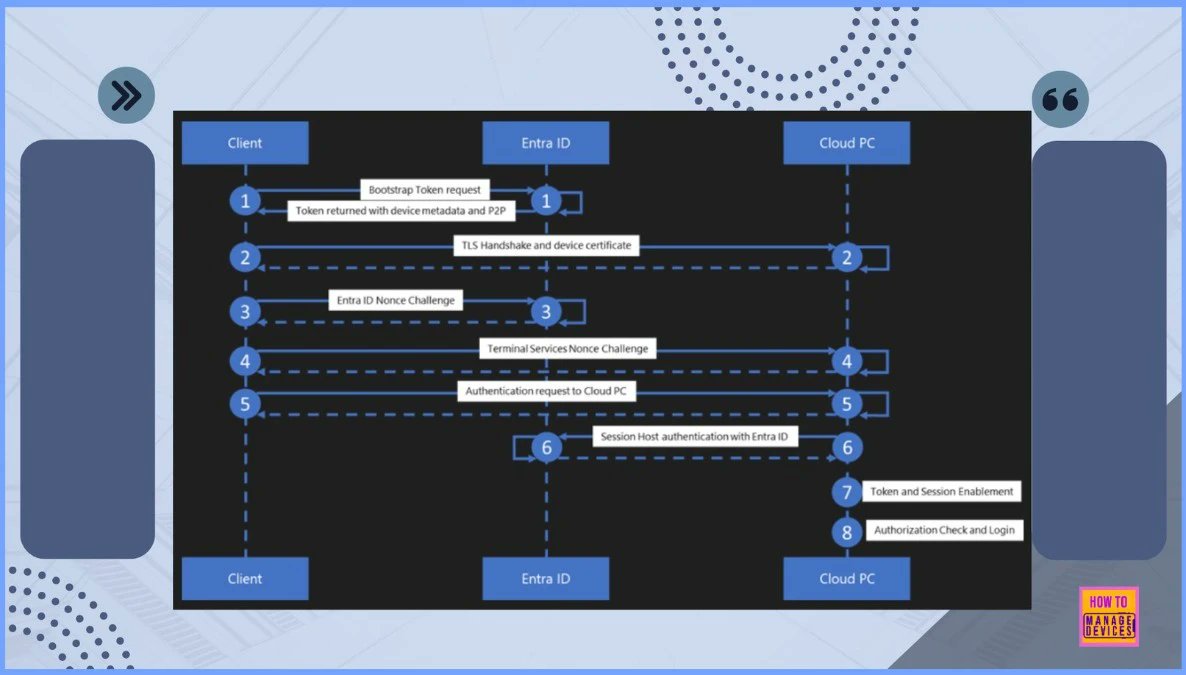
👉How RDS AAD Auth Transforms SSO for Windows 365 CloudPC and Azure Virtual Desktop - https://t.co/QngaEa9lK5
🔊What RDS AAD Auth Brings to Windows 365 and AVD
🔊A Modern, Token-Based SSO Experience with Entra ID
#Windows365#CloudPC#Intune#MSIntune#HTMDCommunity
SCCM’s AdminService uses Entra tokens without confirming the UPN exists in AD. A crafted synced UPN can let an attacker impersonate the site server. Microsoft now requires on-prem SID matching (CVE-2025-59501).
Great deep dive by @unsigned_sh0rt!
https://t.co/FGAHfaXHsY
Just added @LindenSec blog to my quick page of Defender Stack and KQL Resources:
https://t.co/nIs0ZVl7Wn
Make sure to go check out his blog! Newest entry is about our current favorite: ManualFinder/PDF Editor! 🔥
https://t.co/sjlqHK3pdq
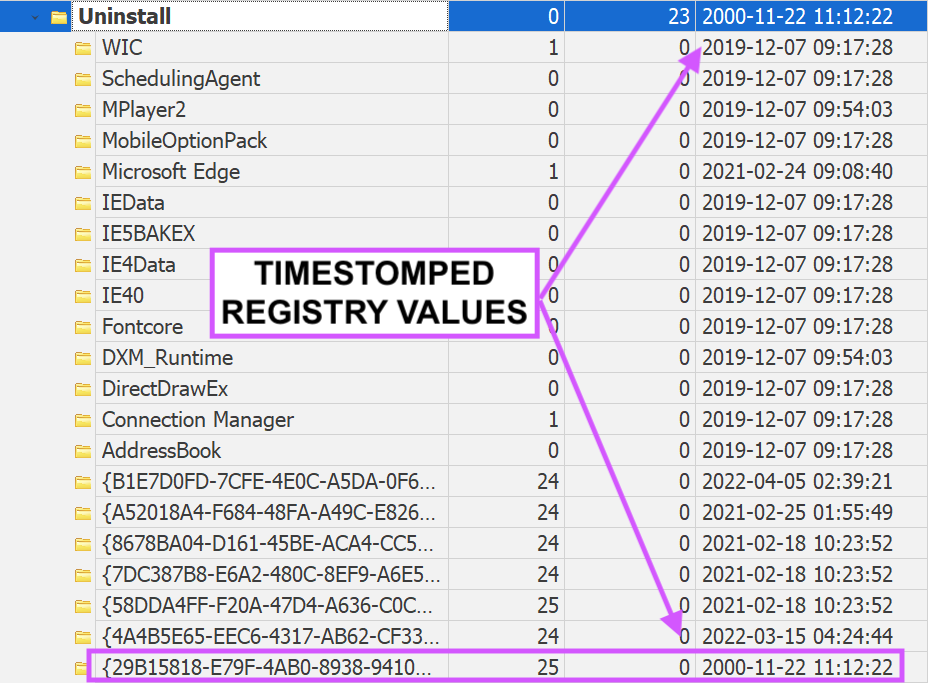
Blog Series: Anti-Forensics techniques on Windows, Linux & Azure💕
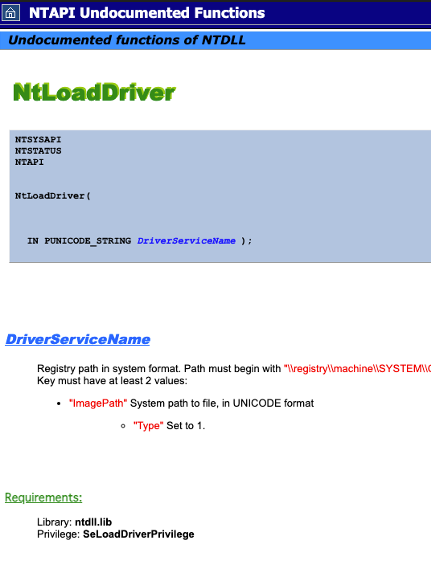
Bypassing Windows event logging via native APIs https://t.co/DICLc2nCPN
Detecting forged logs in Entra ID https://t.co/j8nI9ZN3fT
Timestomping all registry key write times https://t.co/Tbza53iQwL
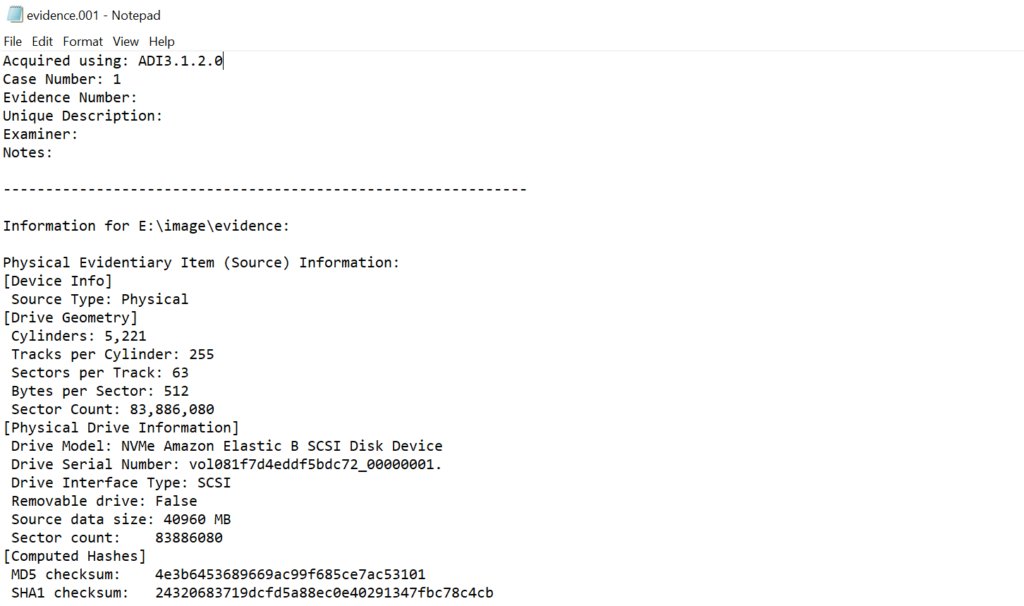
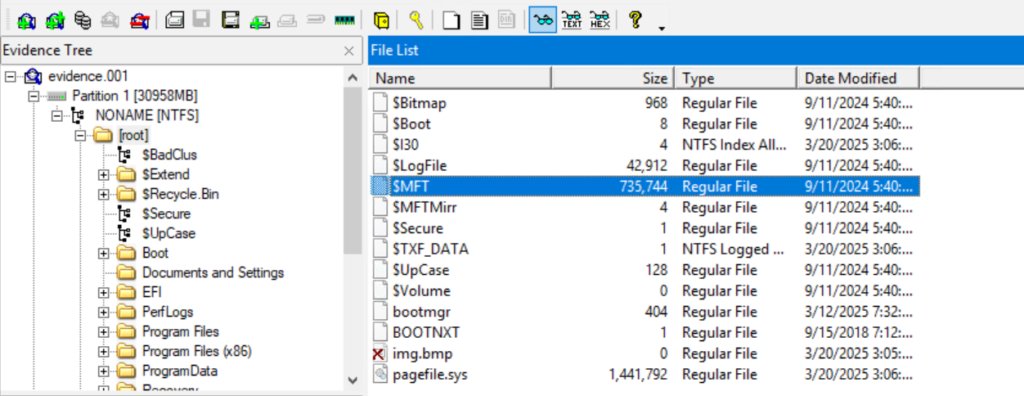
Timestomping $Filename attribute in MFT https://t.co/CImNlR8BE5
Detecting Log Tampering in Linux https://t.co/gtqNc0CMkr
Detecting Timestomping on Linux https://t.co/8Yug975ry3
I have a lot of new unpublished research incoming... so watch this space 👀