Crypto neobanks are not winning where people expected them to win.
The premium DeFi cards, the Silicon Valley banking apps, the sleek self-custody products. None of them are leading the market. RedotPay, a dollar access product for emerging markets built on USDT and Tron, controls 37% of all daily crypto card volume.
The real adoption story in crypto banking is not about better UX for people who already have good banks. It's about dollar access for people who don't.
That was always going to be the case. Stablecoins didn't become a $320 billion market cos people in New York wanted faster payments. They grew cos people in Nigeria, Argentina, and Turkey needed a stable currency they could actually hold.
The neobank story is following the same pattern. The winners are not the most innovative products. They're the ones solving the most urgent problems for the most underserved people.
That's where crypto actually changes something real.
The biggest barrier in prop trading has never been skill, it’s the cost of getting started. Most traders who could pass a challenge never take one because they can’t justify the risk.
That’s why free access to a $50K funded account matters more than people think. @CFTradercom is giving away 50 of them tonight, ends 11 PM UTC.
Enter on Gleam and use cft-jefferycrypt for extra entries. Same code gets you 50% off if you’d rather just buy in.
https://t.co/am274YLG52
USD1 yield rates just got better if you haven’t checked in a while.
Binance bumped their flexible product to 10.5% APR with a 2,000 USD1 limit. Gate just launched a campaign doing up to 20% APR with no lock‑up. The Gate one pays rewards in USD1 and auto‑compounds daily so you don’t have to do anything.
If you looked at USD1 yield before and passed, might be worth another look now.
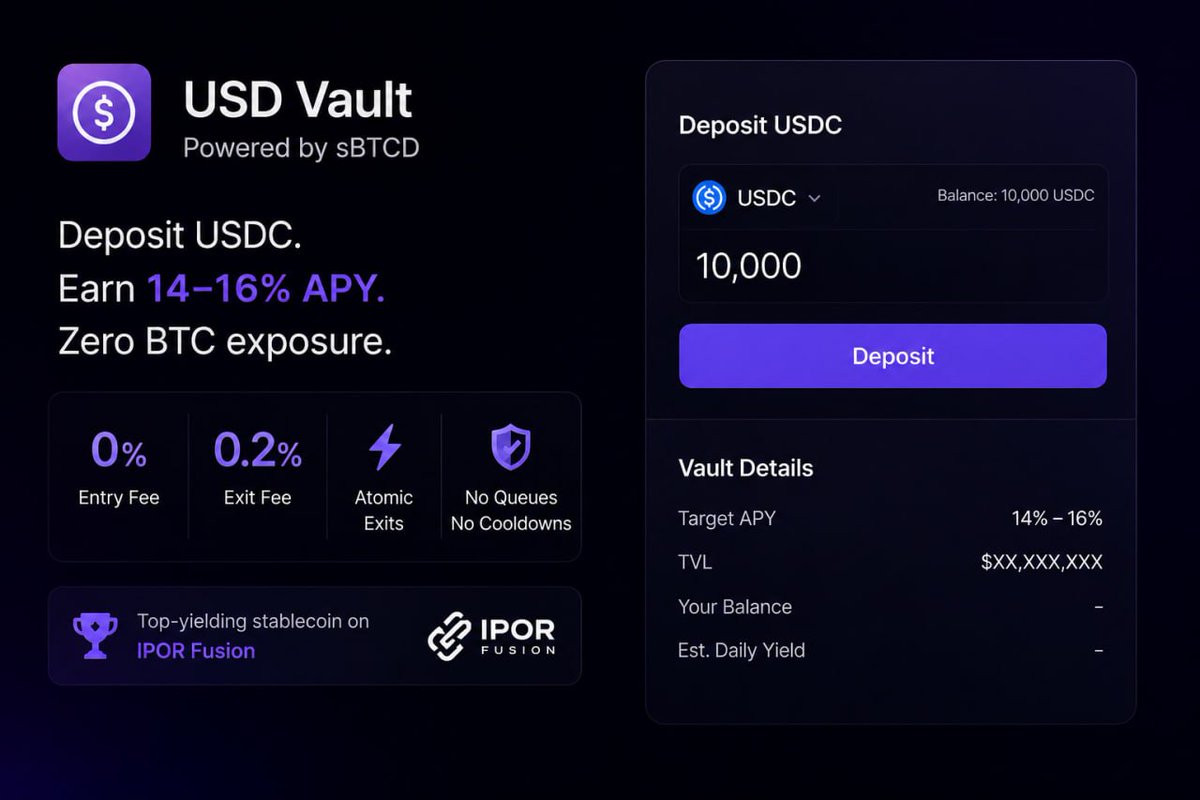
BTCD is a protocol where you earn yield on BTC and USD positions without taking on directional risk or depending on perp markets to stay favorable.
Here's the full breakdown.👇
Giving away 5 whitelist spots for https://t.co/F7ZSVjzbnk.
Each spot = 0.05 ETH worth of tokens, fully funded by the project. You just connect your wallet and claim. Nothing comes out of your pocket.
https://t.co/F7ZSVjzbnk is a memecoin battle royale on Uniswap V4. Tokens fight, one graduates, losers fund the winner's liquidity.
To enter:
Follow me + @battledotmeme
RT this post
Drop your wallet below
Picking 5 winners in 24 hours.
"The Big Short" investor Michael Burry warns the Nasdaq 100 is mirroring the dot-com bubble peak.
"We are witnessing history. In the stock market, that is not a good thing."
Don't be the one watching from the sidelines!
The $25,000 Waitlist Giveaway is still live! But the clock is ticking.
Join the waitlist now 👉 https://t.co/VsykOqk5Qr
Bernstein set a $100 price target on IREN after the company signed a $3.4 billion AI cloud deal with NVIDIA and granted NVIDIA the option to invest $2.1 billion in equity.
Just days after launching its self-serve ads platform in the U.S., OpenAI is reportedly expanding the ads pilot internationally to markets including the UK, Japan, South Korea, Brazil, and Mexico.
The move signals how quickly AI platforms are evolving beyond consumer tools into large-scale commercial and advertising ecosystems.
https://t.co/3xFfwQYrwd
The waitlist is closing soon and so is your shot at the $25,000 giveaway!
Get in before we launch👉 https://t.co/mjp0nJ5xGV
Winners. Rewards. Early access. Don’t miss it.
Something wild happened over the last 6 months and almost nobody in crypto is framing it properly.
Between October 2025 and April 2026, OpenAI, Google, Stripe, Coinbase, Visa, Mastercard, OKX, and Alipay all shipped live protocols for how AI agents should handle money, production products all within roughly the same quarter.
The reason this is happening now is structural.
AI agents can't open bank accounts. They can't pass KYC. They don't have government IDs. They can research, compare, negotiate, and execute complex tasks across the internet, but they couldn't do the one thing that makes all of that useful, spend money.
The entire checkout infrastructure we've built over three decades assumes a human is on the other end. Remove the human and the whole system breaks.
So the payment layer the internet was supposed to have since the 90s is finally being built. And it's being built as a three layer stack:
➥ The Agentic Commerce Stack
[1] Shopping & Discovery Layer
• This is where agents find products, build carts, and initiate checkout
• @Google built the Universal Commerce Protocol (UCP) with Shopify, Walmart, Target, and 20+ partners including Visa, Mastercard, AmEx, Stripe, and Adyen
• @OpenAI built the Agentic Commerce Protocol (ACP) with @stripe, launched Instant Checkout in ChatGPT
• ACP had to pivot hard, only about 30 merchants ever went live, Walmart pulled out after conversion rates came in 3x lower than their own site
• OpenAI retired Instant Checkout in March 2026 and shifted ACP to discovery only
• Lesson here is that checkout is way harder than it looks from the outside
[2] Trust & Authorization Layer
• How does a merchant know the agent actually has permission to buy?
• Google's AP2 protocol uses cryptographic mandates, signed records of user intent that are tamper-proof and revocable. 60+ partners including Mastercard, PayPal, AmEx, Coinbase
• @Visa's Trusted Agent Protocol (TAP) lets merchants verify incoming bots are legit shopping agents rather than scrapers or fraud bots. Co-built with Cloudflare, 100+ partners
• @Mastercard's Agent Pay completed Europe's first live AI agent payment with Santander in March 2026, then the Netherlands' first with Rabobank in April
• Mastercard also shipped Verifiable Intent with Google, an open cryptographic trust standard backed by IBM, Worldpay, Fiserv, Adyen
[3] Settlement Layer (the crypto layer)
• This is where money actually moves and where stablecoins enter the picture
• @coinbase and @Cloudflare built x402, literally named after HTTP 402 "Payment Required," the status code reserved in the 90s for a payment layer that never got built
• x402 embeds stablecoin payments directly into web requests. Agent makes a request, server responds with a price, agent signs a USDC payment, resource delivered. Two seconds, zero protocol fees
• Already processed over 150 million transactions across Base and Solana
• The x402 Foundation now includes Google and Visa alongside Coinbase and Cloudflare
➥ The New Entrants
[1] @stripe & @tempo - Machine Payments Protocol (MPP)
• Tempo mainnet launched March 2026, payments-focused L1 backed by Stripe and Paradigm
• MPP handles programmatic agent-to-agent payments, microtransactions, recurring billing, streaming payments
• Stripe wired MPP into the standard Payment Intents API at Sessions 2026, so any business on Stripe can now accept agent payments in stablecoins or fiat
• Stripe also shipped the Link agent wallet, 288 total product launches at Sessions, and partnerships across OpenAI, Google, Meta, Visa, and Mastercard simultaneously
• Stripe isn't competing in the protocol war. It's the settlement layer underneath all of them
[2] @okx - Agent Payments Protocol (APP)
• Launched April 29, 2026
• Most ambitious scope of any protocol, covering the full commerce lifecycle beyond just payments
• Agents can create quotes, negotiate terms, set up escrow, hire professionals, run pay-per-use billing
• Backed by AWS, Alibaba Cloud, Nansen, Uniswap, Paxos, QuickNode
[3] @Alipay - AI Pay
• Quietly the most advanced deployment in the world
• Hit 120 million AI payment transactions in a single week in February 2026
• Crossed 100 million users, the first AI-native payment product globally to reach that scale
• Integrated into Qwen App (Alibaba's AI) for conversational commerce and Rokid smart glasses for hands-free voice payments
• What China is doing with agent commerce through Alipay is operationally years ahead of the West
➥ Why Stablecoins Win This
The structural argument is clean
• Agents need wallets, not bank accounts
• They need push payments (sender-initiated) not pull payments (merchant-pulls)
• They need 24/7 settlement, not banking hours
• They need micropayments at near-zero cost, not $0.30 + 2.9% per swipe
• They need programmable money with spending limits and escrow logic baked in
Stablecoins check every box
The numbers back it up:
• Stablecoin volume hit $33 trillion in 2025, up 90%+ YoY
• Total supply crossed $315 billion by end of Q1 2026
• Over 232 million wallets now hold stablecoins
• Visa stablecoin settlement running at $4.5 billion annualized
• Juniper Research projects stablecoin cross-border B2B transactions reaching $5 trillion by 2035
These aren't crypto-native numbers anymore. This is mainstream financial infrastructure being built on stablecoin rails
➥ What's Still Missing
• Security gap is real. Researchers found 26 LLM routers injecting malicious tool calls, one incident drained $500K from a wallet. The middleware layer is largely unaudited
• Only about 1% of shoppers currently use agents to purchase anything. The infrastructure is years ahead of consumer behavior
• Eight protocols from eight organizations in one quarter. Whether they interoperate or fragment is still an open question
• Even Stripe admitted in their annual letter that agentic commerce "suffers from having been overhyped too early in some corners"
→ But the direction is clear
McKinsey projects agents could mediate $3-5 trillion in global commerce by 2030. Juniper puts agentic commerce spend at $1.5 trillion by the same year
The payment layer the internet was supposed to have 30 years ago is finally being built
And it runs on stablecoins, not credit cards
Google may be preparing to revise its “site reputation abuse” spam policy as part of efforts to avoid an EU antitrust penalty.
According to reports, the company has proposed adjustments to comply with the Digital Markets Act (DMA), while opening the proposal for industry feedback through next week.
Google says its goal remains keeping Search results useful and protecting users from manipulative practices such as “parasite SEO” spam that reduce the quality of the web experience.
https://t.co/RcIXvoo1YU
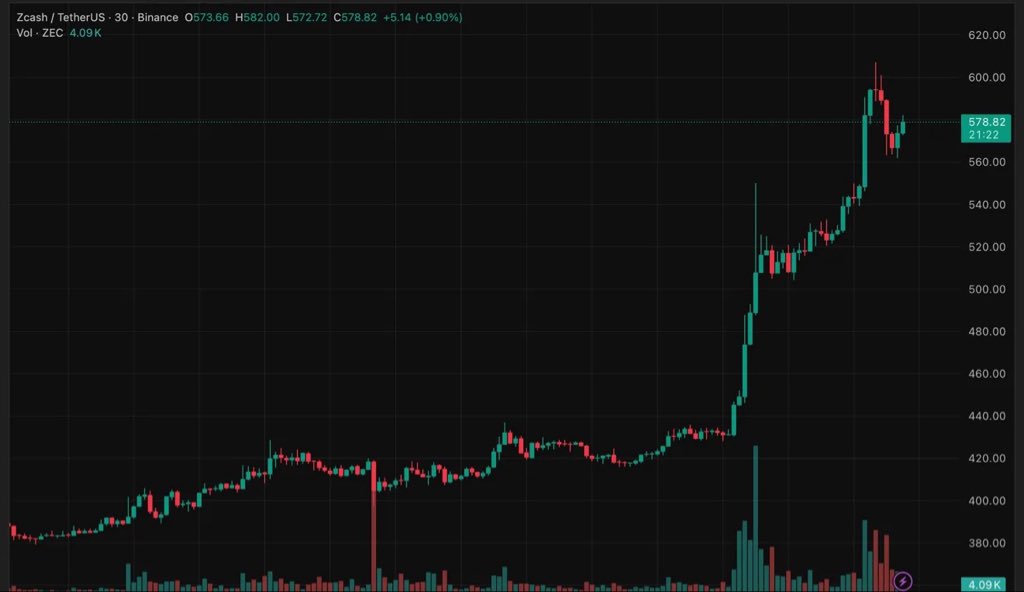
$ZEC hit $600 for the first time this year. Up from $220 a few months ago.
Multicoin Capital has been accumulating since February, Robinhood listed it end of April, $59M in shorts got liquidated in 24 hours, and shielded supply just hit an all time high.
The privacy narrative is heating up and real money is behind it this time
I went through the full complaint
The details are not great for Sun. According to the filing, he signed an agreement giving WLFI the right to freeze wallets at its discretion, then went on X and called that same clause a secret backdoor.
The complaint also alleges he moved $300M USDT to Binance the day before $WLFI went tradeable, and open short interest jumped 23% at launch. All while sitting on the advisory board with 4 billion locked tokens.
There has been a lot of noise around WLFI over the past few weeks. Filing this in court is the right move cos now it stops being a timeline debate and becomes something that has to be backed up with evidence.
Court is where claims get tested, not X.








![JefferyCrypt's tweet photo. Something wild happened over the last 6 months and almost nobody in crypto is framing it properly.
Between October 2025 and April 2026, OpenAI, Google, Stripe, Coinbase, Visa, Mastercard, OKX, and Alipay all shipped live protocols for how AI agents should handle money, production products all within roughly the same quarter.
The reason this is happening now is structural.
AI agents can't open bank accounts. They can't pass KYC. They don't have government IDs. They can research, compare, negotiate, and execute complex tasks across the internet, but they couldn't do the one thing that makes all of that useful, spend money.
The entire checkout infrastructure we've built over three decades assumes a human is on the other end. Remove the human and the whole system breaks.
So the payment layer the internet was supposed to have since the 90s is finally being built. And it's being built as a three layer stack:
➥ The Agentic Commerce Stack
[1] Shopping & Discovery Layer
• This is where agents find products, build carts, and initiate checkout
• @Google built the Universal Commerce Protocol (UCP) with Shopify, Walmart, Target, and 20+ partners including Visa, Mastercard, AmEx, Stripe, and Adyen
• @OpenAI built the Agentic Commerce Protocol (ACP) with @stripe, launched Instant Checkout in ChatGPT
• ACP had to pivot hard, only about 30 merchants ever went live, Walmart pulled out after conversion rates came in 3x lower than their own site
• OpenAI retired Instant Checkout in March 2026 and shifted ACP to discovery only
• Lesson here is that checkout is way harder than it looks from the outside
[2] Trust & Authorization Layer
• How does a merchant know the agent actually has permission to buy?
• Google's AP2 protocol uses cryptographic mandates, signed records of user intent that are tamper-proof and revocable. 60+ partners including Mastercard, PayPal, AmEx, Coinbase
• @Visa's Trusted Agent Protocol (TAP) lets merchants verify incoming bots are legit shopping agents rather than scrapers or fraud bots. Co-built with Cloudflare, 100+ partners
• @Mastercard's Agent Pay completed Europe's first live AI agent payment with Santander in March 2026, then the Netherlands' first with Rabobank in April
• Mastercard also shipped Verifiable Intent with Google, an open cryptographic trust standard backed by IBM, Worldpay, Fiserv, Adyen
[3] Settlement Layer (the crypto layer)
• This is where money actually moves and where stablecoins enter the picture
• @coinbase and @Cloudflare built x402, literally named after HTTP 402 "Payment Required," the status code reserved in the 90s for a payment layer that never got built
• x402 embeds stablecoin payments directly into web requests. Agent makes a request, server responds with a price, agent signs a USDC payment, resource delivered. Two seconds, zero protocol fees
• Already processed over 150 million transactions across Base and Solana
• The x402 Foundation now includes Google and Visa alongside Coinbase and Cloudflare
➥ The New Entrants
[1] @stripe & @tempo - Machine Payments Protocol (MPP)
• Tempo mainnet launched March 2026, payments-focused L1 backed by Stripe and Paradigm
• MPP handles programmatic agent-to-agent payments, microtransactions, recurring billing, streaming payments
• Stripe wired MPP into the standard Payment Intents API at Sessions 2026, so any business on Stripe can now accept agent payments in stablecoins or fiat
• Stripe also shipped the Link agent wallet, 288 total product launches at Sessions, and partnerships across OpenAI, Google, Meta, Visa, and Mastercard simultaneously
• Stripe isn't competing in the protocol war. It's the settlement layer underneath all of them
[2] @okx - Agent Payments Protocol (APP)
• Launched April 29, 2026
• Most ambitious scope of any protocol, covering the full commerce lifecycle beyond just payments
• Agents can create quotes, negotiate terms, set up escrow, hire professionals, run pay-per-use billing
• Backed by AWS, Alibaba Cloud, Nansen, Uniswap, Paxos, QuickNode
[3] @Alipay - AI Pay
• Quietly the most advanced deployment in the world
• Hit 120 million AI payment transactions in a single week in February 2026
• Crossed 100 million users, the first AI-native payment product globally to reach that scale
• Integrated into Qwen App (Alibaba's AI) for conversational commerce and Rokid smart glasses for hands-free voice payments
• What China is doing with agent commerce through Alipay is operationally years ahead of the West
➥ Why Stablecoins Win This
The structural argument is clean
• Agents need wallets, not bank accounts
• They need push payments (sender-initiated) not pull payments (merchant-pulls)
• They need 24/7 settlement, not banking hours
• They need micropayments at near-zero cost, not $0.30 + 2.9% per swipe
• They need programmable money with spending limits and escrow logic baked in
Stablecoins check every box
The numbers back it up:
• Stablecoin volume hit $33 trillion in 2025, up 90%+ YoY
• Total supply crossed $315 billion by end of Q1 2026
• Over 232 million wallets now hold stablecoins
• Visa stablecoin settlement running at $4.5 billion annualized
• Juniper Research projects stablecoin cross-border B2B transactions reaching $5 trillion by 2035
These aren't crypto-native numbers anymore. This is mainstream financial infrastructure being built on stablecoin rails
➥ What's Still Missing
• Security gap is real. Researchers found 26 LLM routers injecting malicious tool calls, one incident drained $500K from a wallet. The middleware layer is largely unaudited
• Only about 1% of shoppers currently use agents to purchase anything. The infrastructure is years ahead of consumer behavior
• Eight protocols from eight organizations in one quarter. Whether they interoperate or fragment is still an open question
• Even Stripe admitted in their annual letter that agentic commerce "suffers from having been overhyped too early in some corners"
→ But the direction is clear
McKinsey projects agents could mediate $3-5 trillion in global commerce by 2030. Juniper puts agentic commerce spend at $1.5 trillion by the same year
The payment layer the internet was supposed to have 30 years ago is finally being built
And it runs on stablecoins, not credit cards](https://pbs.twimg.com/media/HHyfqu8WsAEfI_7.jpg)