Today I’m excited to present antiGen, a framework for anticipating future evolutionary changes to viral proteins by learning from their evolutionary past. Key applications include vaccine and therapeutic design.
Paper: https://t.co/Kc1qS7d4wU
1/ AI agents can now accomplish many research tasks. But tackling frontier problems requires deciding which questions matter and when to trust results.
We're excited to introduce DiscoveryAgent to empower scientists in their pursuit of rigorous, open-ended discovery 🧵
Excited to share Germinal Multi, a framework for multi-target antibody design and rescue. We applied it to cancer resistance mutations, historical SARS-CoV-2 evolution, and paired with a viral evolutionary model, antiGen, to design against a forecasted escape variant! (1/8)
Today I’m excited to present antiGen, a framework for anticipating future evolutionary changes to viral proteins by learning from their evolutionary past. Key applications include vaccine and therapeutic design.
Paper: https://t.co/Kc1qS7d4wU
We present JUNIPER, our outbreak reconstruction tool that incorporates within-host variants, models missing data, and scales to large, sparsely sampled datasets to achieve state-of-the-art performance. Led by @ivan_specht et al. @sabeti_lab. https://t.co/pvi3boGVbh 1/12 🧵
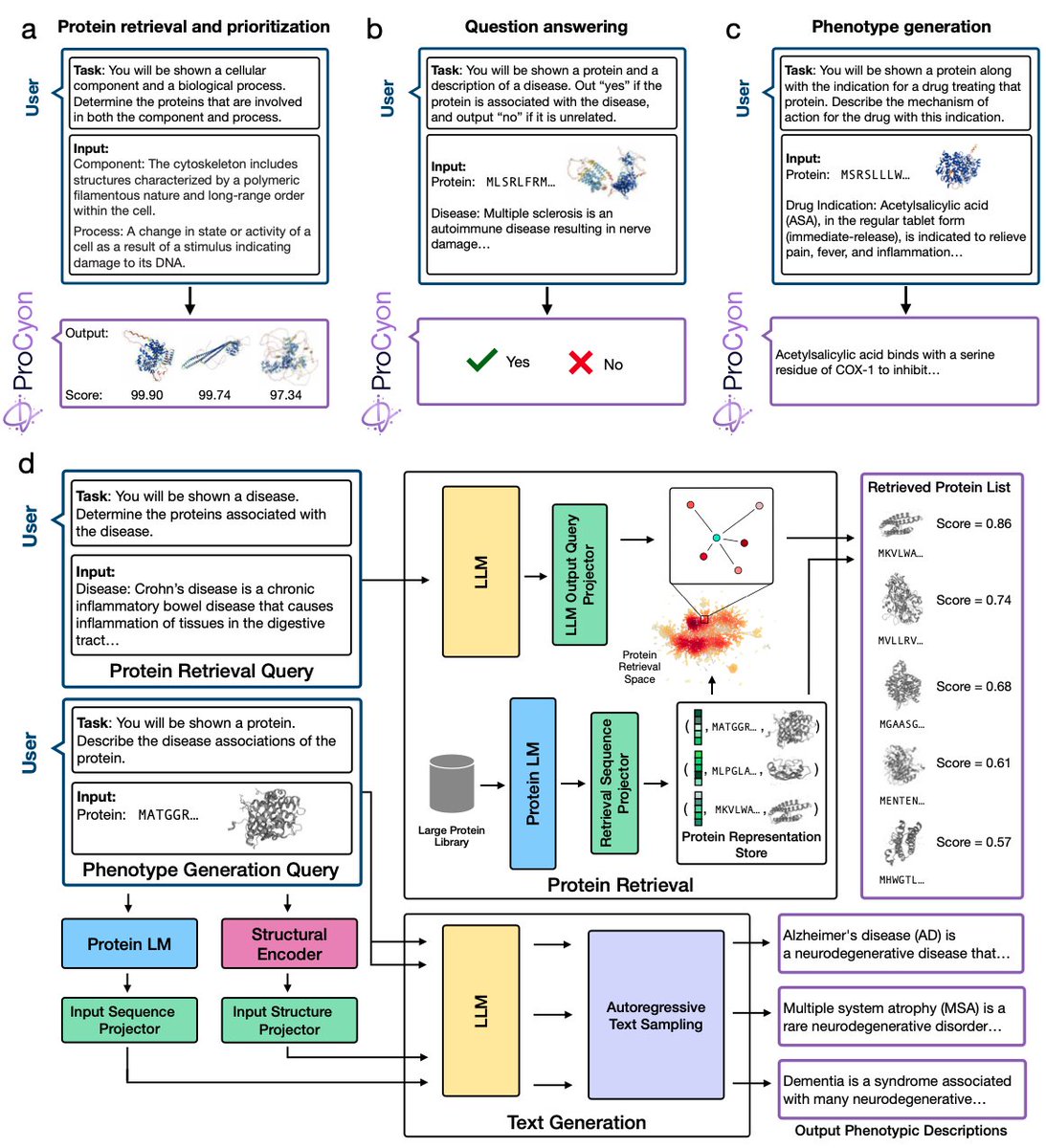
(1/4) Excited to introduce ProCyon: a multimodal foundation model to model, generate, and predict protein phenotypes, led by stellar @oq_35 @YepHuang Robert Calef @valegiunca
👉 https://t.co/izn7M9Qn44
ProCyon is an 11B parameter multimodal model that integrates protein sequences, structures, and natural language
ProCyon models, predicts, and generates phenotypes with zero-shot task transfer, breaking past the limits of fixed vocabularies or ontologies
🔬 The Challenge: Predicting protein structure is advanced, but predicting protein phenotypes—observable traits linking molecular function to biology—is still an open problem. 40% of human proteins lack context-specific insights, while 20% remain almost entirely uncharacterized
Talent shines in the Sabeti Lab! ✨ Ivan Specht's senior thesis, 'Reconstructing Viral Epidemics: A Random Tree Approach,' is now featured on the Harvard Math website. Dive into Ivan's groundbreaking work and join us in celebrating his achievement! 🎉
https://t.co/5XI3a2PqoY
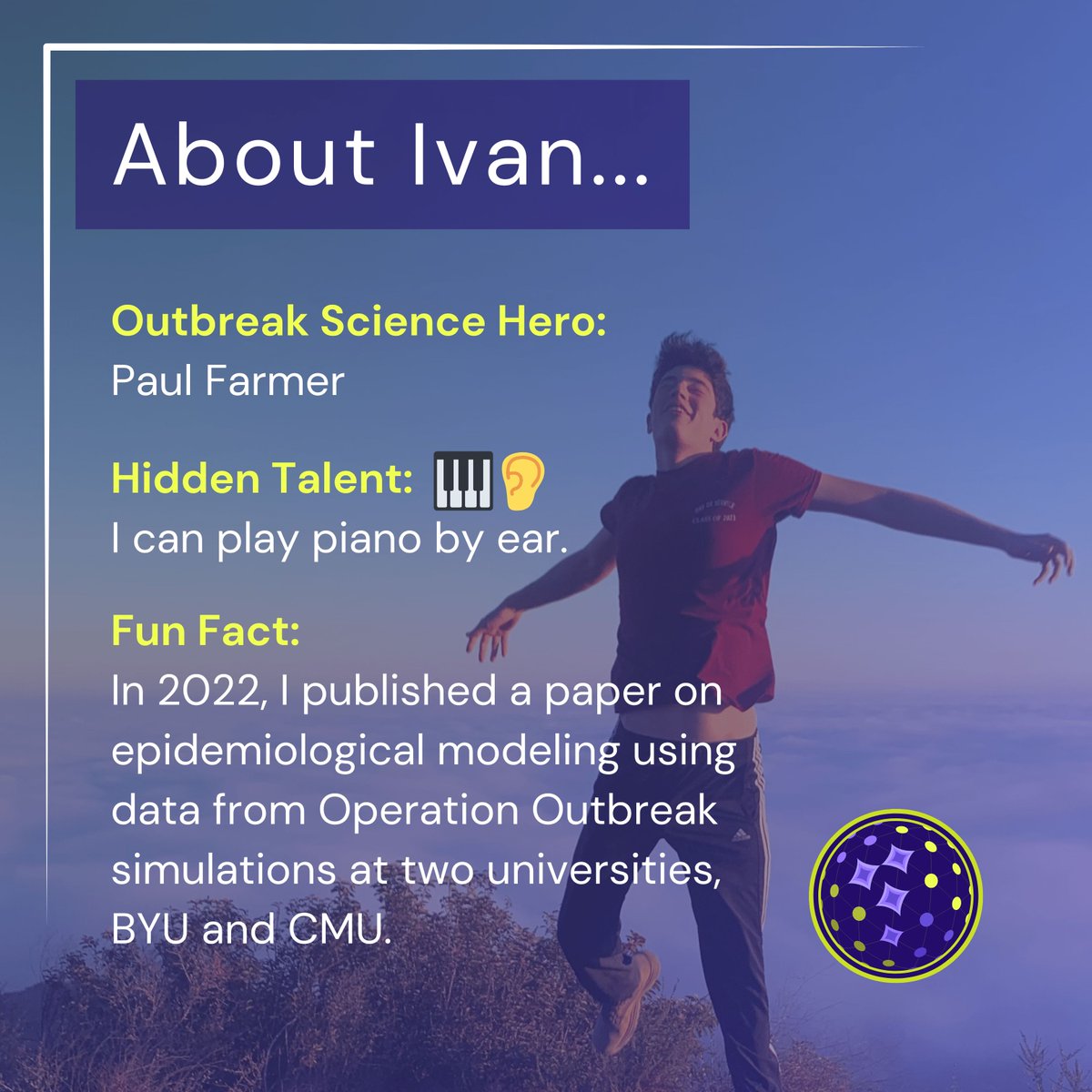
Meet @ivan_specht! Ivan's work in the @sabeti_lab involves epidemiological modeling of infectious diseases as a means to inform public health policy. Read more about his work here: https://t.co/DVhTOeXe0i #OperationOutbreak#STEM#education
Thrilled to be here at #NCTMDC23 sharing Operation Outbreak (@OutbreakEdu) with math teachers from all around the country! Operation Outbreak is an outbreak simulation technology that spreads a ‘virtual pathogen’ between smartphones via Bluetooth to teach epidemiology.