Why do some teams speak up early, while others stay silent until harm occurs? This BJA Education article explores psychological safety where it matters most. 🧠 https://t.co/oi0prVMlWM
Culture of excellence or culture of control?
"The behaviours described – bullying, favouritism, passive-aggression & emotional detachment – are not abstract threats; they are lived realities for many clinicians navigating hierarchical and culturally siloed environments."
https://t.co/6q7NaTKZZp
@EJA_Journal publishes new consensus on videolaryngoscopy by @sedar_es , @SEMES_ , @flamelatam and the International Airway Group (IAG)
The 12 recommendations aim to support universal use in emergency and planned care
🔗 https://t.co/ccuMGGTNcw
#EJAESAIC#ESAICJournal#ESAIC
Medical extended reality #MXR serves as a powerful emerging tool to facilitate efficient learning in medicine. Rubin and Jotwani describe their curriculum for a virtual #neuraxial masterclass #virtualreality https://t.co/qjESX26nsq
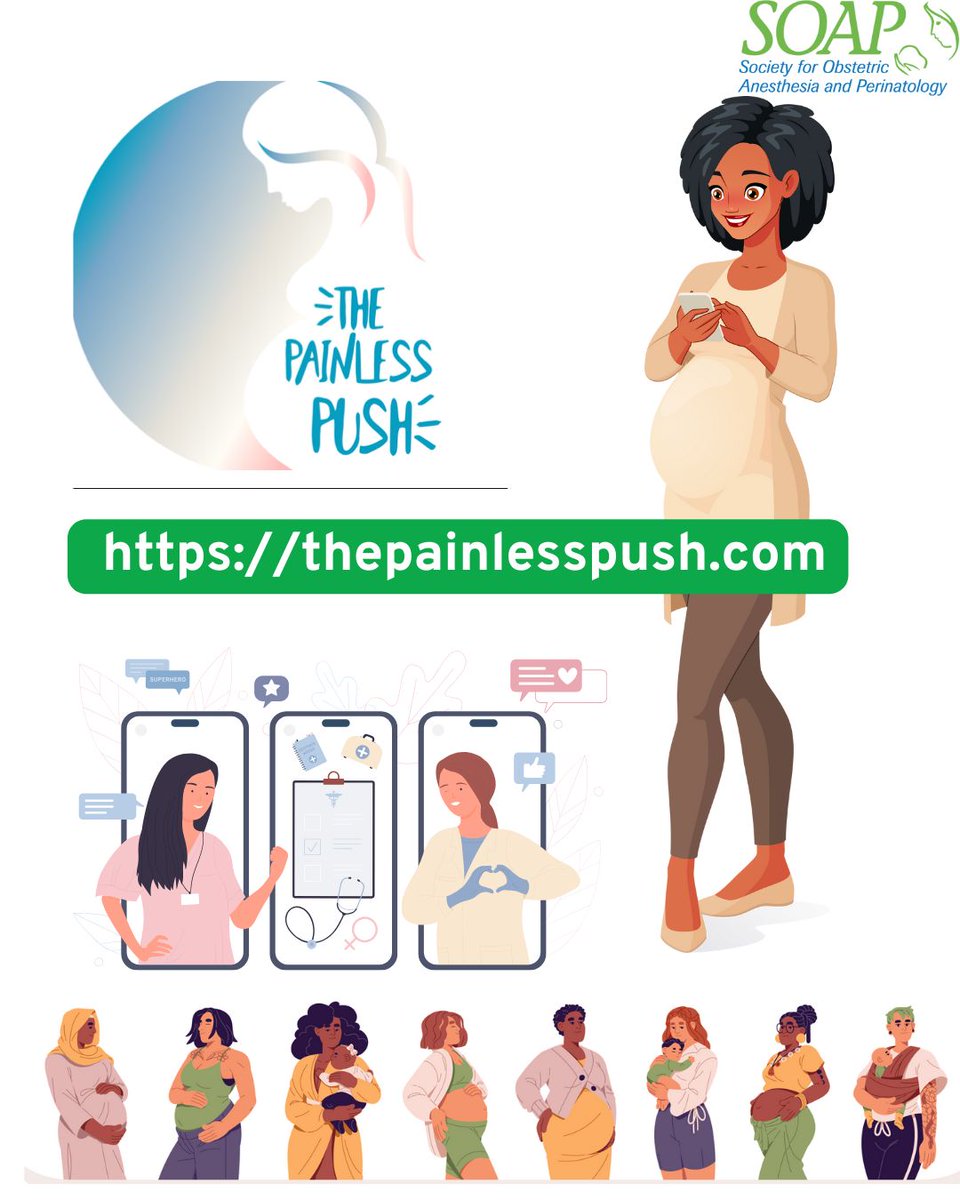
We’re thrilled to announce the birth of our new patient education website about obstetric anesthesia care! A huge thank you to everyone who helped bring this project into the world — your dedication made it possible!
https://t.co/pp79LxwhGw
#soap#OBAnes@AllisonLeeNYC
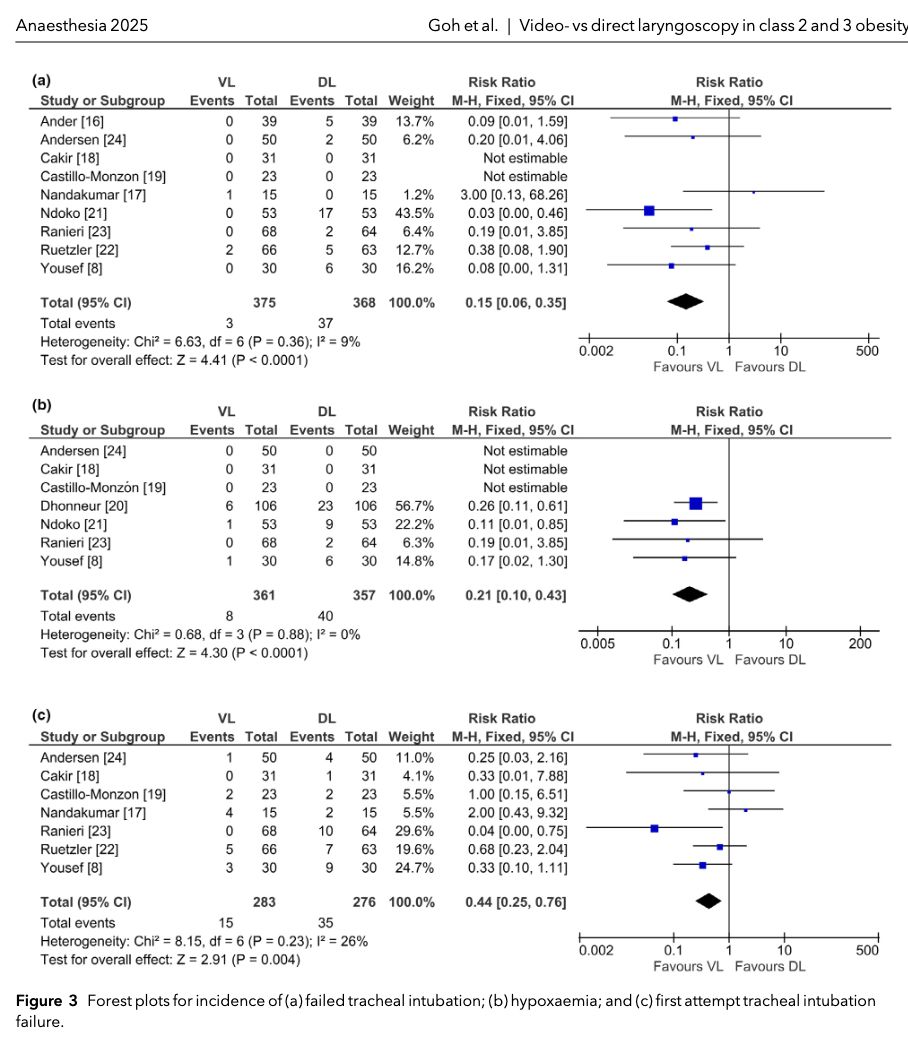
Does videolaryngoscopy improve tracheal intubation-related outcomes when compared with direct laryngoscopy in patients living with class 2 or 3 obesity (BMI ≥ 35 kg.m-2)?
(SPOILER ALERT: YES!)
#anaesthesia#medicine#airway
https://t.co/3KGHO0Fpn4
New data on maternal mortality and anaesthesia interventions in Japan. Hasegawa et al recommend regionalisation & centralisation of obstetric facilities to make more efficient use of anaesthesia resources and reduce mortality due to #anaesthesia
https://t.co/Gt3kGzmPs9
Apnoeic oxygenation using high-flow nasal oxygen (HFNOap) for laryngotracheal surgery in adults: a safety checklist derived from a Delphi process involving 36 experts from 11 countries.
@altgm
🔗 https://t.co/m80oRVEOMv
https://t.co/XUtEq7ENEe
Met up with Nafisa Jiddawi doing great work for women’s health in Zanzibar. Hope I can contribute. As a start pls have a look and share
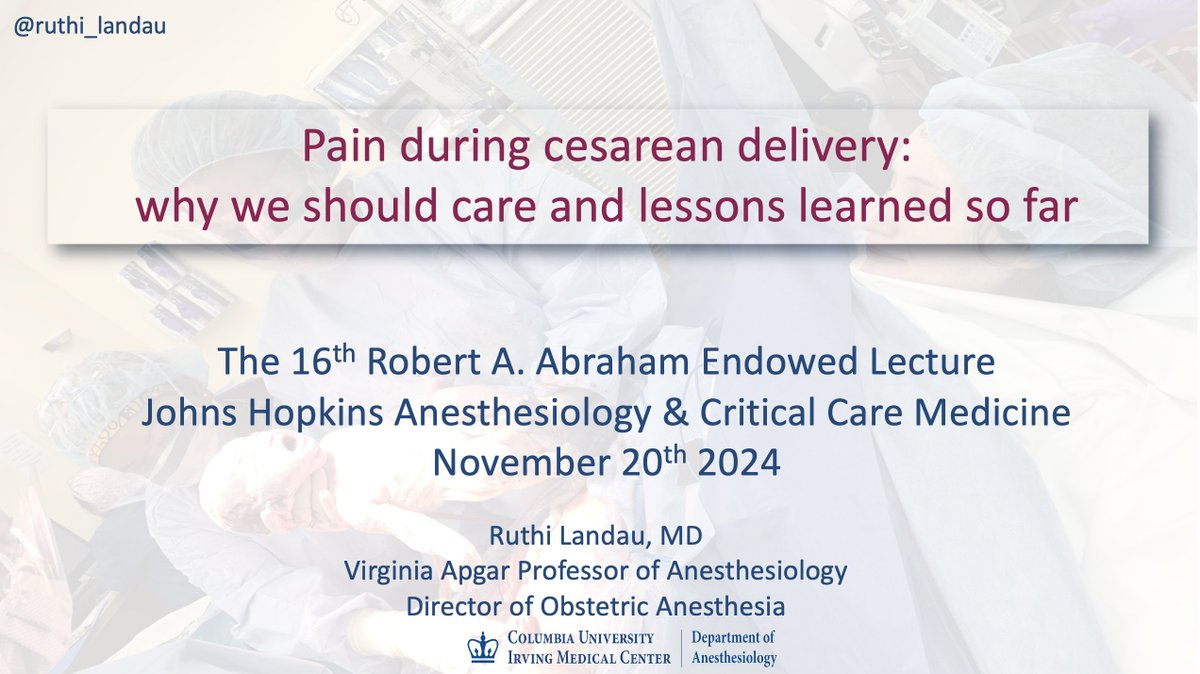
Honored to present the 16th Robert A. Abraham Endowed Lecture at @HopkinsMedicine on "Pain during cesarean delivery- why we should care & lessons learned so far" tomorrow morning
Check the recent @ASALifeline statement on the use of adjuvant medication for the management of intraoperative pain
https://t.co/xvBOvJTblK
@AccpmJ@OAAinfo @SusannaStanford @IJOA_Journal
What are the key principle of awake tracheal intubation?
• oxygenation
• topical anaesthesia of the airway
• procedural performance
• sedation
Is one of these principles more important than the others?
@elboghdadly@sally_ghazali@dr_imranahmad@robsneyd
https://t.co/CTIIa52vtD
The increasing global burden of stroke, despite~80% considered preventable, with air pollution now on par with smoking as a risk factor
https://t.co/2iBGuhD3um @TheLancetNeuro
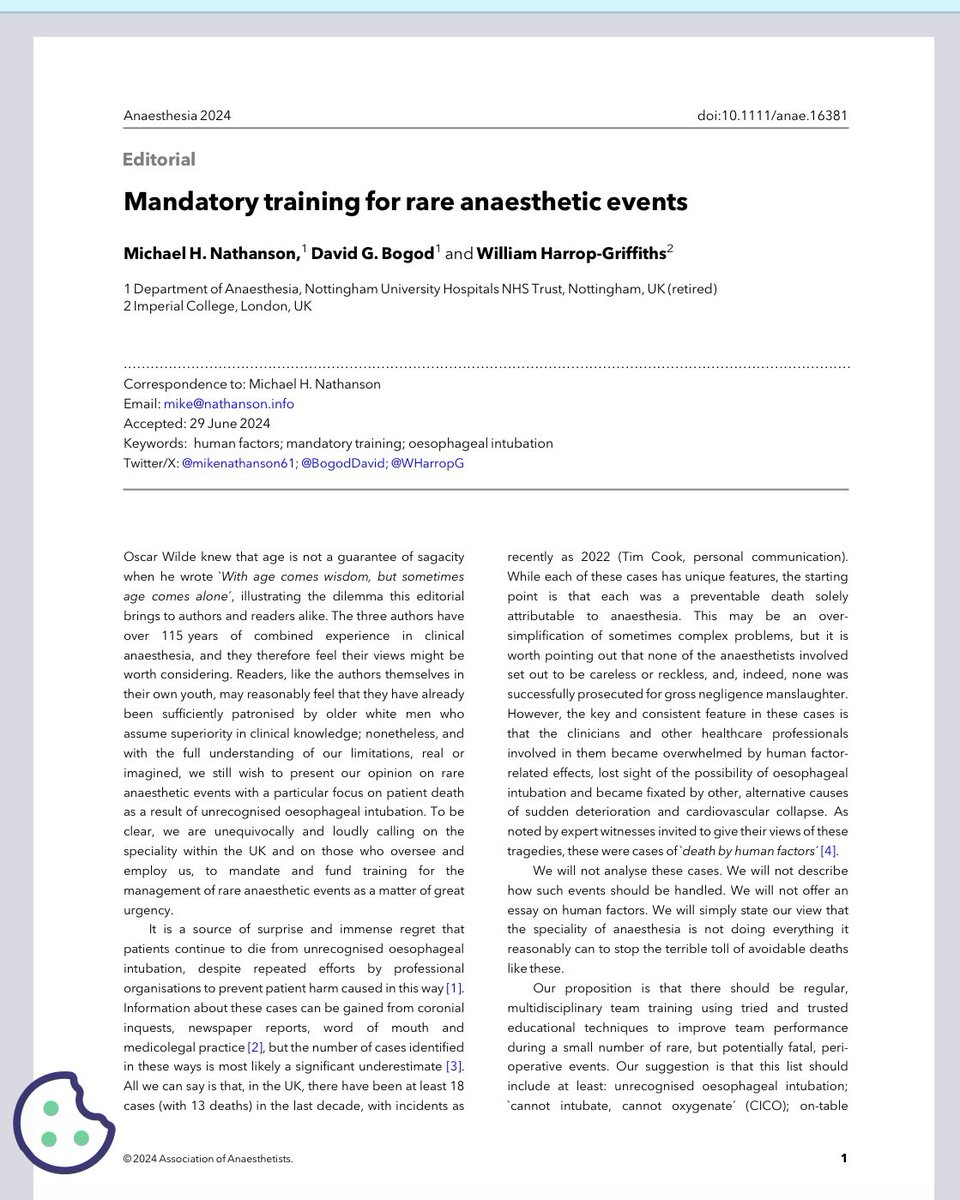
All anaesthetists are at risk of a fall in performance during high stress situations- however experienced, competent &conscientious they are
We therefore need:
✔️design of safe systems using human factors
✔️mandatory crisis Mx training for **all grades**
https://t.co/V8Btga97a8
Not included in the above thread but I think important
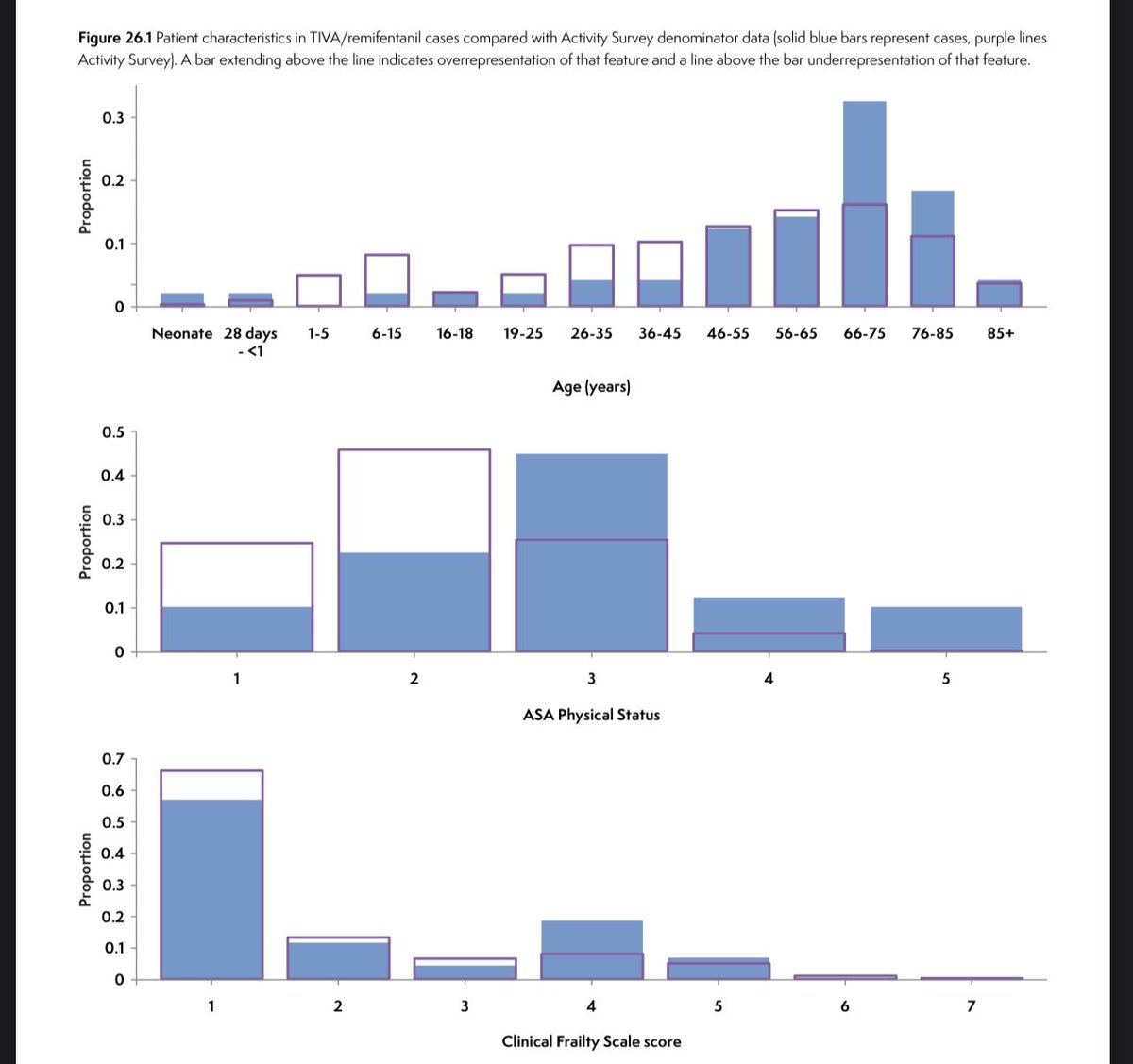
FRAILTY, PROPOFOL & REMIFENTANIL
As frailty rises the ratio of the proportion of patients who were anaesthetised with propofol with remifentanil in the cardiac arrest group vs the overall patient population increases disproportionately
This is association not causation but #NAP7 meant each case was reviewed & too often the consensus opinion included anaesthetic technique (relative overdose by dose or speed of administration) as a cause of cardiac arrest
Go low
Go slow
@CPOC_News@AgeAnaesthesia@SIVAnaesthesia@EuroSIVA