Defense analyst @ForecastIntl, specializing in military electronics. Background in critical & emerging tech policy.
Opinions expressed here entirely my own.
@NateWitkin I'm sure you've done this, but if you try to evaluate a paper with any of the frontier models, before long it becomes clear they don't have a stable sense of the arguments. There's a real there, there, but it doesn't seem like the abductive reasoning you might be alluding to.
I read this recently, and I think it's an excellent take on what accounts for both much of the cross-talk on LLM productivity gains, and why there remains a mismatch between capability and real-world impact.
Grateful to see West Asia climbing the Amazon charts 📚
#2 in Political Science • Top 20 in Asian Politics • Top 40 in Middle Eastern Politics
Thank you to everyone reading, sharing, and debating these ideas.
https://t.co/zupblkeWjH
I shared some thoughts with @ThinkChinaSG in a personal capacity on why the stakes of AI competition between the U.S., China, and Gulf states are real, but misdirected and inflated. US engagement with the Gulf is not akin to outsourcing its capabilities.
https://t.co/BBwb9JGNud
JUST OUT: The theme of Issue 168 (June/July 2025) is Digital Philosophy, including AI, virtual worlds & machine consciousness. There's an interview with Stephen Fry on AI & literature, and an article by Slavoj Zizek on the Liar Paradox in society and politics. Link in comments.
“We should not be tempted by a dichotomous view of U.S.-China competition in which the ‘winning’ state gobbles up the Middle East’s ambitions,” writes defense and technology policy analyst Vincent J. Carchidi, @j_carchidi .
https://t.co/r8hlQnjfMR
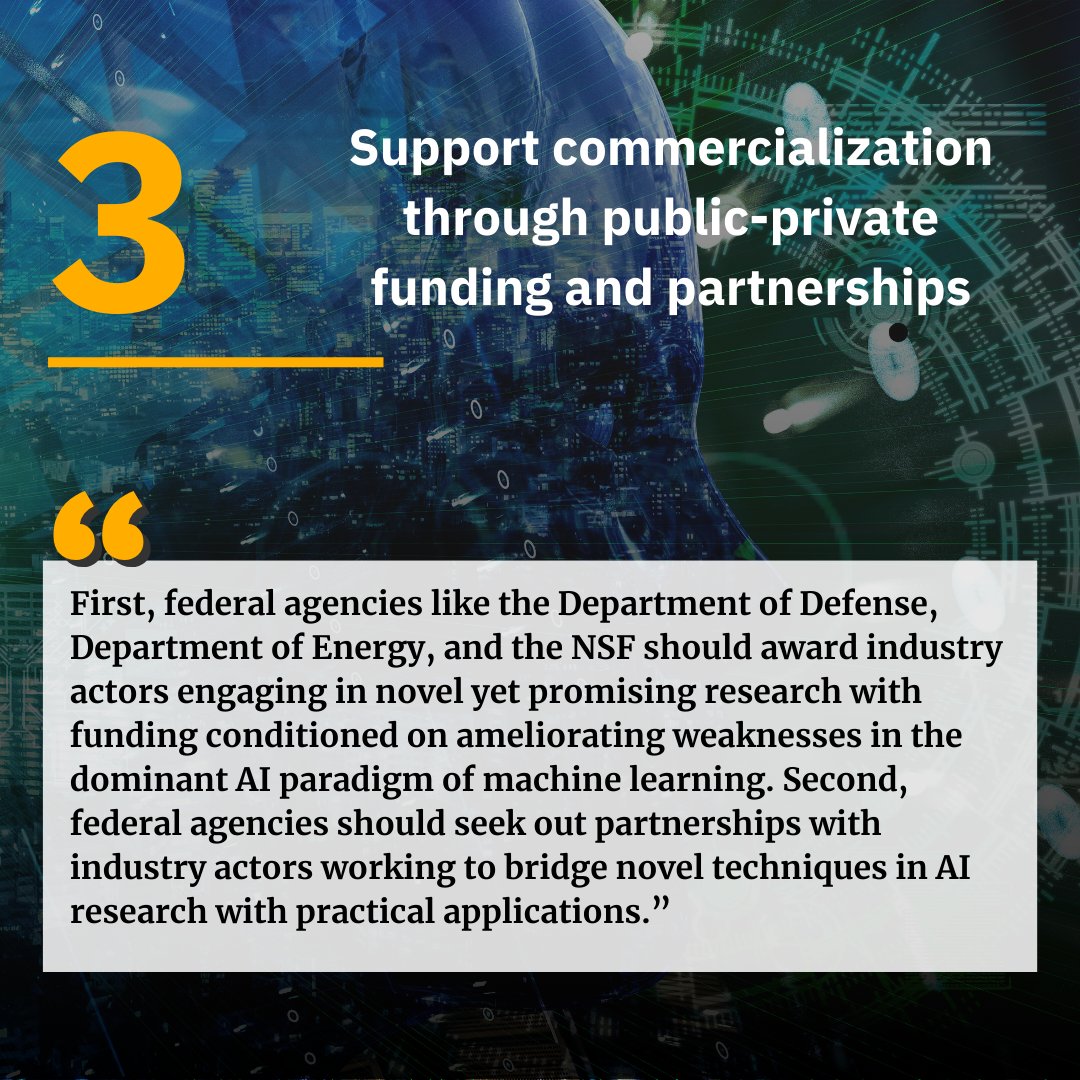
My latest with the @NewlinesInst is a major report on why American AI Leadership Should Not Be Defined by Machine Learning.
Part of an expert compendium on U.S.-China competition.
Link below
While there’s some talk that DeepSeek might have underreported GPU usage—possibly using restricted H100 chips to bypass export controls—I personally think the more likely explanation lies in their technical ingenuity.
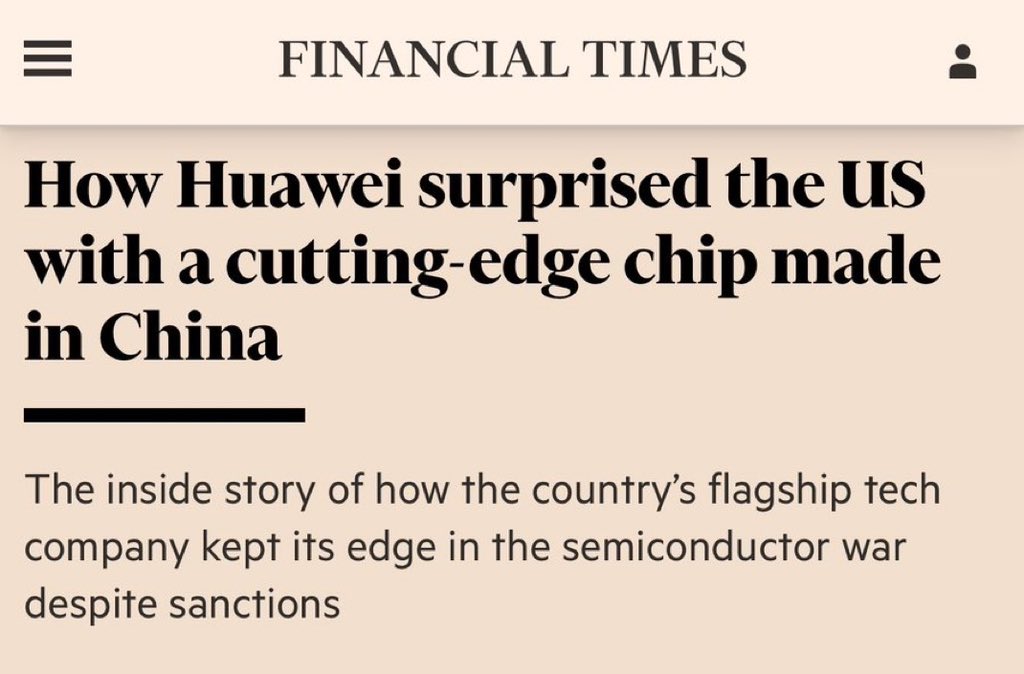
🇨🇳 Huawei Mate 70’s chip was deemed “impossible” under U.S. export controls. Some say those controls supercharged China’s chip ambitions. I disagree. Export controls were never about stopping China—they were about buying time for 🇺🇸 industrial policy to pull us ahead in the race.
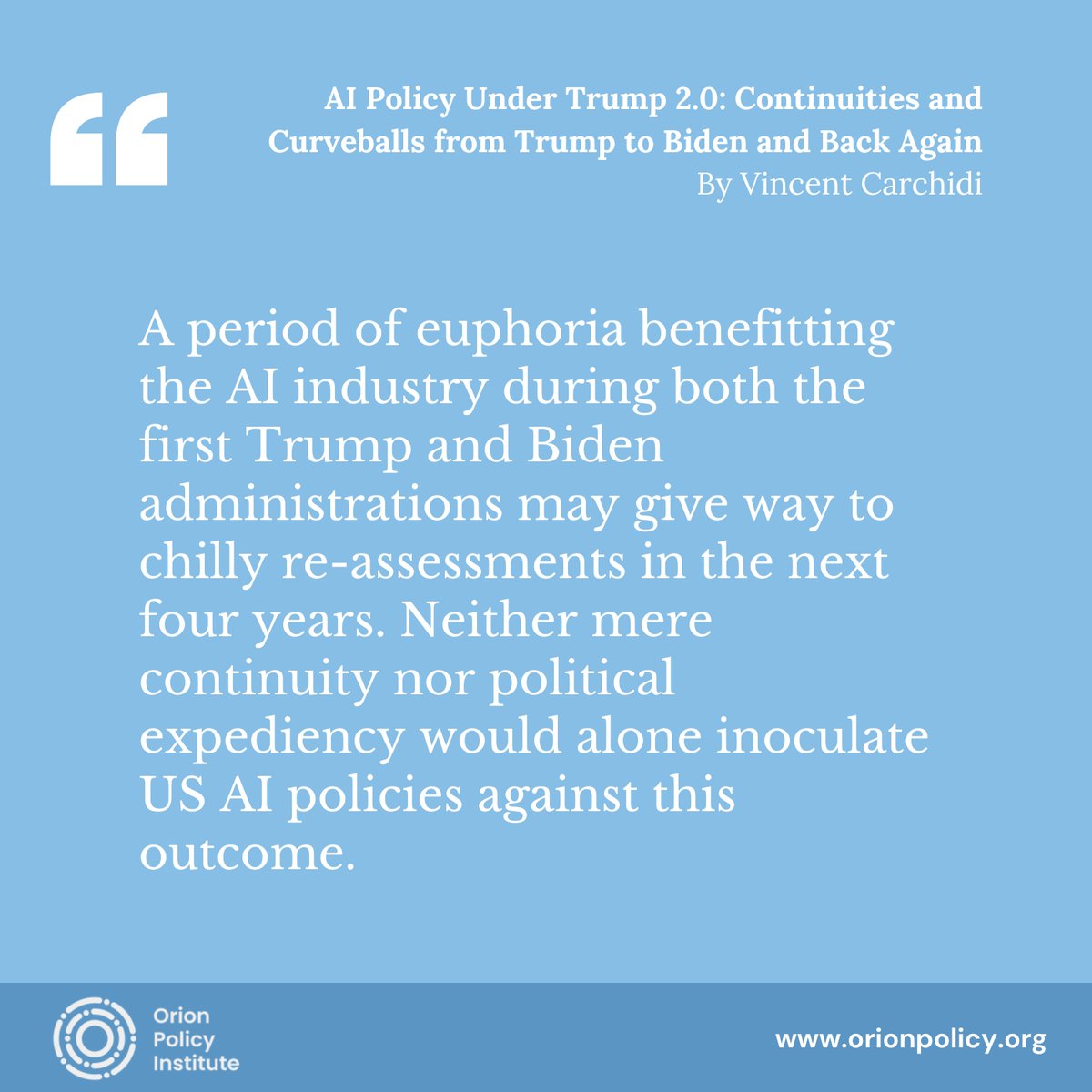
Learn more from our website in the article 'AI Policy Under Trump 2.0: Continuities and Curveballs from Trump to Biden and Back Again' from our Non-resident Fellow @j_carchidi!
#AI#AIPolicy#CyberTechnologies#Trump#Administration
Visit:
https://t.co/ZuMzu2tuMO
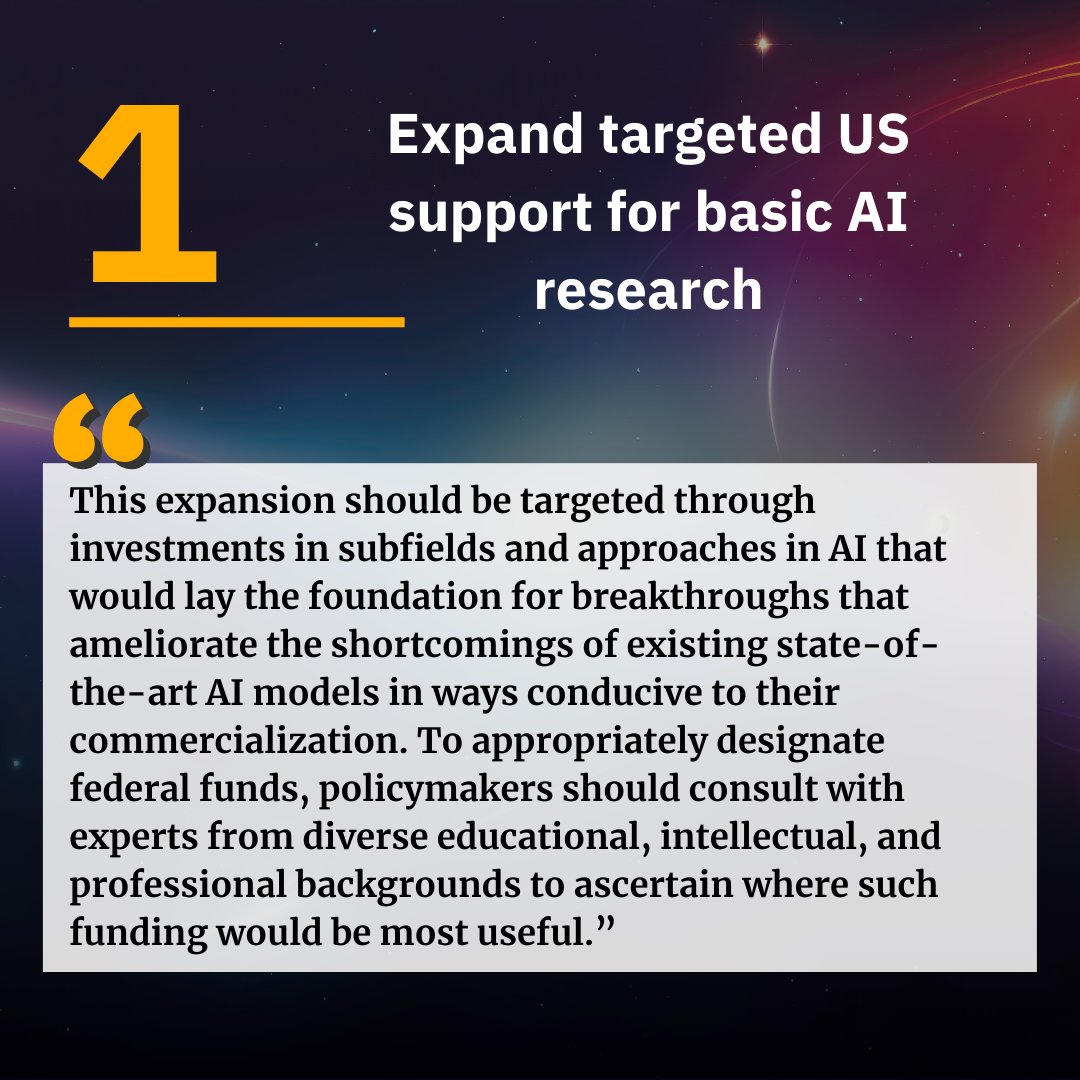
As the #US competes with #China in the global race for AI supremacy, regional players like the UAE and Saudi Arabia are emerging as key partners in shaping the future of #AI innovation. MEI's @j_carchidi and @ThisIsSoliman offer recommendations on how the US can strengthen its strategy by leveraging these alliances and securing a competitive edge in AI development.
New policy brief out today with the @OrionPolicyIns on what to expect of AI policymaking under Trump 2.0 based on his first administration and the (perhaps downplayed) expansion of Trump-era policies under the Biden administration.
https://t.co/8WUYzEhcT2
New #PolicyBrief! Our latest article, 'AI Policy Under Trump 2.0: Continuities and Curveballs from Trump to Biden and Back Again,' by our Non-resident Fellow Vincent Carchidi (@j_carchidi), is now on our website!
Visit:
https://t.co/ZuMzu2u2Cm
#ArtificialIntelligence