Journal of Experimental Biology is the leading journal in integrative and comparative physiology. We are also on @jexpbiol.bsky.social, Facebook and Mastodon.
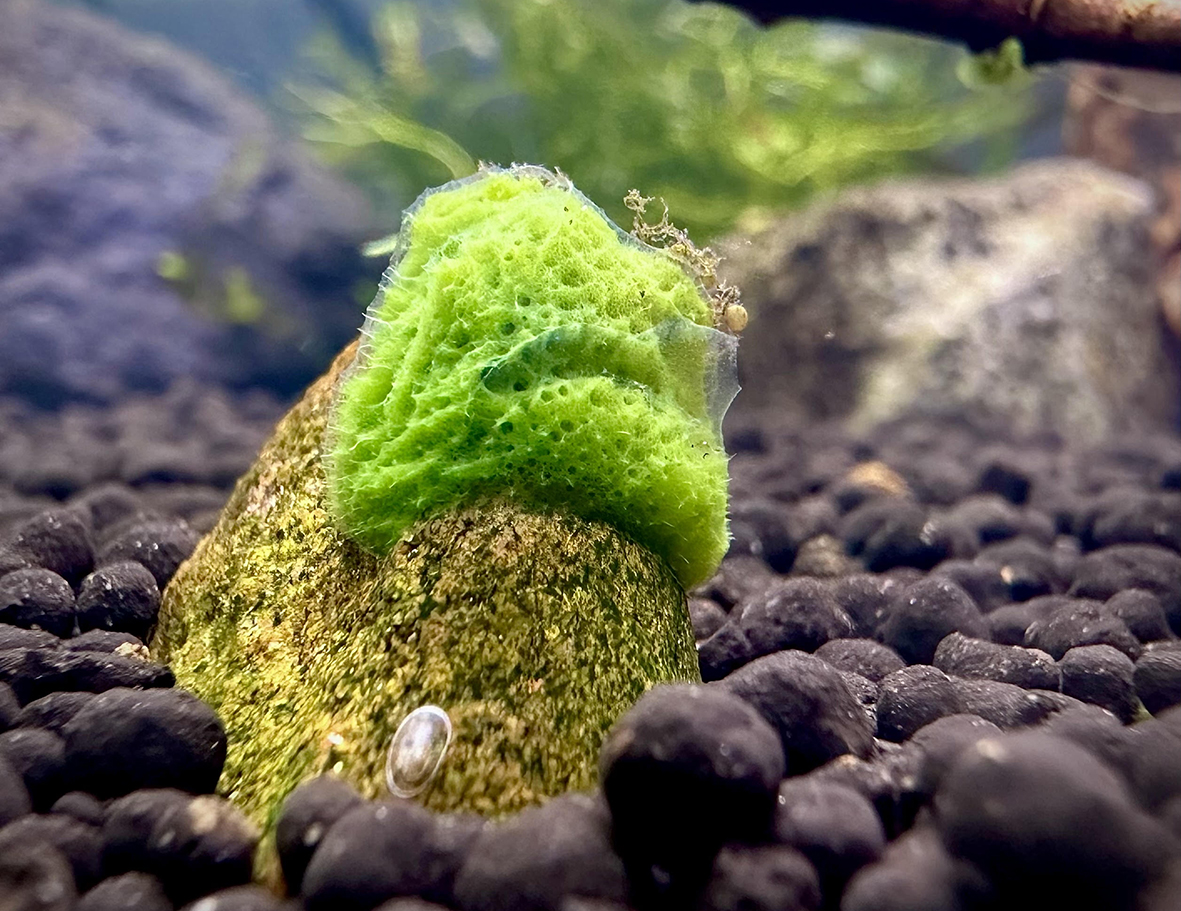
Sponges don't look particularly bony but they are supported by silica-based skeletons and now Maitri Rangarajan-Paul & co @Scripps_Ocean reveal that sponges use many of the genes associated with cellular waste disposal to grow their silica skeletons
https://t.co/EoA0eUkgA8
Apply for @J_Exp_Biol grant to support junior faculty staff. Each grant can be used towards travel to a collaborator’s institution and accommodation and subsistence during the visit. Deadline 27 Nov. Find out more:
https://t.co/0anesWpSB7
and
https://t.co/dNWUckiRxp
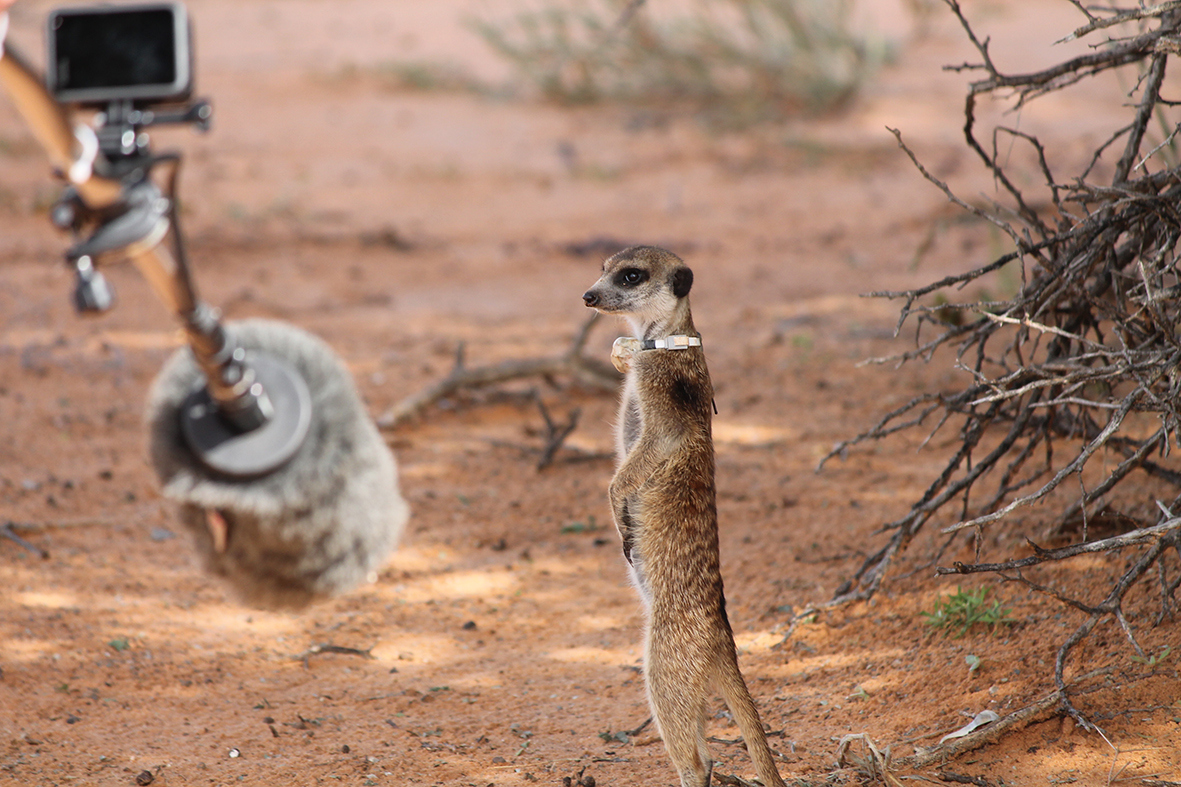
Communal meerkats usually navigate as a troop but it turns out that they are also ace solo navigators when separated from the clan. Even youngsters make it home successfully
https://t.co/jTOFMoervj
Read the full research #OA for free at https://t.co/6gH5j2QylP
We love serving the JEB community, but publishing #OA in @Co_Biologists journals is expensive. In their Editorial K. Brown, Craig Franklin & Michaela Handel explain about @Co_Biologists investment in technology & staff to provide the best service possible
https://t.co/e4SIzLse5C
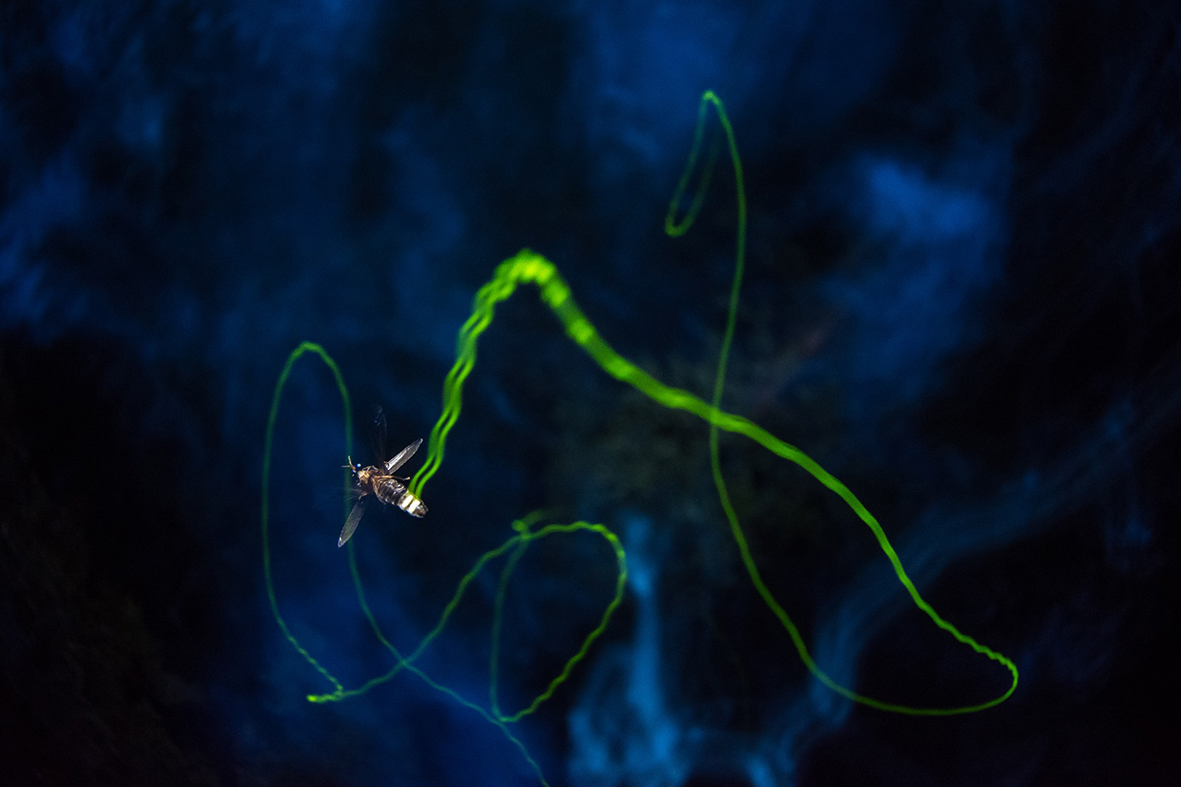
Female European glow worms flash ostentatiously to attract a mate and now it turns out that the males' colour vision is fine-tuned to see the females' distinctive glow in the specific habitat that they inhabit
https://t.co/h6NlxYpOcv
What can a tiny sea anemone teach us about surviving climate change? In their Review, Glass &co synthesise >20 years of ecophysiology research on the scarlet sea anemone, revealing how its responses to environmental change offer insights for a warmer world
https://t.co/OaQFwfP7ly
JEB ECRs! If you love #SciComms & are a fan of #preprints, make sure you join the @Co_Biologists@preLights community & tell us all about the most recent fantastic preprint that you have just found
@preLights is recruiting NOW, so don't miss the chance
https://t.co/v0djJAsew1
Thank you Melville Wohlgemuth for sharing your experience of fee-free #OA publishing @J_Exp_Biol via our #ReadAndPublish agreement with the University of Arizona @uazresearch
Read Melville’s paper: https://t.co/d0pQqrkBwf
Fantastic coverage on CNN of an interview with Michael Kuba about Wenci Xin & co's research into how octopuses manoeuvre through tiny holes
https://t.co/i34Nkbmu9Q
Issue 21 has closed and issue 22 is open
https://t.co/SYktTyjLSP
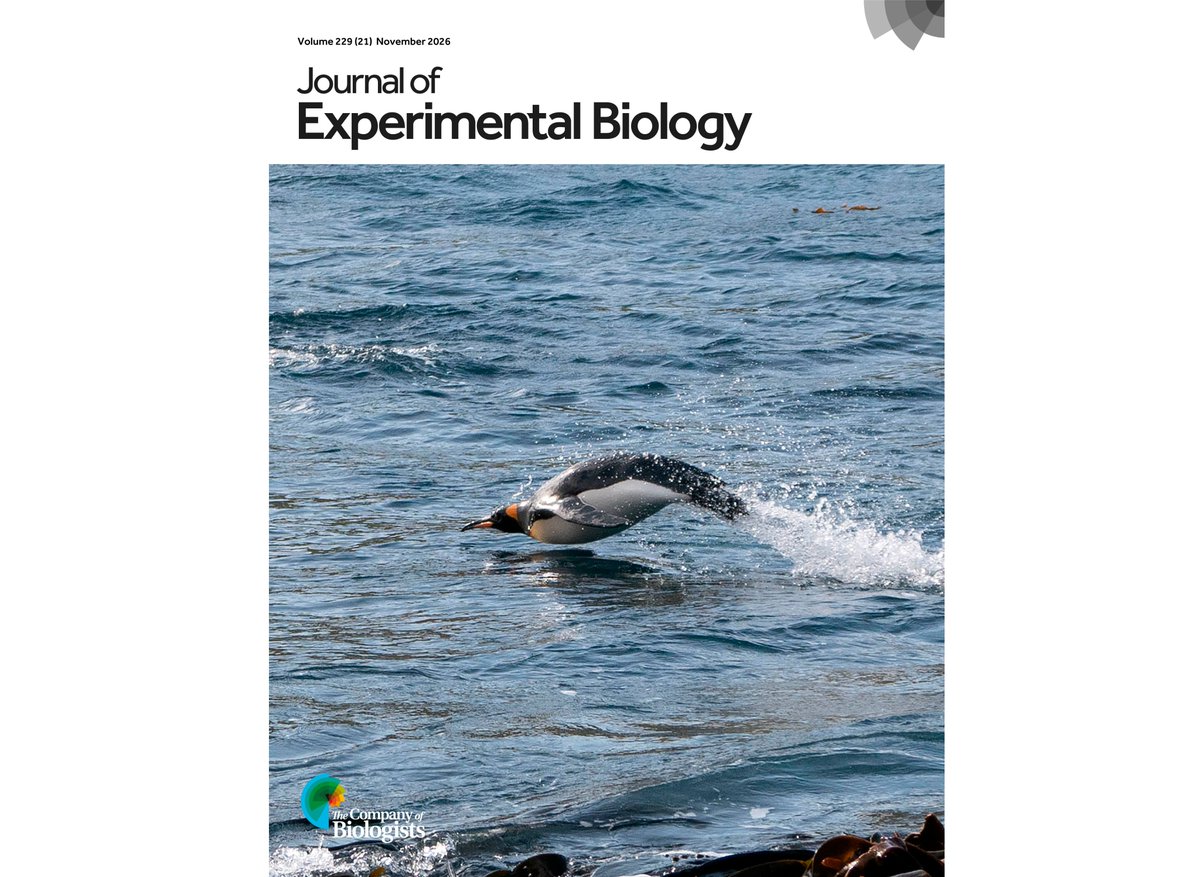
The cover image by Camille Lemonnier shows a porpoising king penguin (Aptenodytes patagonicus) returning to the colony after a foraging trip
Are you an #ECR in the #GlobalSouth? Don't miss the 20 November deadline to apply for a @BiologyOpen Conference Travel Grants to attend an international biological or biomedical conference.
In his ECR Spotlight, Wenci Xin discusses his scientific journey so far, his work on how octopuses squeeze themselves into tight spaces & why meaningful progress often begins with an imperfect first attempt
https://t.co/PVsaXBY9m7
Read his research here:
https://t.co/7iYX1pFBwu
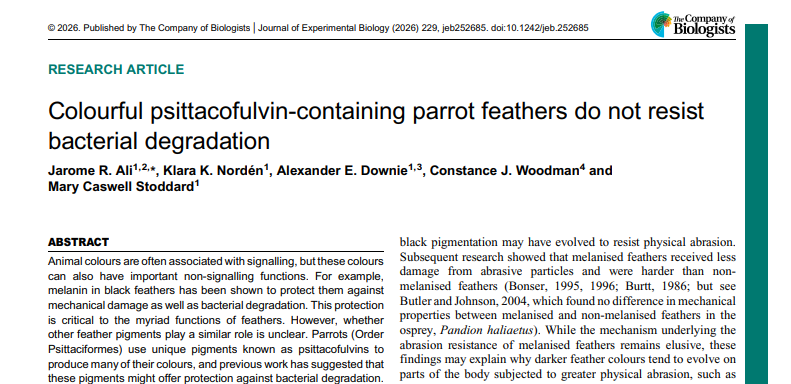
Parrots utilise a unique class of pigments, psittacofulvins, for their gaudy colours. Melanin protects feathers from bacterial damage, might psittacofulvins do the same? Apparently not, says Jarome Ali & co from Princeton University and Texas A&M
https://t.co/PfOfr2HLzd
Goldenrod gall fly larvae grow sealed from air inside plant tissue. Qian Long & @TattersallG reveal that the insects cope with low oxygen, but not super-low, & dry galls provide most oxygen, but are less nutritious leaving the insects with a trade off
https://t.co/O1G9AtKKoy