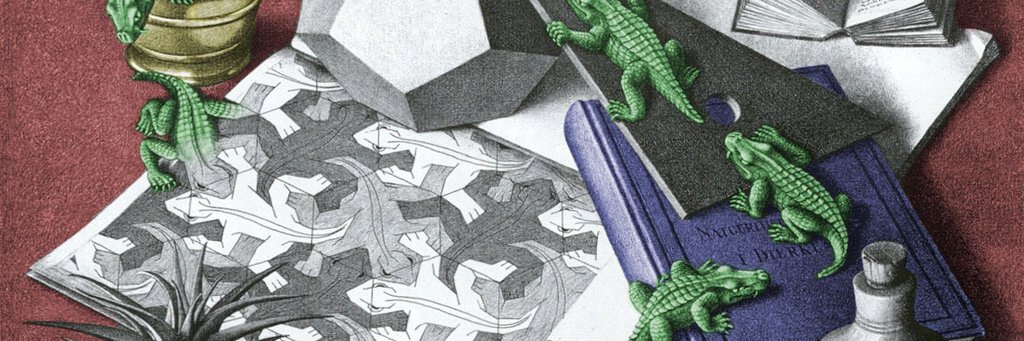
The moment one gives close attention to anything, even a blade of grass, it becomes a mysterious, awesome, indescribably magnificent world in itself. - Henry Miller
Artemis (Roman Diana) has a rich esoteric dimension beyond her popular image as the virgin huntress and goddess of the wilderness, moon, and childbirth. This includes mystery cult practices, symbolic associations with primal nature, lunar cycles, the world axis, and syncretic links to other deities like Hecate.
Mystery Cults and InitiationArtemis, especially in her Ephesian form, had dedicated mysteries—secret rites involving initiation—that lasted from at least the mid-4th century BCE into the mid-3rd century CE. These were celebrated in Ephesus (one of the Seven Wonders featured her famous temple), tied to the goddess’s mythical birth at the nearby grove of Ortygia.
Initiates (including groups like the Kouretes, young men who ritually protected Leto’s labor from Hera) participated in processions, dramatic reenactments, feasts, dances, and revelations. The rites blended civic, reciprocal votive practices with esoteric elements of transformation and divine favor.
The Ephesian Artemis differed visually from the classical Greek huntress: her famous multimammia (many-breasted) statues symbolized fertility, nourishment, or possibly eggs/bull testicles, drawing on older Anatolian “Mistress of Animals” (Potnia Theron) traditions. This form emphasized abundance, protection, and chthonic (earthly/underworld) aspects.
These mysteries adapted over centuries to political changes while preserving core themes of protection, renewal, and access to hidden divine knowledge.
Primal, Animal, and Cosmic SymbolismArtemis embodies untamed instincts and the “wild hunter” within the psyche—the thrill of the chase, independence, and harmony with raw nature rather than domestication.
Bear cults: Linked to Ursa Major (the Great Bear constellation), which in esoteric traditions guards the axis mundi (world axis, like a cosmic arrow or tree). Ancient bear rituals (e.g., arkteia at Brauron, where girls dressed as she-bears) connected her to totemic, shamanistic roots and seasonal cycles.
She is Potnia Theron (Mistress of Animals), associated with deer, bears, and other wild creatures. Her arrows symbolize both life-giving (hunting for sustenance, protecting young) and life-taking forces, regulating nature’s balance.
Lunar and triple aspects: Later identified with Selene (moon) and Hecate (crossroads, witchcraft, daimons), giving her ties to magic, transitions, night, and the unconscious. Torches and the crescent moon reinforce this.
Archetypal and Esoteric InterpretationsIn Jungian and modern esoteric views, Artemis represents the independent feminine archetype: self-sufficient, protective of the wild and vulnerable, fierce against violation (e.g., the Actaeon myth). She guards inner wilderness, intuition, and primal vitality.
Her Ephesian cult and syncretism (with Isis or other great goddesses) influenced later magical and mystery traditions. Some esoteric texts link her to alchemical or transformative processes via lunar symbolism and nature’s cycles.
In summary, while mainstream Greek mythology highlights her as Apollo’s chaste twin and divine archer, her esoteric side reveals deeper layers of initiation, cosmic guardianship, primal feminine power, and mystical union with nature’s hidden rhythms. These aspects made her cult enduring and adaptable across the ancient Mediterranean.
The Consolation of Philosophy (written around 524 AD while Boethius awaited execution) is a dialogue between the imprisoned Boethius and Lady Philosophy. It synthesizes Platonic, Aristotelian, Stoic, and emerging Christian ideas to address misfortune, happiness, evil, providence, and free will.
"First principles" here refer to the foundational assumptions and core arguments that underpin Philosophy's consolation and guide the work's reasoning.
1. True Happiness (Beatitudo) Is Internal and Identical with the Highest Good (God)
All humans naturally seek happiness (eudaimonia/beatitudo), a state of perfect sufficiency where nothing more is desired.
External "goods of Fortune" (wealth, power, fame, pleasure) are transient, unreliable, and insufficient. They are not true goods because they can be lost and do not satisfy completely.
True happiness lies in virtue, reason, and self-sufficiency. It is found by turning inward to one's rational nature and aligning with the divine.
The Highest Good is one, simple, and self-sufficient. It is identified with God, the source of all being and goodness. Possessing or uniting with this Good brings true happiness.
This principle draws on Platonic ideas (the Form of the Good) and echoes Christian views of God as the ultimate end.
2. Fortune Is Fickle and Not to Be Trusted; Virtue Is the Only Secure Possession
Lady Philosophy uses the image of the Wheel of Fortune, which turns unpredictably, raising and lowering people. Lamenting its changes is futile because insecurity is inherent to worldly things.
One should not blame Fortune for taking what it never truly owned. Instead, cultivate inner resources (wisdom, virtue) that Fortune cannot touch. This leads to equanimity: accepting loss without despair.
3. Evil Has No Positive Substance; the Wicked Are Powerless and Miserable
Evil is a privation or turning away from the Good (a Neoplatonic/Christian-influenced view). Wicked people do not truly "prosper" because they lose their humanity and become like beasts, alienated from the Good.
The good are never truly oppressed in the deepest sense, as their virtue remains intact. Apparent injustice in the world is resolved by a larger divine order.
Criminals deserve pity and "treatment" like patients, not mere punishment, as justice aims at restoring alignment with the Good.
4. Providence Governs the Universe; Fate Is Its Temporal Expression
The world is not random or governed by blind chance. God (as Providence) has a single, eternal plan for all things from the "high citadel" of His oneness.
Providence is God's eternal, simple understanding and benevolent plan.
Fate is the unfolding of that plan in time, space, and multiplicity (like a craftsman executing a mental design).
Apparent evils or disorders serve the overall harmonious order.
5. Human Free Will Is Compatible with Divine Foreknowledge
God exists in eternity (outside time), seeing all things in an eternal present. His foreknowledge does not causally determine human choices.
Humans retain moral responsibility and freedom. Foreknowledge observes rather than compels (a key resolution to the problem of predestination vs. free will).
Overall Structure and Method
Philosophy "cures" Boethius gradually: first with gentler remedies (reminding him of Fortune's nature), then stronger ones (metaphysics of the Good, evil, providence). The text alternates prose and poetry (prosimetrum form). It emphasizes self-knowledge—Boethius has "forgotten" his true rational nature—and the pursuit of wisdom even (or especially) in suffering.
These principles console by shifting focus from transient worldly losses to eternal truths. The work profoundly influenced medieval thought, Dante, Chaucer, and later philosophy, bridging classical antiquity and Christianity.
For a deeper dive, reading a full translation (e.g., modern ones by P.G. Walsh or Joel Relihan) is highly rewarding, as the poetic and dialectical elements are central to its power.
The Apocryphon of John (also known as the Secret Book or Revelation of John) is a 2nd-century Sethian Gnostic text, one of the most important and influential in the Nag Hammadi library. It presents a detailed mythological cosmology revealed by the risen Christ to the apostle John.
Core Structure of the Cosmology
The text describes a stark dualism between the perfect, transcendent spiritual realm (the Pleroma, or "Fullness") and the flawed, material world created by a lesser being. This framework draws on Platonic ideas (e.g., ideal forms vs. copies), Jewish scriptures (reinterpreted), and other influences.
1. The Transcendent God (The Monad / Invisible Spirit / One)
The ultimate source is an ineffable, unknowable Monad — a perfect, singular unity beyond description, attributes, or categories. It is often called the "Invisible Spirit" or "Virgin Spirit."
It is self-contained, at rest, and luminous. Nothing exists "above" it; it is the monarchy of all.
This God does not directly create the material world.
2. Emanations in the Pleroma: Barbelo and the Divine Hierarchy
From the Monad's self-contemplation or "First Thought" emerges Barbelo (often identified with the divine Mother, Holy Spirit, or Forethought). She is the "image" or "perfect glory" of the Invisible Spirit and the first aeon (eternal being/realm).
Barbelo and the Monad (with their offspring) form a divine triad: Father (Monad), Mother (Barbelo), and Son.
Further emanations follow through contemplation and pairs (syzygies):
Attributes like Foreknowledge, Incorruptibility, Eternal Life, and Truth.
The Autogenes (Self-Begotten/Son/Christ), associated with divine mind or logos.
Four Luminaries (often linked to heavenly realms or figures like Harmozel, Oroiael, Daveithe, Eleleth).
Twelve Aeons (personified virtues or realms, e.g., Grace, Perception, Understanding).
The Perfect Human (Adamas) and his son Seth, representing ideal spiritual humanity and the "seed of Seth" (the Gnostic elect). The entire Pleroma is a harmonious, luminous hierarchy of aeons reflecting the divine fullness.
3. The Fall: Sophia and the Birth of the Demiurge
Sophia (Wisdom), the lowest aeon in the Pleroma, acts unilaterally without her consort or the approval of the higher realm. She attempts to produce an image or offspring on her own. This results in Yaldabaoth (also Ialdabaoth, Saklas, or Samael — "Blind God" or "Child of Chaos"), a malformed, ignorant, and arrogant being. He is cast out of the Pleroma along with the divine spark/power he inherited from Sophia. Yaldabaoth becomes the chief Archon (ruler). Unaware of anything above him, he boasts, "I am God, and there is no other beside me."
4. Creation of the Material World
Yaldabaoth, with his subordinate Archons (often 7 or 12, linked to planetary spheres or cosmic powers), creates the material cosmos as an imperfect imitation of the Pleroma.
He fashions the physical universe, including the heavens, earth, and human bodies, often with help from his Archons (who rule elements or celestial bodies).
This world is a prison of darkness, matter, and forgetfulness — a flawed copy meant to trap divine light.
5. Creation of Humanity and the Divine Spark
Seeing a reflection of the divine image (the Perfect Human) on the waters, the Archons create Adam in imitation.
Sophia (or higher powers) tricks Yaldabaoth into breathing his stolen divine power into Adam, infusing humanity with a divine spark (spiritual essence from the Pleroma).
Eve is created similarly (reinterpreting Genesis). The serpent in Eden is often a positive figure bringing knowledge (gnosis).
Yaldabaoth and the Archons try to keep humans ignorant and bound through laws, desires, and reincarnation (for most souls until they attain gnosis). Christ (often identified with the Autogenes or a savior figure) descends to impart saving knowledge, helping souls remember their divine nature and return to the Pleroma.
The Divine Feminine (also called the Sacred Feminine) is a spiritual and archetypal concept representing the feminine aspect of the divine, the universe, or human consciousness. It embodies qualities like intuition, nurturing, receptivity, creativity, compassion, flow, wisdom, and interconnectedness.
It is not limited to women — it is an energy or principle present in all people, regardless of gender. Many traditions view it as complementary to the Divine Masculine (associated with action, structure, logic, direction, and protection), together forming a balanced whole (similar to yin and yang in Eastern philosophies).
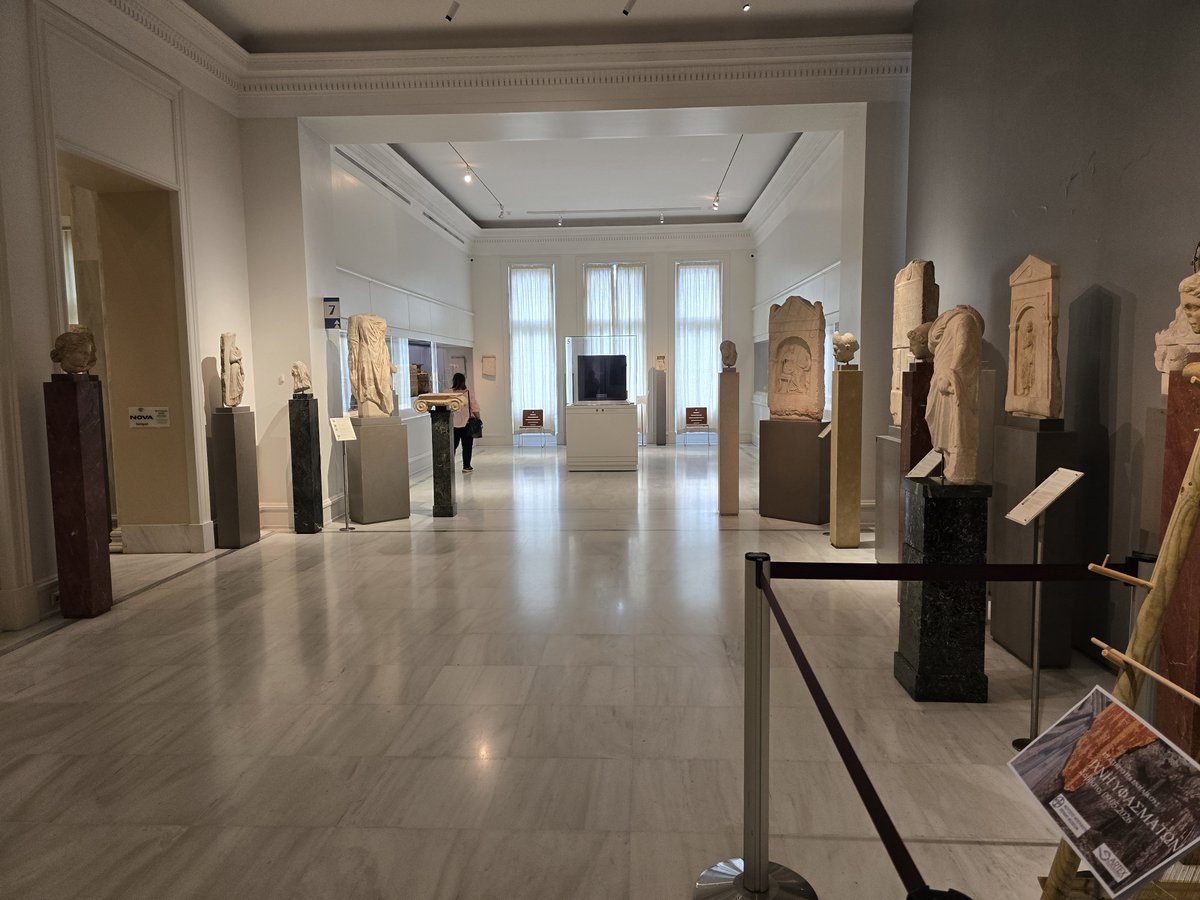
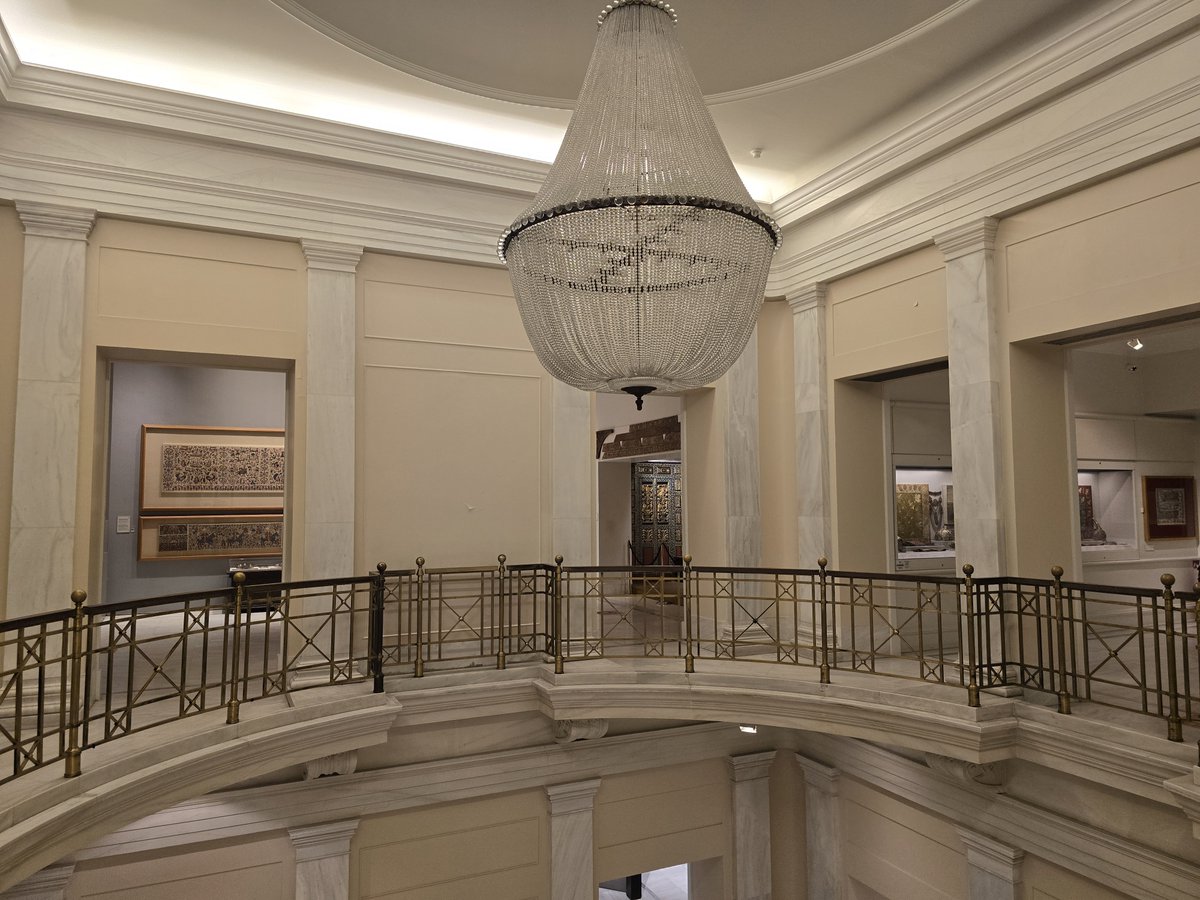
Benaki Museum, Athens
One of Athens’ premier cultural institutions and among the most important museums in Greece.
Housed in a beautiful neoclassical mansion (former Benaki family home) on Vasilissis Sofias Avenue, opposite the National Garden.
Founded in 1930 and opened in 1931 by Antonis Benakis (1873–1954), a Greek collector from Alexandria, Egypt, in memory of his father Emmanuel Benakis.
Donated to the Greek state; reopened in 2000 after major renovation as the Benaki Museum of Greek Culture.
Presents the continuous history of Greek culture from prehistory (6th millennium BC) to the 20th century — unique in its diachronic approach.
Over 6,000 objects on display across four floors (part of a much larger collection exceeding 100,000 artifacts).
Covers Prehistoric, Ancient Greek, Roman, Byzantine, Post-Byzantine, and Modern Greek periods.
1 Koumbari Street & Vas. Sofias Ave., Kolonaki, Athens.
This was carved from a single block of marble by a 23 year old in 1622.
Bernini turned stone into flesh...
The sculpture is called the Abduction of Proserpina, and it depicts the moment described in Ovid's Metamorphoses, when the goddess Proserpina was gathering flowers in a meadow and the earth opened beneath her. Pluto, king of the underworld, rose from the dark to take her.
Out of every instant in that abduction, Bernini chose the one when her feet leave the ground.
She is suspended in his arms. She is no longer in the world above, and not yet in the world below. Her left hand pushes desperately against Pluto's face. Her right is thrown back toward a sky she will never see again.
And where the god's fingers close around her thigh, the marble surrenders to them, dimpling inward as living flesh would, as though Bernini had reached the deepest secret of stone and discovered that it had always been waiting to give in.
He used to boast that in his hands, "marble became as impressionable as wax and as soft as dough."
On her right cheek, a single tear has been running for four hundred years...
The work was commissioned in 1621 by Cardinal Scipione Borghese, who wanted it as a showpiece for his own villa. He kept it for less than a year. In the summer of 1622, with a new pope newly elected, he gave it away as a political gift to the pope's nephew, Cardinal Ludovico Ludovisi. It disappeared into private hands for nearly three centuries.
The Italian state bought it back in 1908 and returned it to the room it had been made for. It has been there ever since.
I have stood in front of it, and I can tell you that nothing prepares you for the moment you actually see those fingers in her thigh. The marble seems alive and you forget, for a few seconds, that it is stone at all...
-- -- --
If you enjoyed this, I write a weekly newsletter read by over 50,000 people who love rediscovering the beauty of the past. You can join us here:
https://t.co/hgJUdR0jlx
If you'd like to support my work, a paid subscription is what makes it possible.
I remember reading about this breakthrough back in 1989 in one of the magazines I subscribed through a scholastic school subscription thingamajig, National Geographic, Life or Time Magazine, though I can’t recall which one.
If you pay attention to patterns the older you get the more it feels like we’re living in a real-life Twilight Zone, where the power brokers tightly control the flow of information as they kill us off one by one with afflictions and poisons, all while hiding the cures and treatments for the very ailments they inflicted us with.
Pistis Sophia (Greek for "Faith-Wisdom" or "Wisdom of Faith") is a major early Christian Gnostic text, likely composed in the 3rd or 4th century AD. It survives in a Coptic manuscript (the Askew Codex) discovered in 1773.
It takes the form of post-resurrection dialogues between the risen Jesus and his disciples (including Mary Magdalene, his mother Mary, Martha, and the apostles) on the Mount of Olives. Jesus teaches "higher mysteries" after eleven years of sharing only lower ones, revealing complex cosmologies, the soul's journey, repentance, and salvation through gnosis (esoteric spiritual knowledge).
Core Narrative: The Sophia Myth
The central story allegorizes the soul's fall, suffering, and redemption. Pistis Sophia, a divine emanation from the higher aeons (spiritual realms or zones of consciousness), longs for the supreme Light but is tricked by a false light from the "Self-Willed" (an archonic power). She falls from her place in the Thirteenth Aeon into chaos (the realm of disordered matter and suffering). There, she is tormented, stripped of light, and utters 13 repentances (poetic cries for help, often linked to Psalms). Jesus aids her, sending light-powers, eventually restoring her.
This myth parallels broader Gnostic themes: the soul's descent into materiality, its entrapment by archons (rulers of lower realms), and its ascent via divine compassion, repentance, and knowledge.
First Principles and Key Teachings
Gnosis and Mysteries:
Salvation comes through esoteric knowledge of cosmic hierarchies, light-powers, and "mysteries" (sacraments or initiatory rites). Jesus reveals layered realms—from the material world and aeons up to the Treasury of Light and the Ineffable First Mystery (the ultimate divine source). The text emphasizes progressive initiation.
Fall and Redemption: The soul (symbolized by Sophia) falls due to ignorant desire or transgression but can return through repentance (metanoia, a change of mind), faith/intuitional knowledge (pistis), and the Savior's intervention. This reflects a compassionate divine economy.
Cosmology and Dualism: A complex hierarchy exists with light vs. darkness, higher spiritual realms (Pleroma) vs. lower material/chaotic ones ruled by archons. Souls must navigate these after death, shedding impurities. Jesus traverses and masters these realms in his "garments of light."
Role of Jesus as Savior: Jesus is the pre-existent First Mystery/Savior who descends, ascends, defeats wicked powers, and imparts hidden teachings. He embodies cosmic redemption.
Faith-Wisdom: Pistis denotes intuitive or inner conviction (not mere belief), paired with Sophia (wisdom). The text blends them as essential for the soul's journey.
Ethical and Ritual Elements: It addresses overcoming carnal desires, purification, baptism, and inner transformation. Disciples (and figures like Mary Magdalene) actively interpret scriptures and mysteries.
The book is dense, symbolic, and initiatory—not for general audiences but for those seeking deeper esoteric insight. It influenced later esoteric traditions (e.g., Theosophy) as a map of consciousness expansion and the soul's pilgrimage from ignorance back to divine Light
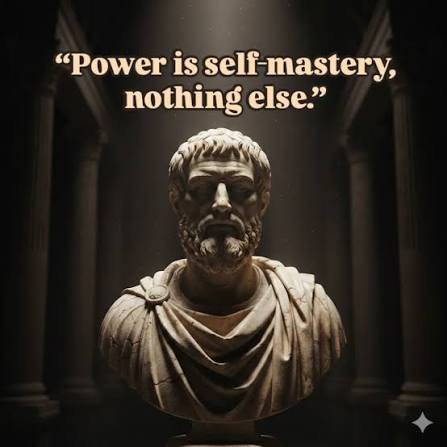
“The mark of true wisdom is to overcome all resistance by reason and self-mastery alone, not by force or anger.” — A Stoic Reflection on The Art of War