So my OLA electric scooter’s display is dead one morning. No physical damage, just stoped working 20 days after the warranty expires.
And now consumers are expected to pay 13K to repair this terrible vehicle. Worst service and product ever. @OlaElectric
@KamalapurShrey @allaboutbelgaum Hubbali flyover is required for the dedicated bus lanes it has. Reasonable to build flyovers.
Belgaum needs more public transport instead of more concrete laid
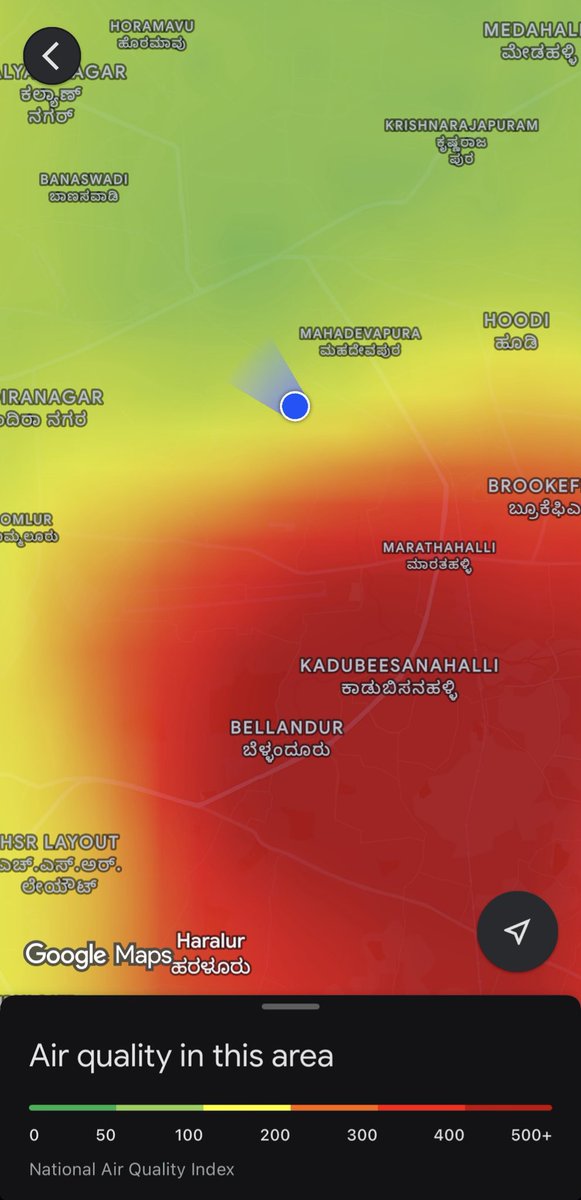
@allaboutbelgaum@karnatakakspcb@deobelagavi@MarvelousBgm The air is bad for sensitive groups even by Indian scale. The AQI trend for the past five years shows our air is worsening by 20% each year.
How is the pollution control board responding to this data
Karnataka Govt is obsessed with making tunnels - even though the cost is exorbitant and proven to not really alleviate traffic.
Yesterday, despite Finance Department of GoK flagging multiple issues, the state Cabinet has approved the 2.2 kilometre short tunnel road project from Veterinary College, Hebbal to Mekhri Circle at ₹ 2,215 crore. Under the Congress government, urban planning and development has become a budget maximisation affair marked by duplication of efforts and lack of coordination.
The Finance Department had specifically suggested that a surface road could be built at one tenth of the expenditure. Further, the Department identified several issues, including conflicts in integration and utility conflict between the north to south tunnel and the short tunnel, ambiguity in the funding mechanism, and a lack of supporting evidence from experts. Yet, the Siddaramaiah Govt is pushing ahead with this project.
The arbitrary decision making of the Congress is turning governance into an unpredictable process that lacks transparency and accountability.
Bengaluru Deserves Better.
https://t.co/1rpSI4LHNf
The criminalisation of marital rape is an urgent necessity in India’s legal framework. I introduced my Private Member’s Bill today to amend the Bharatiya Nyaya Sanhita and remove the marital rape exception, reaffirming that marriage cannot negate the woman’s right to grant or deny consent. India must uphold its constitutional values and move from ‘No Means No’ to ‘Only Yes Means Yes,'. Every woman deserves the fundamental right to bodily autonomy and dignity within marriage, protections our legal system fails to provide. Marital rape is not about marriage but about violence. The moment for action has arrived.
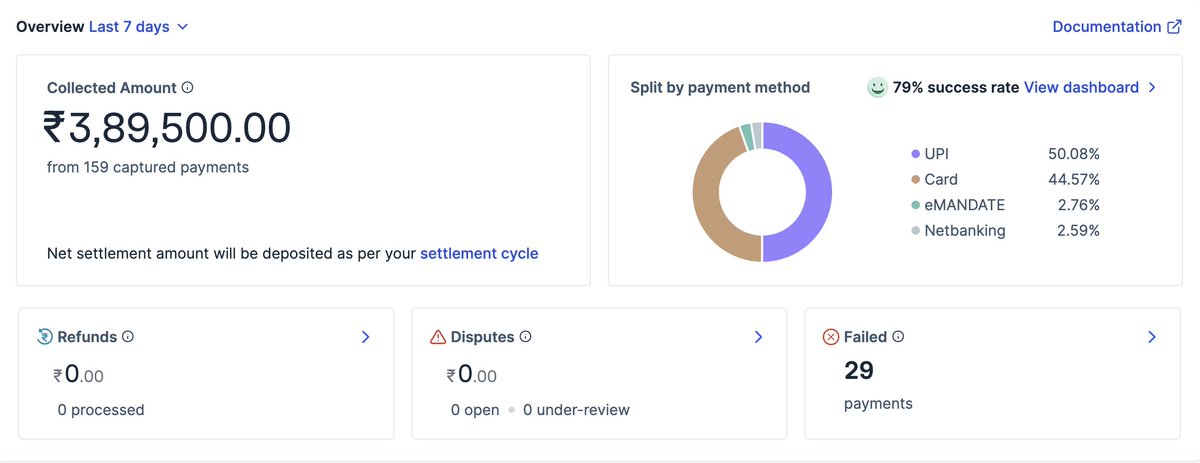
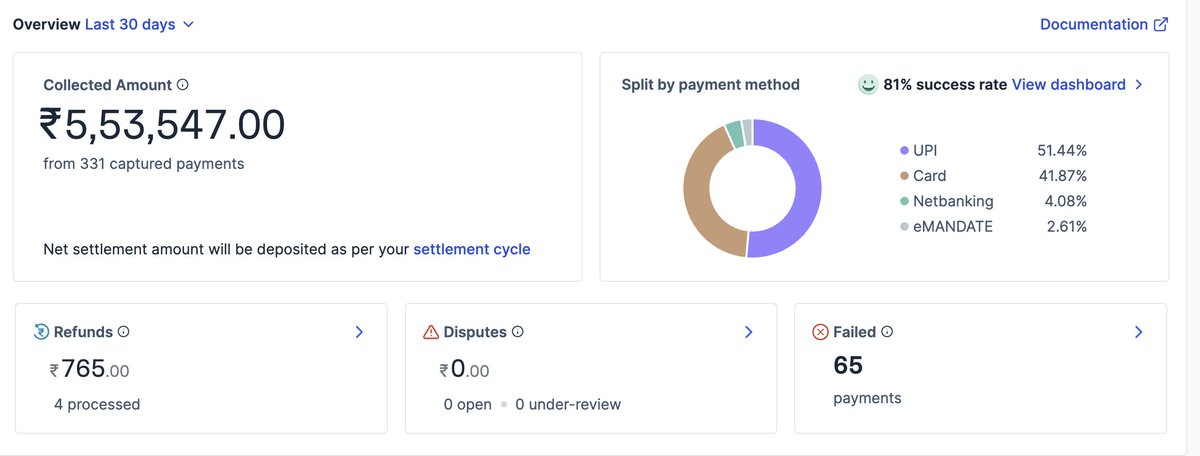
Folks, we talk a lot about donations and ask you to chip in from a place of genuine need. We are truly grateful for all the love and support. Increased interest has brought in about ₹3,89,500 in donations, and over the last thirty days our total donations were just ₹5,53,547.
Do not get us wrong. It is heartening, but it still falls well short of our monthly costs. For example, in November we spent ₹8,34,169 while receiving only ₹2,70,654. This gap is often covered by fundraisers (like Krupa’s birthday fundraiser) and by larger donors through yearly gifts, but it still creates financial insecurity and makes our work harder in many ways. Some months, we also work on issues that are critical but do not get as much visibility as Sanchar Saathi.
We do a lot more than tweet (which we also take very seriously), like filing literally hundreds of RTIs, dozens of cases for strategic reforms and participating in public consultations to represent the ordinary India. Truly, to fight for our constitutional values as our world gets more digitised.
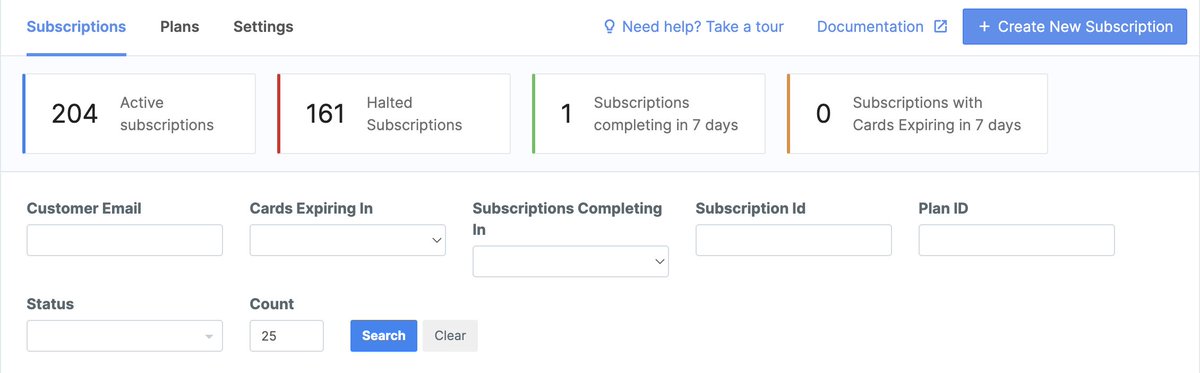
IFF needs sustainable forms of funding from Indians like you so we can grow to match the range of challenges to our digital rights. You can help by chipping in today, signing up as a member (we just have 204 right now), or setting up a monthly or a yearly mandate. Please do circulate this post and help us.
Donate: https://t.co/LV0gywxVtJ
Email: [email protected]
Statement
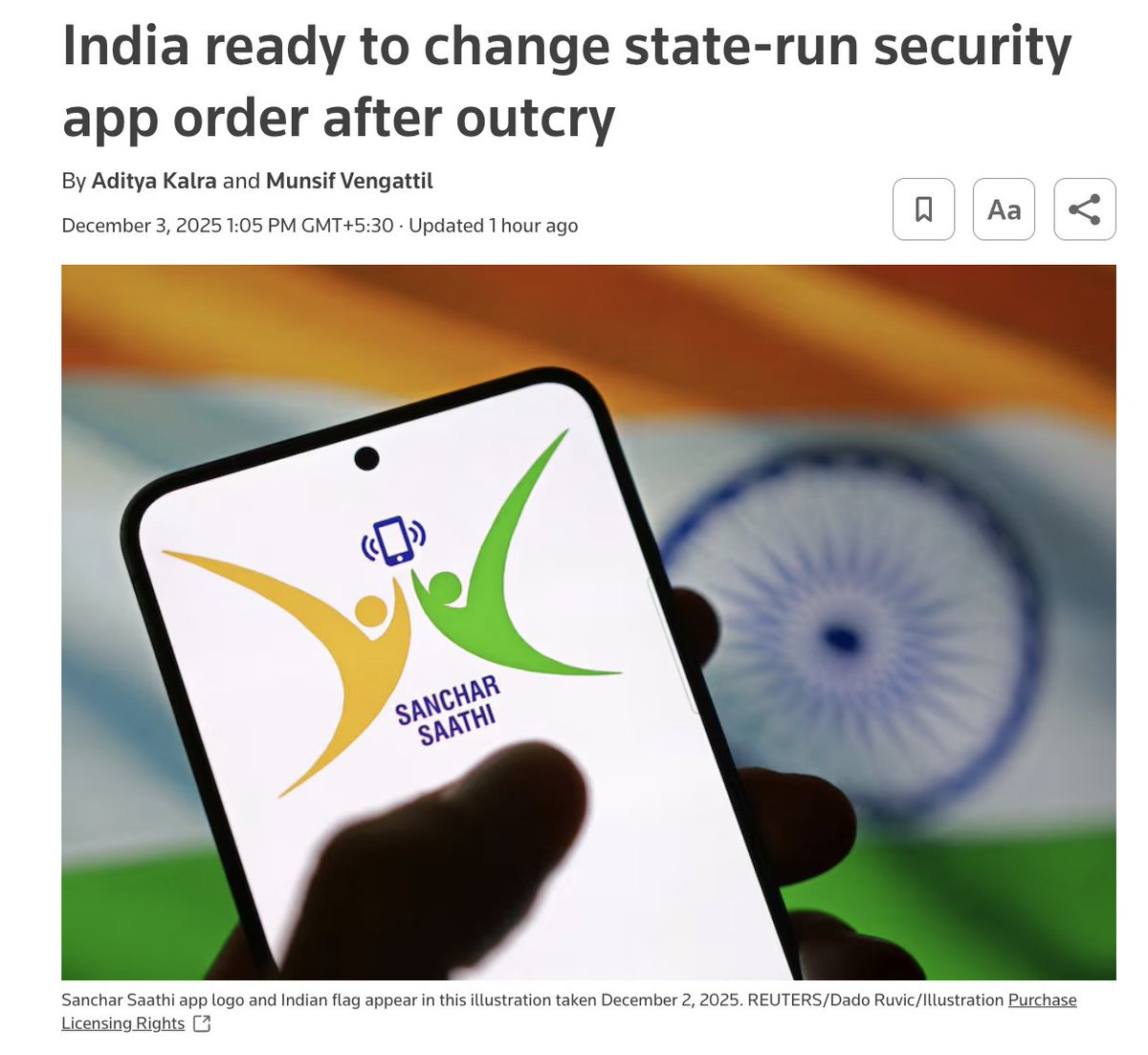
The PIB has just issued a statement at 3:00 PM on December 3, 2025 that the government will not make pre-installation of the Sanchar Saathi app mandatory for mobile manufacturers. This is a welcome development, but we are still awaiting the full text of the legal order that should accompany this announcement, including any revised directions under the Cyber Security Rules, 2024.
Everyone who raised their voice, reported on the issue, or pushed back against this mandate deserves credit for bringing us to this point. For now, we should treat this as cautious optimism, not closure, until the formal legal direction is published and independently confirmed.
https://t.co/ioXu9EUD61
Factcheck : This clarification is incorrect. The direction clearly states in Paragraph 7(b) which states that Sanchar Sathi cannot be, "disabled or restricted".
IFF's statement : https://t.co/ClQFUNi4Zh
My reason for being (sort of) ok with big techs having your data but not the state is very simple:
Big techs cannot send you to jail based on the data they have on you.
The state can.
IFF's Statement on the Sanchar Saathi App Pre-Installation Directive
The Department of Telecommunications (DoT), specifically its AI & Digital Intelligence Unit (AI & DIU) on 21st November, 2024 has under the Telecommunications (Telecom Cyber Security) Rules, 2024 issued a sweeping Direction mandating the pre-installation of the Sanchar Saathi mobile application on all mobile handsets manufactured or imported for use in India. As a preliminary matter the DoT has yet to by itself disclose the full text of the direction. Initial reports by Reuters revealed it's existence and subsequently it's full text was disclosed by Medianama which form the basis of our statement, which will be followed up by RTI, analysis as well as steps, if required to support a challenge to it in a court of law.
The direction by requiring manufacturers and importers of mobile handsets to pre-install the Sanchar Saathi App represents a sharp and deeply worrying expansion of executive control over personal digital devices. The stated objective of curbing IMEI fraud and improving telecom security is, on its face, a legitimate state aim. But the means chosen are disproportionate, legally fragile, and structurally hostile to user privacy and autonomy. Clause 7(b) is the clearest expression of this. It requires that the pre-installed Sanchar Saathi application be “readily visible” and that, “its functionalities are not disabled or restricted.” In plain terms, this converts every smartphone sold in India into a vessel for state mandated software that the user cannot meaningfully refuse, control, or remove. For this to work in practice, the app will almost certainly need system level or root level access, similar to carrier or OEM system apps, so that it cannot be disabled. That design choice erodes the protections that normally prevent one app from peering into the data of others, and turns Sanchar Saathi into a permanent, non-consensual point of access sitting inside the operating system of every Indian smartphone user.
Viewed through the lens of the Supreme Court’s judgment in K.S. Puttaswamy (2017) that reaffirmed the fundamental right to privacy, this structure cannot pass the proportionality test. K.S. Puttaswamy requires that any intrusion into the right to privacy must meet the standards of legality, necessity, and proportionality. Even if we assume legality and necessity for the limited purpose of checking the genuineness of devices, the order clearly stumbles on proportionality. The government’s own ecosystem already offers less intrusive means to verify IMEI numbers and detect fake handsets such as the Sanchar Saathi web portal, SMS-based KYM (Know Your Mobile) services, and USSD codes all allow a user to perform this task without a permanent app baked into the firmware. There is no technical explanation in the order for why a one-time or occasional verification exercise justifies a resident, non-removable application with elevated privileges that lives on the phone for the lifetime of the device. Forcing a permanent app installation for a sporadic verification function is not a marginal overreach; it is a textbook example of disproportionate state action under the Puttaswamy standard.
The problems deepen when we look at the scope and safeguards. The order invokes “telecom cyber security” as a catch all justification, but it does not define the functional perimeter of the app. Clause 5 of the Directions refers to identifying acts that “endanger telecom cyber security,” an expression so vague that it invites function creep as a design feature, not a bug. Today, the app may be framed as a benign IMEI checker. Tomorrow, through a server side update, it could be repurposed for client side scanning for “banned” applications, flag VPN usage, correlate SIM activity, or trawl SMS logs in the name of fraud detection. Nothing in the order constrains these possibilities. In effect, the state is asking every smartphone user in India to accept an open ended, updatable surveillance capability on their primary personal device, and to do so without the basic guardrails that a constitutional democracy should insist on as a matter of course. IFF is deeply concerned with this direction that sets up a precedent to enforce client side scanning on all smartphones in India and calls for its recall.
As a first step we have filed a RTI with the Department of Telecom not only for a copy of this direction/order but also the underlying justification on how and why it was issued. We will fight this direction till it is rescinded.