Security called me at 6:12 AM today.
"Patch every PHP server immediately."
I asked what happened.
"Two critical vulnerabilities. Remote code execution. No authentication required."
Cool.
How many PHP servers do we have?
According to inventory: 12
According to reality:
Nobody knows.
We found one running WordPress.
Three running old internal tools.
One under someone's desk.
Two inside vendor appliances.
A forgotten employee directory from 2016.
And a server named:
PHP-OLD-DO-NOT-TOUCH
Naturally, that one runs payroll exports.
Then we found a PHP 5.6 box.
I asked who owned it.
The documentation said:
BRIAN.
Brian left in 2019.
We called Brian.
He said:
"Oh wow, that's still running?"
Excellent.
By 8 AM, leadership joined the incident call.
CEO:
"Can hackers actually get in?"
Security:
"Potentially yes."
CEO:
"Without a password?"
Security:
"Yes."
CEO:
"Then why do WE need passwords?"
Not the lesson.
Finance asked if we could wait until the weekend to patch because downtime affects revenue.
Security explained that the alternative was letting strangers execute code on our servers.
Finance asked for a cost comparison.
At 9:17, someone suggested temporarily taking the vulnerable websites offline.
Marketing refused.
"Our campaign is live."
So for the next hour, the company officially decided maintaining a landing page for 20% off webinar registration was more important than preventing remote server takeover.
We finally patched everything we could find.
Then our scanner discovered another PHP server.
Hostname:
TEMP-PHP-2014
Uptime:
4,512 days.
Nobody knows what it does.
Nobody owns it.
Nobody can shut it down.
But every time we block network access, the warehouse stops printing shipping labels.
Security has classified it as critical infrastructure.
It is running PHP 5.4.
The vulnerability has existed longer than half our employees.
The emergency patch took four hours.
Finding out what PHP actually runs took eleven.
The internet isn't held together with code.
It's held together with servers everyone is afraid to turn off.
Are SEOs actually scared AI will take their jobs?
Rather than guess, I want data.
I’m surveying SEO/search professionals about AI, job security, career anxiety, and how sentiment has changed over the past year.
6 questions. <5 minutes. Anonymous.
Take it + please RT with your network.
https://t.co/aImP65QAUx
@inspiredtaste@rustybrick@JohnMu /2
- If the old version of the image is still being hosted, delete it.
- I had a collab with ChatGPT and came up with many ideas. Please review; It summarized at the bottom for you, but there's good stuff throughout.
Feel free to ask followup questions.
https://t.co/XCtLbMrf3J
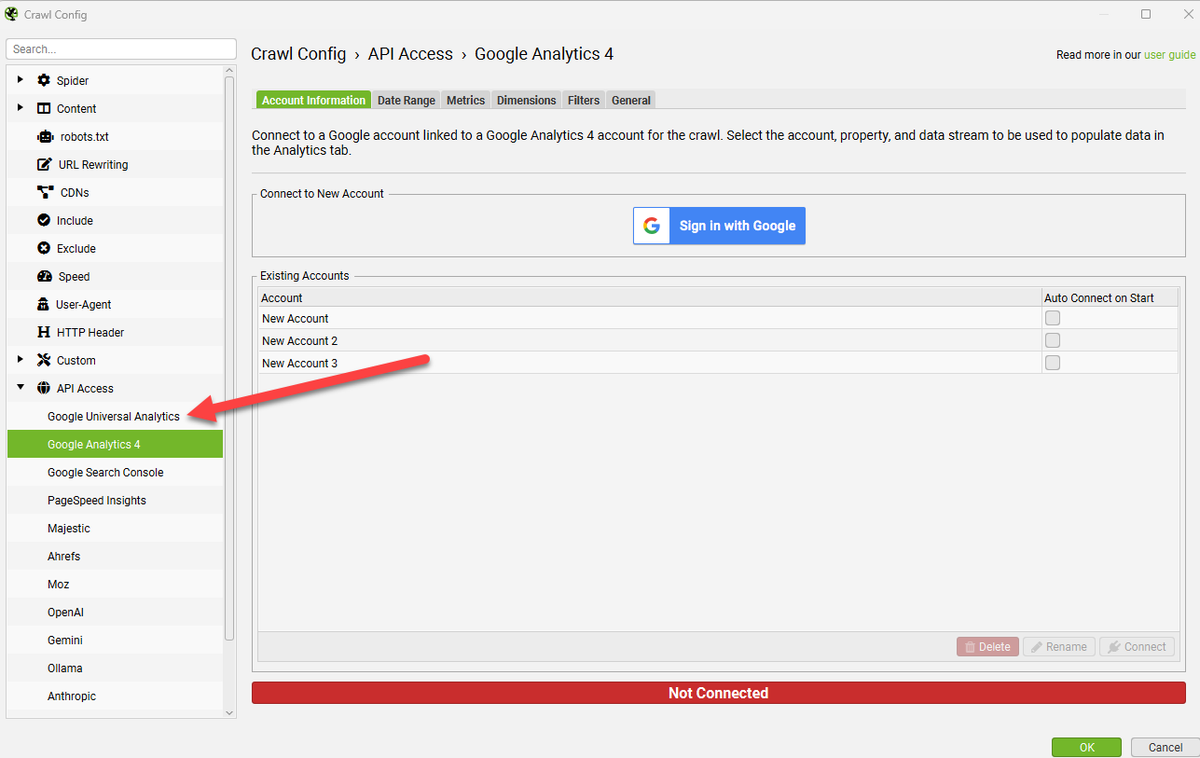
@screamingfrog Not that it's a big deal or anything, but why haven't you phased out the Google Universal Analytics API access in crawl config? Seems like the thing to do.
Hey friends! I thought this analytics setup be useful. It walks you through how to track visitors who click on text that's _underlined_ but does not have a hyperlink anchor. It's step by step, with tons of visuals for both Google Tag Manager and also GA4.
https://t.co/buNMMR9jeH