📣NEW BLOG POST:
Astonishing 97% survival rate in men with low- & intermediate-risk #prostatecancer - latest findings from the ProtecT trial🔎
➡Implications for treatment decisions
➡Importance of informed, shared decision-making
Read👉 https://t.co/S0UMFtGFWa
#MarchTheMonth
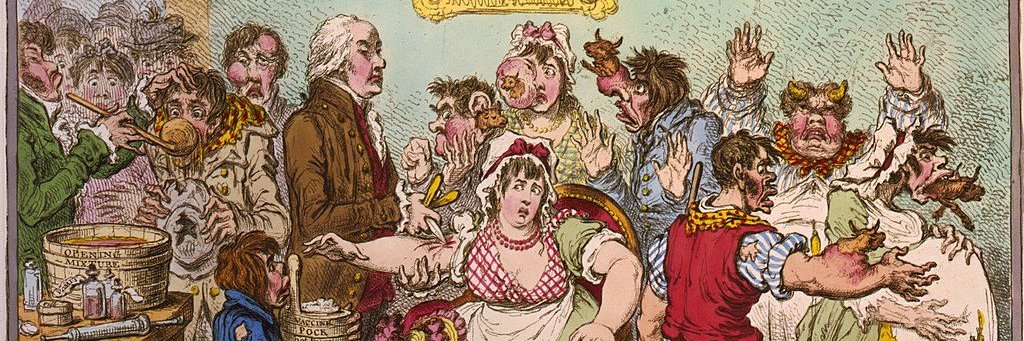
‘The tragedy of thousands who need not die’...Today on the blog, guest author @scarlett_dargan takes us through the fascinating history of how #cervicalscreening evolved in #England.
Read: https://t.co/4cmkftYDyN
What do #UK women think about personalised breast #cancer risk assessments and risk-stratified #breastscreening?
Charlotte Kelley-Jones explains her research interviewing women from a variety of backgrounds on this novel approach. Read: https://t.co/WVzFx0UoW8
@BreastCancerNow
As the government aims to 'Level up' the UK, what could this mean for #cancer screening & prevention?
Is it possible to not only #BuildBackBetter, but also to build back fairer? Find out on the blog: https://t.co/fcybmUfgIa
@marmotihe@CRUK_Policy@icon_lshtm
#Primarycare remote consultations saw frequent use during #COVID19, but how can we ensure they are effective in a post #pandemic world?
In this blog, @RosieBrade outlines how remote consultations could play a part in improving #cancer#earlydiagnosis - https://t.co/Hpm9XeBknt
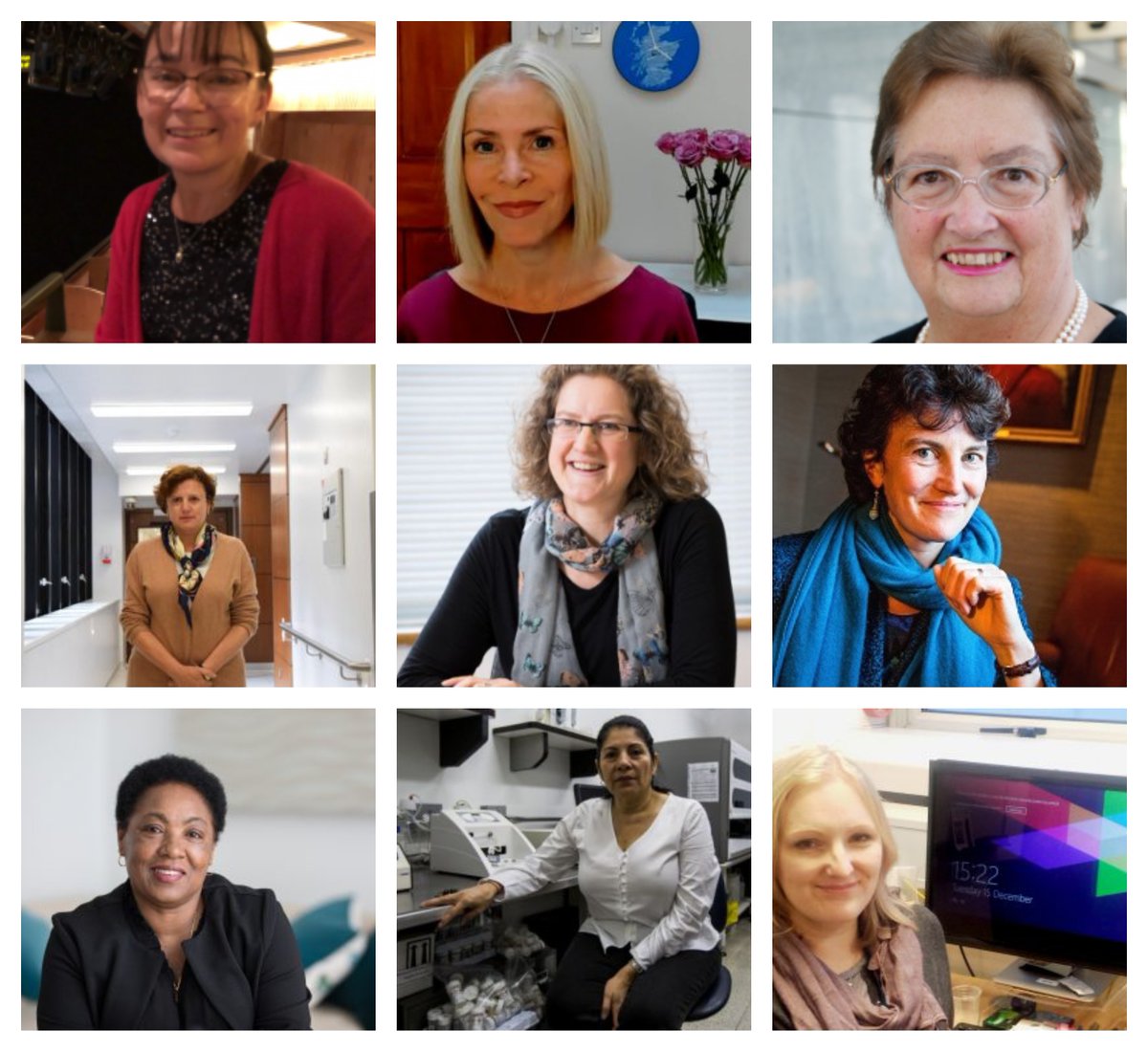
Happy #WomeninScienceDay! We're proud to have interviewed so many brilliant women scientists throughout the years - read their stories on our blog: https://t.co/YgpOmwmsAG
#WomenInScience
"We need to work together to ensure screening & information about symptoms of #gynaecancers are available and target women who are difficult to reach."
For #WorldCancerDay, @maddierbaker spoke to Rachel Baker, Gynae #Cancer CNS at @KingstonHospNHS. Read: https://t.co/HeB3XDQWDh
The recent change to #Welsh#cervicalscreening intervals has generated some controversy. What influences the acceptability of a change to screening intervals - and how can we improve it?
@Jo_WallerKCL & @LauraMarlowKCL investigate on the blog: https://t.co/53aomNLvEK
On New Year's Day 2022, #Wales introduced a change to the #CervicalScreening programme, increasing the interval in which women are invited for #HPVtesting from every 3 years to every 5 years.
We want to explain the scientific evidence behind this change: https://t.co/L2xKVKMqef
"We have the technology to prevent thousands more #cancers than we do today. #Prevention is better than cure - get tested to see if you are at increased risk for cancer.”
Great advice from @ProfManchanda. Read the full interview, now on the blog: https://t.co/wPiJ9GHWi9
It's that time of year again - we've rounded up 15 of our best publications from the last year.
With everything from #HPVVaccination to #COVID19 to #Breastscreening, we hope there's something you'll get into over this festive period!
Read: https://t.co/ncAN3XK5Ix
'Like Angelina Jolie, but three years earlier and with less press coverage.'
This week, we talk to @GilaPfeffer, 13-year breast cancer survivor and previvor, about #BRCA Genes, #breastcancer awareness, and beach balls. Now on the blog: https://t.co/Gi3OdVCxxc
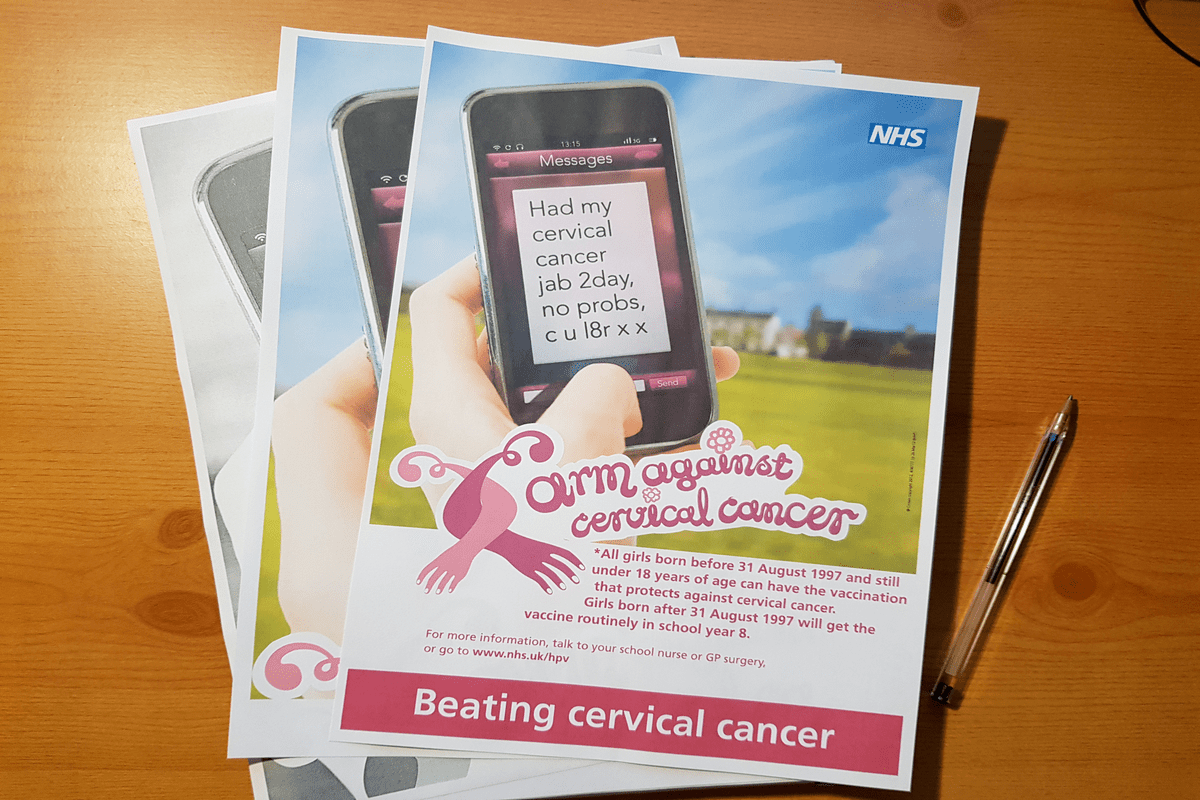
#HPVvaccination has reduced #cervicalcancer incidence by 87% in England. But what role has behavioural science played in the story?
In this blog, @Jo_WallerKCL & @LauraMarlowKCL reflect on the wealth of behavioural science behind the vaccine's rollout. https://t.co/Q1sc8Msub8