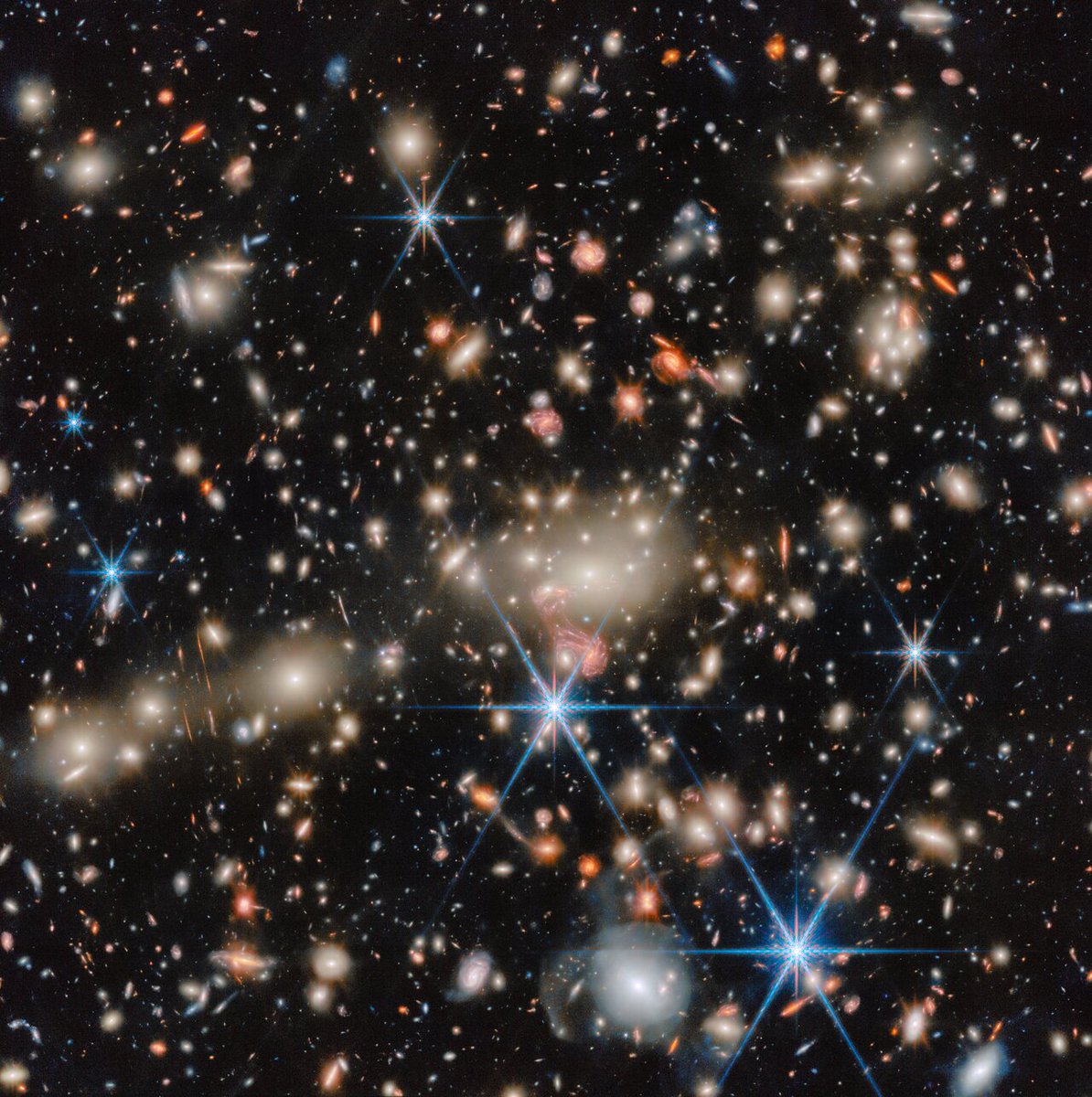
Galaxy cluster formation is a messy process! Webb captured the formation of this young galaxy cluster in progress. Its two-sub-clusters have slammed through each other and travelled over a million light-years apart, repeating this process until they finally merge.
July 12th is Webb’s 4th science anniversary!
When we dive deeper into the familiar galaxy Centaurus A, our view becomes richer and stranger— a vivid record of cosmic history.
https://t.co/lUTv8fE451
Gonna shine across that sky 🎶
In the infrared, Webb reveals bright protostars flowering from within the thick dust of the FS Tau star system. Set against a tapestry of background galaxies, this star-forming nebula is home to baby stars. https://t.co/5iBJPkLfCi
Don’t let anyone dull your shine 💫
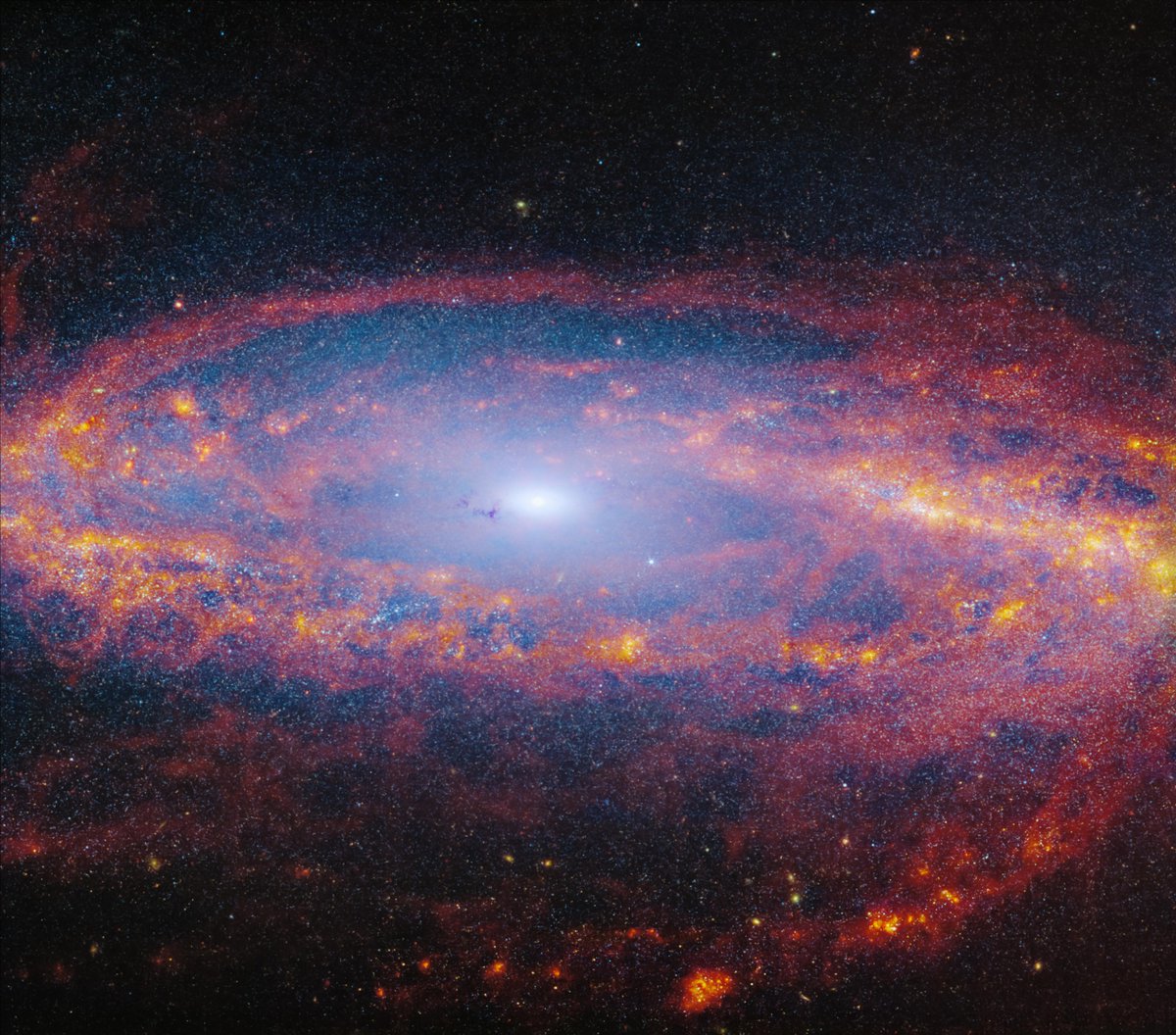
The heart of galaxy M77 nearly outshines the galaxy itself in this mid-infrared Webb image. Gas rapidly orbits the central black hole, heating up, and radiating light. https://t.co/LDOGmXEytb
Is it just me or is that galaxy getting closer? 👀
M90 (NGC 4569), shown here in this new Webb image, is indeed getting closer! Its orbit through the Virgo cluster has accelerated so much that M90 is in the process of escaping the cluster entirely and is moving in our direction.
Webb captured this new image of galaxy Messier 58, in both the near and mid-infrared, as part of a treasury of 55 massive, star-forming galaxies. The data on the properties of these galaxies will add insight to our picture of how galaxies grow and evolve over cosmic time.
Webb may showcase the beauty of deep space objects, but it also plays a strong role in planetary defense applications.
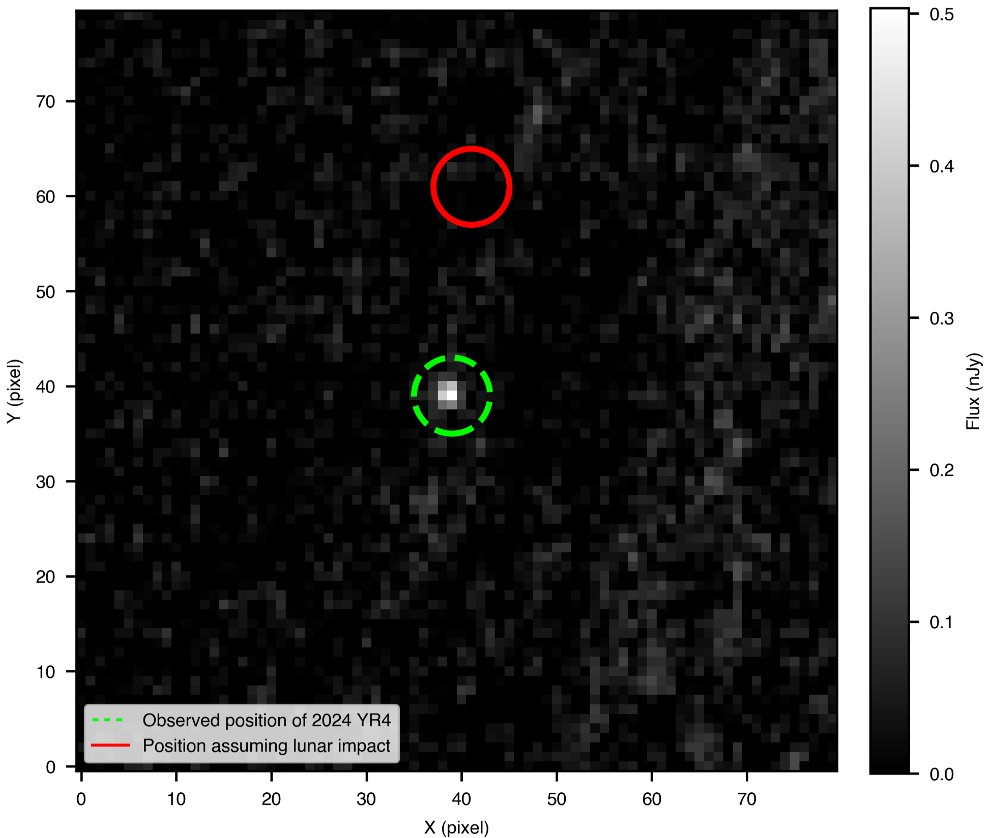
Using Webb observations, experts accurately measured the size and orbit of asteroid 2024 YR4 and confirmed it will not impact our Moon in 2032. https://t.co/yUKXte5u36
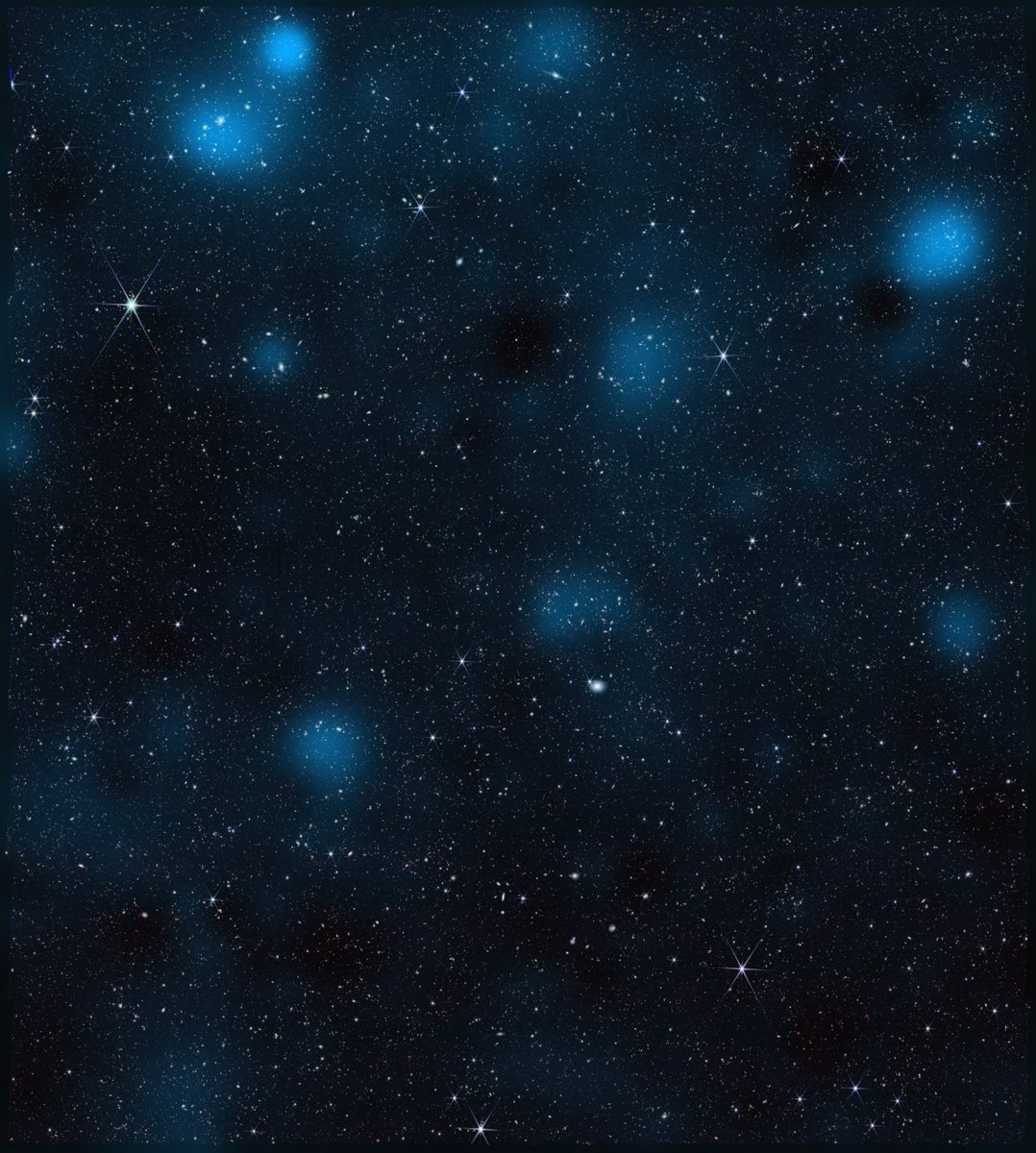
If it’s invisible, how do you map it and why does it *matter*?
Using Webb data, researchers mapped locations of dark matter (shown in blue) across a field of nearly 800,000 galaxies.
https://t.co/F9vqhI6v86
A brain-new image from Webb! 🧠
What looks like a brain is actually a dying star blowing off a shell of gas, and within that shell, a cloud of various gases. The dark lane that divides its “hemispheres” may be related to an outflow from the central star.
https://t.co/8nsbVh0EKg
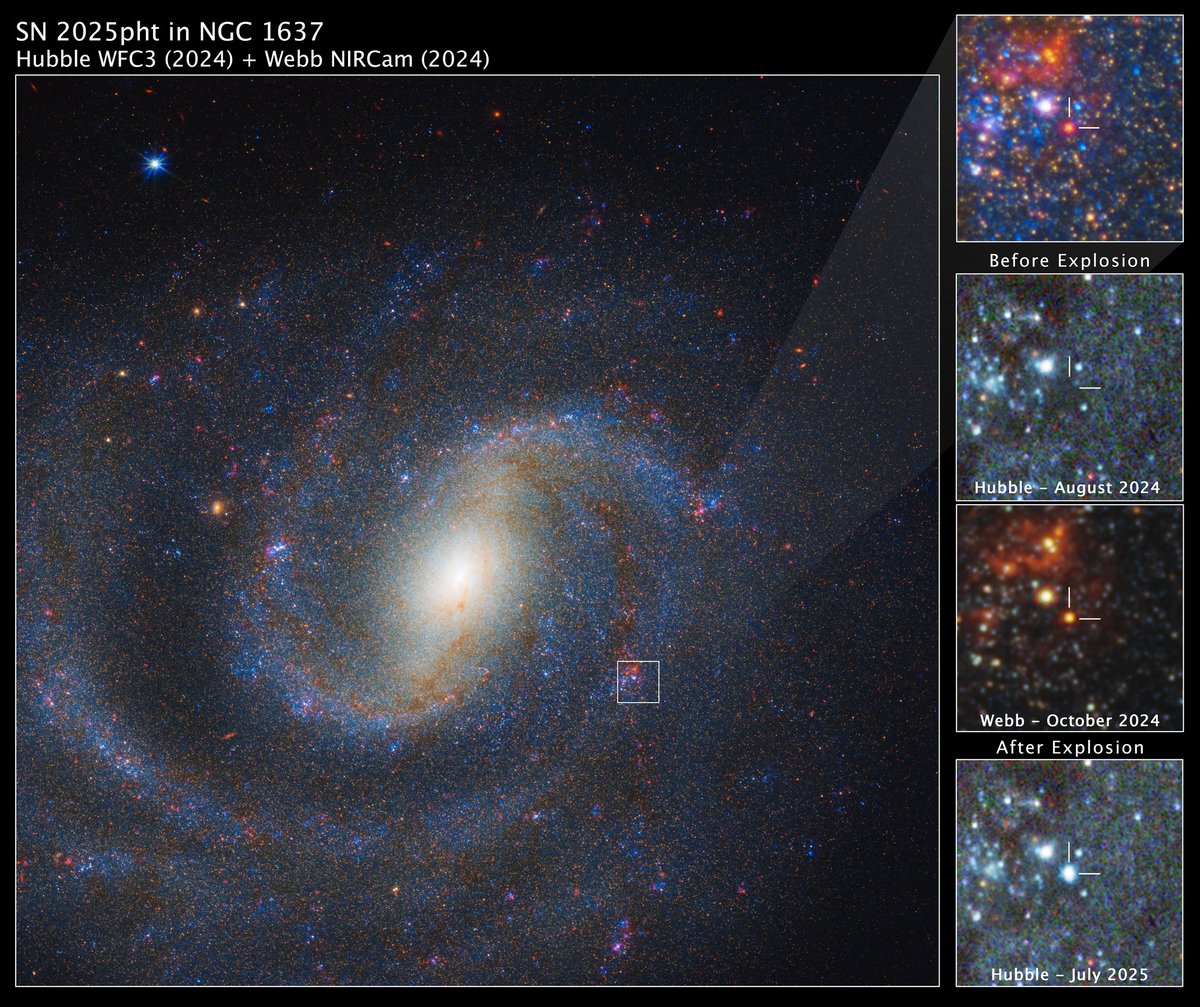
What if you could go back in time and see a star just before it goes supernova? Archives of telescope data are essentially letting astronomers do just that. 🧵 👇 https://t.co/5DQN9l2v8Q
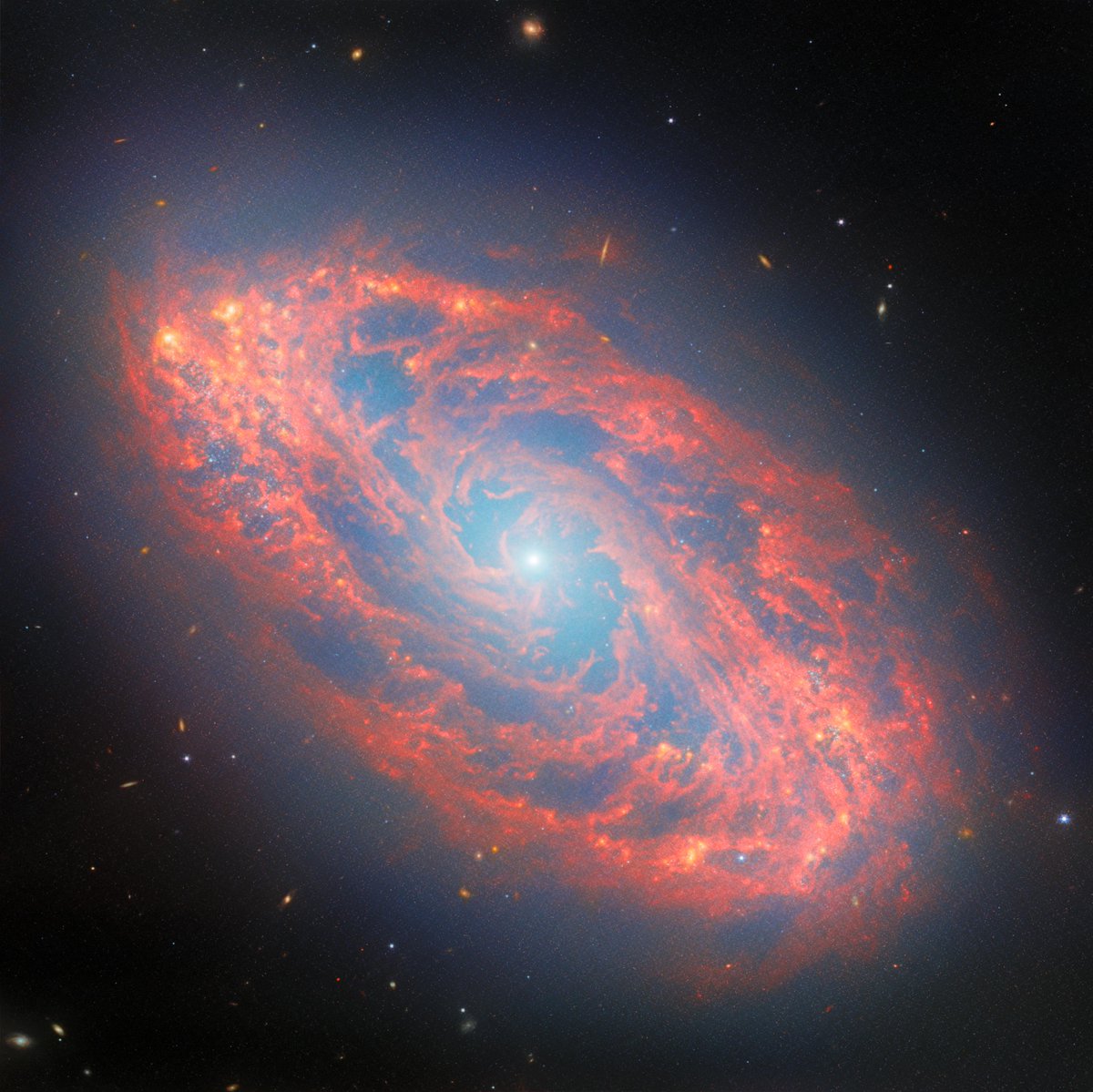
Light from the age of the dinosaurs 🦖
The light that Webb collected to create this image has been journeying to us from spiral galaxy NGC 5134 for 65 million years, or since soon after Tyrannosaurus rex went extinct!
https://t.co/OycR8tv6Gt
Hey, hey, it’s everyone’s favorite 7th planet from the Sun!
Webb has provided us with the first vertical view of Uranus’s ionosphere, revealing auroras shaped by its tilted magnetic field.
https://t.co/Vckrp5d39X
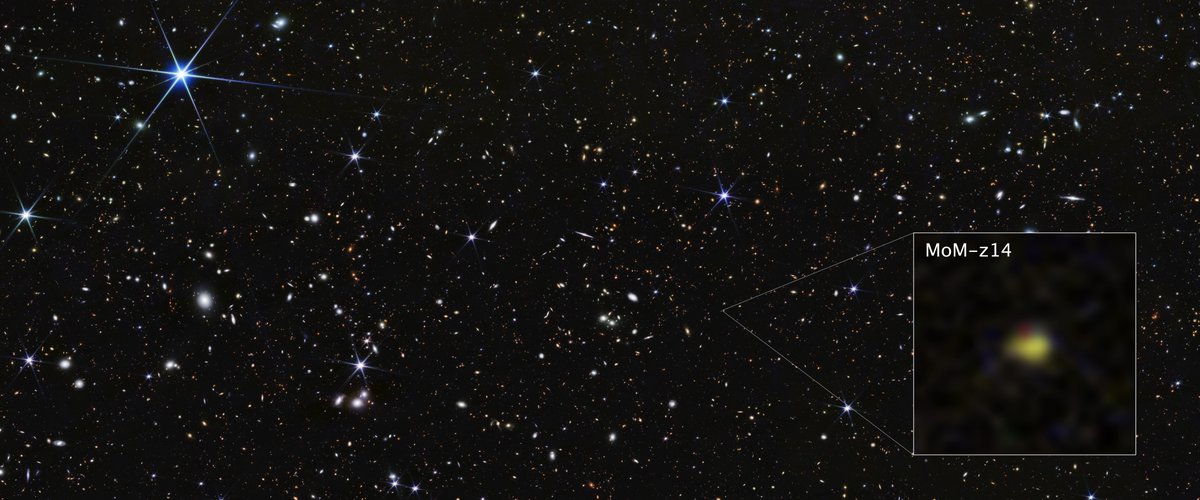
Meet our current record holder for farthest galaxy ever seen (so far!!)
MoM-z14 may look like a little yellow smudge here, but it's our first view of a galaxy that existed just 280 million years after the big bang!
https://t.co/RseTsVfbLm
There are over 300 confirmed galaxies (and potentially hundreds more) gravitationally bound together in this galaxy cluster, shown by Webb. At its center are elliptical galaxies that dominate the cluster with their immense gravity.
https://t.co/KFnrNKU44z
Go with the (silicate) flow
Webb’s observations of the protostar EC 53 uncovered long sought evidence to explain why comets at the edge of our solar system contain crystalline silicates, a common ingredient found on Earth.
https://t.co/w4D5gDmpMq
Galactic upcycling ♻️
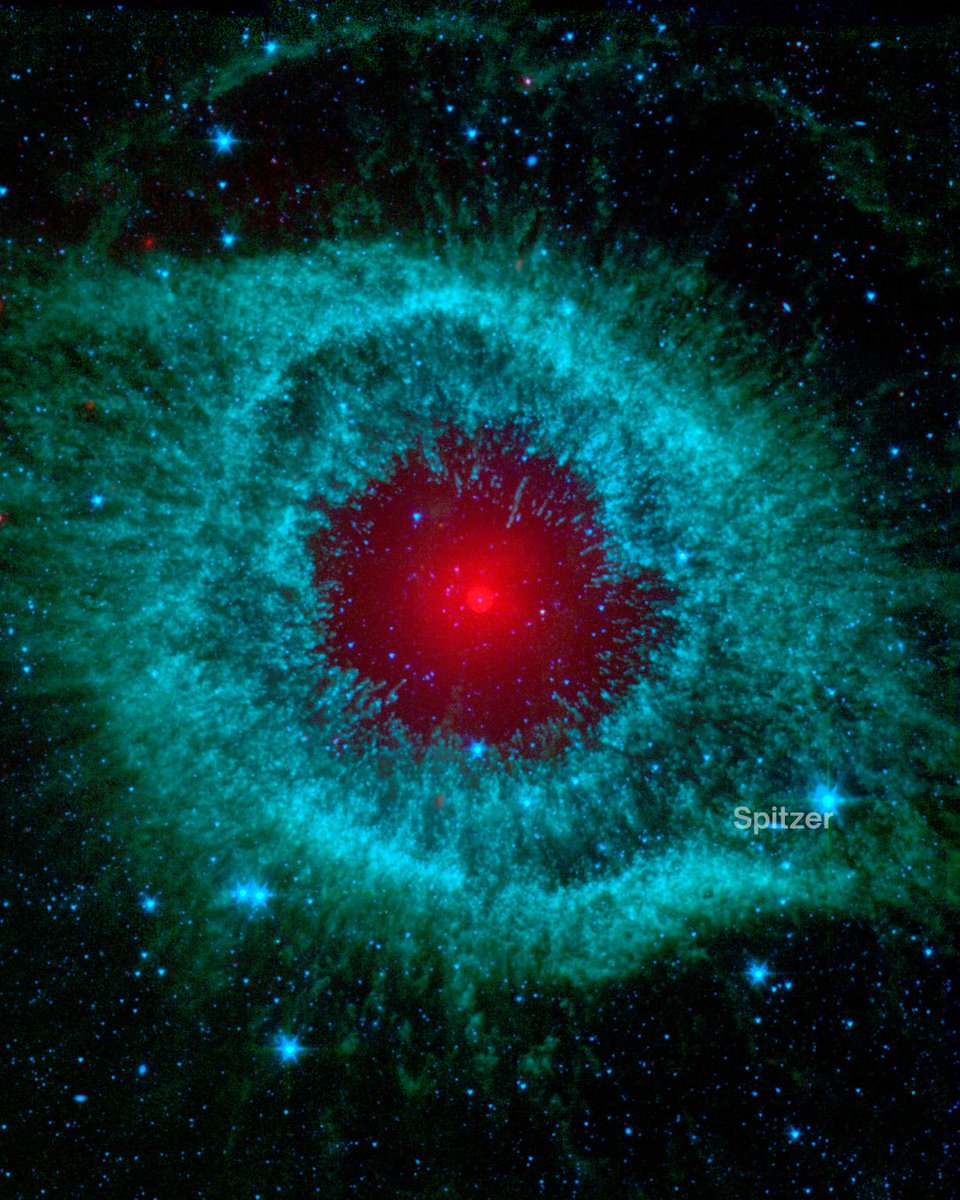
Webb captured a new close-up of an old favorite, the Helix Nebula. We’ve seen this region before with telescopes like @NASAHubble and the retired Spitzer Space Telescope, but Webb zooms into this dying star with a deeper, more detailed view.
https://t.co/gRfeLwZ5Og
Oh, the lights are shining so brightly everywhere ✨
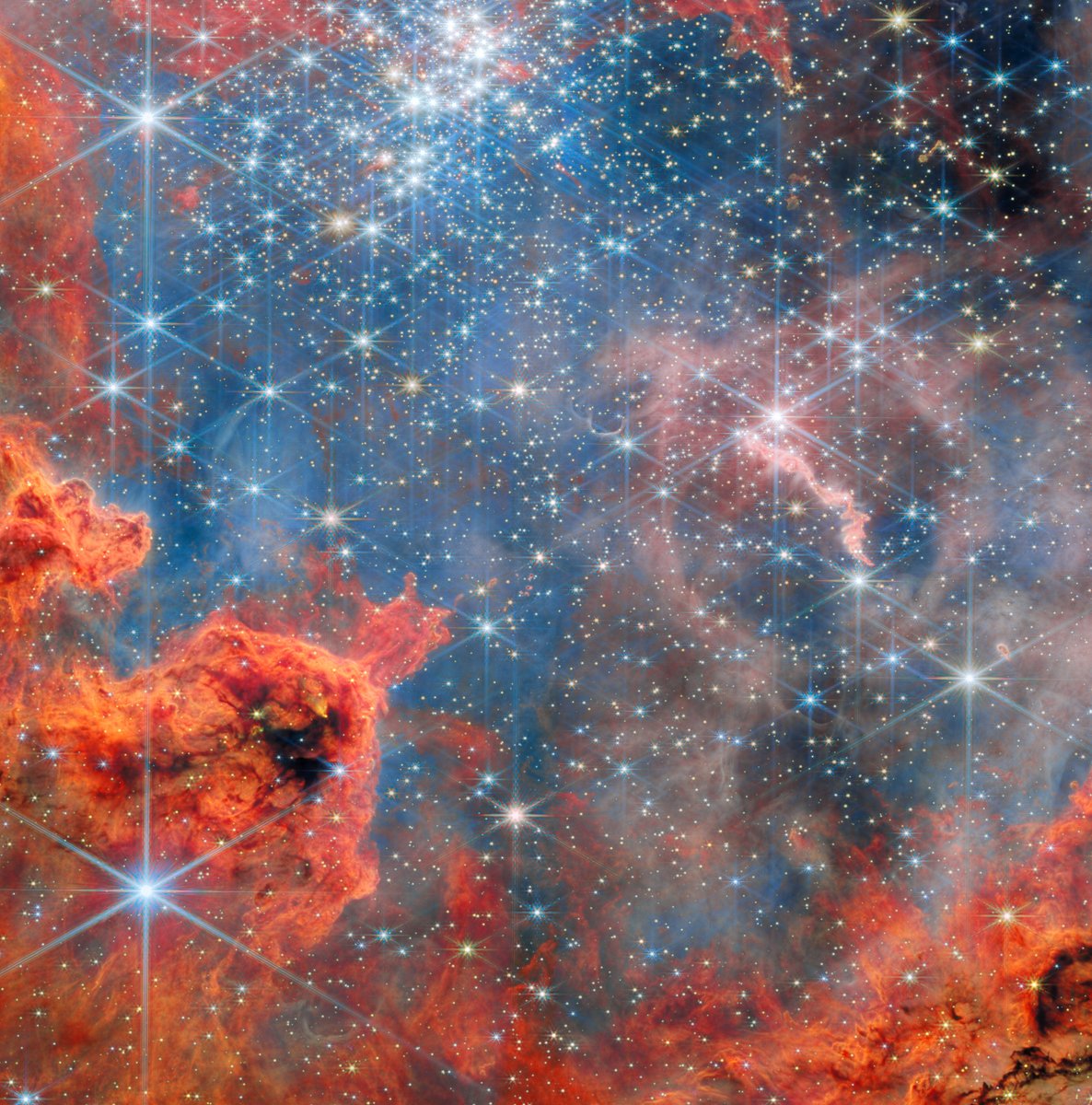
As we wrap up 2025, Webb captured a star-studded glimpse into Westerlund 2, a cosmic nursery that reminds us to look forward to the beauty of new beginnings.
https://t.co/VtYQvsCGc1
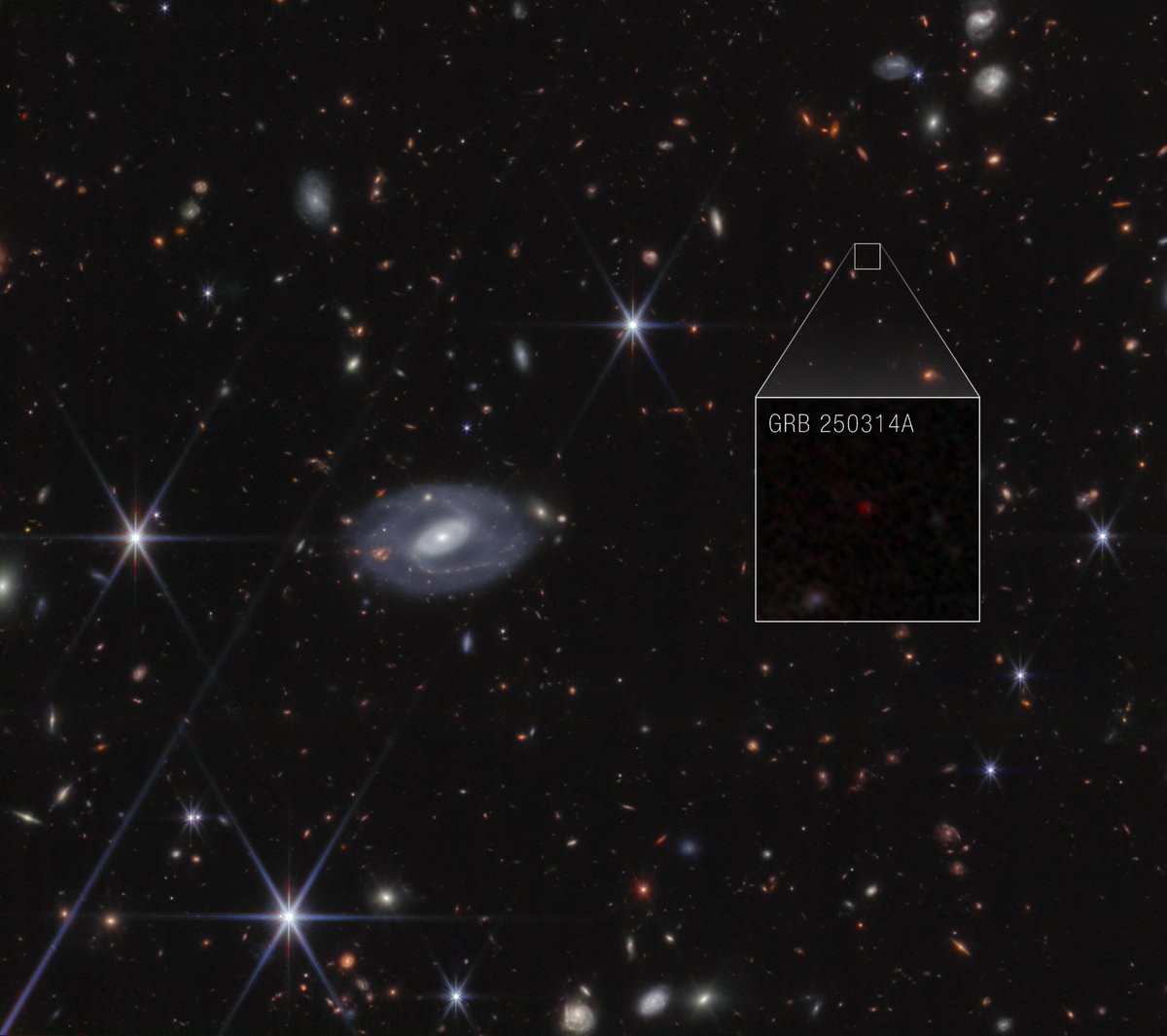
Webb confirmed the earliest supernova to date; this dying star exploded when the universe was only 730 million years old. Webb’s sharp infrared capability also allowed astronomers to locate the supernova’s very faint and distant host galaxy. https://t.co/lgDPtZfkc7
Webb took a look at this pair of nearby interacting dwarf galaxies, giving us a peek at the types of galaxy interactions that were likely common billions of years ago.
Read more: https://t.co/vYWBN0r3I3











![kari2030's tweet photo. [다누리 LUTI가 촬영한 Jackson Crater]
다누리의 고해상도카메라(LUTI)가
달의 뒷면 잭슨 크레이터(Jackson Crater)를 촬영했습니다!
다누리는 달 궤도에서 정밀 관측을 이어가고 있습니다. 🙂
#한국항공우주연구원 #항우연 #KARI #다누리 https://t.co/uIqJvweWyX](https://pbs.twimg.com/media/G867Vx3agAUD_0V.jpg)