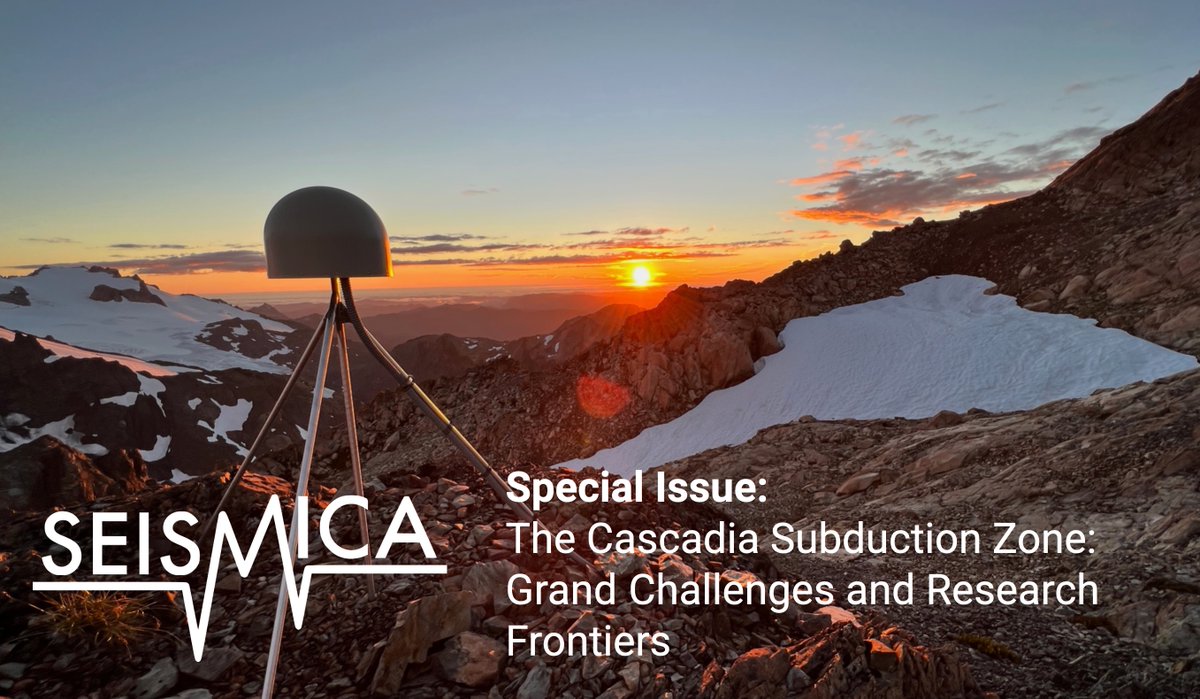
The submission deadline for our special edition on the Cascadia Subduction Zone is fast approaching!
If you've done research in this fascinating area, don't miss the opportunity to showcase your work. Check out the latest publications here:
https://t.co/DKA7EAPCWN
What is the real cost of running a diamond open access journal and how is the #DOAJ revolution happening in geosciences?
Answers to this and more questions from the journals themselves.
TODAY (Sep. 18th) in AGU EPSP Connects, sign up here:
https://t.co/Xn9LbboSrH
In depth analysis of the Nankai Megathrust Alert issued by the Japanese government agency JMA, written by Toda and Stein for @temblor Spot-on, in my view. https://t.co/vZo8tnbsSw
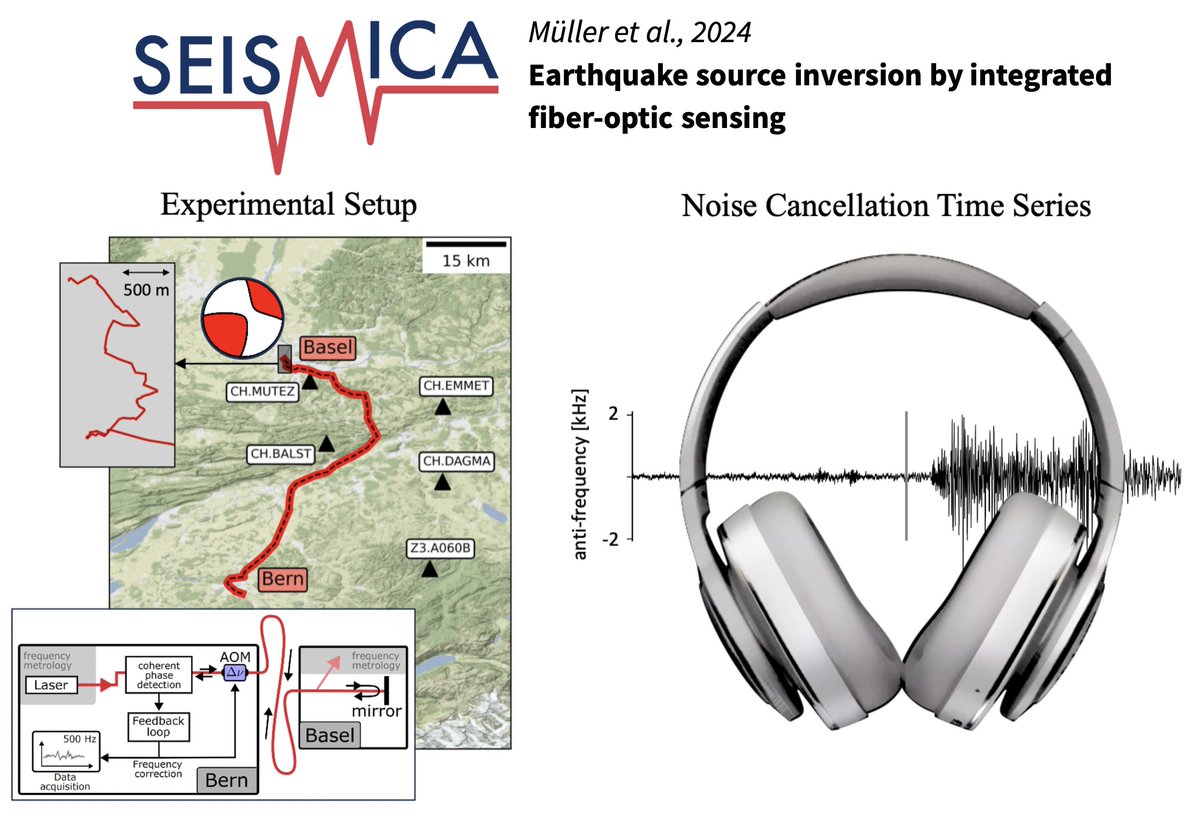
Müller et al. show how metrological phase noise cancellation employed in atomic clock synchronization can be used for quantitative earthquake source inversion (location, time, moment tensor) with a single time series.
Read now: https://t.co/P6UnCoA1X6
What causes onshore faults to slip in subduction zones?
Well, it turns out that the commonly held reason does not apply to the faults located in northern Cascadia.
Read Harrichhausen et al. to find out why: https://t.co/w0tSxMum8P
#HowIUsedGISToday
Check out this excellent GIS app that allows you to explore in 3D the Wadati-Benioff zone & other seismic patterns in the mantle. Could be used either as teach from the front by pupils. Hour of endless fun with this GIS app!
https://t.co/t1t3TpjblT
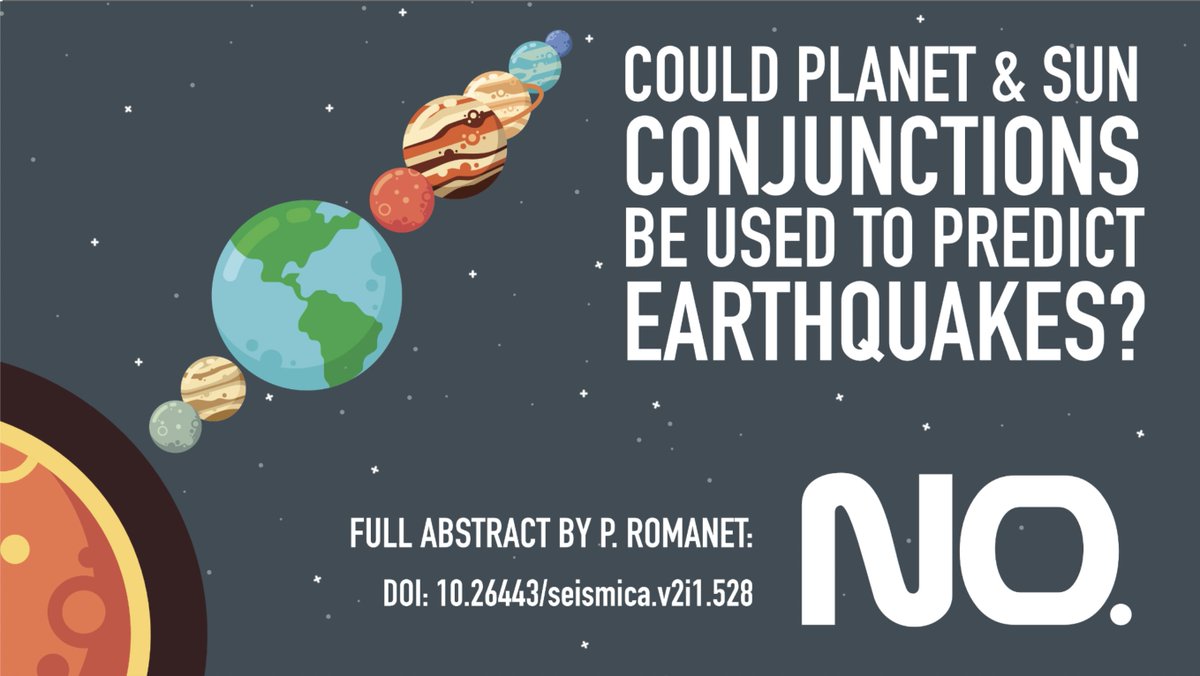
With the June 3rd 2024 planet conjunction looming, we’ll leave it to Pierre Romanet’s abstract to succinctly answer a recurring question.
Now available on a t-shirt. All proceeds go towards the promotion of open science.
https://t.co/ytHhzVCIXa
Traditionally, we model global navigation satellite system (GNSS) measurements of how the Earth deforms during earthquakes with a 1D Earth structure.
What if we didn't assume a 1D structure? Fadugba et al. show us that 3D matters more than we think:
https://t.co/8znoEBkW3j
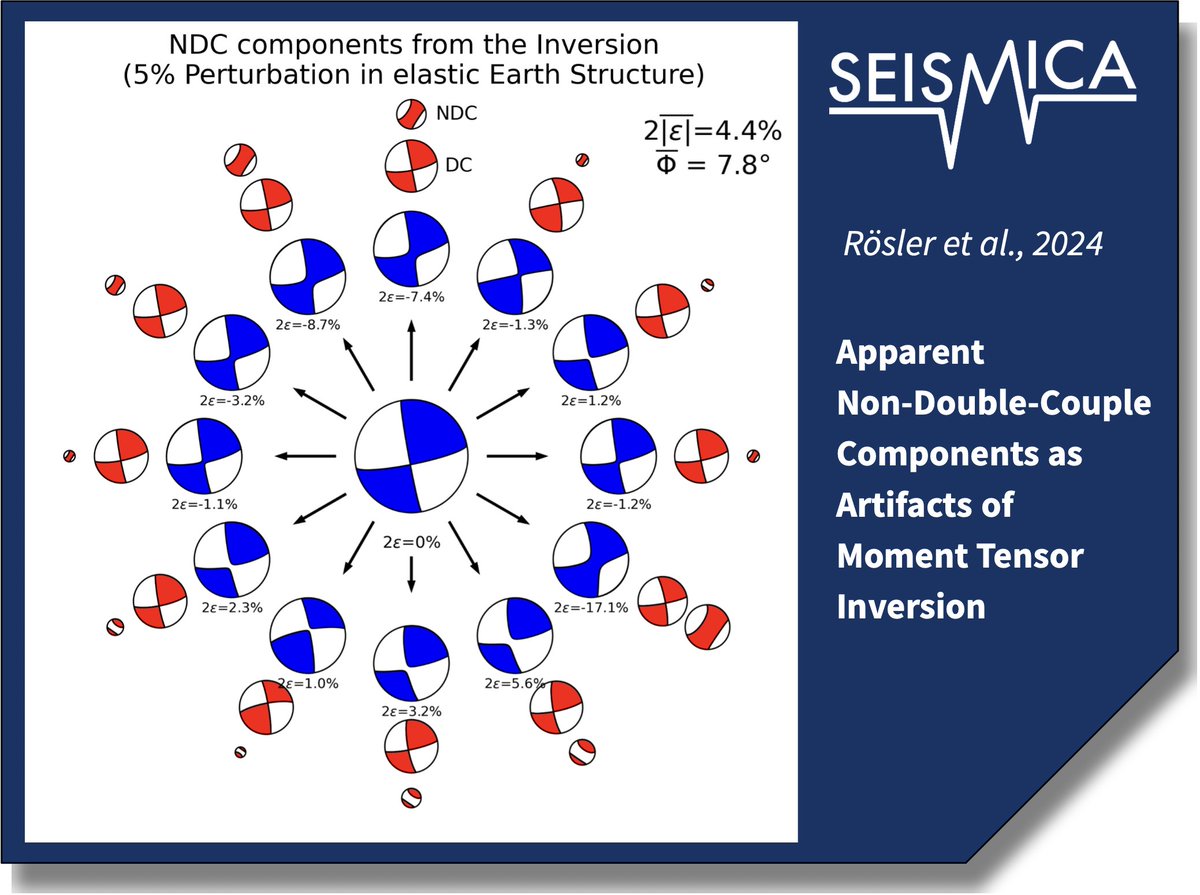
By generating synthetic seismograms for a perturbed Earth model and inverting them using the unperturbed model, Rösler et al. show how non-double-couple components arise during the moment tensor inversion.
Read it here: https://t.co/tHV0NWLdFx
(missing text from original post)
Major new BEAT release 2.0.0. is out! Finally, supporting python3.9+. #pymc#pyrocko#pytensor installation. New features: Multi-Sourcetype inference (e.g.Rectangular & MTSource) and boundary element modeling mode using GPU #cutde @tbenthompson. New tutorials coming. Stay tuned!
Seismica is a proud member of a family of Geoscience Diamond Open Access Journals, united in our mission to pioneer openness, accessibility, and inclusivity in scientific publishing.
On X & elsewhere @WeAreTektonika @WeAreVolcanica@TheSedRecord@sedimentologika@Geomorphica
Our special issue on the Cascadia Subduction Zone is open and welcoming your research and contributions to this fascinating area.
Check out the topics, the editors, and more information on this special issue:
https://t.co/MP8HjcVYaj
Got rapid/groundbreaking seismic research after a major event?
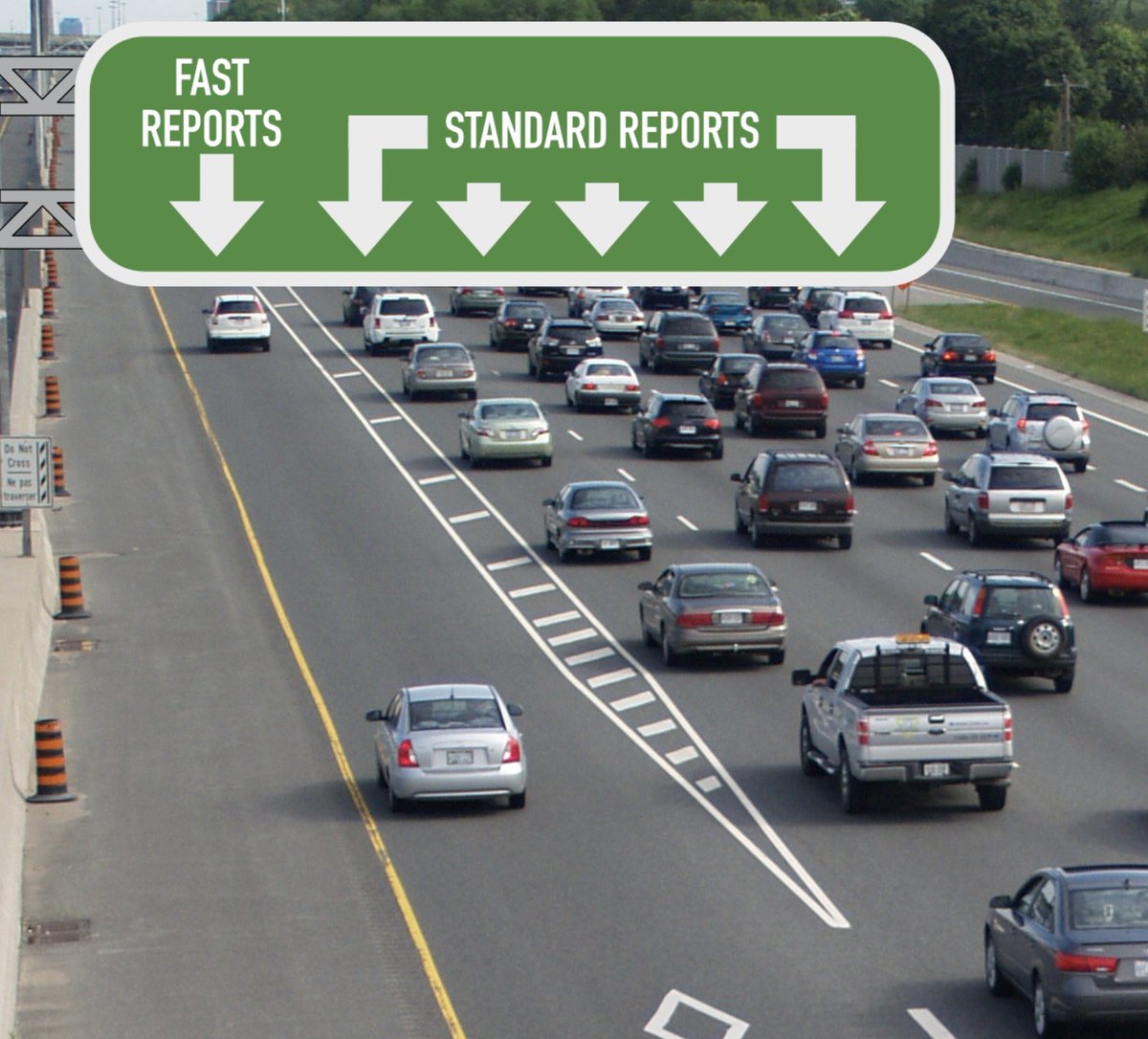
Consider Seismica's FAST REPORTS! From submission to publication in 30 days, still with a thorough peer review and revision process:
https://t.co/csbEoe3dDt
I started working on this 9 1/2years ago. Finally, it is published. This work was the motivation behind developing #BEAT and we published 3method papers until we had the tools that were needed. Great team work with @earthquake_andy , @Prof_QuakeMod , @Sjonni_KAUST
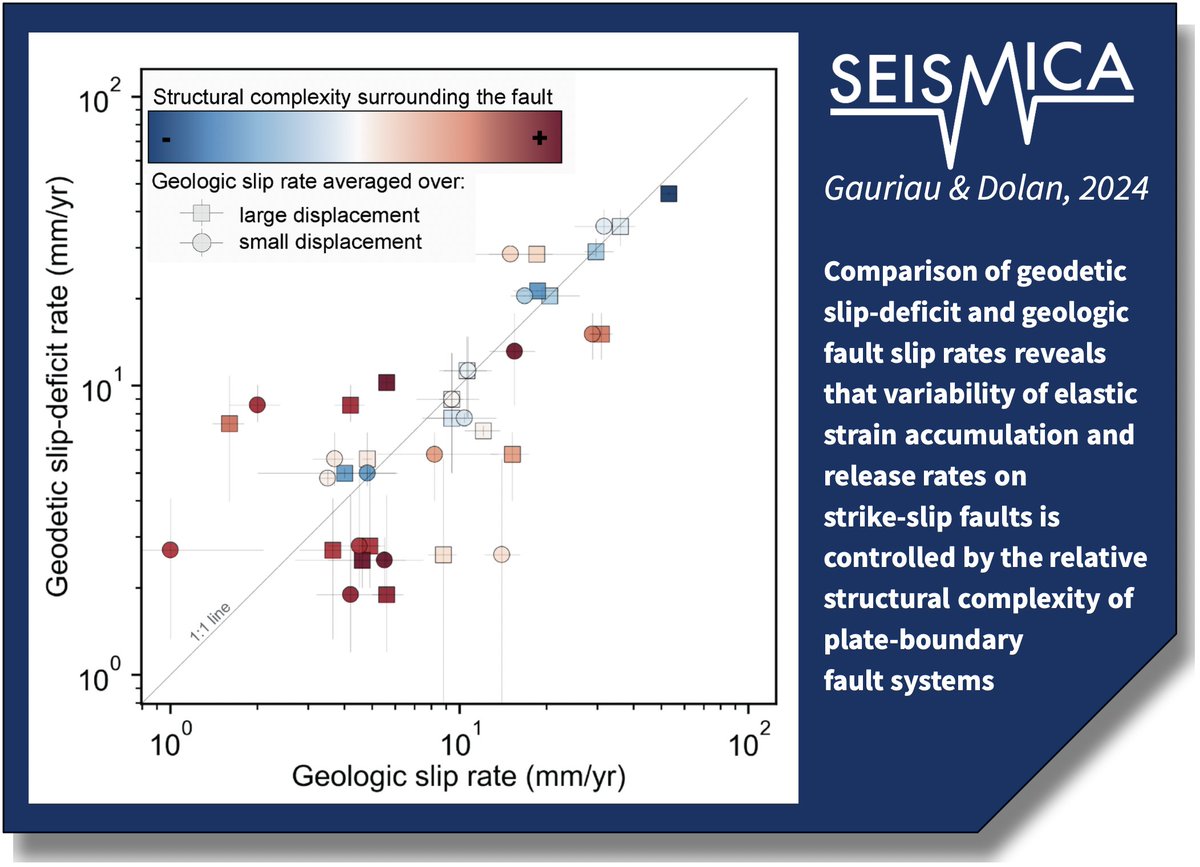
Geodetic Rates versus Geologic Slip Rates: Are They Equal?
Gauriau & Dolan explore the circumstances under which geologic slip rates and a geodetic slip-deficit rates may align or diverge.
(link updated) Read more at: https://t.co/jJbftdgTqA
Vasyura-Bathke et al. Re-analyze the 1995 magnitude 7.2 Gulf of Aqaba earthquake (the largest on the Dead Sea fault in over a century) near the future city of NEOM (@NEOM), and show how the earthquake rupture jumped between different fault segments:
https://t.co/CQTxymGN3l