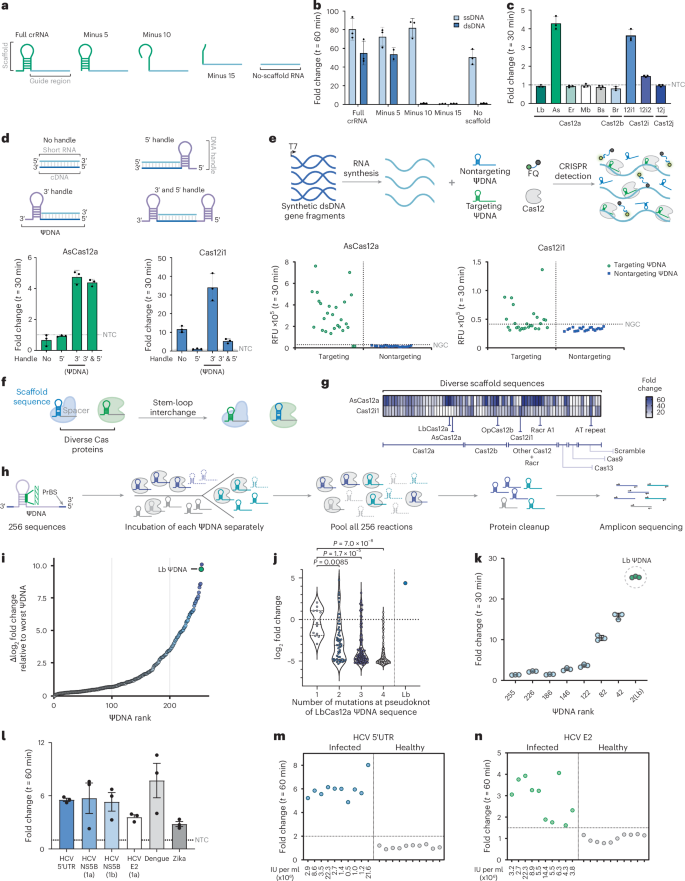
1/ Today in @NatureBiotech, we published the first DNA-guided CRISPR that we originally reported in our 2024 preprint for detecting and targeting RNA in cells
https://t.co/q59w1YBhVP
New-found immune cells called ‘ruptoblasts’ explode when triggered, ejecting toxic chemicals capable of delivering death to surrounding cells in just minutes. The cells’ discoverers say that this process, which they call ruptosis, seems to be a new form of cell death.
https://t.co/6JtcC1HjY0
One of the most amazing things I’ve ever seen: a standing ovation for the full Daraxonrasib results
I feel inspired and energised, to put it mildly — we have a targeted therapy for pancreatic cancer now, and nothing is undruggable anymore
Hey @elonmusk I have a crazy pitch. You back companies with an X - SpaceX, xAI, X. I present to you 'CasNx'.
At CasNx, we gene-edit donor organs outside the body, before transplant, to improve their quality and longevity.
Raising pre-seed. Want in on another 'X'?
Hey @elonmusk I have a crazy pitch. You back companies with an X - SpaceX, xAI, X. I present to you 'CasNx'.
At CasNx, we gene-edit donor organs outside the body, before transplant, to improve their quality and longevity.
Raising pre-seed. Want in on another 'X'?
Thrilled to share I've started at @Stanford's Department of Pathology (@StanfordPath) in addition to @ArcInstitute. Looking forward to a shorter commute after 5 years at @BerkeleyBioE and embarking on daring new projects
We're recruiting multiple postdocs and technical staff👇
Sure! CRISPR-Cas12 normally cuts DNA using RNA guides. This breakthrough created a cheap, stable synthetic DNA guide (called ΨDNA) that lets Cas12 bind and target RNA inside living cells instead.
It doesn't slice the RNA directly. Binding stalls ribosomes on the messenger RNA, triggering the cell's natural cleanup to degrade it—knocking down specific genes by 70-95% with low off-target effects.
Big wins: better viral diagnostics (100% accurate on HCV samples) and safer RNA control for therapy/research, without editing DNA.
Over the next 10 years, this ΨDNA-Cas12 system could enable cheaper, stable diagnostics for RNA viruses (like the 100% accurate HCV detection shown) and point-of-care tests.
Therapeutically, expect safer, reversible gene knockdown (70-95% efficiency, low off-target) for cancers, viral infections, and genetic diseases—without permanent DNA changes. Multiplexing and fusions (e.g., with RNase H1 or METTL3) may support combined DNA/RNA therapies and epitranscriptomic editing. Research tools will speed functional genomics. Delivery and scaling are key hurdles.
1/ Today in @NatureBiotech, we published the first DNA-guided CRISPR that we originally reported in our 2024 preprint for detecting and targeting RNA in cells
https://t.co/q59w1YBhVP