Universal Music have settled their lawsuit with Udio.
From the little that is known about the settlement, this looks like a big win for creatives:
- Udio immediately turned off downloads, and apparently will transition to a closed ecosystem where you can remix artists’ songs with their permission & only share them on platform. This puts control in artists’ hands and limits AI that is trained on real musicians’ work competing with them elsewhere.
- Billboard says opting-in musicians will be paid for both training & outputs.
- This is the second major gen AI copyright settlement (following Bartz v. Anthropic). Settlements provide no case law, but you would expect them to bring significant money to rights holders (Anthropic brought $1.5 billion).
(The devil will be in the detail - details on the settlement are scarce right now.)
Also remember that this is just 1/6 of the major labels’ complaints against Udio & Suno. Sony & Warner are still suing Udio; all 3 are still suing Suno. There are also 2 outstanding class action lawsuits against each company brought by independent musicians.
https://t.co/gMhI3RvV1k
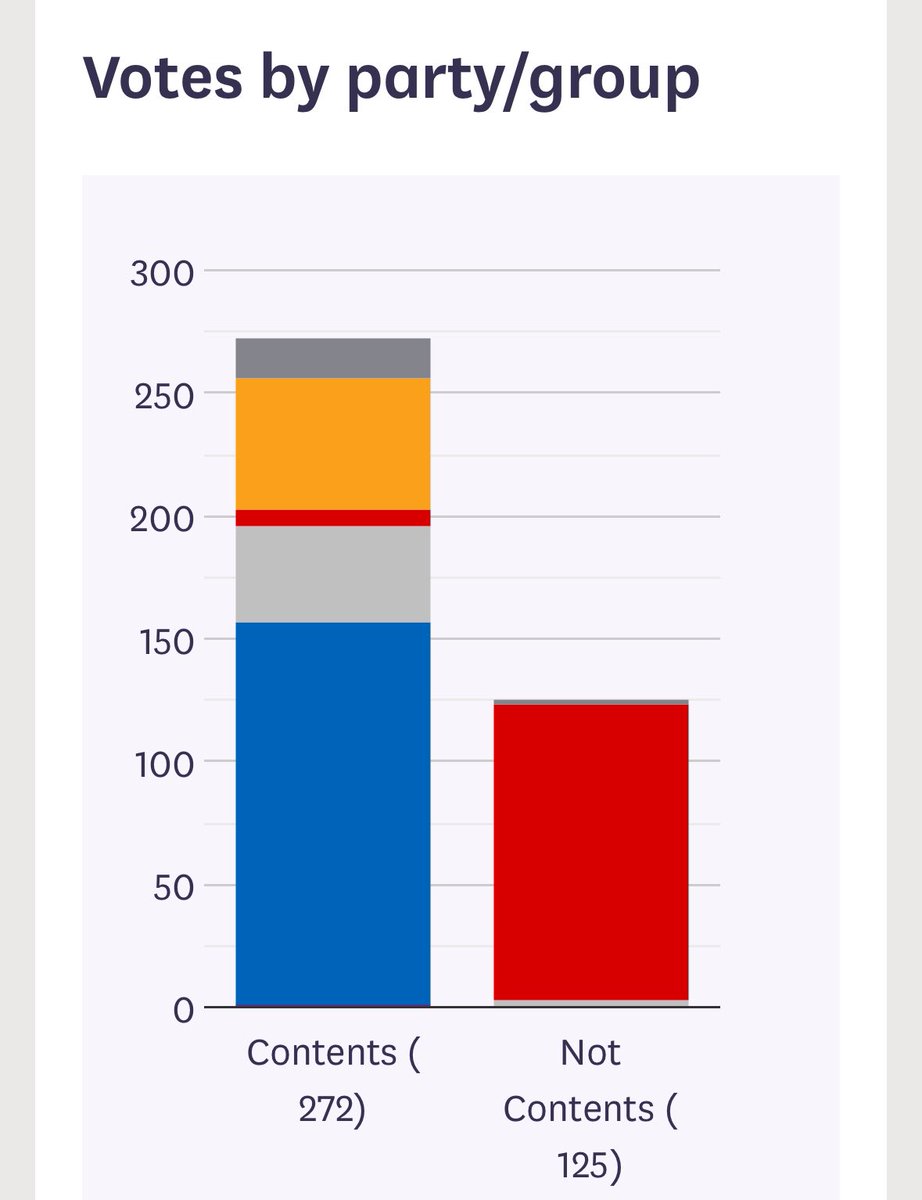
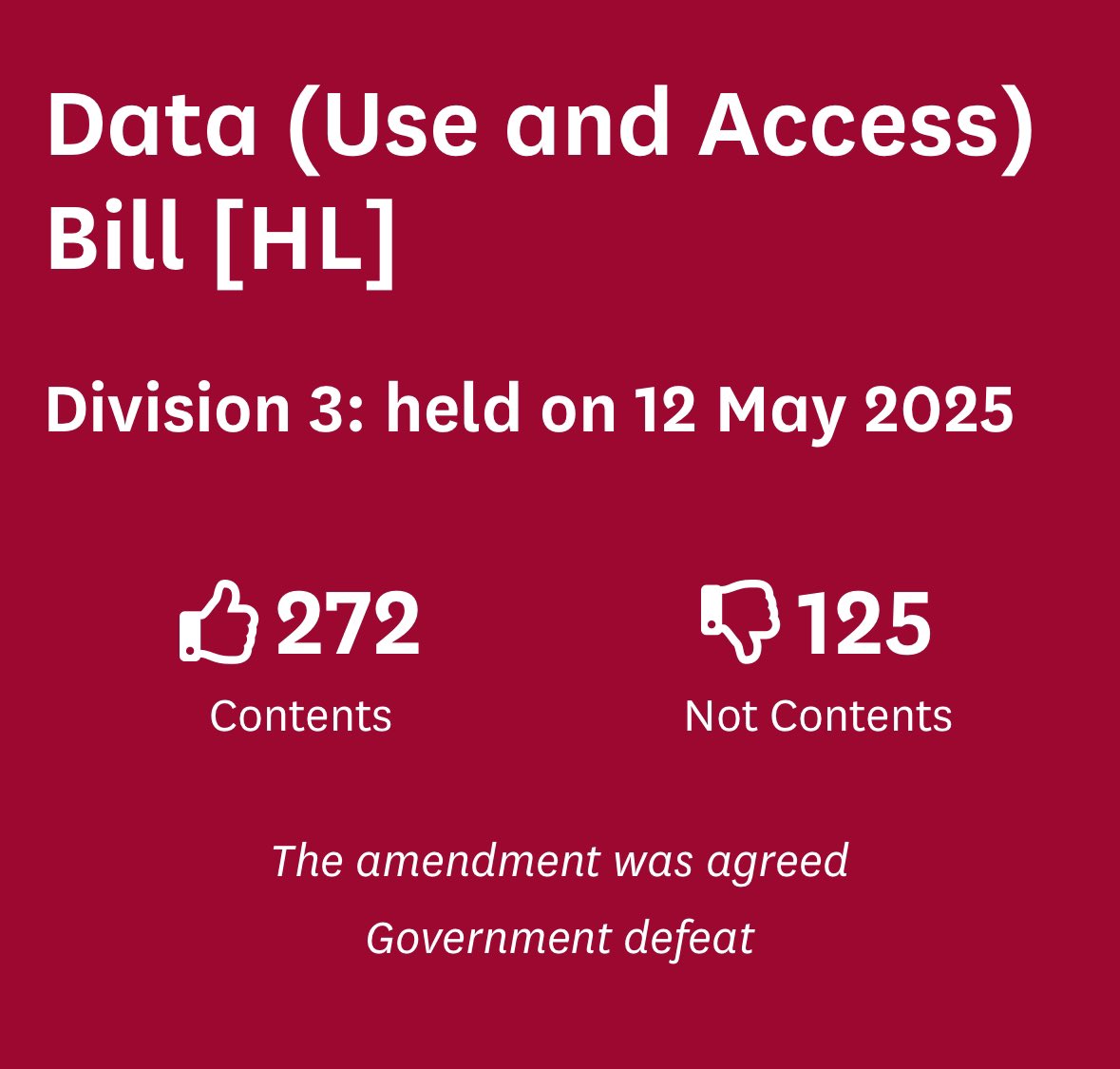
In huge news, the UK government was just defeated in the House of Lords for a second time over AI & copyright.
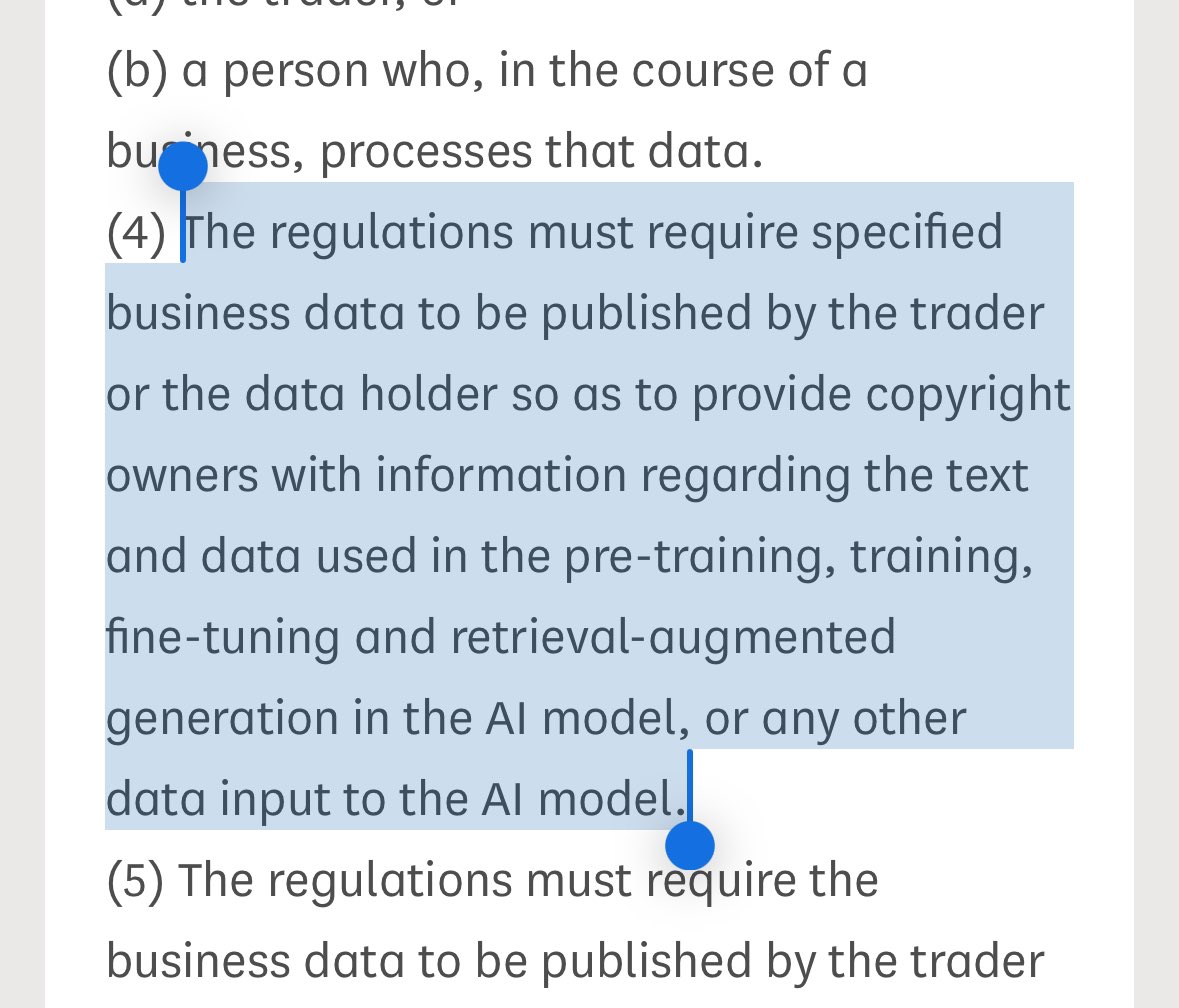
The government had removed amendments to the Data Bill that would require AI companies to disclose their training data. The Lords have now reinserted them.
Most @UKLabour peers supported the government and AI companies. Everyone else - i.e. the vast majority of the Lords - supported creators & the creative industries.
Several misleading claims by @peterkyle on The Rest Is Politics today to justify his proposed gutting of UK copyright law.
1. “All of the data has already been scraped and used by AI companies because not one of them is domiciled in the UK... so unless you have international copyright attached to your work which is respected in California, then your data has already been subsumed into the AI system”
While it's true that many of the big AI companies are based in the US, many people think scraping copyrighted work for commercial gen AI training is illegal under US law, which is why there are 30+ lawsuits in the US on the topic. None are resolved yet. What's more, British creators *do* have 'international copyright', because 180+ countries have signed international agreements on this (including the UK & US), such as the Berne Convention.
2. “The copyright laws are 300 years old”
The *first* copyright laws are 300 years old (the 'Statute of Anne'), but they have been updated many times since then, including with the addition of international laws. This is like saying "the murder laws are hundreds of years old, so they're clearly not fit for purpose".
3. “When it comes to China, they have no regard for any copyright anywhere in the world”
They do.
4. “What I’m being asked to do is choose between [AI and the creative industries]”
He is not. The creative industries simply say AI companies should be required to pay for their training data, just as they pay for engineers and GPUs. There is no indication that only one 'side' can win here.
Super disappointing to see the debate framed this way by the person in charge of the UK's consultation on AI & copyright. It's hardly surprising the UK's creators are so angry with the government on this.
Suggest giving it a listen: https://t.co/WaWRPQdXxD
(Starts at ~57 mins)
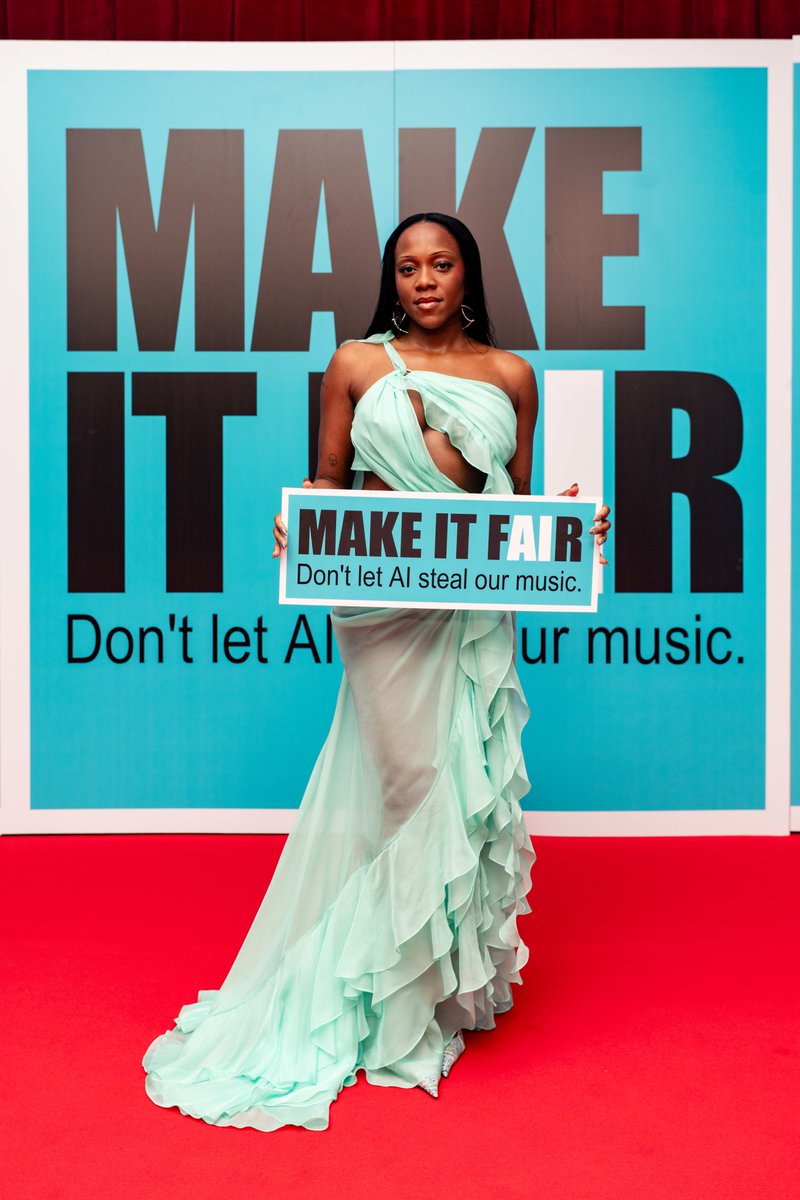
Make It Fair: Don’t let AI steal our music.
At Saturday's @BRITs, the biggest night in British music, stars including @lolayounggg, @MylesSmithUK, @rachelchinourir and @flolikethis came together to send a clear message to the UK Government.
More ➡️ https://t.co/j7nbHvEfvd
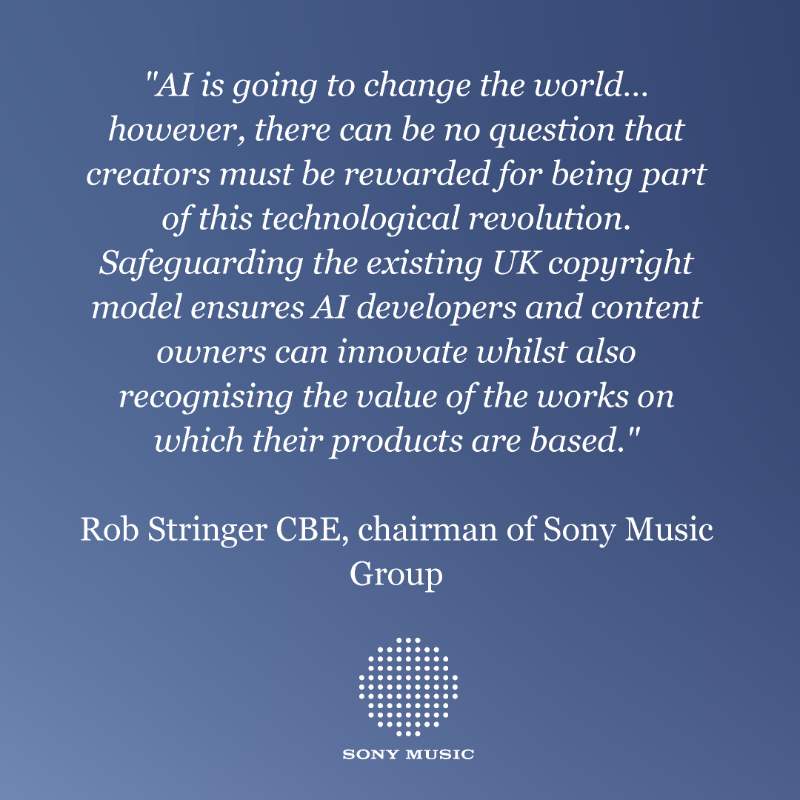
Global record company heads from @WarnerMusic, @UMG and @sonymusic have spoken out against UK Government plans to change copyright laws for AI training @GovUK @10DowningStreet
@MailOnline @bpi_MusiGlobal record company heads from @WarnerMusic, @UMG and @sonymusic have spoken out against UK Government plans to change copyright laws for AI training @GovUK @10DowningStreet
@MailOnline @bpi_MusiGlobal record company heads from @WarnerMusic, @UMG and @sonymusic have spoken out against UK Government plans to change copyright laws for AI training @GovUK @10DowningStreet
@MailOnline @bpi_MusiGlobal record company heads from @WarnerMusic, @UMG and @sonymusic have spoken out against UK Government plans to change copyright laws for AI training @GovUK @10DowningStreet
@MailOnline @bpi_MusiGlobal record company heads from @WarnerMusic, @UMG and @sonymusic have spoken out against UK Government plans to change copyright laws for AI training @GovUK@10DowningStreet@MailOnline@bpi_Music
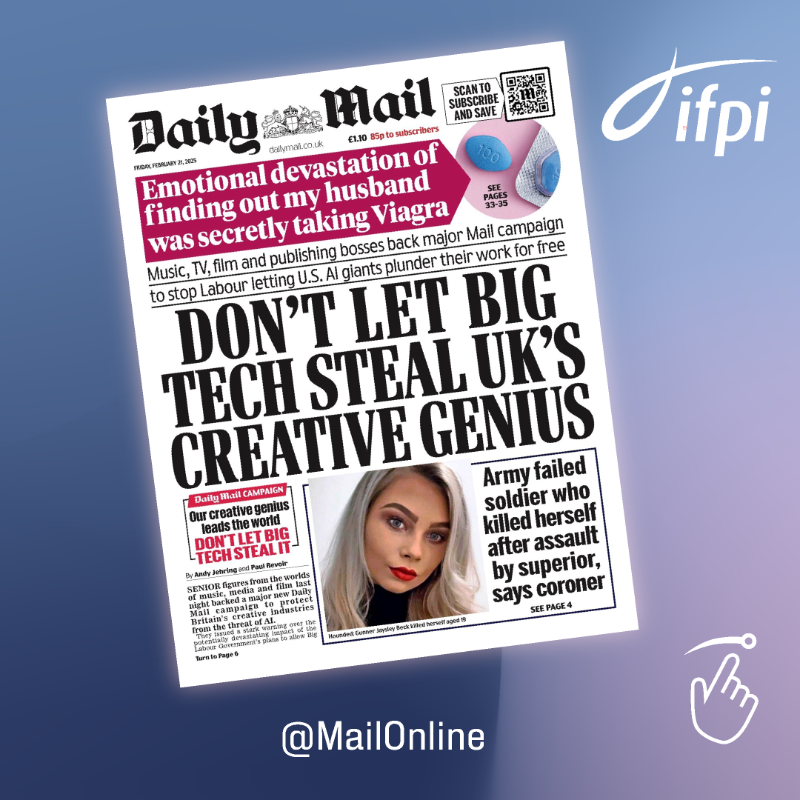
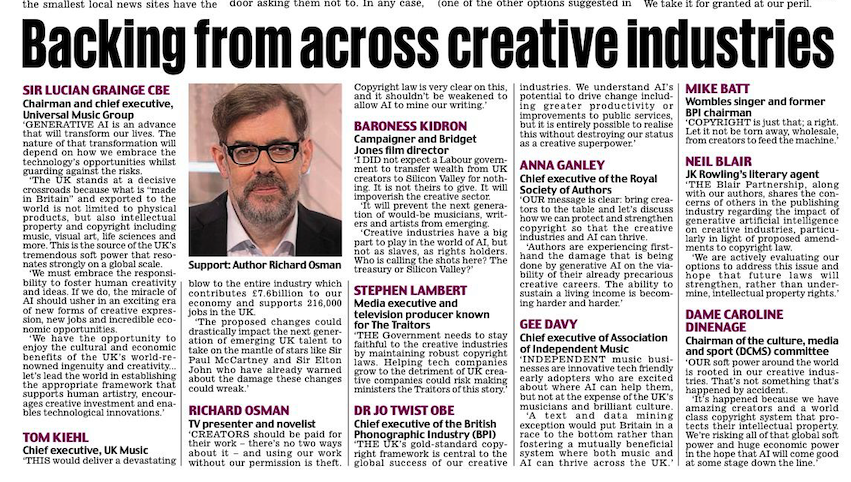
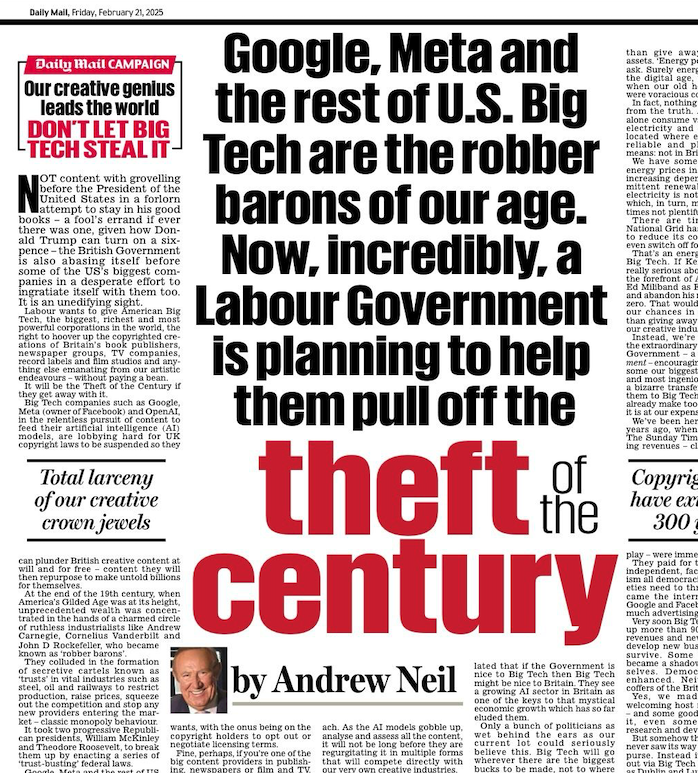
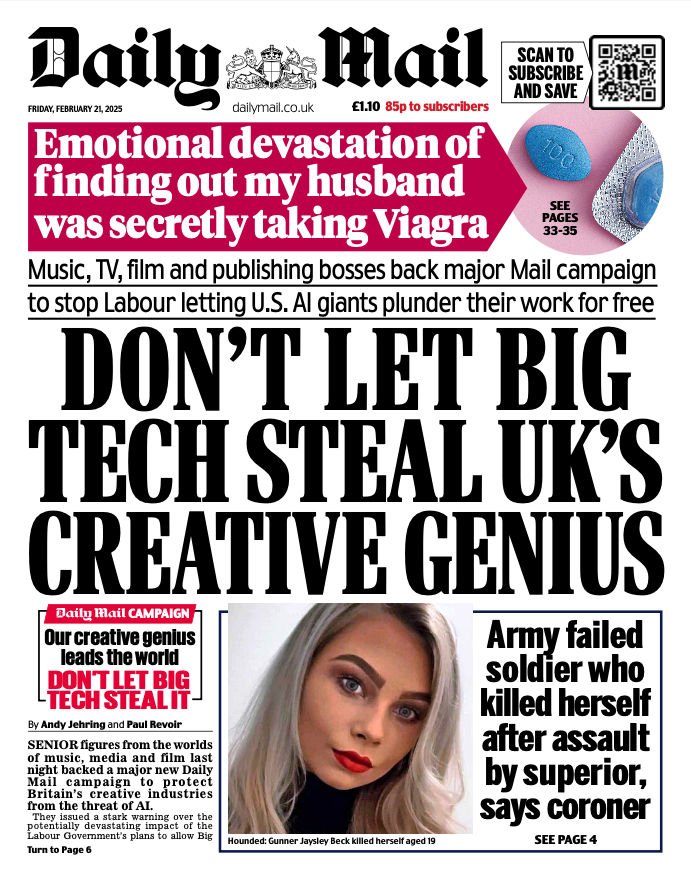
The Daily Mail has joined the fight to protect the UK's creativity from @UKLabour and AI companies 🙌
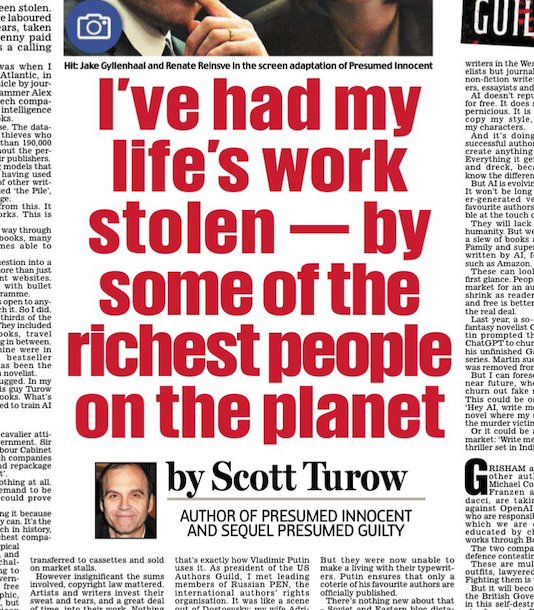
They have support from Sir Lucian Grainge, Richard Osman, Andrew Neil, Robert Kyncl, Scott Turow, Baroness Beeban Kidron, Dame Caroline Dinenage, and countless more.
And the Conservative party have come out against Labour's plans to upend copyright law to favour AI companies: "Labour must rethink their approach. The Conservatives will defend intellectual property rights".
I think the government has vastly underestimated British creators' resolve to protect their life's work from pillage by big tech.
There is one week left to respond to the Government’s Copyright & AI consultation, which sets out damaging proposals to the UK’s world-leading creative industries.
Find out how you can voice your opposition here ➡️ https://t.co/vhaVYD0htq
"If the Government bows to the pressure of big AI companies, our brilliantly vibrant music, publishing and other creative industries will be damaged and the UK’s creative community will begin to lose faith." @TheDon_Foster
https://t.co/Q5XL7lzi3z
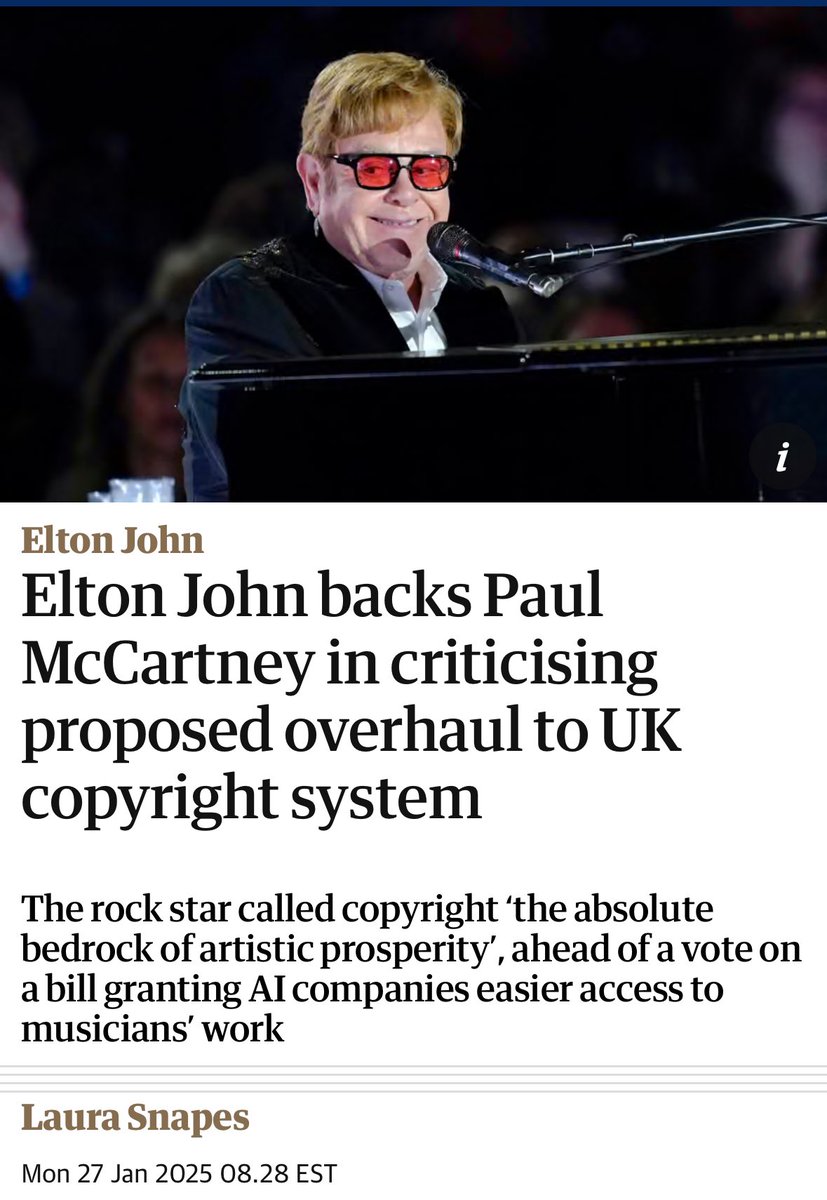
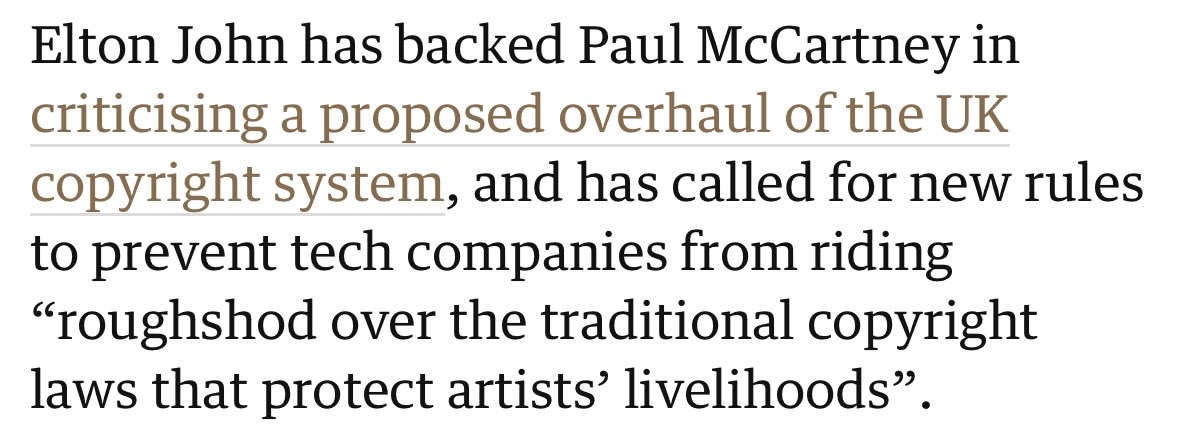
Sir Elton John joins Sir Paul McCartney in rejecting - in the strongest possible terms - the UK government’s plan to upend copyright law to favour AI companies.
He says the plan “will allow global big tech companies to gain free and easy access to artists’ work in order to train their artificial intelligence and create competing music. This will dilute and threaten young artists’ earnings even further. The musician community rejects it wholeheartedly.”
@RhonddaBryant@lisanandy@Keir_Starmer
https://t.co/xCiDiip8FO
“Without thorough and robust copyright protection that allows artists to earn hard-fought earnings from their music, the UK’s future place on the world stage as a leader in arts and popular culture is under serious jeopardy." @eltonofficial
https://t.co/5vjPDEUpbE
Sir Paul McCartney spoke to the BBC today, calling on the government not to go through with its plans to upend copyright law to enable “rip off” AI technology.
"If you're putting through a bill, make sure you protect the creative thinkers, the creative artists, or you're not going to have them."
https://t.co/6DFbnQj7Dv
The @UKLabour government’s reasoning behind weakening copyright law - on display in the attached screenshot - is deeply flawed.
The government argues that, if we don’t relax copyright law, UK IP will be used by foreign firms to train AI models anyway, but those models won’t be available in the UK, so the UK (including the creative industries) will suffer. IMO this is flawed for 3 reasons:
1. Unlicensed gen AI training is likely not legal in many countries. In the US, for example, there is no blanket copyright exception of the kind the UK govt is proposing; there are ~30 ongoing US lawsuits, and it is likely that some will be successful. The international Berne Convention and the US fair use exception are clear that the effect on the party whose work is copied is relevant to the question of the copying’s legality. The UK wants to legalize something that is certainly not blanket legal in the US.
2. The UK’s decision will impact the global norm. By weakening copyright, we would make it more likely others would do the same. But if we instead keep UK copyright law unchanged, or even reinforce it to protect creators further, we will help steer the global norm towards fair treatment of creators.
3. The creative industries have been clear that weakening copyright law will be net negative for them. Ministers should trust them on this, rather than telling them they’re wrong.
We should lead by example, rather than simply adopting the policies of our least creator-friendly neighbours.
https://t.co/PIdmQcdU2j
Dr. Jo Twist OBE's response to the UK Government’s consultation on Copyright & AI emphasizes the importance of copyright and dangers of flawed ‘opt out’ approaches to AI training. We stand with BPI rejecting any approach that threatens UK creators and empowers tech companies to exploit their work without consent or compensation!
Our CEO, Dr Jo Twist OBE, responds to this morning’s announcement of a new government consultation on Copyright and Artificial Intelligence.
https://t.co/ZDsUtBOhsW
Given discussions today, it is encouraging to hear AI & copyright spotlights in @restisents with @richardosman & @MarinaHyde, covering Baroness Kidron’s amendments, calling on tech firms to respect copyright law, & making it clear that creators deserve transparency, control & fair reward for their work’s use by GAI firms.
The CEO of Getty Images is spot on here. We can get the benefits of AI without handing the world’s creative work to AI companies. That’s what fair use is all about.
“There is a fair path that rewards creativity and delivers the promises of AI. Let’s stop the rhetoric that all un-permissioned AI training is legal and that any requirement to respect the rights of creators is at the expense of AI as a technology.”
Worth reading in full: https://t.co/0Bm7yhHEel
Update: 20,000 people have now signed this, showing that a broad coalition of creators around the world objects to unlicensed gen AI training on creative works.
If you haven't signed yet, you can do so at https://t.co/UGe4Lfg0Z6
Thank you all who have signed 🙏














![ednewtonrex's tweet photo. Several misleading claims by @peterkyle on The Rest Is Politics today to justify his proposed gutting of UK copyright law.
1. “All of the data has already been scraped and used by AI companies because not one of them is domiciled in the UK... so unless you have international copyright attached to your work which is respected in California, then your data has already been subsumed into the AI system”
While it's true that many of the big AI companies are based in the US, many people think scraping copyrighted work for commercial gen AI training is illegal under US law, which is why there are 30+ lawsuits in the US on the topic. None are resolved yet. What's more, British creators *do* have 'international copyright', because 180+ countries have signed international agreements on this (including the UK & US), such as the Berne Convention.
2. “The copyright laws are 300 years old”
The *first* copyright laws are 300 years old (the 'Statute of Anne'), but they have been updated many times since then, including with the addition of international laws. This is like saying "the murder laws are hundreds of years old, so they're clearly not fit for purpose".
3. “When it comes to China, they have no regard for any copyright anywhere in the world”
They do.
4. “What I’m being asked to do is choose between [AI and the creative industries]”
He is not. The creative industries simply say AI companies should be required to pay for their training data, just as they pay for engineers and GPUs. There is no indication that only one 'side' can win here.
Super disappointing to see the debate framed this way by the person in charge of the UK's consultation on AI & copyright. It's hardly surprising the UK's creators are so angry with the government on this.
Suggest giving it a listen: https://t.co/WaWRPQdXxD
(Starts at ~57 mins)](https://pbs.twimg.com/media/GmQUExJaAAA45sy.png)