I've worked incredibly hard on this and I'm so happy it's finally published! Finding signs of extraterrestrial life on ocean worlds will require complex, advanced instruments, and onboard science autonomy can help make that happen: https://t.co/qrx4o2TLCH
@hankgreen I'm picking "A Huge deal" while defining "AI" to include all of the incredible work in climate modeling, protein folding, etc. and not just LLMs/genAI.
Disappointed that it's still more work to babysit FSD than it is to just drive - tonight it turned left, ended up between two lanes, and crawled to a stop? It also can't merge in challenging situations like the 8th St. exit on 405 South. Works fine on long stretches of highway.
Final count: 140 attendees from 51 institutions, 68 presentations about physical science and data science collaborations across 20 fields! https://t.co/DUKFkPsews
Just finished the last day of SUDS 2024! We spent 9 months organizing this conference and I'm ecstatic that it went so smoothly. Hoping for even bigger and greater things in the future 🎉
The Science Understanding through Data Science conference starts this coming Wednesday! We still have registrations available, if you're near Caltech come hear about collaborations between physical scientists and data scientists: https://t.co/7jUEna4h5G
Yes, you read that right. Dark mode is (finally!) here.
One of the most requested features, dark mode improves accessibility and reduces eye strain for readers and volunteer editors across Wikipedia and other Wikimedia projects.
While creating dark mode may seem simple, it required overcoming tricky and unique challenges particular to Wikipedia, such as respecting and maintaining accessibility of user-generated content.
The Wikimedia Foundation’s engineering teams worked closely with communities to bring dark mode to light. It is now available on select wikis, and will soon be deployed to others.
Learn more about the benefits of dark mode, the challenges in making it a reality, and how you can contribute. ➡️ https://t.co/0zWIWgc7jl
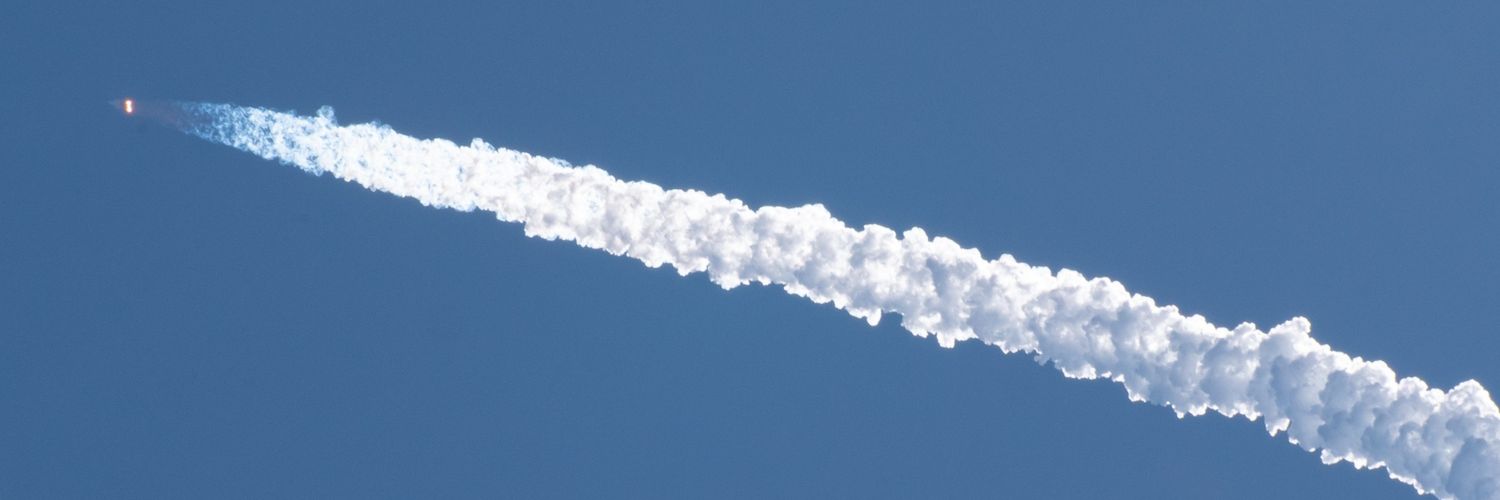
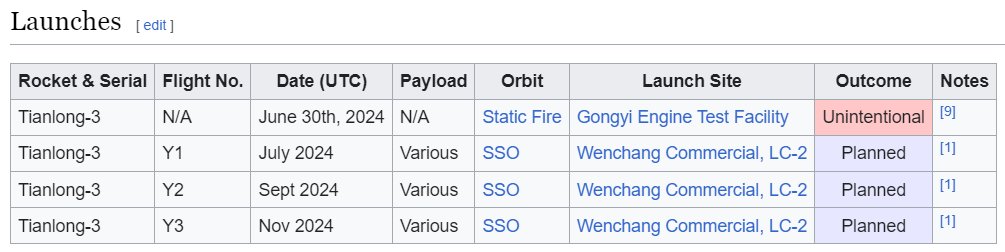
@Truthful_ast Saw you trying to make the edits so I tried to help out, hopefully this version will stay! There's also a new "Accidental launch during static fire" subsection now.
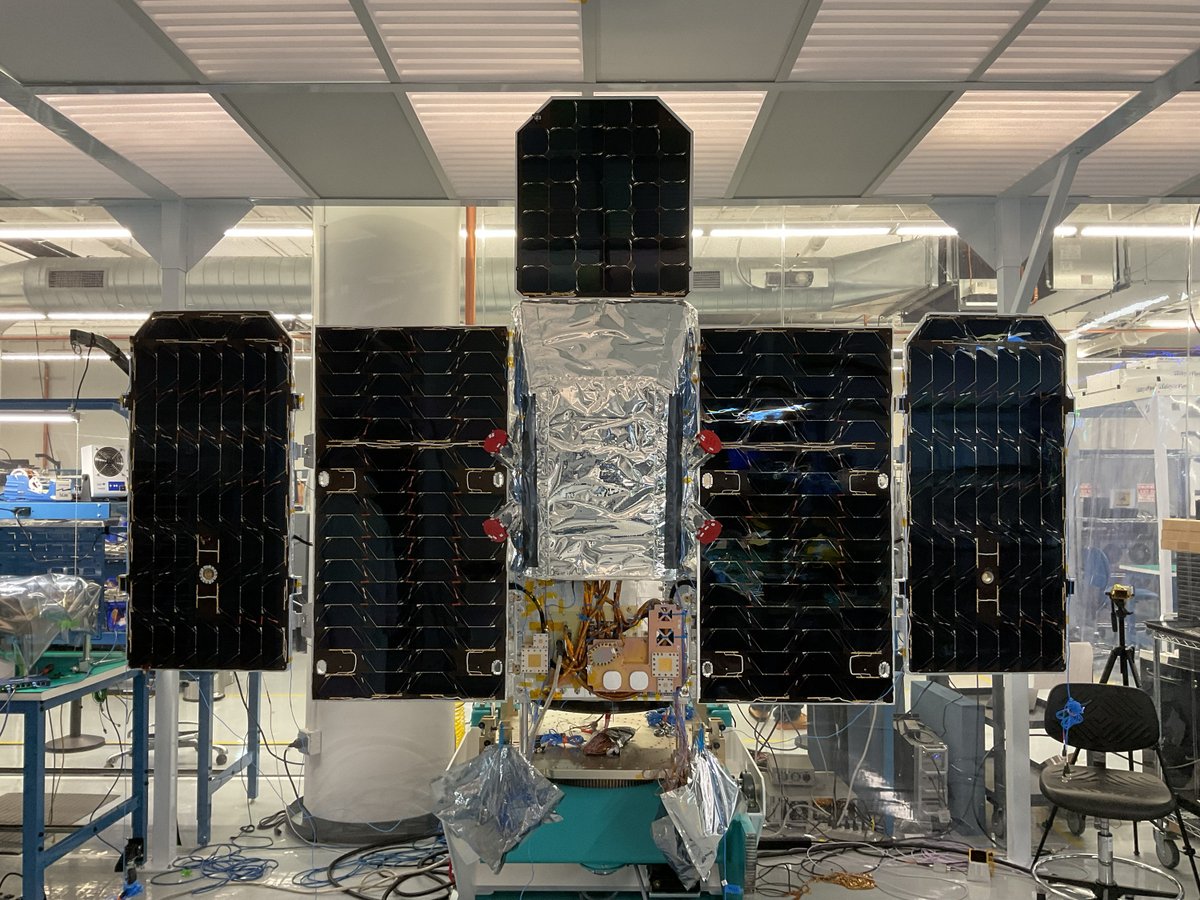
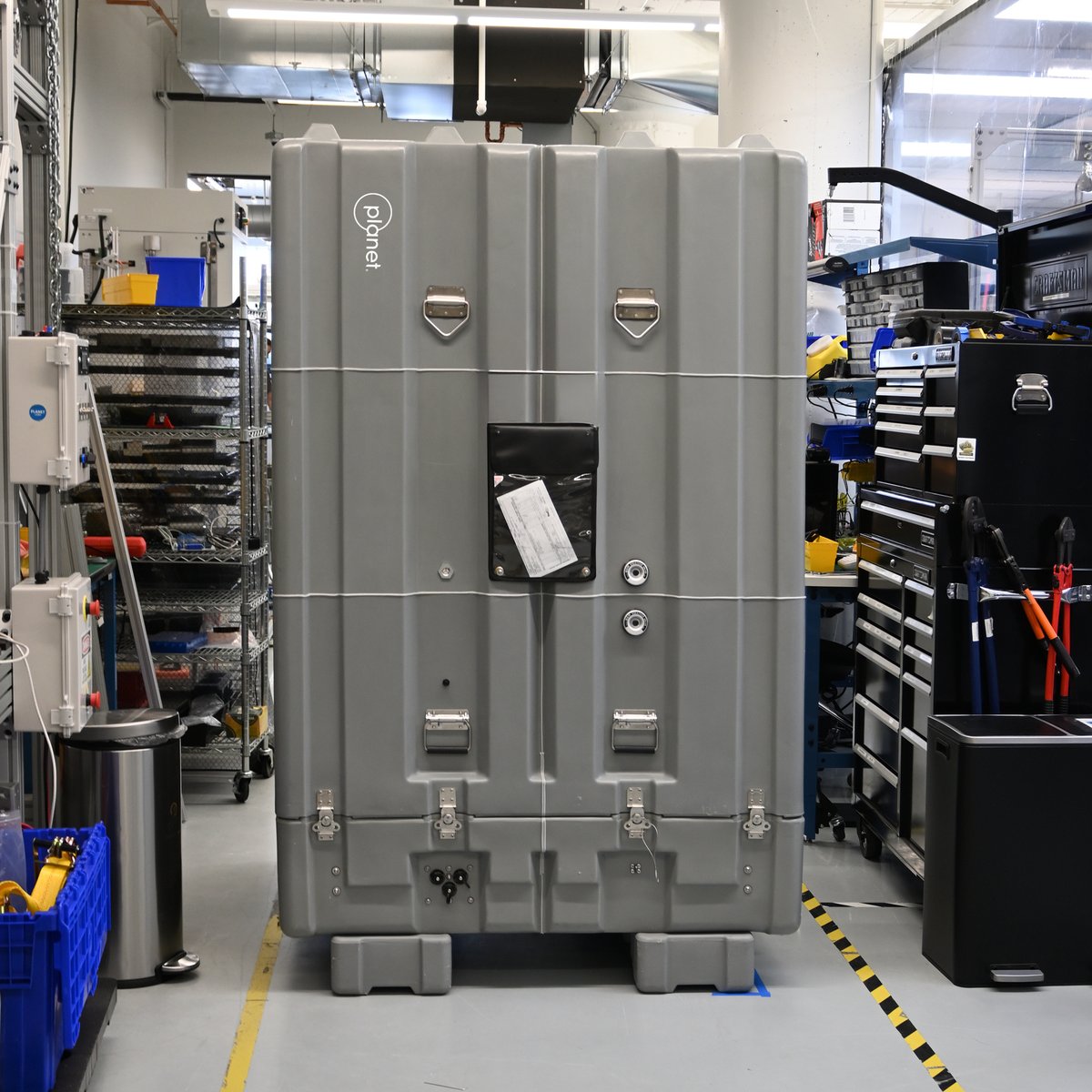
Tanager-1 is ready to fly!
Our first hyperspectral satellite, Tanager-1, arrived at Vandenberg Space Force Base in preparation for a summer launch! Read more about our hyperspectral mission with @carbonmapper and @NASAJPL: https://t.co/GhstazmNWf