IF JAIME LANNISTER HAD BOTH HANDS, WOULD THE HOUND STILL BE ABLE TO BEAT HIM?
Jaime was one of Westeros’ greatest swordsmen.
The Hound had the size, strength and brutality to survive almost anything.
So remove Jaime’s biggest disadvantage.
Does the fight suddenly become a completely different story?
In 1944, Hiroo Onoda was sent to Lubang Island in the Philippines as a Japanese intelligence officer. His orders were simple: gather information, disrupt enemy operations, and never surrender.
But Onoda was given another instruction that would define the rest of his life.
He was told to continue fighting until he received a direct order from a superior officer to stop.
When Japan surrendered in 1945, Onoda didn't believe it.
Leaflets were dropped over the island announcing that the war was over. Newspapers and photographs were left behind. Search parties were sent to convince the Japanese soldiers hiding in the jungle to come out.....
Coming to America proved that Eddie Murphy is the undisputed GOAT of character acting.
The fact that half the people watching didn't realize he played Saul (the old Jewish man in the barbershop) until years later is wild.
What’s the best character he played in this movie?
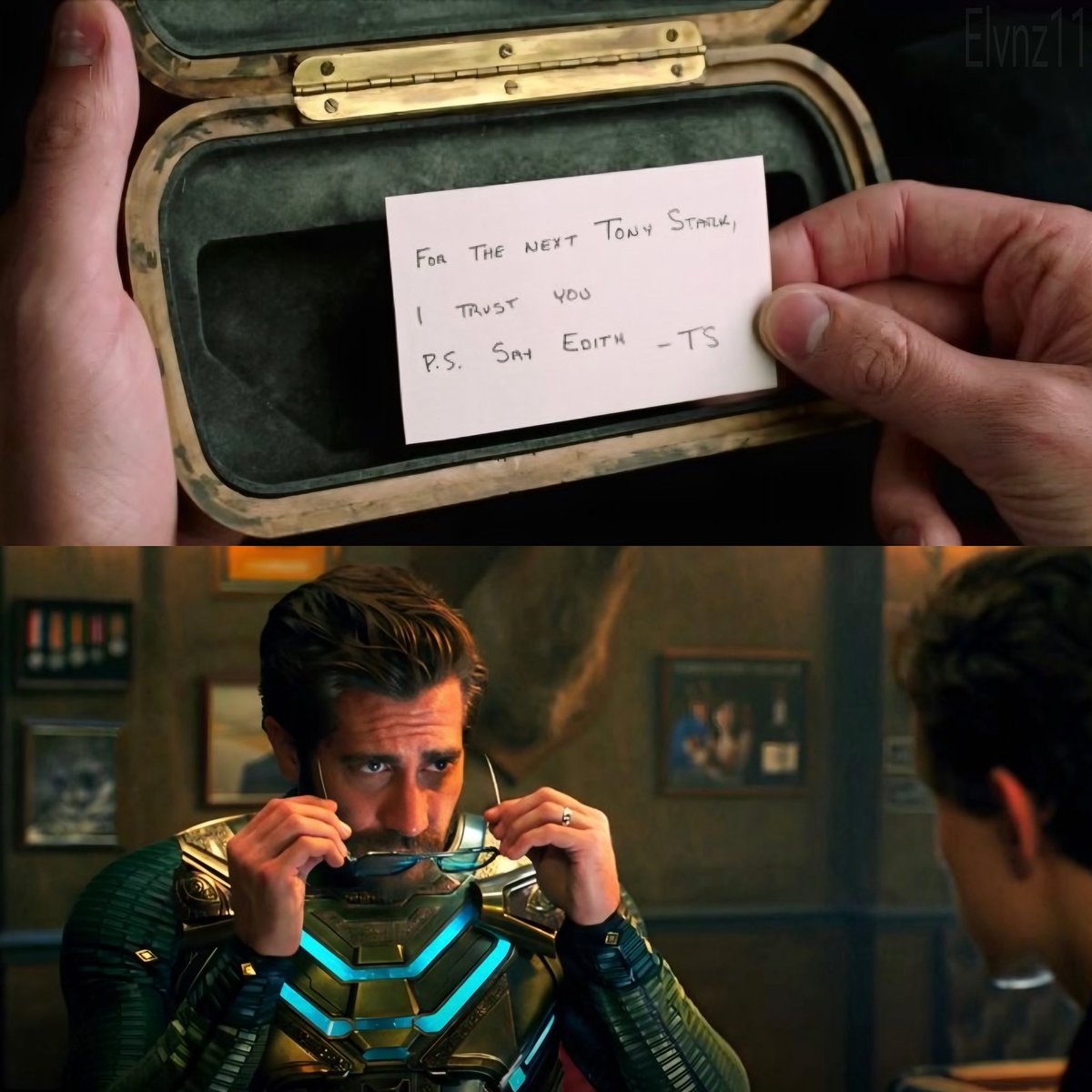
Peter handing EDITH to Mysterio was reckless.
But why does the teenager get more heat than the adults who put an orbital weapons system in his glasses? 😭
Trusting Peter’s heart and trusting his judgment with THAT are two different things.
Haley’s pregnancy storyline made sense for the character, but I still think it robbed her of the independence the show had spent years building toward.
Tbh, the writers could have done better. 🤦♀️
And don’t get me even started on the partner they made her end up with. 😒
#ModernFamily #sitcoms
Did Strange completely hypocrite his way into saving the multiverse, or was using dark magic out of desperation the only thing that actually made him a real hero?
Annalise Keating’s inner circle of students, known as the "Keating Five," consists of a select group of ambitious law students chosen to assist with her high-profile defense cases. As they are drawn deeper into her chaotic professional and personal life, they become bound together by dark secrets, shared trauma, and a desperate struggle to cover up multiple murdah.
𝗧𝗛𝗘 𝗦𝗔𝗠𝗨𝗥𝗔𝗜 𝗪𝗛𝗢 𝗥𝗘𝗙𝗨𝗦𝗘𝗗 𝗧𝗢 𝗦𝗣𝗘𝗔𝗞
Kyoto, 1621.
The merchant was found dead before sunrise.
His body lay inside his locked store.
No broken door.
No missing possessions.
No witnesses.
Only one thing was strange.
A samurai was sitting beside the body.
His name was Haru.
He had blood on his sleeve.
And he refused to speak.
By noon, the entire district knew.
“Guilty.”
“Traitor.”
“Murderer.”
Haru said nothing.
Even when the magistrate questioned him.
“You were found beside the body.”
Silence.
“You had blood on your clothing.”
Silence.
“You knew the victim.”
Nothing.
The magistrate slammed his hand against the table.
“Answer me!”
Haru simply lowered his head.
The sentence seemed inevitable.
Execution.
But that evening, the magistrate's daughter entered the prison.
Her name was Aya.
She placed a bowl of rice outside Haru's cell.
“You're going to die tomorrow.”
Haru said nothing.
“You could save yourself.”
Nothing.
“I know you aren't guilty.”
Haru finally looked at her.
“How?”
She held up a small piece of cloth.
“This was found inside the merchant's store.”
Haru stared at it.
It carried the crest of his clan.
Aya continued.
“Someone wanted you to take the blame.”
Haru looked away.
“Who?”
Silence.
Aya frowned.
“You know.”
Haru said nothing.
“You're protecting someone.”
Still nothing.
She leaned closer.
“Who?”
Haru finally spoke.
“My lord.”
Aya froze.
“Your lord killed him?”
Haru shook his head.
“No.”
“Then who?”
Haru closed his eyes.
“My lord ordered me not to speak.”
Aya stared at him.
“Why?”
Haru's voice was barely audible.
“Because the merchant was selling information to our enemies.”
Aya understood.
“If the truth comes out, your clan will be blamed.”
“Yes.”
“And if you stay silent?”
“I die.”
Aya stared at him.
“You're willing to die for your lord's reputation?”
Haru looked at her.
“I was raised to believe that loyalty means carrying another man's shame.”
Aya shook her head.
“That isn't loyalty.”
Haru said nothing.
That night, Aya investigated the merchant's records.
She found something hidden beneath the floor.
A list of payments.
Names.
Dates.
Military routes.
And at the bottom…
the magistrate's own name.
Aya stopped breathing.
Her father wasn't investigating the murder.
He was covering up his own involvement.
She rushed back to the prison.
“Haru.”
He stood.
“What happened?”
“Your lord didn't kill the merchant.”
Haru waited.
“My father did.”
For the first time, Haru looked afraid.
Aya continued.
“And your lord knew.”
Haru's expression hardened.
“So the entire investigation…”
“Was designed to blame you.”
Silence.
Haru finally understood.
He hadn't been ordered to remain silent to protect his lord.
He had been ordered to remain silent because his lord was protecting the magistrate.
And the magistrate was protecting the enemy.
The next morning, Haru was brought before the court.
The magistrate stood above him.
“You have one final opportunity.”
Haru looked around the room.
Hundreds of people watched.
Then he spoke.
“I know who killed the merchant.”
The magistrate's face changed.
Haru continued.
“And I know why.”
The room erupted.
He named the magistrate.
He named the secret payments.
He named his own lord.
Every secret.
Every betrayal.
Every order.
When he finished, the courtroom was silent.
The magistrate stood frozen.
“You will destroy your own clan.”
Haru looked at him.
“No.”
He turned toward the gathered samurai.
“Lies destroy clans.”
He paused.
“Truth only reveals what was already broken.”
Outside the courtroom, soldiers entered.
Not to execute Haru.
To arrest the magistrate.
Haru had walked into court expecting to die.
Instead, he walked out without his lord's protection, without his old rank, and without the clan he had served his entire life.
But as he stepped into the sunlight, Aya asked him:
“Do you regret speaking?”
Haru looked back at the courthouse.