Inspiring keynote at this week’s International Colloquium on Apterygota & #ICSZ2024 in Cape Town. Daoyuan Yu on how phylogenomics may be putting to rest a century-long debate surrounding the (even order-level) phylogeny of springtails!
Very excited to announce that we just published our research in Nature Ecology & Evolution!
We collected data on 794 species of ant to examine which characteristics influence the evolution of social complexity 🐜
I’m happy to answer any questions!
https://t.co/gyMgJ5JS0o
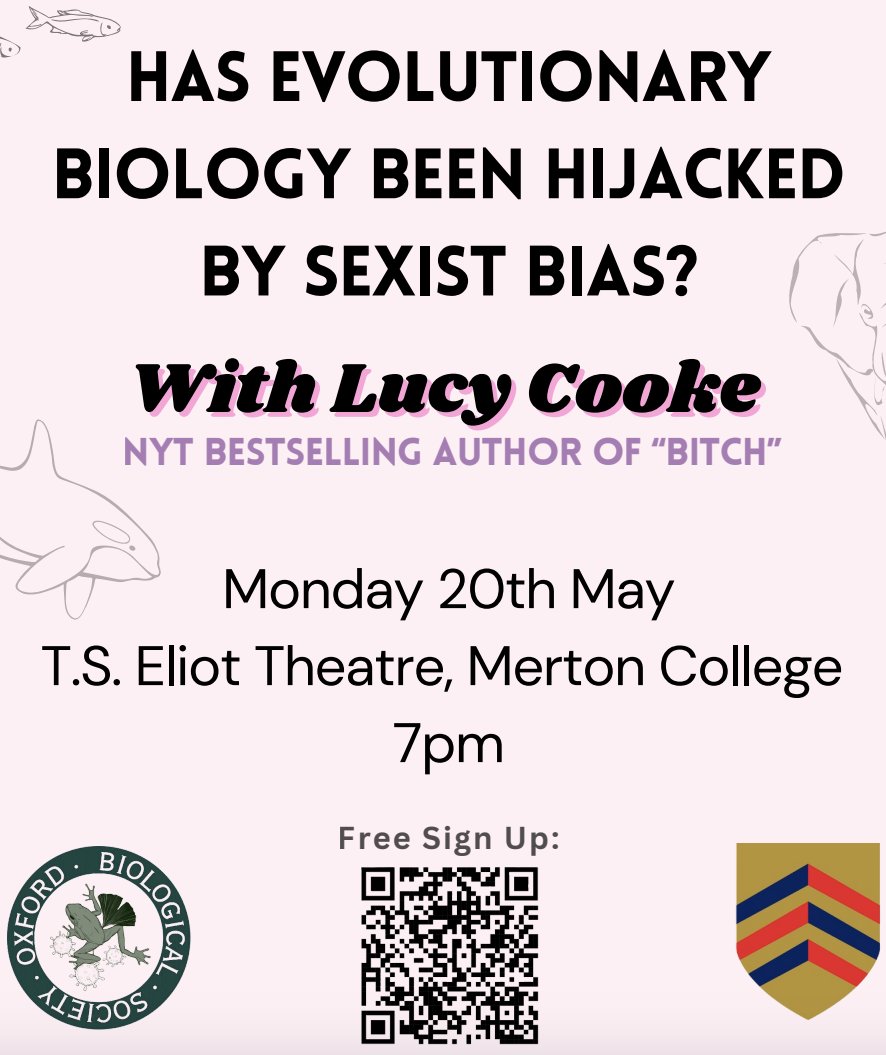
Lucy Cooke: Has evolutionary biology been hijacked by sexist bias?
At 19:00 on 20 May, we and @OxfordBioSoc are hosting zoologist, author, and TV presenter @mslucycooke who will be talking about how the scientific patriarchy has pervaded evo bio. Tickets: https://t.co/KmSXtOQyLz
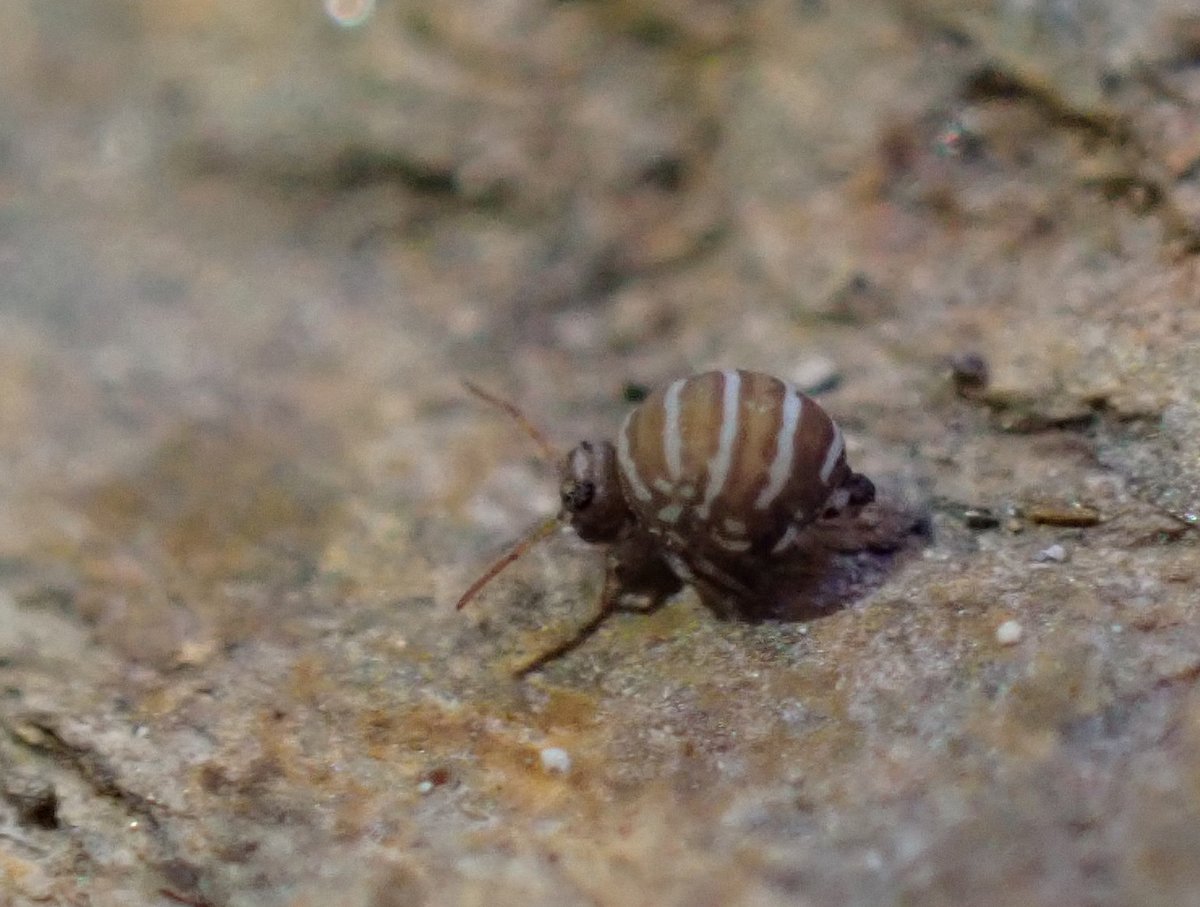
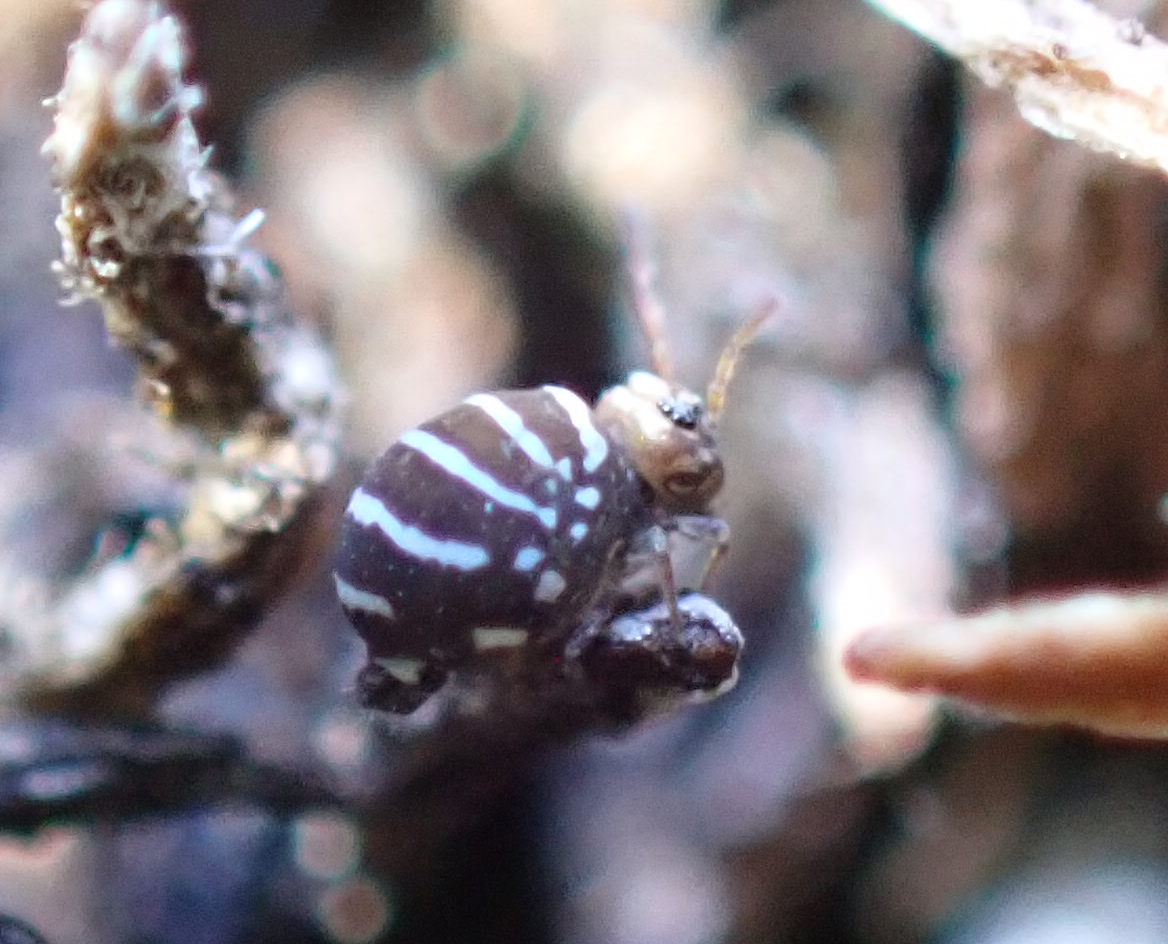
My first full-length paper has just been published! Co-authored with @jamesimcc on the discovery of Fasciosminthurus quinquefasciatus new to Britain from Cornwall. More springtail stuff in the works so keep your eyes peeled 👀 Have a read of this one at https://t.co/4zMrCVUqHC
We're very excited to be welcoming @AdamRutherford for our 2024 annual lecture! Come along on Wednesday 7th Feb to hear about "Eugenics and the misuse of Mendel" 🧬
FREE tickets available here: https://t.co/Uo0ZTi7swk
@GoWildForBees That interests me - I'm not sure exactly 'indigenous knowledge' encompasses, but can you give an example of where that may be more accurate than our current global scientific understanding of sexual systems?
@GoWildForBees True it's hard to judge purpose associated w/ a behaviour, but having a replicable and widely-applicable definition for sexual behaviour still allows it to be studied in the same-sex context. And luckily the ± binary sexual system in most land vertebrates facilitates this!
@GoWildForBees I think this emphasises well the importance of having clearly-defined terms! ◡̈ I've been referring solely to sexual behaviour - I agree that the gender/identity aspect of orientation cannot be applied to non-humans.
@GoWildForBees You may have lost me somewhat! It may be an issue of semantics; some people argue against using "homosexual" when referring to animal behaviour, but for me homosexual behaviour = same-sex sexual behaviour. How could this differ whether or not seen through an anthropocentric lens?
My short paper on discovering Mycena picta new to Cornwall has been published in the August volume of Field Mycology 🥳 It's my first publication on the fungal kingdom (though keep your eyes peeled for the Autumn volume 👀). PDF available on ResearchGate: https://t.co/oeoqK7t35x
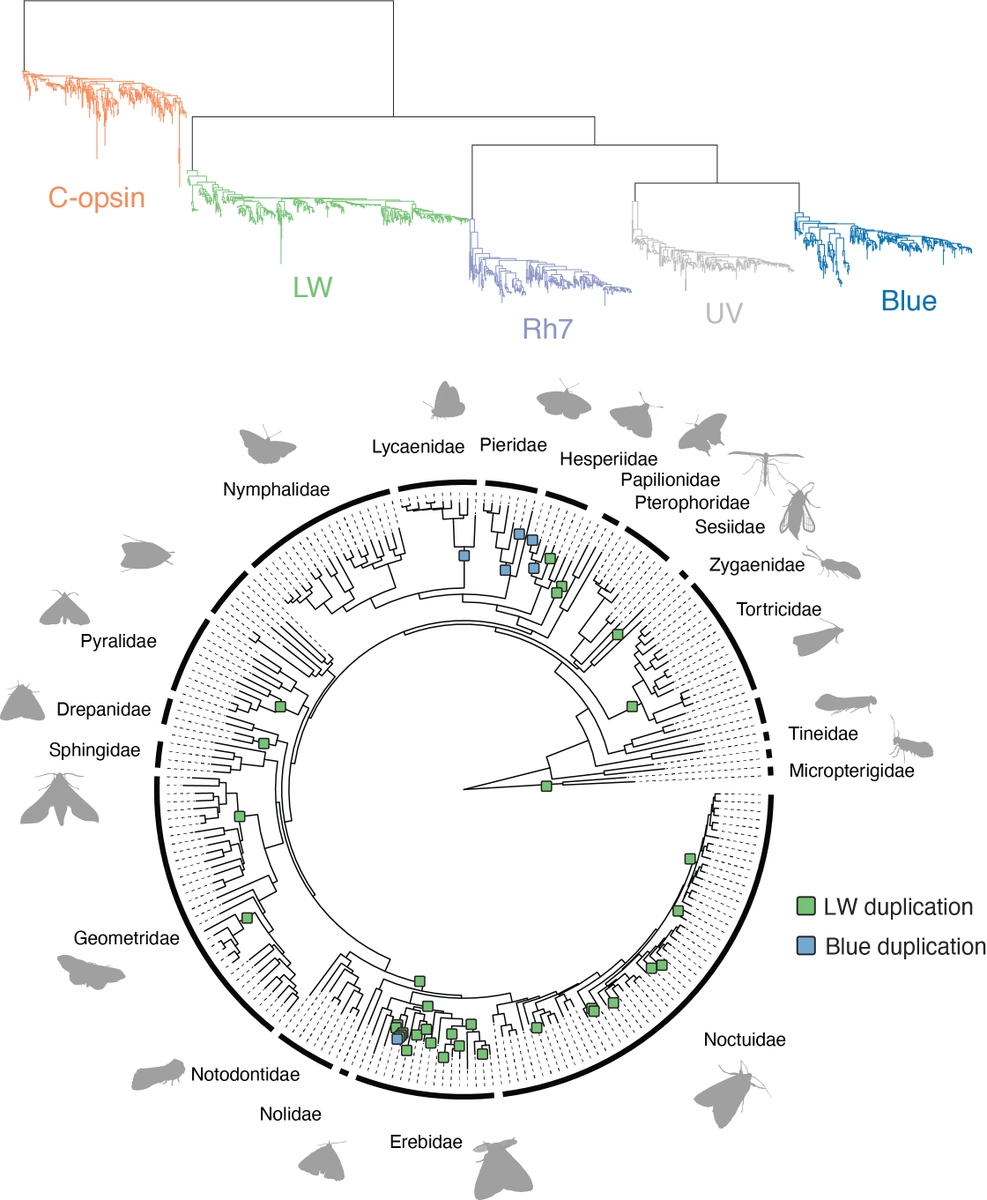
How do moths and butterflies see?🦋👀
Our new preprint looks at the evolution of #opsin genes across #Lepidoptera. We uncover fascinating patterns of opsin duplication, translocation, and expression by analysing 219 genomes (most from @darwintreelife)
🔗https://t.co/GgR0qTZeyl
David and Goliath. It was very cool to see both giant kingfisher and pied kingfisher together at the Grootrivier mouth this week - the giant kingfisher is roughly the same size as a woodpigeon!
Highly envious of Finley’s find… look out for a paper sometime soon! Would be awesome to do a genetic comparison with other populations (Europe & N America) to help decide whether native vs introduced. Feasibility tbd!
OH MY GOD!! These tiny but stunning springtails are Fasciosminthurus quinquefasciatus, a species never before seen in the UK - and yet I found 30+ on the Cornish coast yesterday! Question is, established introduction or overlooked native?? Given location I suspect the latter
I've never seen anything quite like the density of Knots at Snettisham Pits on the weekend. This short clip shows waves moving through a flock caused by the birds being packed so tightly together. And just metres from the hide too!
@FinleyHutchins2 @madjanev I’m not too sure about H. major given that this species should usually have a dense covering of grey scales. It is of course possible they’ve been lost, but it still has the long pilosity on the thoracic segments. I think Pseudosinella must be most likely - hard to be sure!