🚨🚨New paper just out, Strong winds reduce foraging success in albatrosses, from my time working with @SamCPatrick and @SEG_UL ! Biologging shows how these ocean wanderers cope with weather extremes 💨. Thanks to an amazing team for putting this together, https://t.co/bcUH9eCF6O
📢 Exciting postdoctoral opportunity to explore relationships between #shearwater#demography & #Atlantic#fisheries, based on #CMR, #seabird tracking & #fishing effort. Start March 2025
Apply 👉 https://t.co/kRhll4JxRO
Interested? Email me by Nov 25 👉 https://t.co/7WkPcdVW5O
🚨🚨New paper just out, Strong winds reduce foraging success in albatrosses, from my time working with @SamCPatrick and @SEG_UL ! Biologging shows how these ocean wanderers cope with weather extremes 💨. Thanks to an amazing team for putting this together, https://t.co/bcUH9eCF6O
New tracking study with contribution from SEAPOP/SEATRACK and @NorskPolar reveals that fulmars are interacting more often with vessels than they used to do. Work lead by @Jamie_Darby
https://t.co/RRoBehlQO8
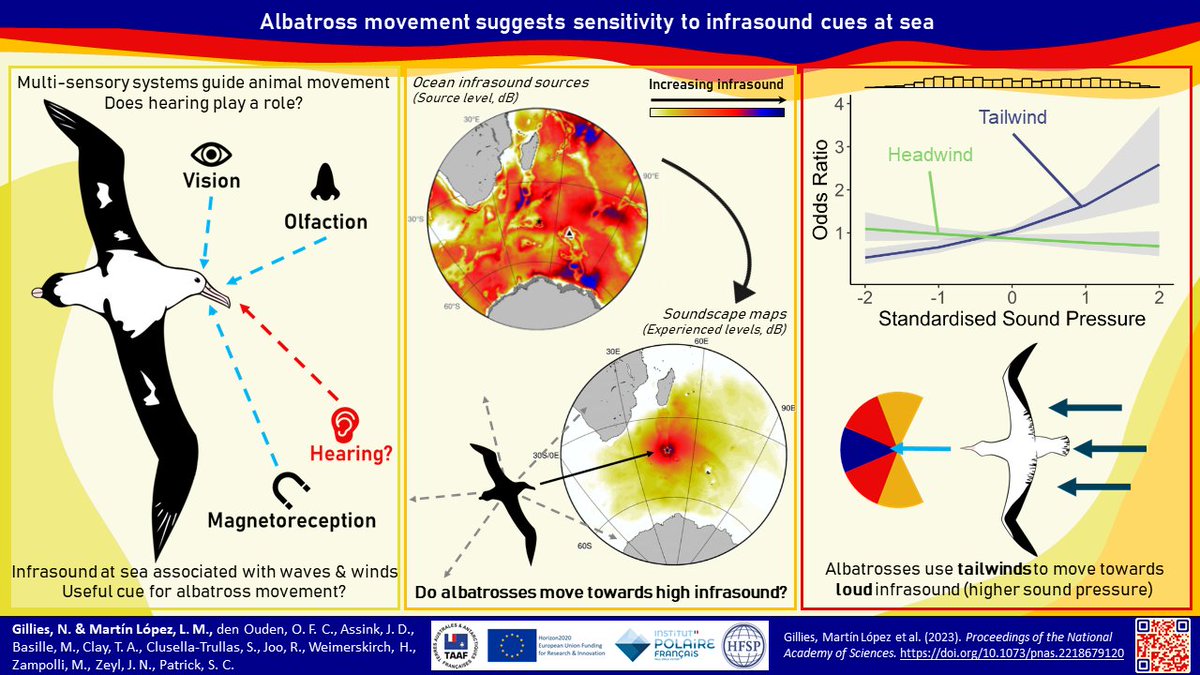
It took 6yrs but out today @PNAS 1st evidence infrasound is a reliable cue for movment decisions https://t.co/r6qTdb9PwK Read our persepctive on how & why here https://t.co/tGjxgturt3 & how infrasound might be heared here https://t.co/YvcQqpOQvM. Huge thanks to @HFSP for funding
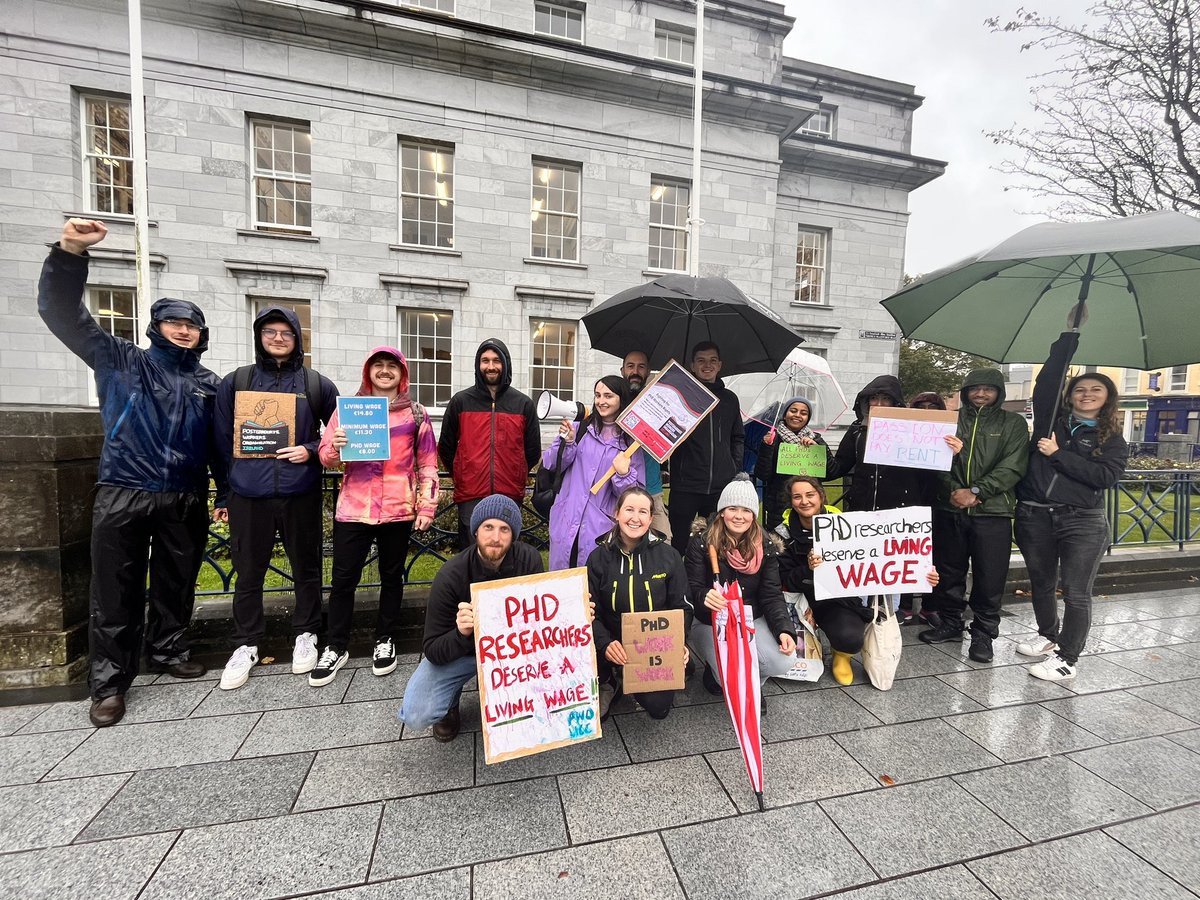
PhD researchers and even post-docs showing up in solidarity in front of Cork City Hall today to protest for better PhD pay and conditions 🙌🏼 #PGRsDeserveBetter#ResearchIsWork@PWO_Ireland
Big thanks to wonderful collaborators including SEATRACK partners (@SEAPOP4), @CromartyLH, @jedkempf, @lucy_seabirds, @MaREIcentre for all the help! Thanks to everyone involved, in discussions or tagging work across colonies, it was a huge amount of work to make this possible 🙏
🚨New paper out in @CurrentBiology, increasing
nocturnal fulmar/vessel interactions around the North Atlantic over 16 years. With @GannetGuy, @uccBEES, and a great team! Read all about what vessel attendance means for fulmars & their behaviour/habitat:
👉https://t.co/0qzubr30G3
Out today, lovely paper to be involved in led by @Ash_w_b, who used some really cool techniques to figure out if gannets were left or right sided in their behaviour!
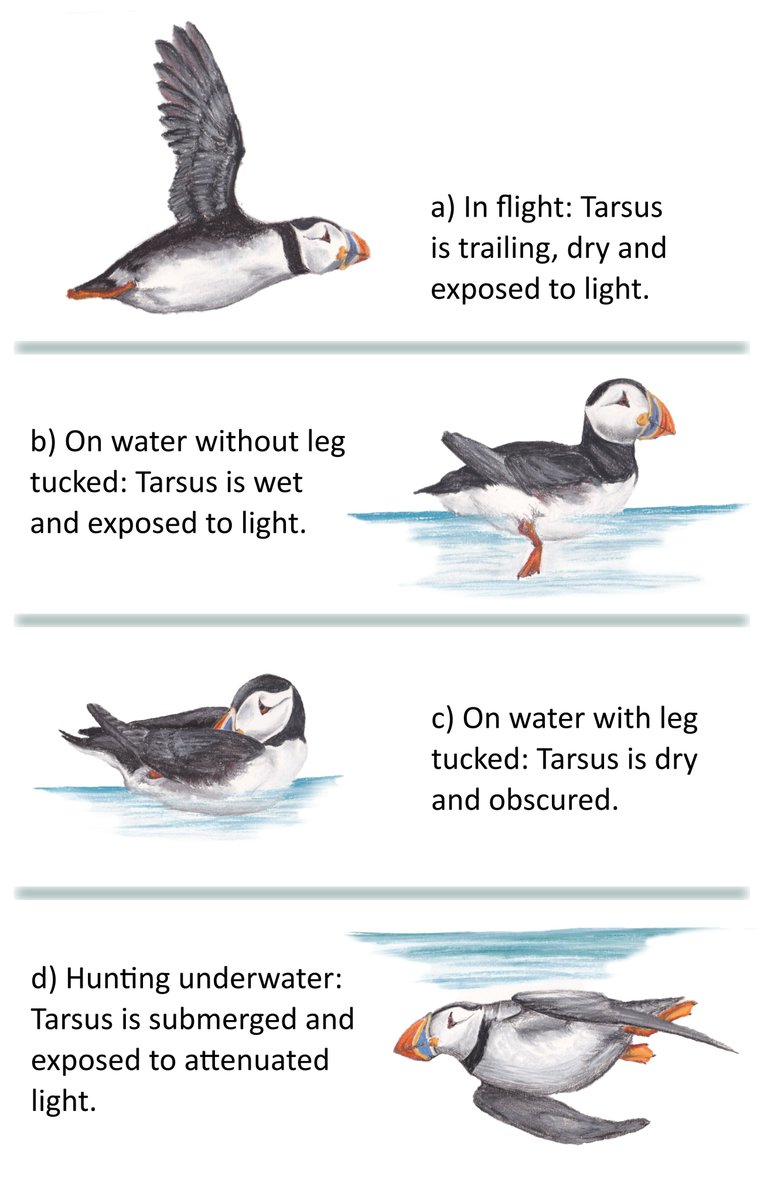
New paper just out! A biologging approach to understand the moult strategies of Atlantic puffins. We talk about what works, what doesn't, why this topic is so tricky! Thanks to @GannetGuy + team at @uccBEES & @MaREIcentre, plus all coauthors elsewhere 👉 https://t.co/VNYkiBP24t
@MarineBio_Em did a great job showing how oil impacts Manx shearwater feather structure and waterproofing, even in tiny concentrations!
Take a look: https://t.co/wwaitk8oTn
Or see some cool coverage from @physorg_com: https://t.co/yHtHV5pzgl
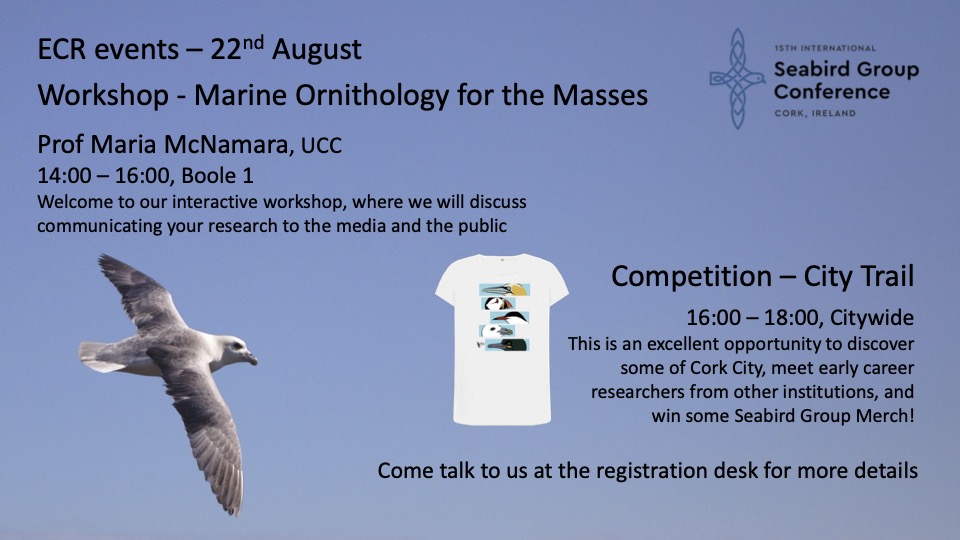
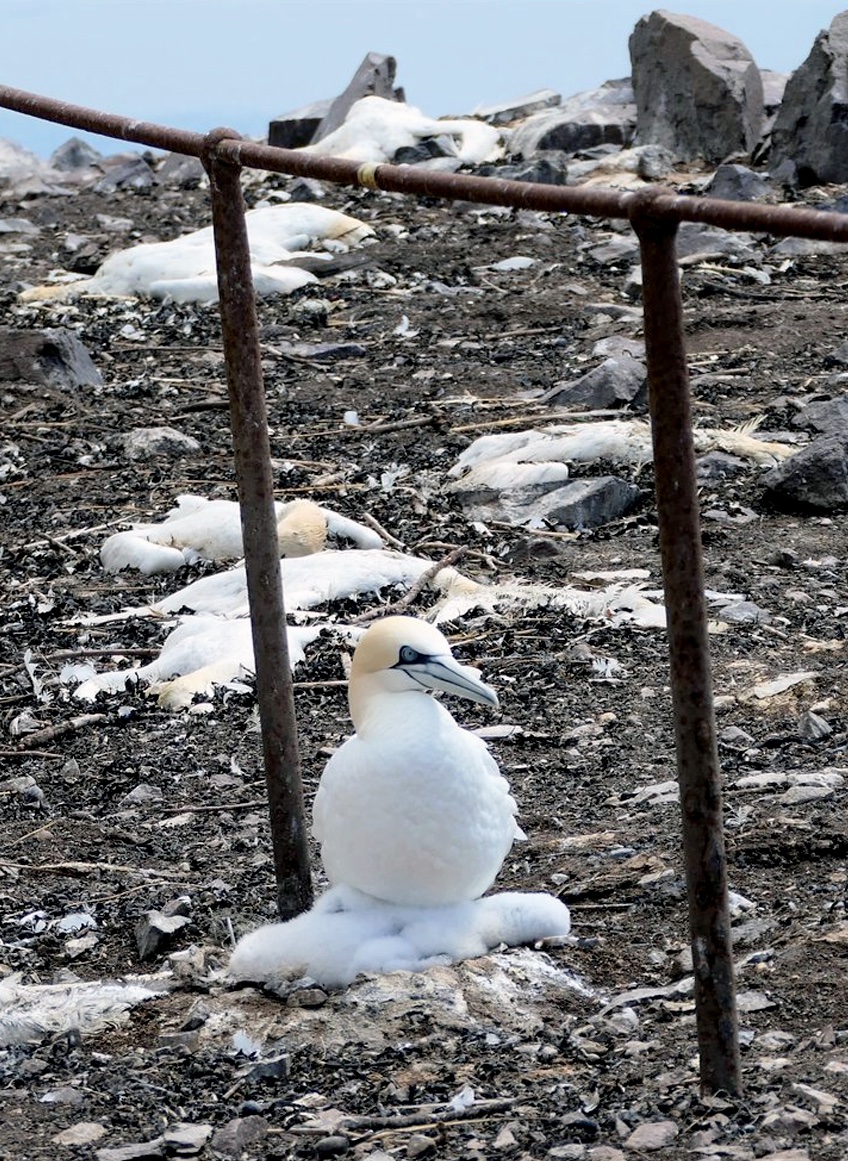
In response to the ongoing #avianflu outbreak, the @TheSeabirdGroup will host a workshop on the surveillance and monitoring of #HPAI in #seabirds at #CorkSeabirds. Come share your experience and discuss future directions with us!
Info + registration at https://t.co/BDmp0pDqJv
@E_Runnells @Albert_CelineC @DavorenLab Hi Emily & Céline! A friend just pointed out this comment thread, our group in UCC has been working on a new approach to identify the moult strategies of puffins. We've (well Mark has) also attempted the SIA approach in the past. Just FYI in case you'd like to chat about it :)
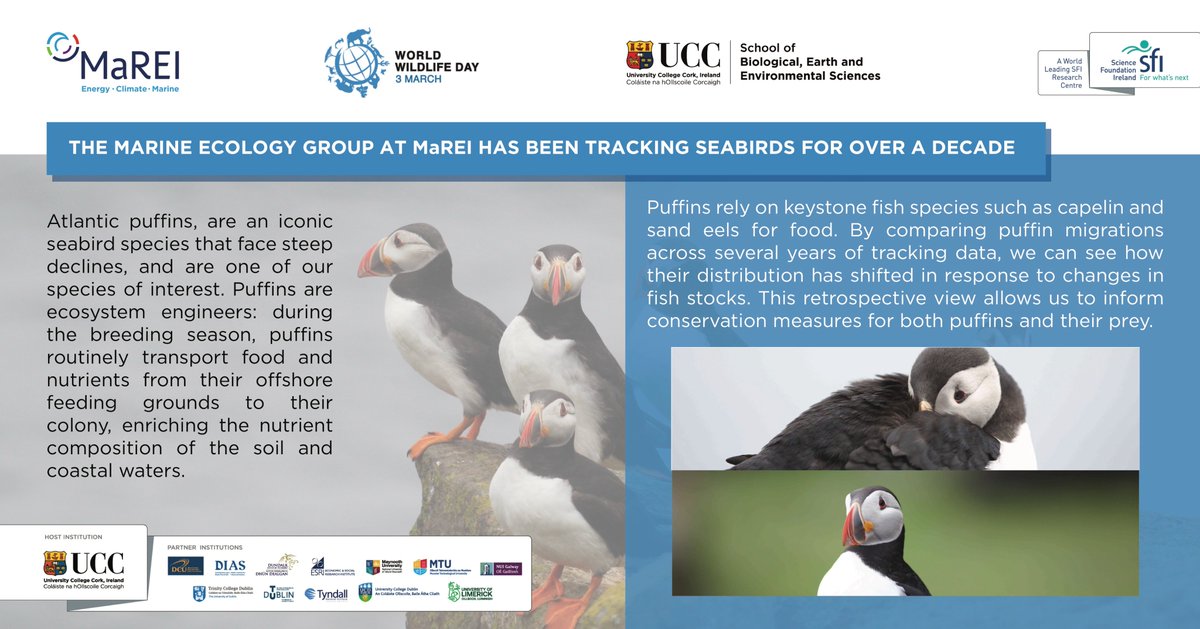
For #WorldWildlifeDay, MaREI & @uccBEES researcher @Jamie_Darby explained how the marine ecology group at MaREI has been tracking seabirds specifically Atlantic Puffins for over a decade
Abstract submission OPEN. Come share your awesome #seabird research with us at the 15th @TheSeabirdGroup conference in Cork. 22-25th Aug 2022. Abstract deadline 28th Feb. Abstracts can be submitted online at 👉https://t.co/bHoEVNBBAs