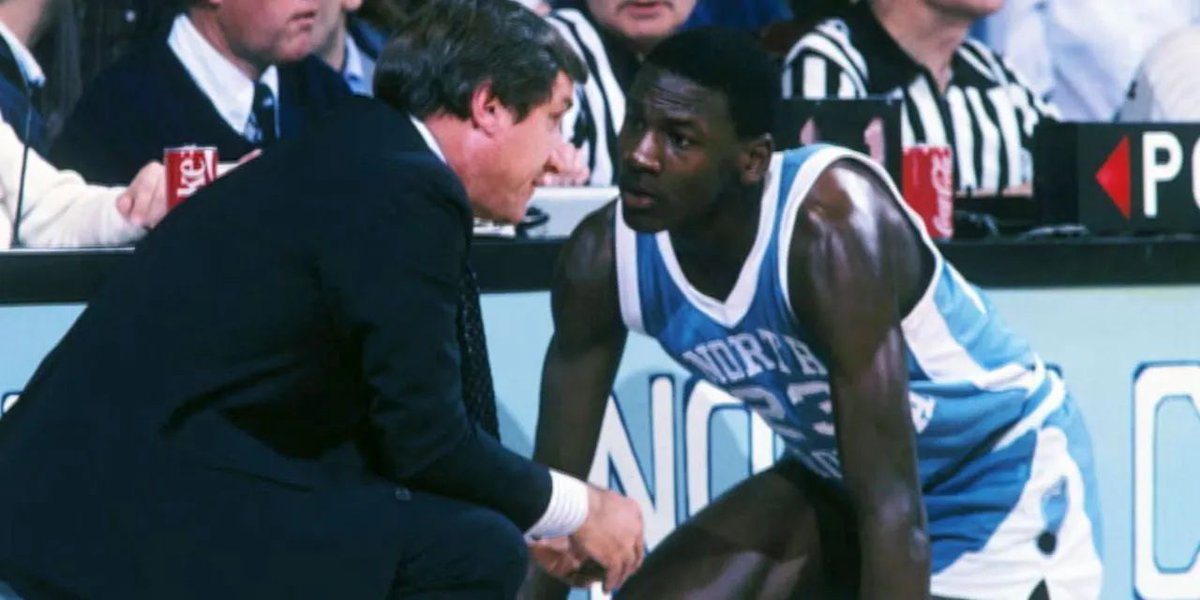
The thrill of victory… and the agony of defeat.
“If he fails, at least fails while daring greatly… so that his place shall never be with those cold and timid souls who neither know victory nor defeat.”
Learn. Regroup. Bounce back.
The Patriots will be back.
“A bird sitting on a tree is never afraid of the branch breaking, because its trust is not on the branch but on its own wings. Always believe in yourself.”
@TomBrady on the importance of believing in yourself when no one else does
🔹32 Years Old
🔹Coming Off A Torn ACL
🔹1,000-Yard Receiver
🔹Comeback Player of the Year Finalist
🔹Elevated an Entire Team
“We all we got! We all we need!”
“I like us!”
Thank you for everything, Stefon! 🫶
“I always say you’ve got to be the same person when things are going great and when things aren’t going great. You can’t switch up, that’s the character of a good man,”Jayson Tatum
Relentless competitors don’t change. They chase the work, the grind, and the standard every day.
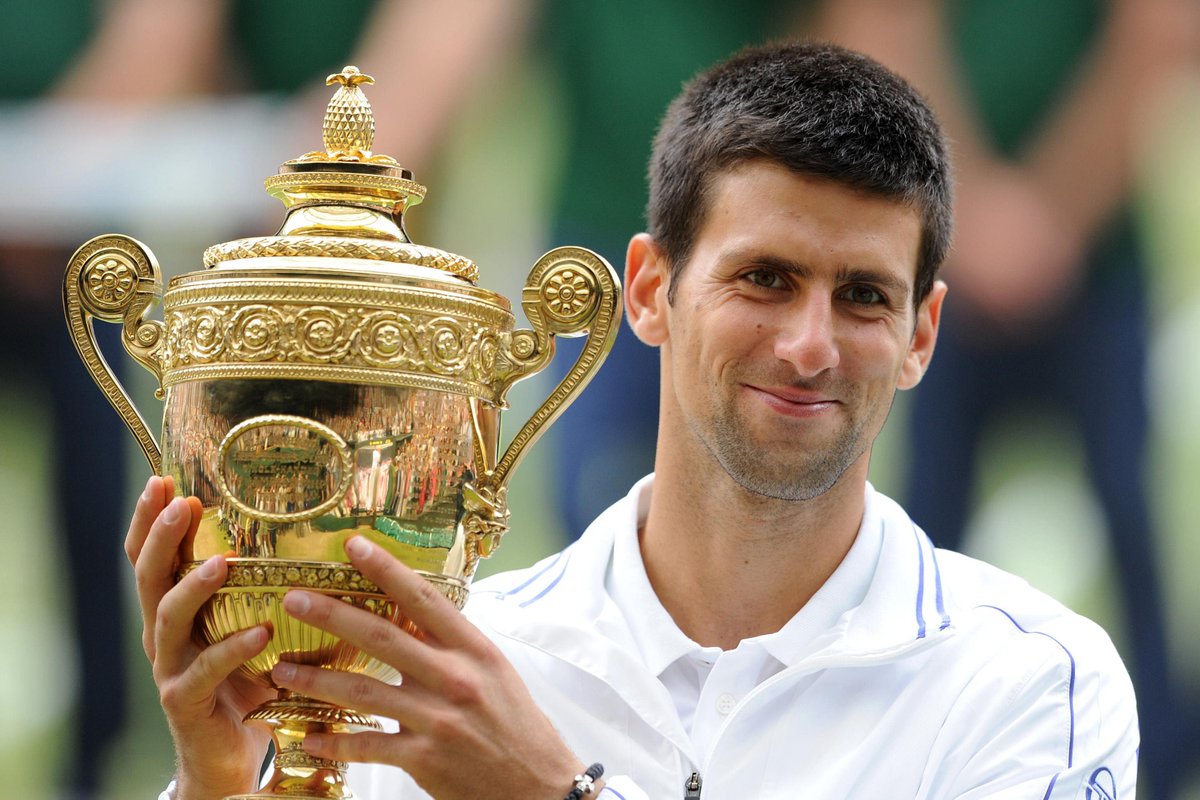
This Novak Djokovic piece by Billy Oppenheimer is one of the best I've ever read.
"Days after a quarterfinals loss in the 2010 French Open, Novak Djokovic told his coach, Marian Vajda, that he had decided to quit playing tennis.
He was No. 3 in the world, a grand slam winner, and a favorite to win Wimbledon.
After Djokovic said he was quitting, Vajda asked,
“Why did you start playing this sport?”
Vajda immediately sensed what the problem was:
Djokovic was focusing too much on rankings, records, titles, and external expectations. As a result, Djokovic said, “I was mentally at one very messed up place.”
As Djokovic thought about Vajda’s question, he thought about how many of his earliest childhood memories include his “most beloved toy”—a mini tennis racket and a soft foam ball.
He started playing tennis, answering Vajda’s question, “because I just really loved holding that racket in my hand.”
“Do you still love holding a racket in your hand?” Vajda asked.
Djokovic thought about it for a few seconds, got excited, and said:
“I do. I still love holding a racket in my hand. Whether it’s a grand slam final on center court or just playing around on a public court, I like playing for the sake of playing.”
Vajda nodded, “Well that’s your source. That's what you need to tap into. Put aside rankings and what you want to achieve and what you think others are expecting of you.”
Vajda then suggested that Djokovic take a few weeks off.
Djokovic agreed that he would.
But when he woke up the next morning, Djokovic was dying to hit tennis balls. He went to the courts to play for the sake of playing. “And I never looked back ever since that moment.”
The following season, Djokovic enjoyed one of the greatest seasons in sports history. He won 43 straight matches. He won three Grand Slams, including his first Wimbledon title. And he finished the year as the number one player in the world.
“I started to play freely,” he says of that season. “I became the kid that I was when I started playing.”
Takeaway 1:
There's a word for being like the kid who does something for the sake of doing it:
Autotelic.
From the Greek "auto" (self) & "telos" (end)—an Autotelic is "someone or something that has a purpose in, and not apart from, itself."
As opposed to someone who focuses on rankings, records, titles, and external expectations—for an Autotelic.
”The work is the win,” as Ryan Holiday once told me.
Since you control the effort more than the outcome,
“Ultimately, you have to love doing it,” Ryan said. “You have to get to a place where doing the work is the win and everything else is extra.”
Takeaway 2:
When reading about Autotelics—people who describe their work as play, who simply seem to love what they do—a common mistake is to think that it’s all bliss all the time.
One of my favorite Autotelics is the legendary skateboarder Rodney Mullen, who is in his 50s and still skateboards every day.
“There are days,” Rodney said, “where you don’t want to go out. Or it hurts. Or you’re sore. Or you just suck—you're not making progress, and you feel defeated...But that's the nature of love—it's got hate in there, it's got pain in there. And that’s what draws you in, that's the magnetism.”
At one point during the recent Wimbledon final, Djokovic angrily smashed and shattered his racket. And after losing the match, he admitted that it will take him a while to get over the loss.
That’s the nature of love—it’s got hate in there, it’s got pain in there."
The passion behind every word will make this stick for years 👏
I came across this incredible inspirational talk that football coach Joshua Paul gave his U11 players, and HAD to share it!!
At every stage of life, it’s easy to let ourselves be pulled down by negativity. We tend to internalise other people’s issues, rather than taking a step back and asking, “is this really my problem?” 🤔
Positivity is always an answer even when the question is the opposite.
Helping young people build that mindset early can shape how they handle life long after the pitch.
What a powerful lesson 🧡💫
(🎥: fit_4_football)
A kid who hustles on every play will always be more valuable than the one who coasts on talent.
Effort is a skill. Effort wins games. Teach your players that effort will take them places talent never could.
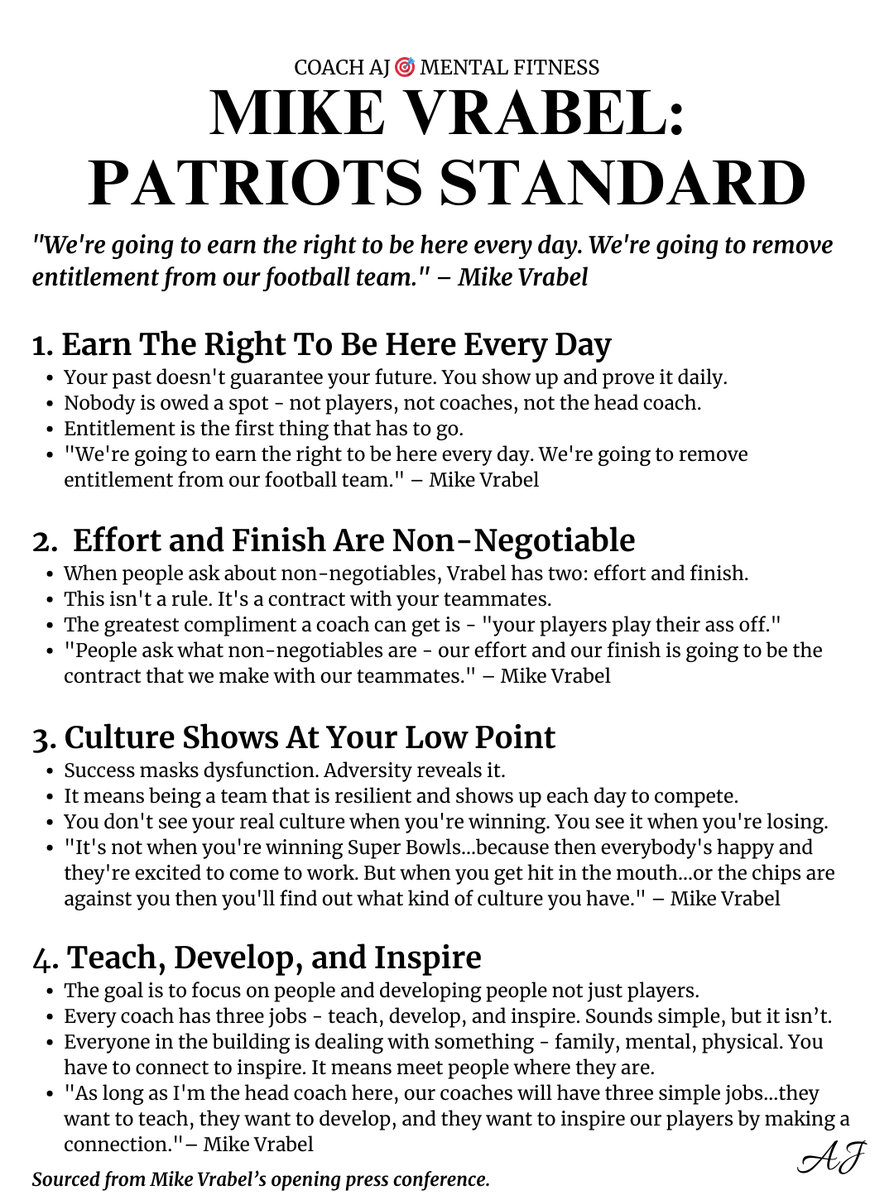
Mike Vrabel has turned the New England Patriots from a franchise in chaos to one of the best teams in football in just one year.
🏈Previous 2 years: 8-26
🏈This year: 14-3 and 1 win from the Super Bowl.
How'd he do it?
The 4 principles he laid out on day 1:
(📌Bookmark this)
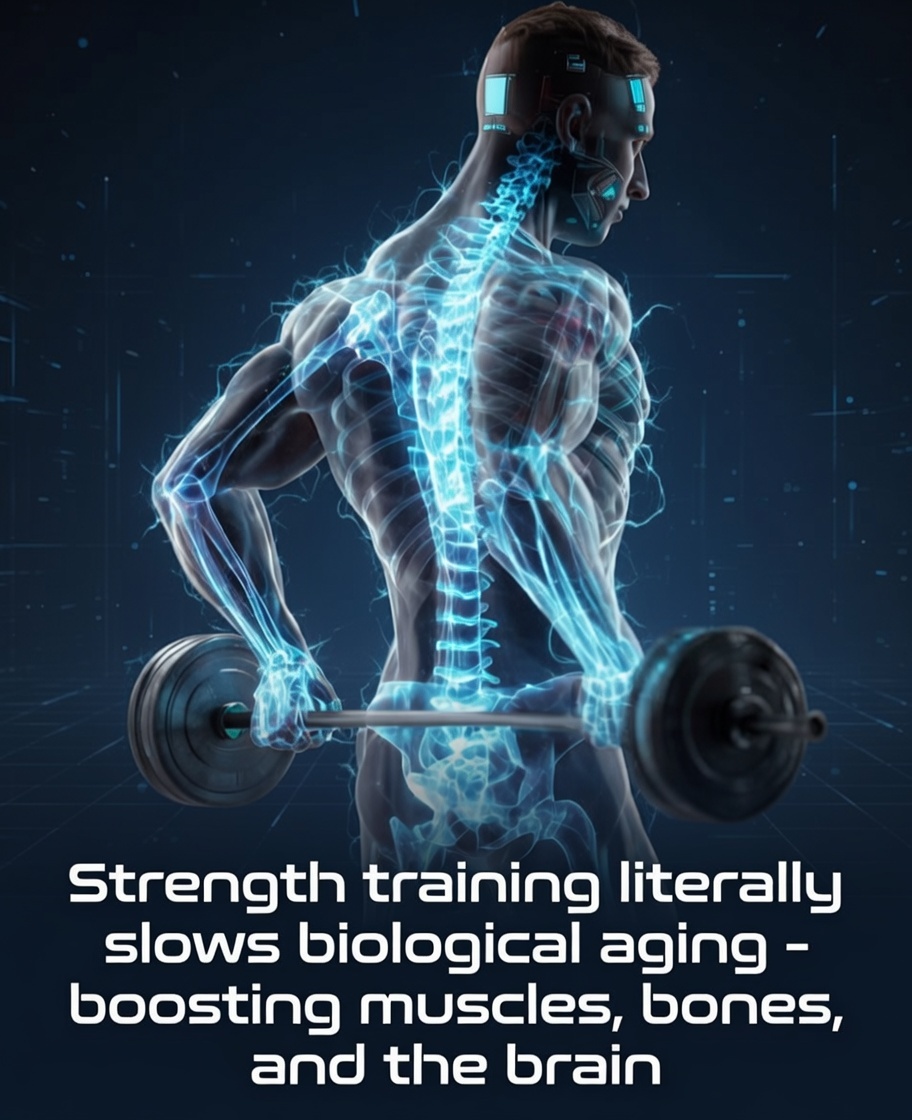
Experts now consider strength training the single most potent habit for aging gracefully and extending lifespan.
Far from being just for athletes or bodybuilders, lifting weights—or any form of resistance exercise, including body-weight moves—has emerged as one of the most powerful tools for healthy aging. It does far more than add muscle: it fortifies bones, revs up metabolism, and sharply lowers the odds of diabetes, heart disease, and other chronic conditions.
As we get older, strength training switches on bone-forming cells, fights the natural loss of muscle mass known as sarcopenia, and keeps metabolism humming efficiently. For women, it’s especially valuable, helping offset the rapid bone-density decline triggered by menopause.
The benefits extend well beyond the physical. Regular resistance work improves balance and coordination, dramatically cutting the risk of falls—the top cause of injury among older adults. It also protects the brain by enhancing insulin sensitivity, dialing down inflammation, and reducing dementia risk.
The good news? You don’t need heavy barbells or punishing workouts. Even moderate, consistent strength training delivers profound gains in both quality of life and longevity. In the words of one leading researcher, “Building and maintaining muscle may be the single best investment you can make in your future health and independence.”