Khvicha Kvaratskhelia: “Gençken Rusya’da yalnız yaşıyordum, hiç arkadaşım yoktu. Günlerimi durmadan antrenman yaparak geçiriyordum.
Bir gün kendi kendime şunu söyledim: ‘Ben neden buradayım? Soyadım formanın arkasında yazıyor, onlar için çalışmak zorundayım!’
Geceleri antrenman merkezinde ışıklar olmazdı ama ben yine de çalışmaya devam ederdim. Bazen güvenlik görevlisi gelirdi. Korkardı ve çimlerin üzerinde kimin olduğunu merak ederdi. O bendim, karanlıkta dribbling yapan.”
This bald dude in Florida has been getting pulled over by cops NON-STOP for “not wearing a helmet.” They ticket him, he pays it, rides off… and it keeps happening.
Finally he gets fed up, pulls over, looks the cop dead in the eye… and slowly peels off his helmet like it’s his actual scalp. Turns out it’s one of those super low-profile, matte black helmets that blends perfectly with a shaved head.
Dude’s been 100% legal the whole time 😂 Cops were speechless.
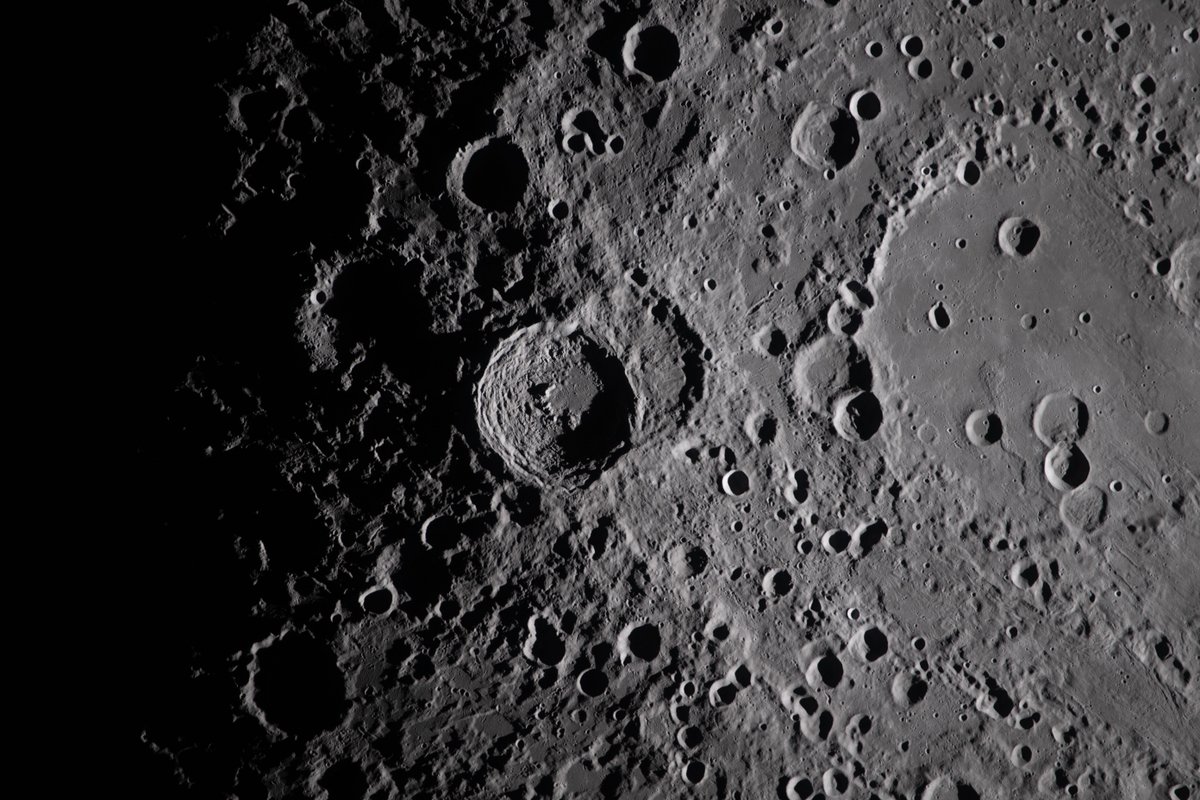
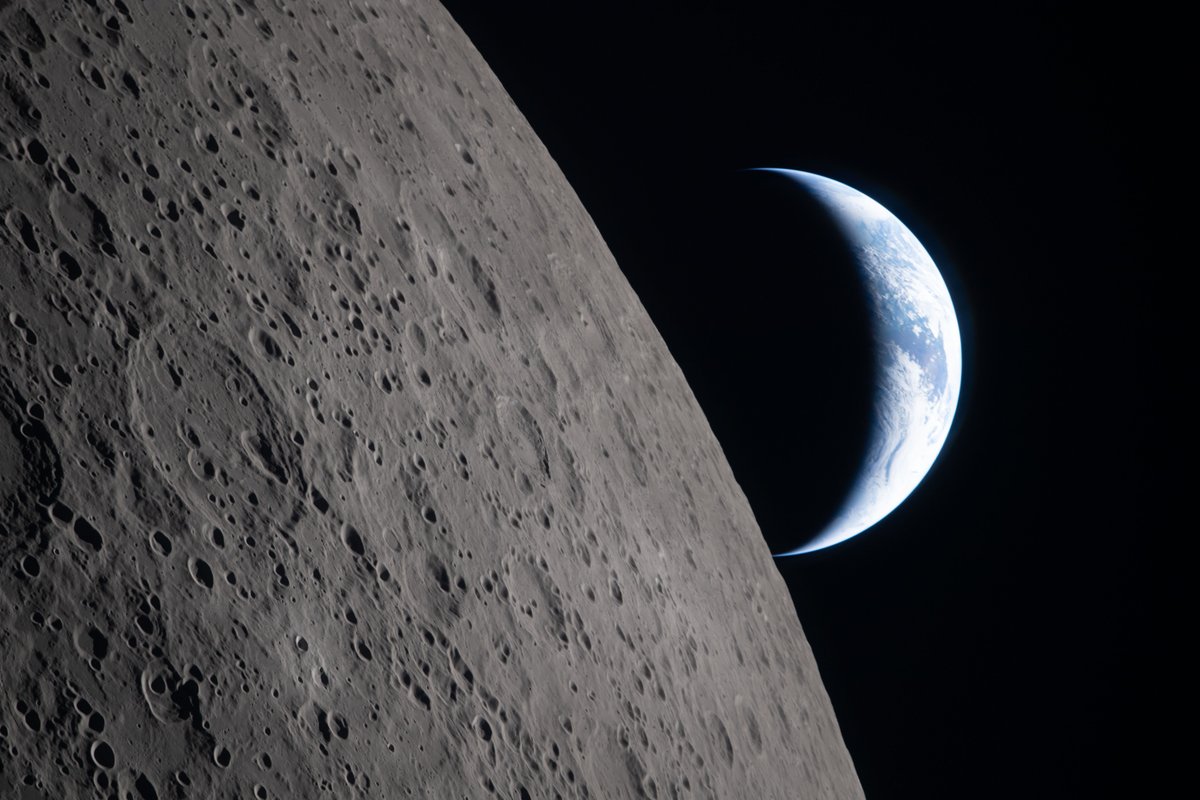
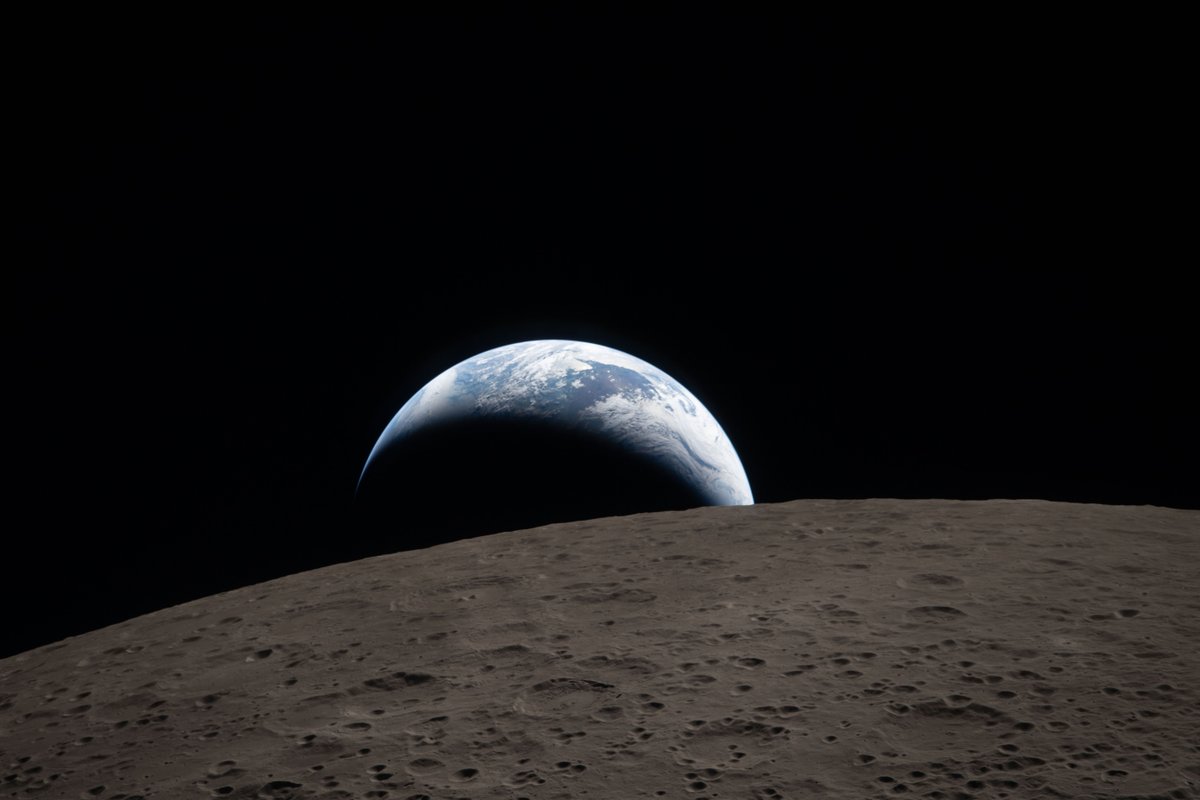
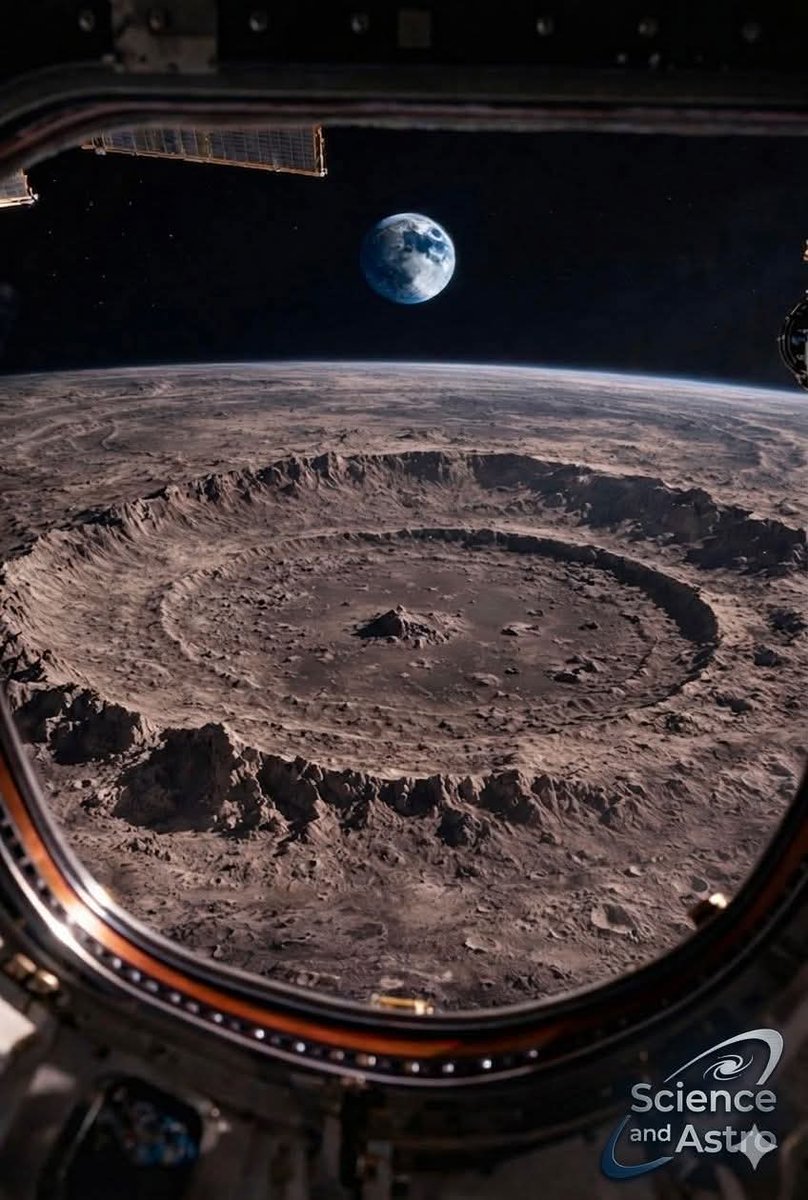
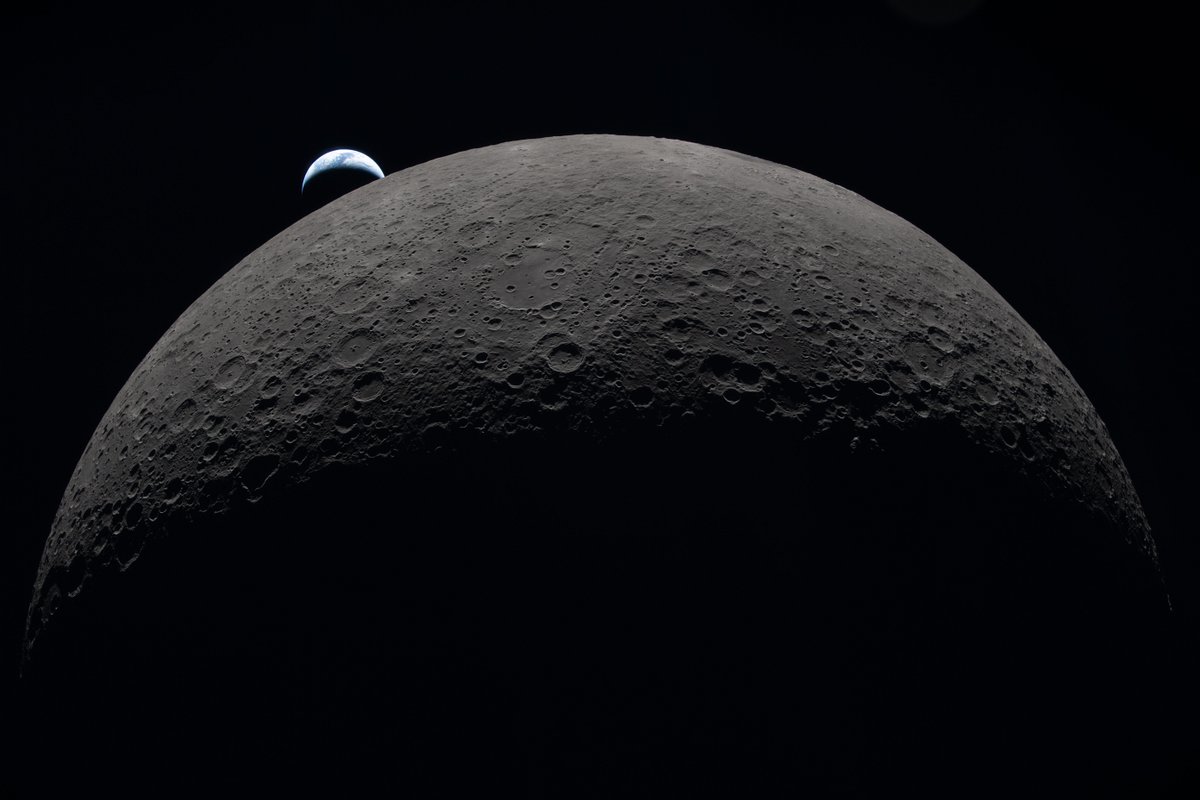
Historic First: Artemis II Crew Becomes the First Humans to Witness the Orientale Basin in Its EntiretyBREAKING: In a stunning milestone for deep-space exploration, the Artemis II astronauts have captured the first-ever view of the Moon’s Orientale Basin with human eyes — seeing its complete, majestic structure for the first time in https://t.co/PDp5ThIn0L the Orion spacecraft swept past the lunar limb during its historic flyby, the crew photographed the entire basin in one breathtaking frame, with Earth hanging beautifully in the black void beyond.A 930-Kilometer Cosmic BullseyeThe Orientale Basin is one of the Moon’s most impressive geological features — a massive multi-ringed impact structure roughly 930 km (580 miles) across. Formed about 3.8 billion years ago by a colossal asteroid or comet strike, its concentric rings ripple outward like frozen waves from a stone dropped into a cosmic pond.The outermost Cordillera ring forms the dramatic outer rim, while inner rings (the Rook mountains) mark zones of dramatic crustal rebound and collapse after the initial impact. Because Orientale straddles the Moon’s near and far sides near the southwestern limb, it has always appeared severely foreshortened and partially hidden from Earth-based telescopes and earlier missions. Only now, from Orion’s unique vantage during the flyby, has the full scale and symmetry been revealed directly to human observers.The Shot of a LifetimeThe image was taken through an Orion window as the crew passed over the site at just the right moment — with perfect illumination highlighting every ridge, ring, and shadow. It’s not just a photo. It’s a pivotal new dataset that complements decades of orbital data from Lunar Reconnaissance Orbiter, GRAIL’s gravity maps, and earlier probes.Entering the Zone of SilenceAs Orion continues its trajectory around the Moon, the crew is now heading into the most isolated phase of the mission: loss of signal. For roughly 40 minutes, the bulk of the Moon will completely block all radio communication with Earth, leaving Reid Wiseman, Victor Glover, Christina Koch, and Jeremy Hansen in profound solitude on the far side.They are venturing where only a handful of Apollo astronauts have gone before — deeper into cislunar space, pushing the boundaries of human exploration farther than any crew since 1970.The Moon is yielding its secrets once again… and humanity is watching live.This is what returning to the Moon — and preparing for Mars — truly looks like.
Hello, Moon. It’s great to be back.
Here’s a taste of what the Artemis II astronauts photographed during their flight around the Moon. Check out more photos from the mission: https://t.co/rzM1P0QbOl