This is awful and I’m not surprised, nor is any woman who has set foot in McMurdo.
What f***ing brave people these women are.
Women working in Antarctica say they were left to fend for themselves against sexual harassers - NZ Herald https://t.co/R5WM9r3wFB
New research out of the @mpred_lab@IMASUTAS Thick ones, pointy ones – how albatross beaks evolved to match their prey https://t.co/dlu60WM98a via @ConversationEDU
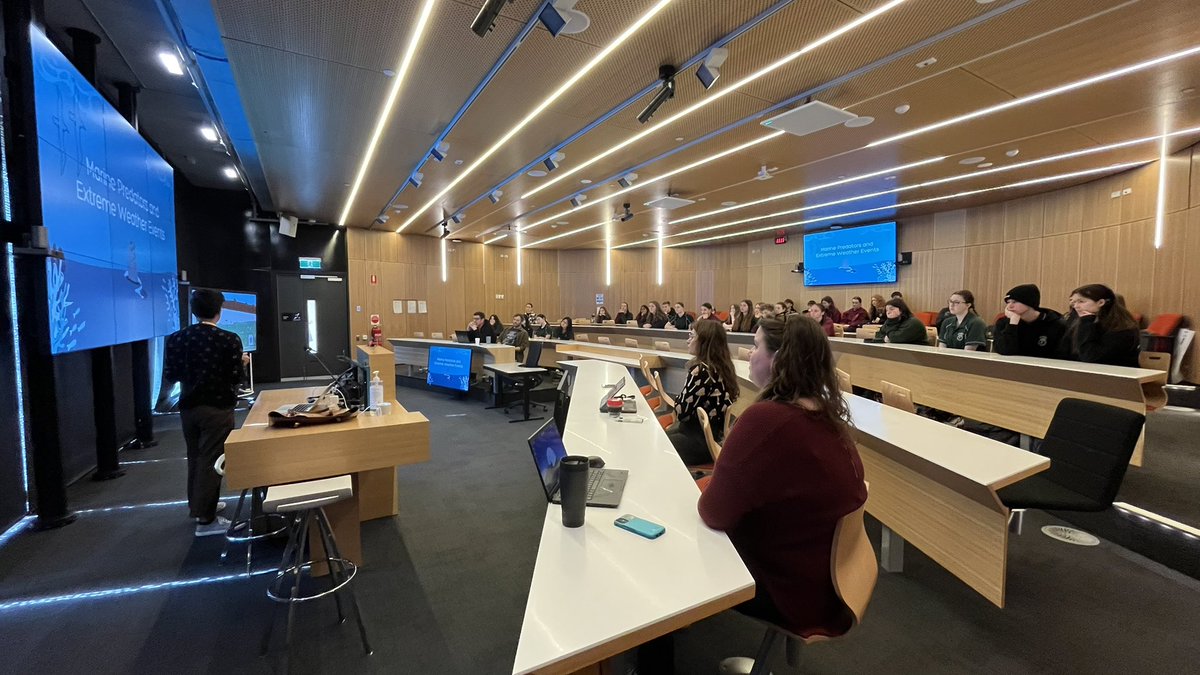
A communique was composed by Antarctic scientists at the #SCARbiology2023 conference to highlight that immediate climate action is needed to protect ecosystems globally. If you work in this space please follow the link and sign.
https://t.co/iFKNuW11PN
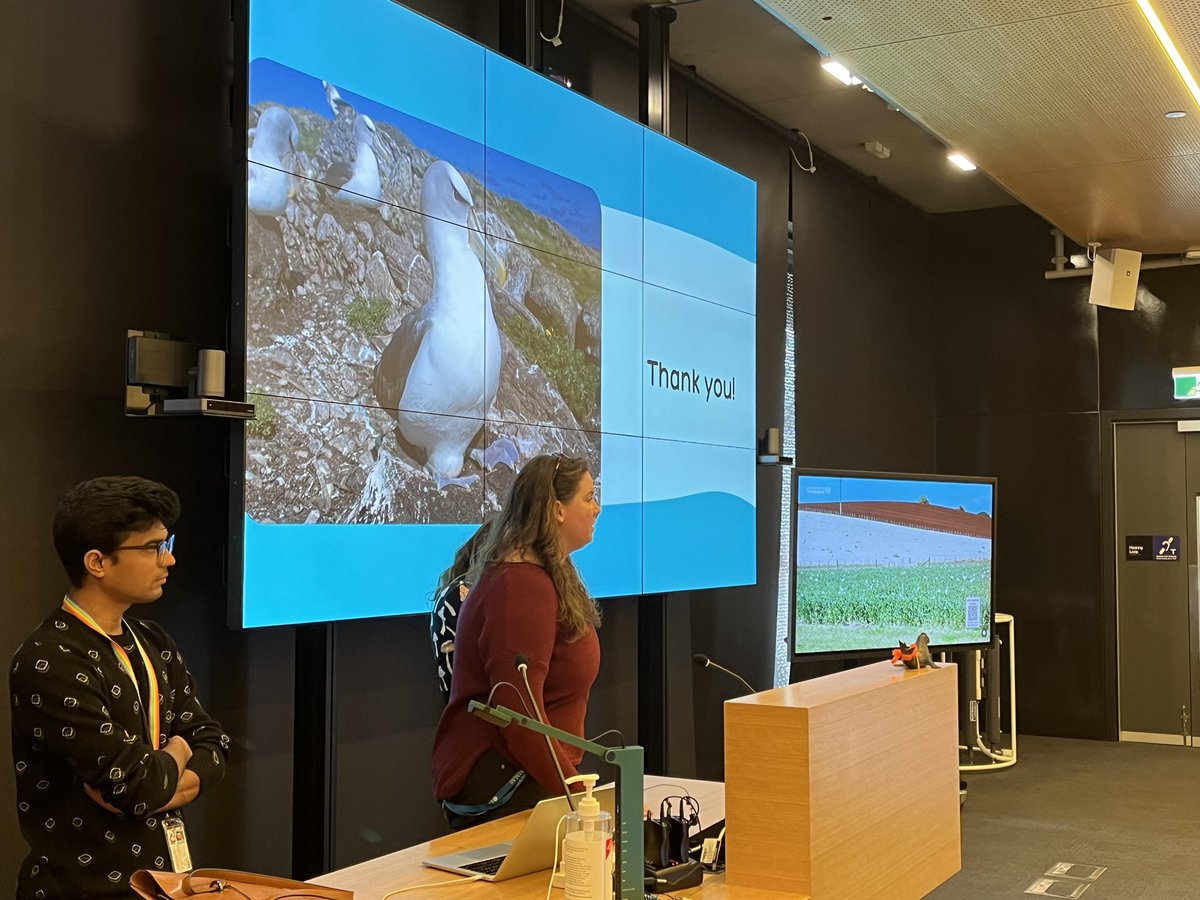
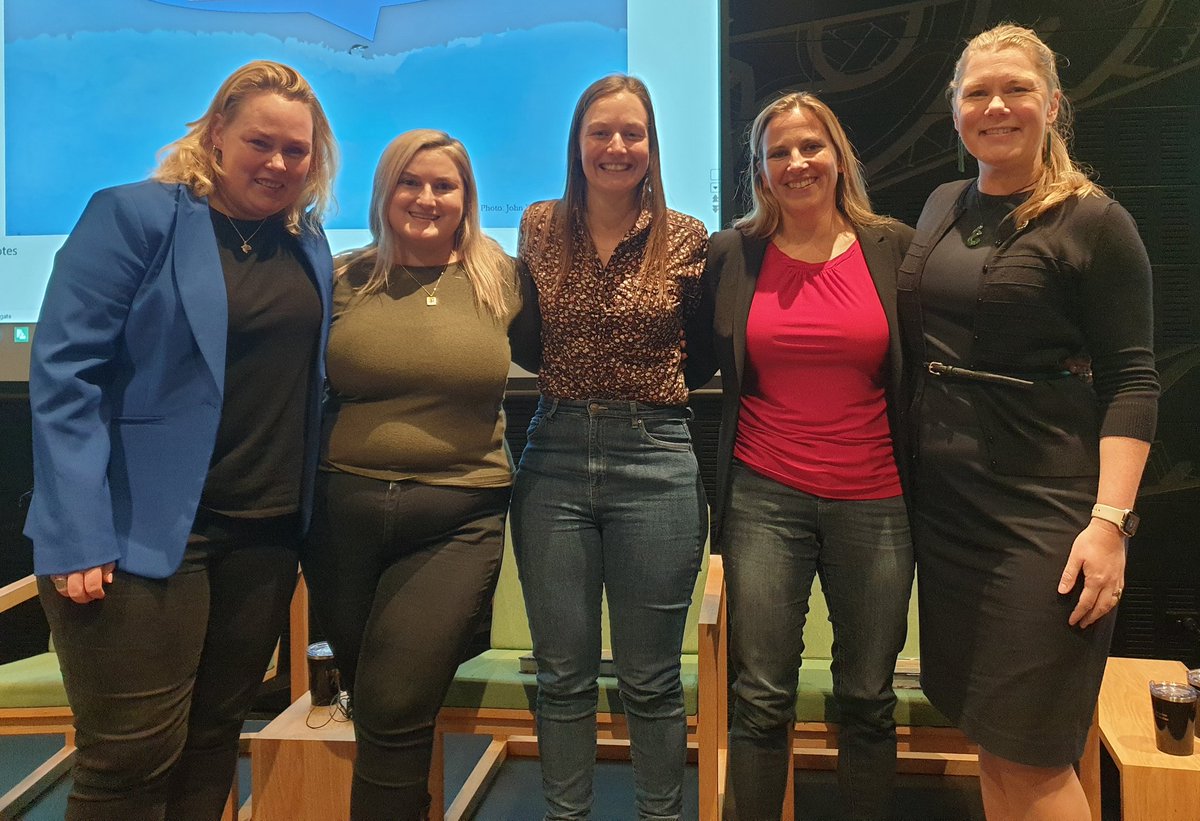
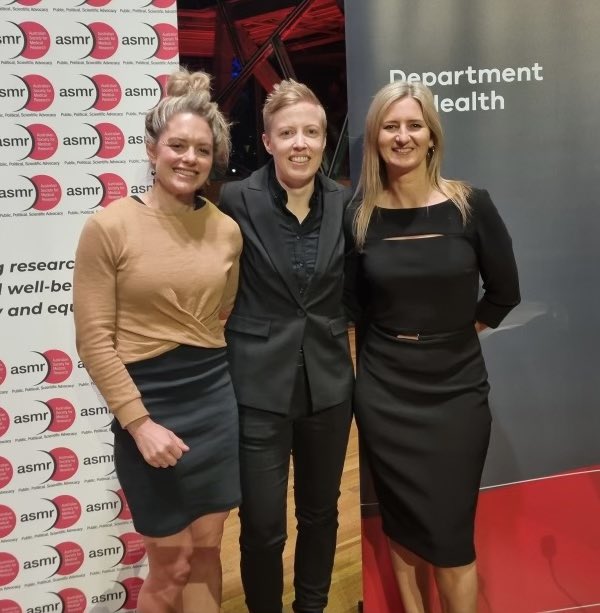
This was an incredible event to be part of, such an inspiring group of women from across the world all working towards a future for Antarctica ecosystems 🇦🇶 #SCARBIOLOGY2023
On Tuesday evening of #SCARBIOLOGY2023 I had the absolute pleasure to chat #Antarctic stories at Tūranga public library in Christchurch - alongside 4 amazing Antarctic women 🇦🇶🦭🐧👩🔬
Please RT 🐧🇹🇫:
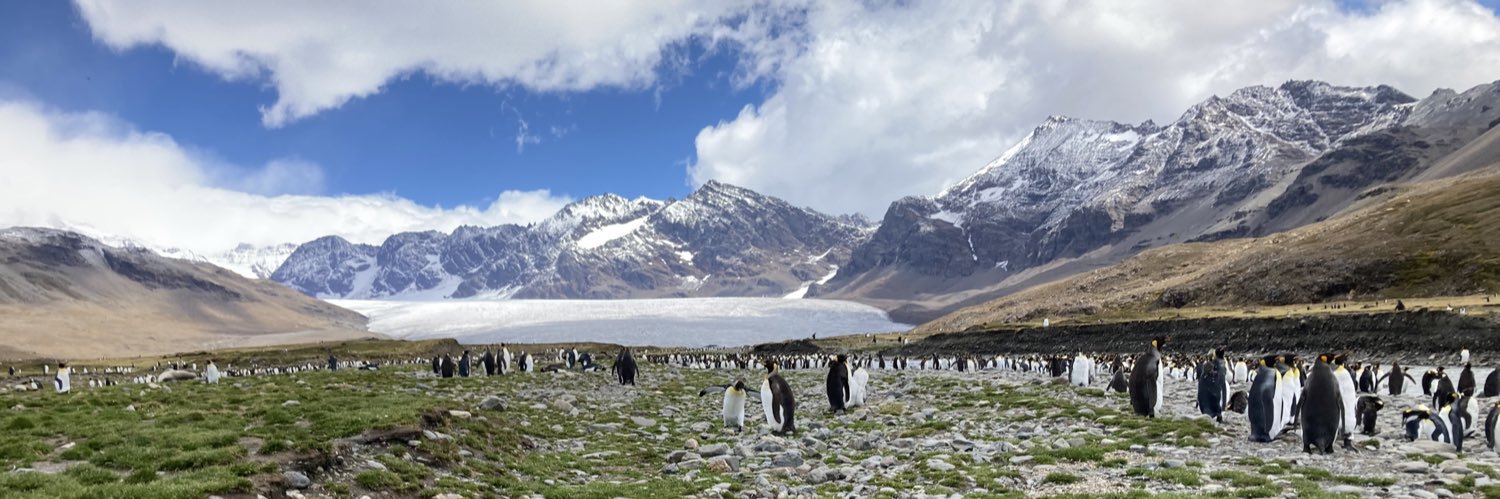
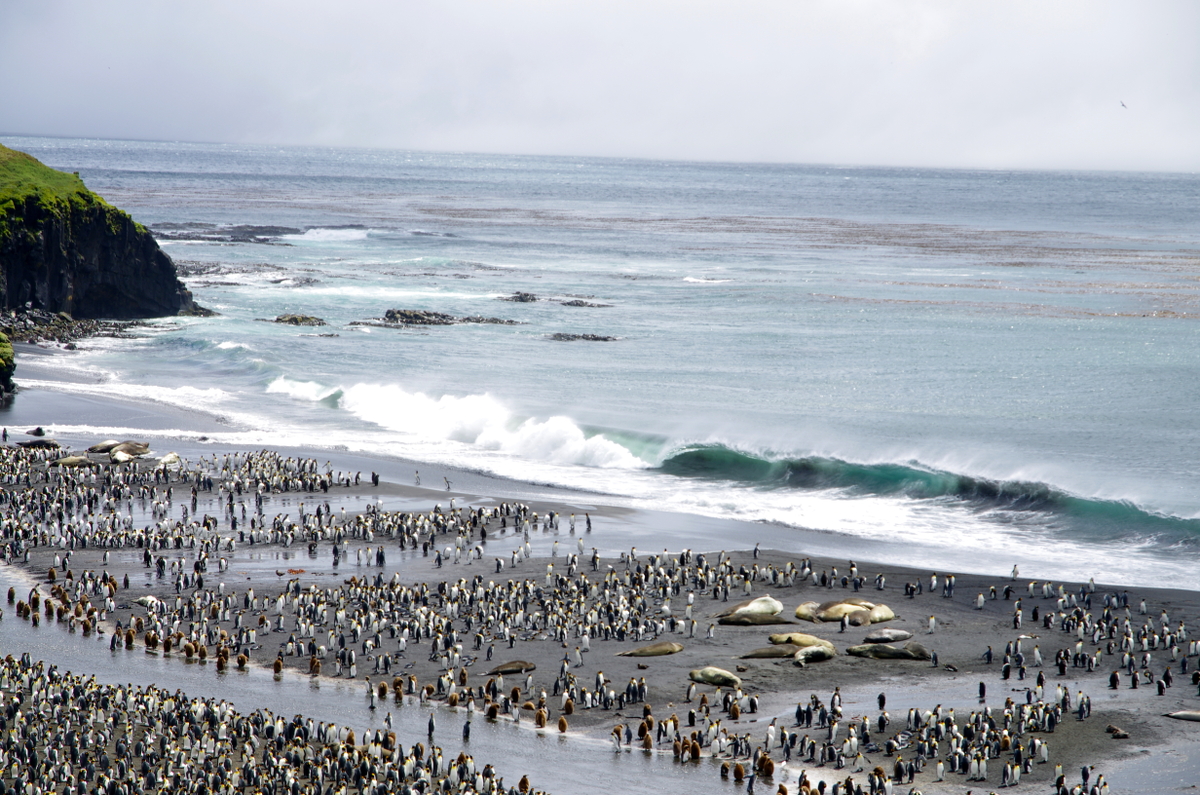
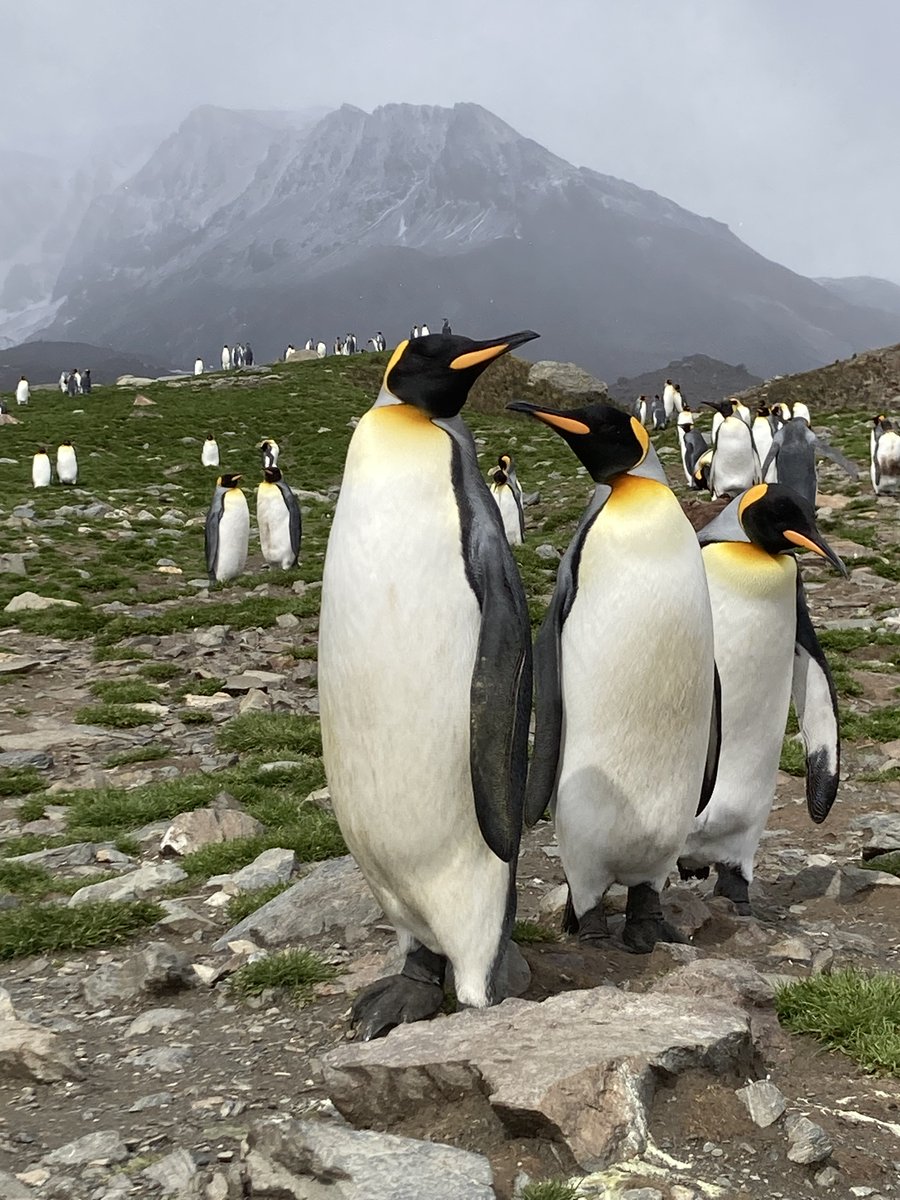
Postdoc position (12 months) to work on king penguin ecophysiology in the context of climate change.
Field trip of 3-6 months is forecasted.
Application DL = 01/09/23
Start date = 01/10/23 or spring 24
info: [email protected]
https://t.co/4obL2Ddy7y
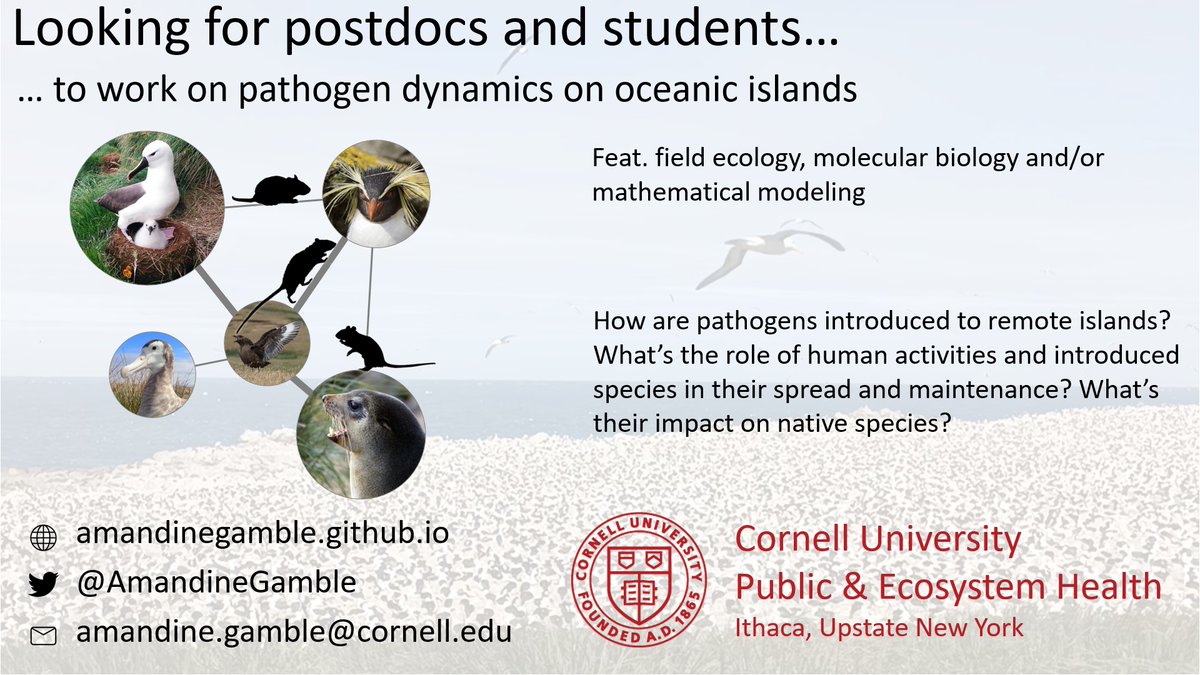
#JobAlert 🚨 I'm looking for #postdocs to join me @CornellMPH
Feat. animal ecology & infectious disease with field work, lab work & mathematical modeling - we do lots of #seabirds and #rodents, but also looking at other systems
Please share and/or reach out online or @eeid2023
Very concerning that HPAI has now reached the Southern tip of South America.
We wrote some recommendations last year in preparation of HPAI entering Antarctica. You can find them here: https://t.co/RNJxawWXa6
#PhD opportunity at @IMASUTAS in the @mpred_lab on #wildlifehealth and disease surveillance in sub-Antarctic #seabirds
Open to international and domestic applicants, apply by 27th March https://t.co/2ZrOeBf7Et
Whether via feet, wing or plunge power, diving ability is rare among birds~biologists find that among the 727 waterbird species, divers may be more prone to extinction & "an evolutionary dead end" https://t.co/MMNsLgUMbo @physorg_com@RSocPublishing @JoshTylerEarth @jane_younger